





Introduction: Umbrian wines and Perugia’s wine scene
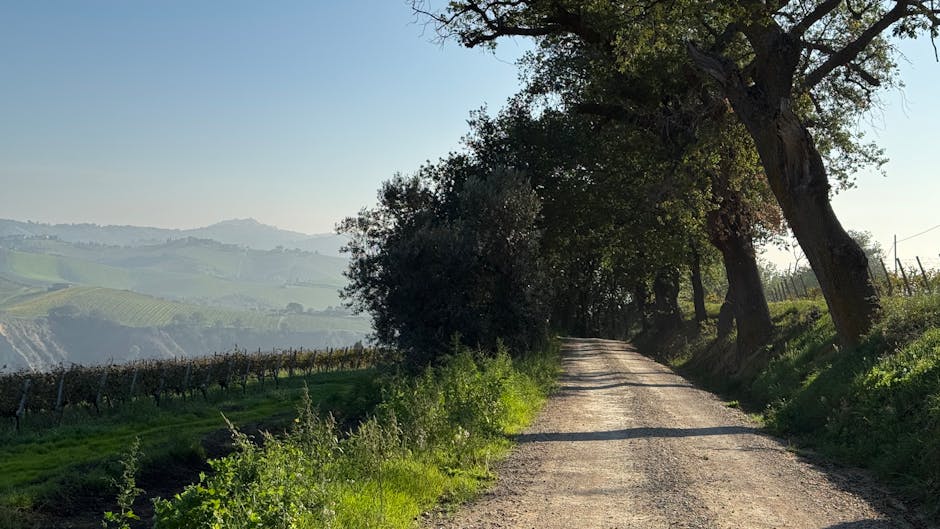
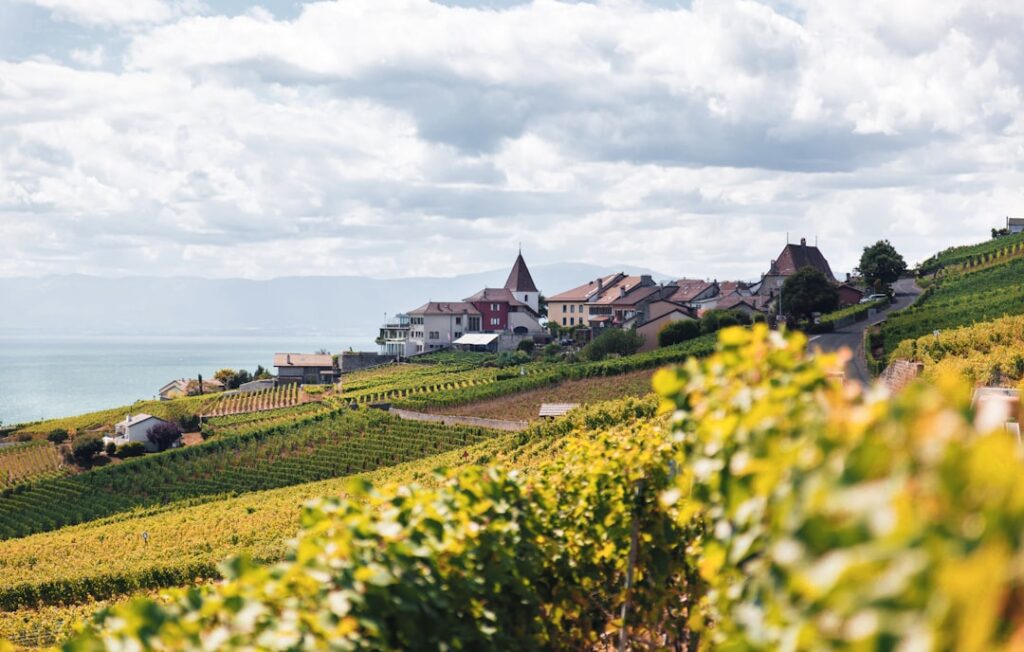
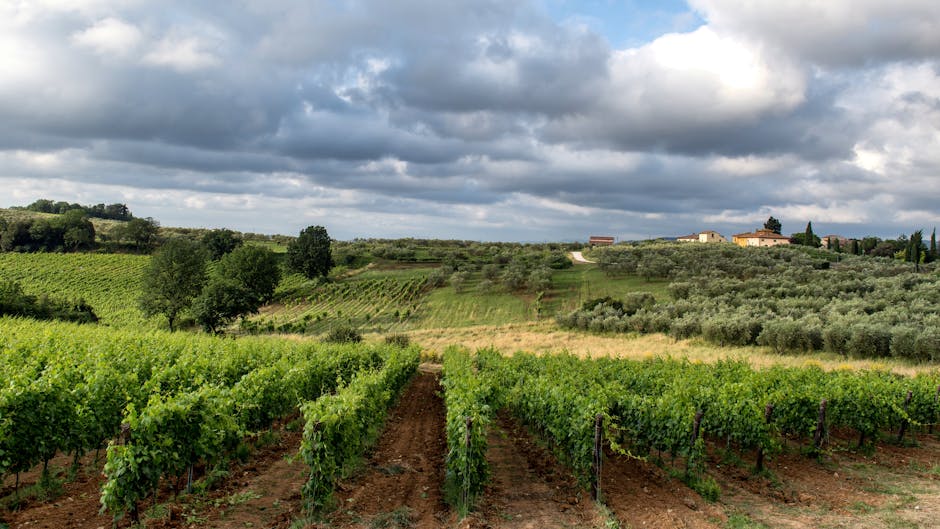
Umbria, the green heart of Italy, often lives in the shadow of Tuscany and other famous regions, but it boasts a long, authentic winemaking tradition full of character. Gentle hills dotted with olive trees and cypresses, marl and volcanic soils, and a continental climate tempered by altitude produce distinctive wines: aromatic, deep reds from Sagrantino and Sangiovese, fresh rosés, and elegant whites such as Grechetto and Trebbiano Spoletino. To understand these wines is to read a landscape shaped by monastic history, small family estates, and carefully tended vineyards.
Perugia, the regional capital perched on a steep hill, is an ideal base for discovering Umbrian wines. The city blends medieval heritage, a lively university scene, and a food culture that embraces the region’s wine riches. In Perugia you’ll find enoteche (specialty wine bars), restaurants offering refined food-and-wine pairings, and independent wine shops that host tastings and wine events. In this guide I offer a practical, sensory dive: descriptions of the region’s signature grapes and styles, exact addresses in Perugia to taste and buy bottles, typical prices, opening hours, and local tips to make the most of your visit.
This guide is aimed both at curious newcomers who want to get to know Sagrantino di Montefalco, Grechetto, and Orvieto Classico, and at experienced wine lovers looking for precise tasting spots. You’ll find recommendations for quick in-town tastings, places for a full food-and-wine dinner, and contacts to arrange longer wine outings to nearby vineyards (Montefalco, Torgiano, Orvieto). I focus on practical details: full addresses, opening windows, and typical tasting fees (prices in euros) so you can plan your route without surprises.
Key vineyards and grape varieties of Umbria
To know where and why to sample certain wines in Perugia, start by getting familiar with Umbria’s main grapes and appellations. Three names keep coming up in any serious tasting: Sagrantino di Montefalco, Orvieto Classico, and whites made from Grechetto and Trebbiano Spoletino. Sagrantino is an indigenous grape—powerful and tannic—often aged in barrels or oak to soften its tannins. Sagrantino di Montefalco DOCG wines show black fruit, spice, sometimes licorice, and excellent aging potential. You’ll mainly find them in the Montefalco area, roughly thirty kilometers southeast of Perugia.
Orvieto Classico DOC is Umbria’s historic white appellation, located to the west near Orvieto. Traditionally a blend of Trebbiano Toscano and Grechetto, Orvieto can be fresh, floral and very accessible, or more structured when Grechetto dominates. Grechetto itself is a local variety capable of producing whites with bright acidity, notes of apple and herbs, and sometimes a nearly creamy texture that supports moderate aging.
Other grapes and styles deserve attention: Sangiovese produces lively, characterful reds, and Montefalco Rosso DOC (often a blend with a small percentage of Sagrantino) offers a softer alternative to pure Sagrantino. There are also dessert wines and passiti (dried-grape wines) made by selecting ripe bunches for intense aromatic concentration. Around Perugia you’ll meet traditional producers as well as modern winemakers experimenting with short macerations, amphora aging, and biodynamic practices.
Must-visit wine bars and enoteche in Perugia for in-town tastings
Perugia offers several spots to taste Umbrian wines in a friendly or more formal setting. Here’s a curated selection with addresses, opening hours and typical tasting prices for on-site visits.
- Enoteca Properzio — Via dei Priori 32, 06121 Perugia PG. Opening hours: Monday–Saturday 11:00–23:00, Sunday 12:00–19:00. Tasting: three-regional-wine platters from €12; guided tasting (4 wines, 45 minutes) €25. Description: located in the historic center, this enoteca acts as both shop and wine bar; strong focus on Sagrantino, Orvieto and local producers. Tip: book the guided tasting— it often includes a small platter of Umbrian specialties.
-
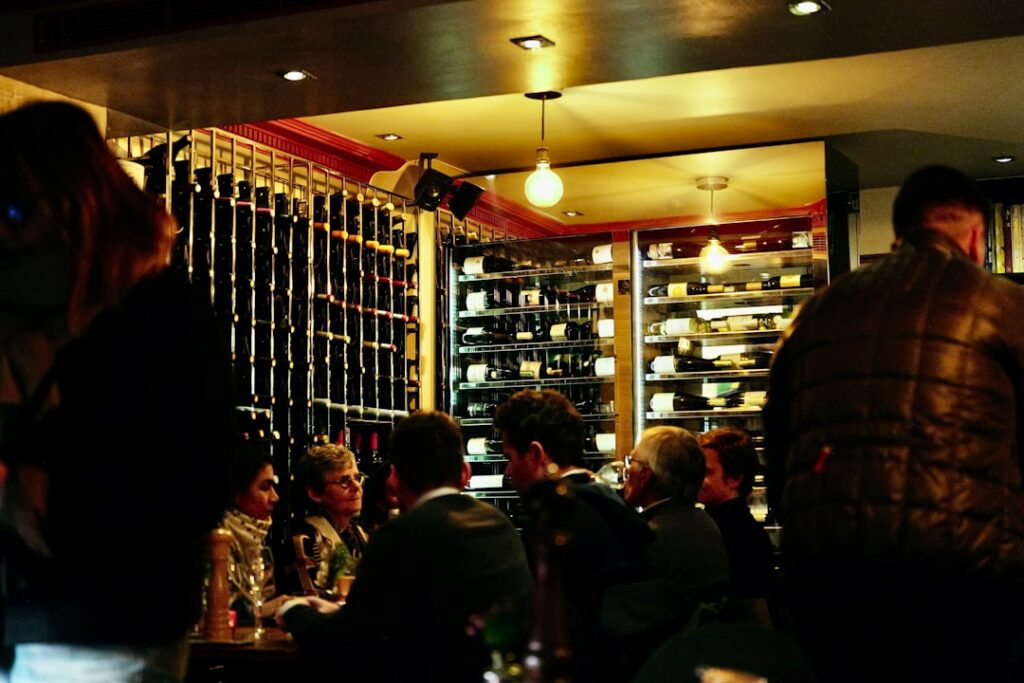
Il Cantiniere – Wine Bar & Shop — Corso Vannucci 45, 06123 Perugia PG. Hours: Tuesday–Sunday 10:30–01:00, closed Monday. Tasting: a glass of Sagrantino from €6; 3 x 50 ml flight €14. Description: modern vibe, young staff—great for an informal tasting after a day of sightseeing. Local tip: ask for a pairing with a « crostino con fegato » (local liver crostini) to fully appreciate the wine’s acidity and structure.
-
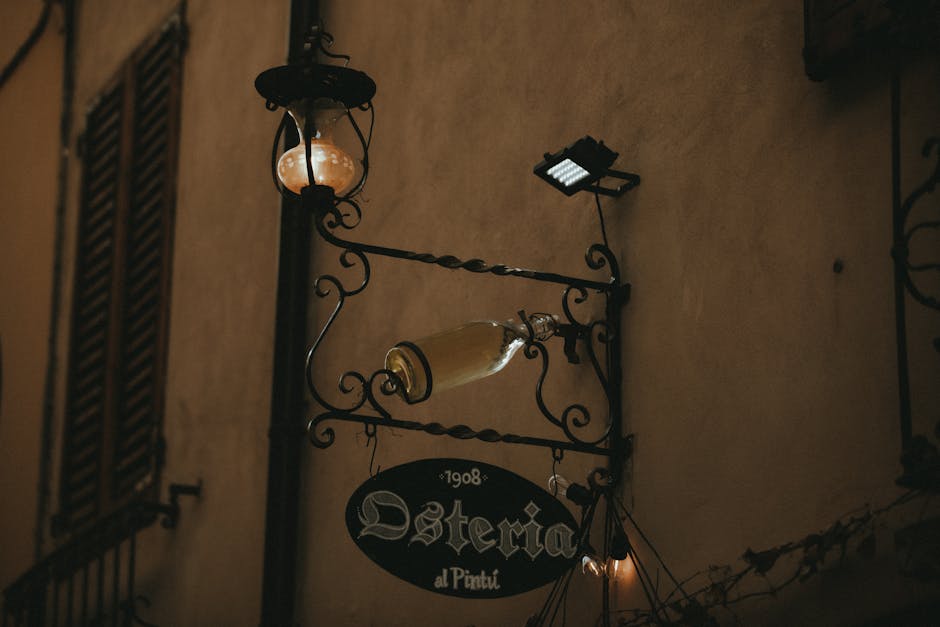
Osteria a Priori – Enoteca — Piazza IV Novembre 8, 06123 Perugia PG. Hours: daily 12:00–15:00 and 19:00–23:30. Tasting: glass of Grechetto €5; discovery menu 4 wines + snacks €28. Description: a historic venue near the Fontana Maggiore, traditional cuisine and a well-stocked cellar. Tip: perfect for a wine-centered dinner focused on Umbrian pairings.
-
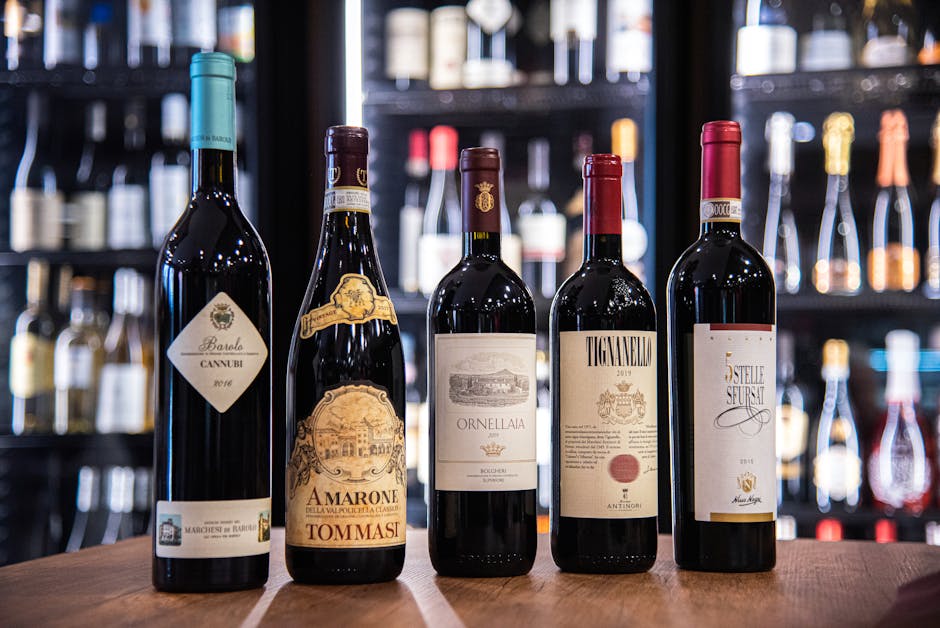
Enoteca Regionale dell’Umbria – Punto Vendita — Via della Borsa 18, 06036 Montefalco (regional point often present in Perugia during events). Opening hours vary according to events in Perugia; in the Montefalco shop 09:00–13:00 / 15:00–19:00 (closed Sunday). Tasting: thematic tastings €15–30 depending on number of samples. Description: the official structure that brings together regional producers; ideal for a comparative session Sagrantino vs Montefalco Rosso. Tip: check their event calendar and fairs to see when they have a booth in Perugia.
Prices and hours listed are averages you can verify on site; they vary with season and special events (wine festivals, Umbria Jazz, etc.). For weekend evenings, book ahead—especially places near Corso Vannucci and Piazza IV Novembre.
Wineries, estates and organized tastings around Perugia
If you have extra time in Perugia, a half- or full-day trip to the surrounding vineyards is well worth it. Many estates offer visits with tastings and let you see the vines, cellars and winemaking techniques. Here are a few estates within easy reach of Perugia, with addresses, prices and practical tips.
-
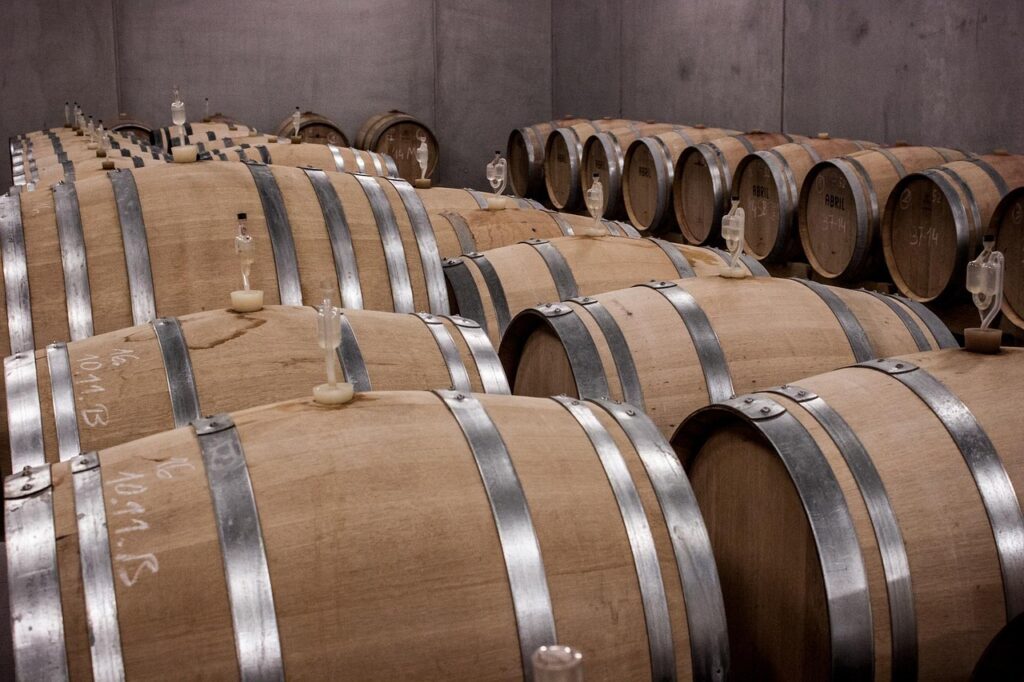
Arnaldo Caprai — Località Piano della Fiera 60, 06036 Montefalco (about 35 minutes by car from Perugia). Cellar hours: guided visit and tasting by reservation 10:00–18:00 (closed some holidays). Prices: visit + 3 wines €20; full visit + 6 wines €40. Description: one of the emblematic producers of Sagrantino di Montefalco, known for careful aging and long-lived cuvées. Tip: book a vertical tasting if available to follow Sagrantino’s evolution with age.
-
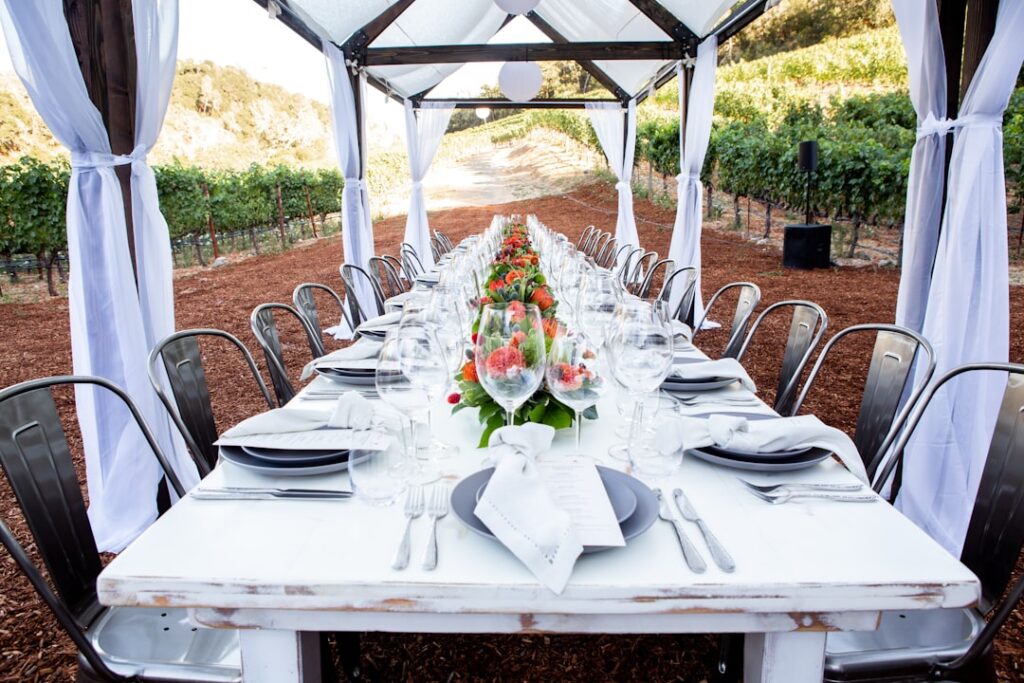
Tenuta Castelbuono — Strada Castelbuono, 06055 Torgiano PG (around 30 minutes from Perugia). Hours: visits by reservation 09:30–17:30. Prices: guided tasting €18–35 depending on the formula; farmhouse lunch on request €35–60 per person. Description: historic estate in Torgiano, near Perugia, renowned for Grechetto wines and olive groves. Tip: combine the visit with lunch to fully appreciate pairings with local cheeses, cured meats and olive oil.
-
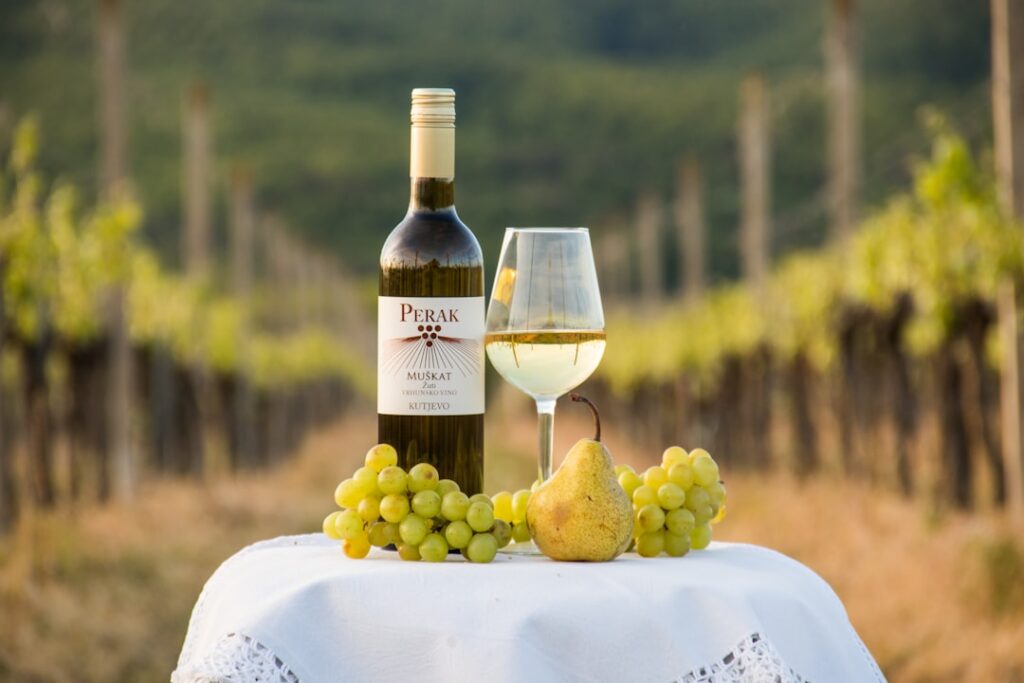
Cantina Fratelli Pardi — Via Fonti S. Paolo 12, 05018 Orvieto TR (approximately 1 hour from Perugia). Hours: visits 10:00–17:00 (reservation recommended). Prices: Orvieto Classico tasting package €12–20. Description: if you want to explore Umbria’s white wines from Orvieto, this area has different soils and another expression of Grechetto and Trebbiano. Tip: combine Orvieto and Perugia in one day for a contrasting experience between Umbrian whites and reds.
Transport: renting a car is the most flexible way to visit these estates; organized tours from Perugia are also available (typically €60–120 per person depending on duration and number of visits). If you plan to drive, alternate drivers or use taxi/transfer services to avoid drinking and driving.
Practical and cultural tips for tasting Umbrian wines in Perugia
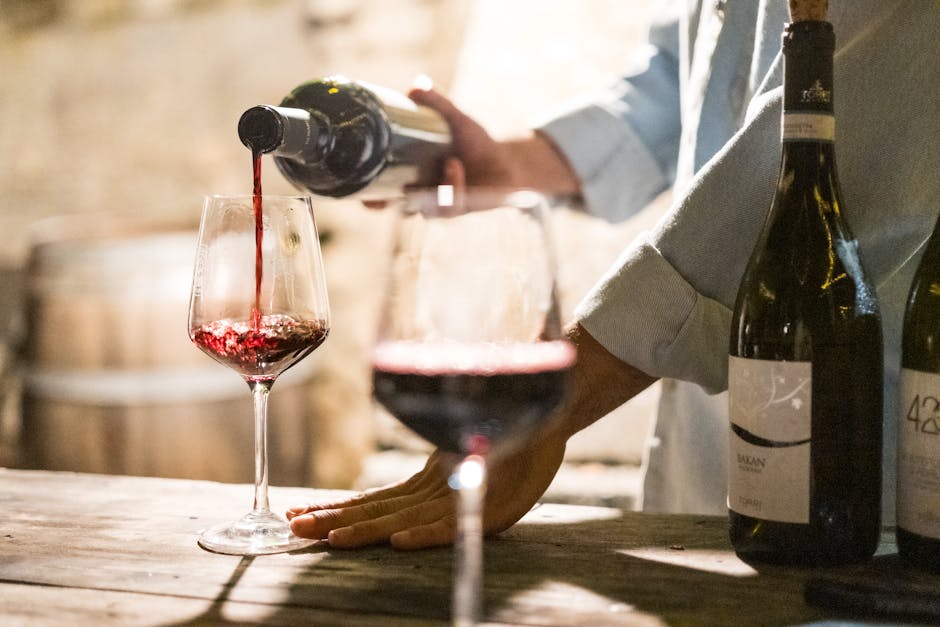
Tasting Umbrian wines in Perugia is more than a flavor experience—it’s a cultural immersion. Here are concrete tips to get the most out of your tastings, interact with locals and bring bottles home safely.
- Hours and reservations: many wine bars and enoteche open late (until 23:00–01:00); however, guided tastings and cellar visits almost always require prior booking (24–72 hours). Example: Enoteca Properzio (Via dei Priori 32) accepts reservations by phone +39 075 1234567 and by email. Check cancellation policies to avoid fees.
- Budget: expect to pay between €5 for a standard glass (125–150 ml) and €25–45 for a full guided tasting or a vertical. Bottle prices in enoteche vary widely: entry-level Sagrantino €15–25, newer cuvées and prestigious vintages €40–120.
- Food pairings: Umbria shines with rustic dishes: local cured meats (prosciutto, capocollo), aged pecorino, truffles (autumn season), and sautéed mushrooms. Tip: a young Sagrantino pairs brilliantly with saucy dishes, game stews or aged cheeses. Grechetto whites match freshwater fish, creamy pasta dishes and vegetable antipasti.
- Purchasing and transport: if you buy bottles to take home, check for vacuum packing or wooden crates for air travel. Many enoteche offer international shipping; rates vary (e.g. EU shipping ~€25–60). For European travelers, buying directly at the winery during a visit can sometimes give you a producer price.
- Language and interactions: in most enoteche and wineries staff speak English and often some basic French. To build rapport, mention you came to Perugia to explore the wine scene and ask the sommelier for their favorite regional bottle—you’ll often get an informal extra taste.
Conclusion: Make the most of Umbria’s wines from Perugia
Perugia is an excellent base for exploring Umbria’s wine riches. The city offers a tempting mix of specialized enoteche, friendly wine bars and easy access to renowned estates like Montefalco and Torgiano. Wandering the historic center—from Corso Vannucci to Piazza IV Novembre—you can arrange quick tastings or head out for more immersive half-day vineyard experiences.
Plan tastings ahead, especially if you want cellar visits (Arnaldo Caprai, Tenuta Castelbuono and other local estates) or guided tastings in town. Keep a flexible budget: a glass in the city typically costs €5–10, while a guided tasting or full cellar visit ranges from €20 to €50 per person. Remember that the best way to learn is by comparing: taste a flight of young Sagrantino and an older one, or contrast an Orvieto Classico with a more concentrated Grechetto.
Finally, let the locals lead you. The Perugini are proud of their terroir, and sommeliers and shop owners love to share discoveries and stories. Enjoy the recommended spots in this guide (Enoteca Properzio, Il Cantiniere, Osteria a Priori) and be open to spontaneous micro-tastings at markets and seasonal events. When you head home, you’ll leave with more than bottles—you’ll bring back a clearer sense of the diversity and depth of Umbrian wines: wines that express a discreet but intensely characterful land.