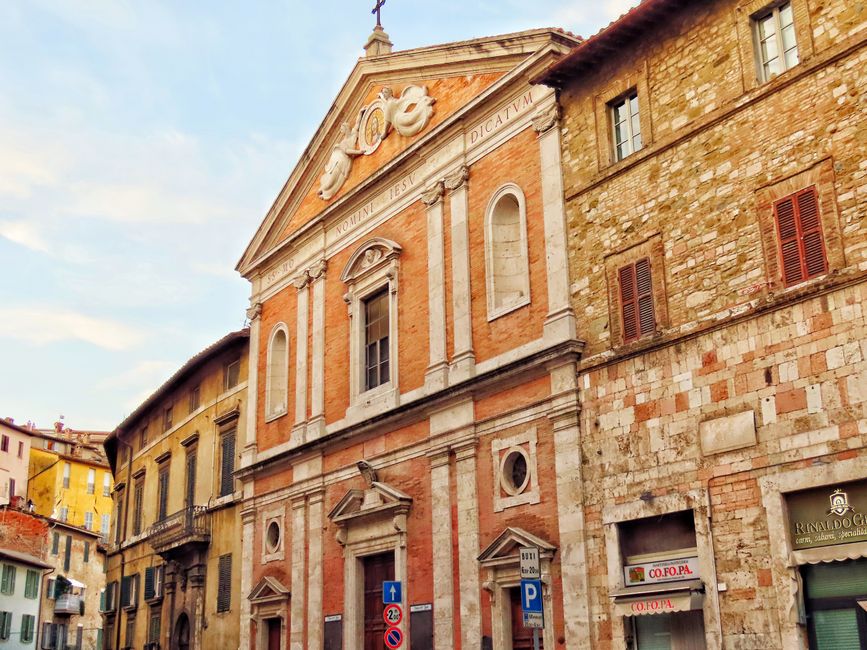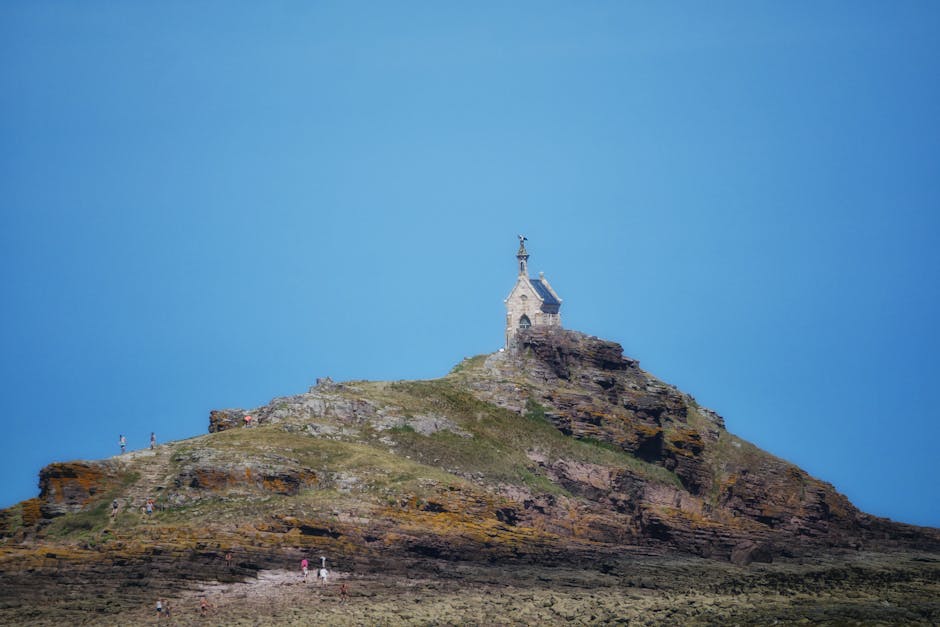






Introduction: Tiny chapels, big feelings in Perugia
Perugia, the capital of Umbria, is famous for its medieval alleys, the Piazza IV Novembre and the splendid Galleria Nazionale dell’Umbria. But tucked away from the major sights are humbler spots — small chapels, oratories and sanctuaries — that pack an astonishing artistic and spiritual punch. These compact spaces, sometimes squeezed between two buildings or hidden in a cloister, reveal intimate frescoes, finely worked altarpieces, gilded stucco and an acoustics that can turn silence into a tangible emotion. For curious travelers, seeking out these chapels offers an alternative route that uncovers Perugia’s quieter soul.
This practical guide will walk you through several of these chapels, giving hands-on information (exact addresses, opening hours, admission fees) and immersive descriptions to help you prepare for each visit. You’ll also find local tips to make the most of your encounters with these small sanctuaries: the best times to avoid crowds, how to show respect, how to approach a moment of contemplation, and where to extend the experience with a coffee or a cozy trattoria. Each chapel featured below was selected for its unique character — whether artistic, historical, or sensory — and is described with the care of a local guide.
These chapels tell stories: municipal patrons, devout confraternities, local and foreign artists who painted walls with devotion. The sometimes-restored frescoes offer surprising windows into medieval and Renaissance faith in a city that has guarded its heritage. The modest scale brings a human presence to the fore: an altar, a Virgin, a crucifix — objects that, beyond their religious value, speak of art applied to the everyday lives of Perugia’s residents.
This guide favors a sensory approach: how light filters through a high chapel window, how the wood of an old door has been polished by centuries of hands, what hint of wax and incense may still linger in the air. It also includes concrete details: official addresses, opening times as published by local offices and institutions, entrance prices in euros when applicable, and suggestions to prolong the visit (nearby museums, recommended cafés, walking routes).
Finally, keep in mind that some chapels are attached to active parishes, religious institutes or museums and that their hours can shift because of liturgical celebrations, restorations or temporary exhibitions. The tips in each section will help you anticipate these variations and enjoy a respectful, emotion-rich experience.
Cappella del Cambio — a miniature treasure inside the Palazzo dei Priori
The Cappella del Cambio (Chapel of the Cambio) is often described as Perugia’s hidden jewel. Located within the Palazzo dei Priori, its exact address is Via delle Volte, 3, 06123 Perugia PG, Italy. This small chapel is renowned for frescoes by Pietro Vannucci, known as Perugino, and for carved decorations that once adorned the room of the moneychangers (cambisti) — the city’s guilds of bankers and merchants.
Hours and tickets: access to the Cappella del Cambio is managed in conjunction with the Galleria Nazionale dell’Umbria (Piazza IV Novembre, 06123 Perugia). Usual opening times: Tuesday to Sunday, 9:00–19:00 (seasonal Sunday early closures at 14:00); closed on Mondays. Indicative admission: €5.00–€10.00 to access the museum area that includes the chapel (discounts for students and seniors). Check the Galleria Nazionale dell’Umbria website or the tourist information office on Piazza IV Novembre for up-to-date hours.
Immersive description: step into the chapel and you’re struck by the harmony of colors and the gentle expressions painted by Perugino. The space is compact — only a few meters deep — yet every wall becomes a stage for allegorical figures, prophets and biblical scenes. Soft lighting highlights the gilding and the geometric patterns on the ceiling. Being so close to the frescoes lets you appreciate the delicate brushwork and the fine incisions. Silence comes naturally here: the chapel invites close-looking and quiet attention to small details (a cherub, a drapery fold, an inscription) that reveal the patrons’ exacting taste.
Local tip: arrive early to avoid tour groups that circulate during peak visiting hours. Don’t touch the artworks; flash photography is often prohibited but non-flash photos may be allowed — check the signage. Combine this visit with a stroll around Piazza IV Novembre and the Fontana Maggiore nearby for a full immersion in the historic center.
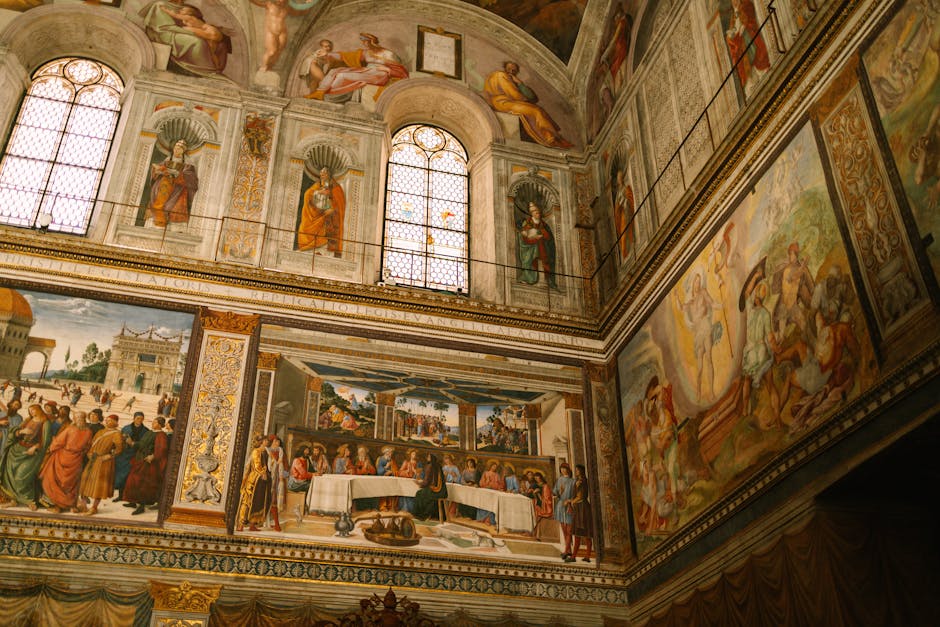
Oratorio di San Bernardino — devotion and color in the upper town
The Oratorio di San Bernardino (Oratory of Saint Bernardino) is a modest but vibrant expression of popular devotion in Perugia. Address: Via del Seminario, 06123 Perugia PG, Italy (near the Basilica di San Domenico and the diocesan archives). This oratory is tied to the figure of Saint Bernardino of Siena, who features strongly in Umbrian piety.
Hours and tickets: the Oratorio di San Bernardino often follows the schedule of the local parish. Indicative visiting times: Tuesday to Saturday, 10:00–12:30 and 15:00–17:00; closed during Masses and patronal feast days. Entrance is usually free, though a voluntary contribution (€1.00–€3.00) for upkeep is appreciated.
Immersive description: the oratory reads like a small Baroque theater: colorful altarpieces, time-worn woodwork, and ex-votos hung on the walls. Natural light filters through high windows, shaping the saints’ faces and casting halos across the wooden pews. The main room is narrow; the altar, often covered with an embroidered veil, commands attention. You’ll feel a tangible closeness to the local community: chairs, candles, tiny votive plaques — all elements that tell personal stories.
Local tip: if your visit coincides with a Mass, stay to listen to the singing — the communal voice gives the space a different dimension. Art lovers should look for signs of restoration; some frescoes show overpaintings from 20th-century conservation campaigns. Afterward, head to Piazza San Francesco al Prato or Via dei Priori for an espresso or a hot chocolate in a traditional caffetteria.

Cappella di San Severo — intimacy and mystery inside the Palazzo dei Priori
The Cappella di San Severo is another small chapel within the Palazzo dei Priori, sometimes opened for cultural events or guided visits. Administrative address: Piazza IV Novembre, 1, 06123 Perugia PG, Italy (often entered via the courtyard of the Palazzo). Smaller than the Cappella del Cambio, it rewards seekers with a hushed atmosphere and preserved works.
Hours and tickets: access may be included with combined tickets for the Palazzo dei Priori / Galleria Nazionale; openings follow the exhibition and guided-visit calendar. Typical visiting times: Wednesday to Sunday, 10:00–13:00 and 15:00–18:00. Indicative price: €3.00–€8.00 depending on the route chosen. Check with the Palazzo dei Priori cultural information office for exact hours.
Immersive description: the Cappella di San Severo feels like a jewel box where time slows down. Walls covered with motifs and local iconography tell a devotion that’s often more community-rooted than that of larger chapels. The compact space focuses attention on a few paintings and a renovated altar. The waxed wood of the doors and the stone steps bear the marks of centuries of use. Often there’s a faint scent of candles and incense — evidence of ongoing liturgical life.
Local tip: opt for a guided tour to better understand the iconographic episodes and recent restorations. Local guides know anecdotes about the patrons and how the spaces were used through the centuries. If the chapel is closed, ask Palazzo staff whether a brief opening can be arranged — in high season, this is sometimes possible for small groups.
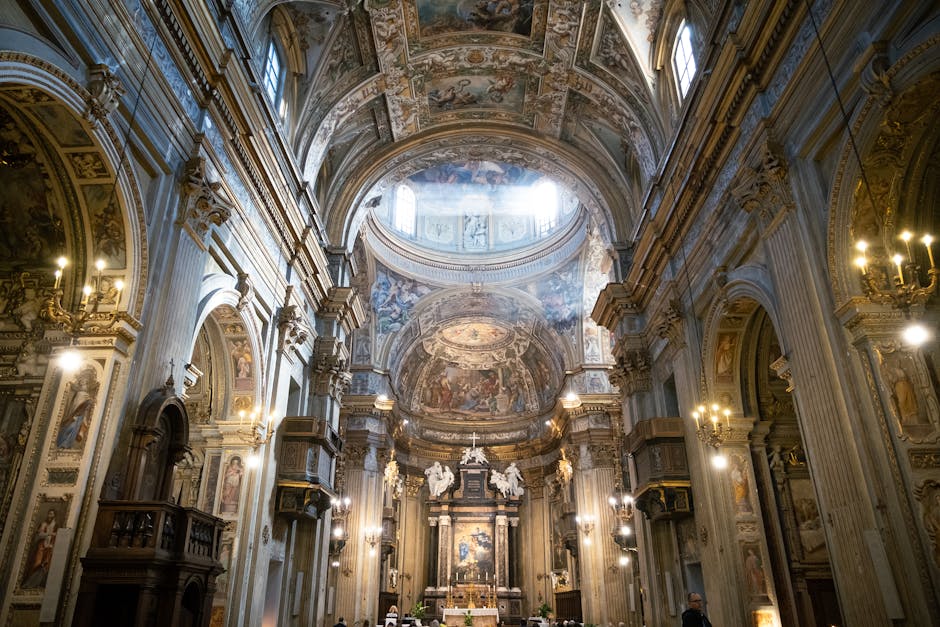
Minor chapels in cloisters: San Domenico’s cloister and beyond
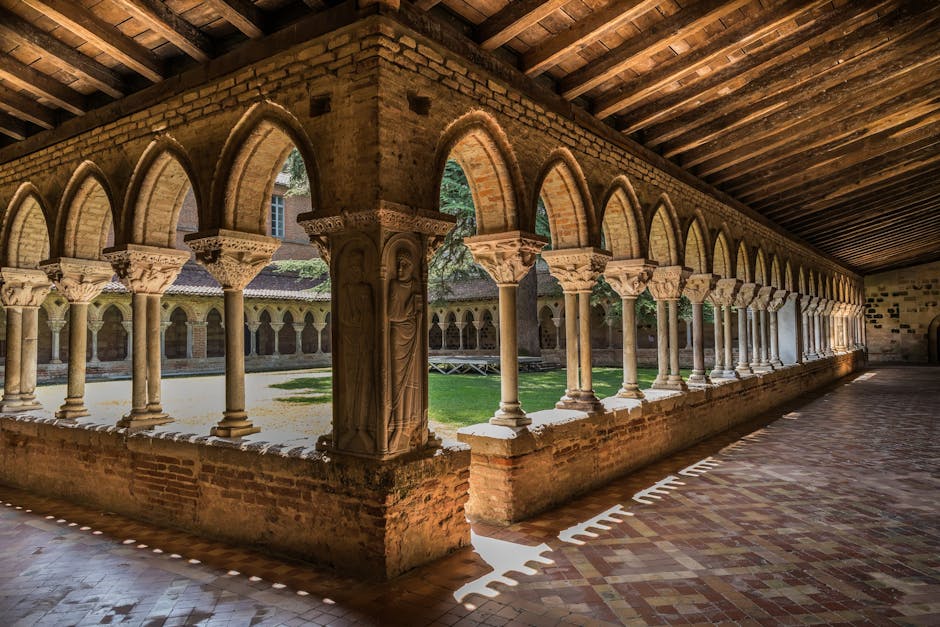
Perugia’s cloisters often hide tiny chapels or prayer cells that are less known to the general public but rich in history and art. Among these is the cloister attached to the Basilica di San Domenico (Piazza San Domenico, 06121 Perugia PG, Italy), and former convents turned into museums, which preserve miniature chapels sometimes accessible only on request.
Hours and tickets: the Basilica di San Domenico is open to the public; typical hours: 8:00–12:30 and 15:00–19:00 (may vary during celebrations). Access to some cloisters is free, while other sections may be part of temporary exhibition tickets (€3.00–€6.00). Check the information panels at the entrance or ask volunteers on site.
Immersive description: in these cloisters, contemplation reveals itself in every detail: eroded columns, stone arcades, mosaics worn by time and stone benches where monks once gathered for prayer. The small chapels, often sized for ten worshippers at most, preserve modest altars, wooden statues and ex-votos. The creak of a door or the distant sound of a Mass adds a particular resonance to the visit.
Local tip: photographers should aim for the hours when light spills through the arcades (late morning or late afternoon). Respect spaces often used for prayer: keep quiet and avoid flash photography. If you can, attend a morning office to experience the unique acoustics of a small oratory.
Hidden urban chapels: walking routes for close-up discoveries
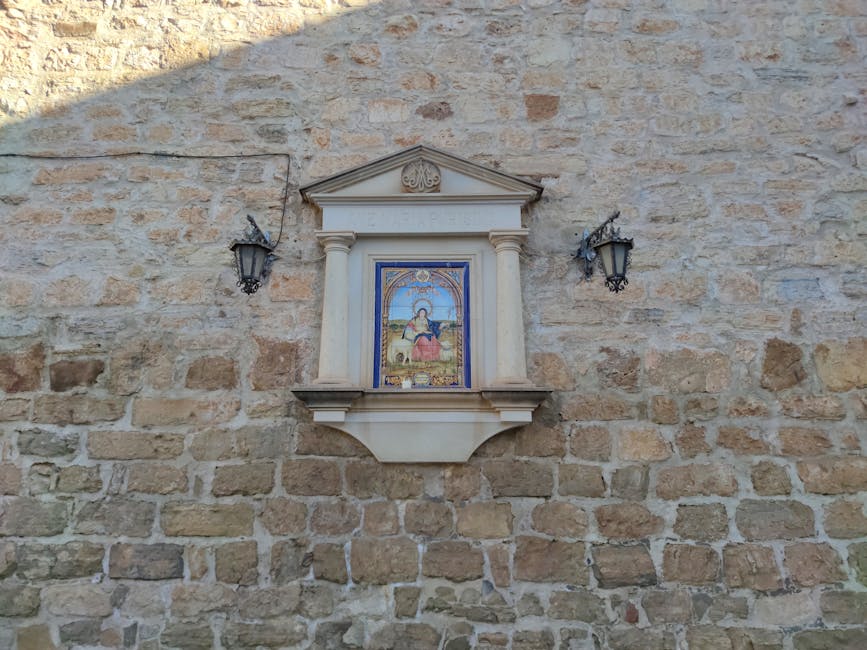
Beyond the chapels tied to palaces and major basilicas, Perugia brims with small urban chapels waiting to be found while wandering. These spots tend to sit in neighborhoods like Corso Vannucci, Via dei Priori and the side lanes. Look for confraternity chapels tucked behind modest facades, street oratories and votive niches.
Hours and tickets: most of these urban chapels don’t have fixed visiting hours: they’re visible from the street or accessible during daytime. Visits are usually free. Note: some are tucked behind gates that close in the evening, so plan your strolls for daytime.
Immersive description: hunting these chapels means following a less formal map: a painted niche set into a façade, a small door opening onto a miniature altar, a Renaissance altarpiece scaled down to a shop-window size. Many were funded by local families or confraternities, and their inscriptions, dates and coats of arms remain legible to those who know where to look. They tell of religion in daily life — not pilgrimage sites so much as prayer stops in the urban routine.
Local tip: grab a map of the historic center and let chance guide you; the walk between Corso Vannucci and the Rocca Paolina can yield unexpected finds. For a suggested route: start at Piazza IV Novembre, head up Corso Vannucci, explore Via dei Priori and turn onto Via dell’Acquedotto to spot several oratories in about half an hour of slow walking. Bring a guidebook or download local maps to spot commemorative plaques and dates.
Liturgical life and small chapels today: contemporary uses and events
Perugia’s small chapels are not just relics: many are active, hosting Masses, prayers and patronal festivals. Local confraternities sometimes organize processions, annual celebrations and sacred music concerts in these intimate spaces — events that showcase the city’s cultural and religious vitality.
Hours and tickets: to find specific services, contact the relevant parishes or the Vicariate of Perugia; most Masses are free. Some concerts or guided visits held inside chapels may have fees (€5.00–€15.00 depending on the event). Sunday services remain the best time to experience living liturgy.
Immersive description: attending a service in a small chapel changes the way you perceive ritual: the closeness of worshippers, the human warmth, and the resonance of the human voice in a compact, reverberant space create a powerful sensory experience. Gregorian chants, polyphonic singing or a simple recited prayer in such reduced volumes can be deeply moving — often underestimated by hurried visitors.
Local tip: check with the parish house for schedules of Masses and concerts. If you plan to attend a ceremony, dress respectfully (shoulders covered, avoid very short shorts). After the service, don’t hesitate to greet parish staff — that often opens up interesting conversations and can lead to access to chapels that are usually closed.
Conclusion: why these little chapels deserve your attention
Perugia’s small chapels tell another story of the city — one of details, local communities, and private moments of faith and art. In a tiny volume they combine architecture, painting, sculpture and social practices. They offer intimate experiences that larger tourist hubs often can’t provide, and discovering them can deeply enrich your stay.
Visiting these chapels means slowing down and looking closely. The addresses, hours and prices in this guide give you a practical framework for planning your route, but the real reward comes from paying attention to material traces — a half-erased inscription, a lingering gilding, a chair smoothed by touch — and to the living practices of the people who use them. By showing respect (quiet, no-flash photography, modest dress), you’ll allow the sacred and human character of these spaces to shine through.
To extend the experience after your visit: sit in one of the many cafés in the center (Corso Vannucci or Piazza Morlacchi), enjoy a cioccolata calda or a cappuccino, and let your impressions unfold. Wander without a strict plan, seek a discreet doorway, follow a cloister and allow the city to reveal more chapels, niches and oratories. Perugia’s tiny chapels rarely reveal themselves at first glance; they reward gentle curiosity and attention to detail.
Finally, remember that these places are alive: their hours can vary, openings may be cyclical and restorations can temporarily limit access. Check with local offices or tourist information centers (Ufficio Informazioni Turistiche, Piazza IV Novembre) for updates. Above all, let yourself be carried by emotion: in these modest spaces, art and devotion meet to create moments of intense feeling — tiny chapels, big feelings.