





Introduction — Why a seasonal shopping guide for Perugia?
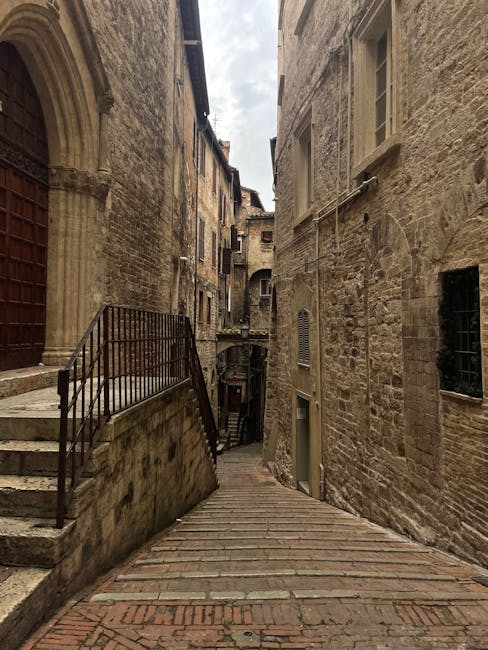
Perugia, the capital of Umbria, is a hilltop medieval city where each season is written into the feel of the cobbled streets, the light on the walls and, most notably, the variety on offer at markets, artisan shops and local producers. Knowing when to buy what in Perugia isn’t just about saving money: it’s a way to experience the city from the inside, enjoy the best produce, avoid tourist crowds and support the local economy. This guide, aimed at curious travelers and thoughtful shoppers, gives clear seasonal markers, concrete addresses, typical opening hours, indicative prices and practical tips to make the most of your shopping in Perugia.
In winter, Corso Vannucci’s lanes breathe with the warmth of cafes and chocolate shops; in spring, markets brim with fresh herbs and wild asparagus; summer is festival season and a time for artisan gelato, while autumn turns the surrounding countryside into a bounty of mushrooms, truffles and robust wines. Shopping in Perugia isn’t just buying things: it’s choosing textures, flavors and objects full of history. That might be a jar of honey from the hills around Assisi, a handcrafted leather bag bought from a maker on Via dei Priori, or a chunk of aged pecorino from the covered market. Knowing when to come back, which market to visit and how to haggle (when appropriate) will let you bring home souvenirs that truly tell the story of the region.
This guide is useful to several kinds of visitors: the passing tourist who wants local specialties, the expat learning the best months to stock up, the craft collector hunting for open workshops, and the home cook eager to discover seasonal products. For every season you’ll find specific places (with addresses), usual opening times, indicative prices (in euros) and hands-on tips: which stalls to visit at the Mercato Coperto, which antique shops to browse on Corso Vannucci, where to find the best Perugina chocolate, and how to spot authentic extra-virgin olive oil. Where hours or prices may vary (local festivals, holiday periods), I point to reliable references and contacts so you can check directly.
Mid-article you’ll find detailed seasonal sections explaining which products to prioritize, the best markets and shops, shopping routes with exact addresses and local tricks for negotiating, transporting and storing your purchases. Practical info such as monthly market days, typical hours (morning vs. afternoon), and price ranges (entry-level to premium) will help you budget. Finally, the guide suggests experiences to complement your shopping: cooking workshops, producer visits, tastings and seasonal fairs.
Shop in Perugia according to the seasonal rhythm and you’ll bring home more than objects: you’ll bring back stories, flavors and lasting images of Umbria. This guide invites you to discover the city month by month with concrete landmarks, precise addresses and insider tips that turn each purchase into a meaningful memento.
Spring (March to May) — Fresh markets, herbs, asparagus and light textiles
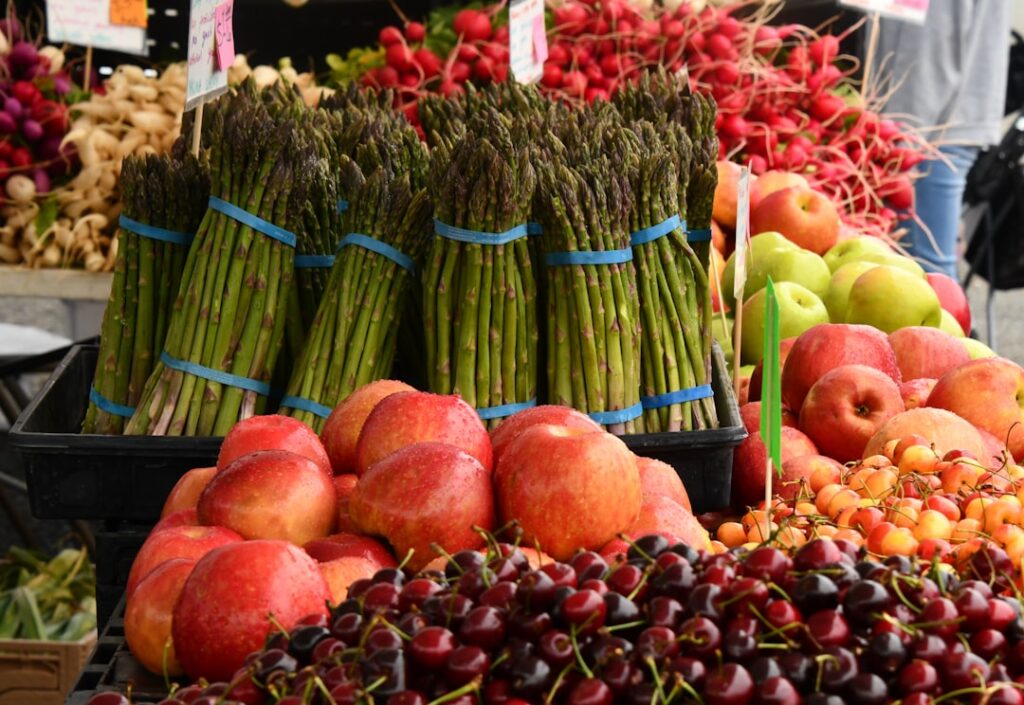
Spring is when Perugia wakes up. Temperatures are mild (average 10–20 °C), terraces reopen and markets fill with fresh herbs, wild asparagus, soft cheeses and lightweight textiles. It’s the perfect time to buy food items meant to be eaten quickly—at home or on a picnic along the city walls—as well as spring fashion pieces from local designers.
Where to buy:
- Mercato Coperto di Perugia — Via della Vetreria, 9, 06121 Perugia PG, Italy. Hours: Monday to Saturday 08:00–14:00, closed Sunday (check holiday hours). This covered market brings together fruit and veg stalls, butchers, cheesemongers and a fishmonger. Indicative prices: wild asparagus €6–12/kg depending on quality; bunches of fresh herbs €1.50–3.00; fresh cheeses (100–300 g) €3–8.
- Piazza Matteotti Market (street market) — Piazza Matteotti, 06121 Perugia PG, Italy. Open Tuesday and Saturday mornings, 07:30–13:00. You’ll find textiles, wickerwork and fresh produce. Prices: linen scarves €15–35; woven baskets €10–40 depending on size.
- Shop “Il Fruttivendolo di Porta Eburnea” — Via dei Priori, 12, 06123 Perugia PG, Italy. Hours: 08:00–13:00 and 16:30–19:30 (closed Sunday). Specializes in organic produce from the region. Prices: organic produce baskets (500 g) €4–10 depending on contents.
Buying tips:
- Get there early: the best asparagus and first strawberries sell out before 10:30. Market sellers are usually more willing to explain a product’s origin in the morning.
- Ask for “di stagione”: seasonal produce tastes better and is priced more fairly. A local grower will often tell you the field or village where the product was grown.
- Light textiles: favor the shops on Corso Vannucci (Corso Vannucci, 06121 Perugia PG, Italy) for pieces by Umbrian designers. Prices: local t-shirts €20–50, linen dresses €45–120 depending on the brand.
Recommended experiences:
- Herb-and-oil workshop: several small producers near Via Giulia (Via Giulia, 10, appointments recommended) offer workshops (€30–60 per person) to learn how to preserve herbs and aromatics.
- Spring cheese tasting: the cheesemonger “Caseificio F.lli Rossi” (Via Roma, 88, 06121 Perugia PG) offers cheese boards for €8–15 and advice on choosing young or aged pecorino.
Transport and storage:
For fragile items (asparagus, strawberries), use insulated bags or ask the seller for cardboard boxes. Products bought in the morning can be kept 24–48 hours in the fridge; for fresh cheeses, wrap them in specialty paper and consume within 3–5 days. If you buy textiles, check the wash label (100% linen vs blends) to avoid shrinkage.
Summer (June to August) — Summer produce, artisan gelato, festivals and light fabrics
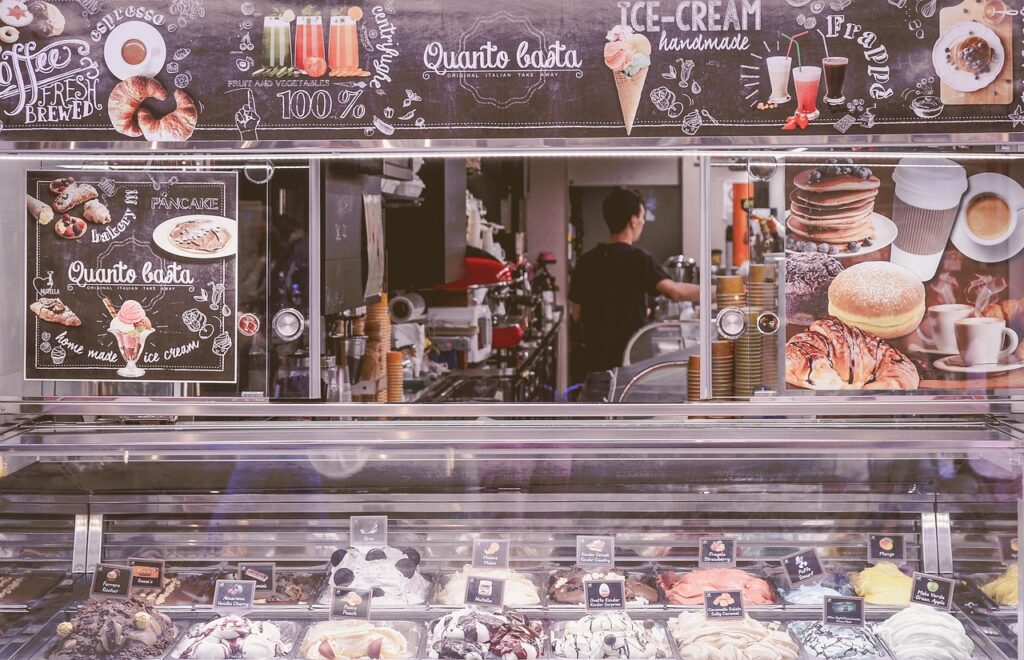
Summer in Perugia buzzes with festivals, open-air concerts and lots of tourist activity. It’s also tomato, zucchini, eggplant and peach season, and the time for artisan gelato. Craft shops often open later into the evening and morning markets are still the best time to find fresh produce before the midday heat.
Addresses and markets to favor:
- Gelateria La Romana Perugia — Corso Vannucci, 9, 06121 Perugia PG, Italy. Hours: 12:00–23:00 (hours may vary in July/August). Prices: gelato cup €2.50–4.50; single cone €1.50–3.00.
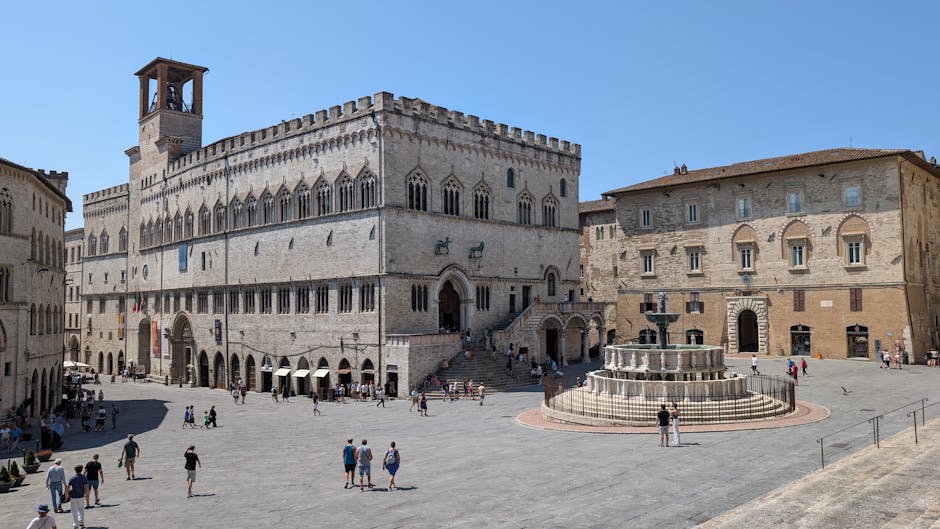
- Mercato di Piazza IV Novembre — Piazza IV Novembre, 06121 Perugia PG, Italy. Occasional summer markets and events (food fair, concerts). Producers’ stalls sell homemade jams (€3–6 for a 250 g jar), heirloom tomatoes €2–4/kg and peaches €2–5/kg.
- Shop “La Bottega del Tessuto” — Via Baglioni, 4, 06121 Perugia PG, Italy. Summer fabrics and small local dressmakers. Hours: 09:30–13:00 and 16:30–20:00. Prices: printed cotton meters €10–25/m; made-to-measure dresses €80–200.
Buying tips and local tricks:
- Gelato: choose artisan gelaterias—look for signs reading “gelato artigianale” and fresh ingredients. Avoid places with overloaded display cases and greasy textures (signs of excess additives).
- Events: take advantage of sagre (village fairs) around Perugia—nearby towns like Deruta or Torgiano hold ceramics and wine festivals where you buy directly from producers. Sagre often have very competitive prices: taste and negotiate on the spot.
- Textiles: shop in the morning or late afternoon to try items in comfort. Local tailors sometimes accept rush orders (24–48 hours) for an extra fee (€30–50).
Seasonal items to bring home:
Homemade summer jams (apricot, peach), basil-infused oils (250 ml: €6–12), dried herbs for winter (small sachets €2–6), and of course gelato to enjoy on the spot for the full summer vibe. To transport jams or preserves, pack them carefully and keep them in carry-on if you’re flying.
Autumn (September to November) — Truffles, mushrooms, wines and warm textiles
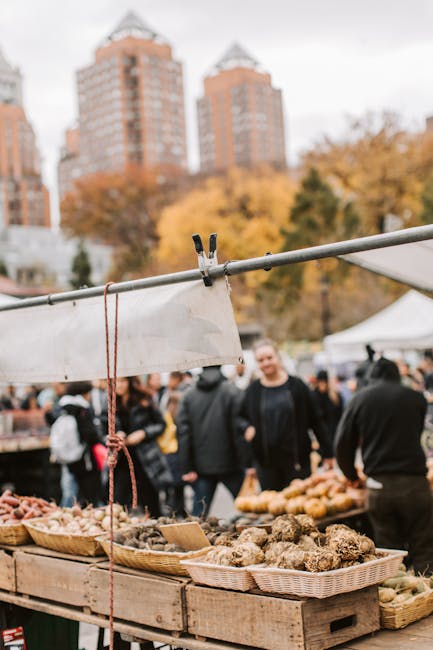
Autumn is often seen as the most noble shopping season in Umbria. The hills around Perugia produce white and black truffles, porcini mushrooms, olives for pressing into new oil and the grape harvest. Artisan shops bring out warmer textiles: wool sweaters, blankets and leather goods. It’s also fair season, with many food exhibitions and local product shows.
Places to visit:
- Fiera Nazionale del Tartufo (truffle fair) — events take place across Umbria; information and calendars are available at the Ufficio Turistico di Perugia, Piazza Italia, 5, 06124 Perugia PG, Italy. Tourist office hours: 09:00–18:00. Prices: fresh truffles (by size) €80–300/100 g for white truffle in season; black truffle €25–80/100 g. Prices vary greatly depending on size and quality.
- Mercato delle Erbe — Piazza San Francesco — Piazza San Francesco, 06121 Perugia PG, Italy. Market specialized in seasonal products, mushrooms and local wines, open Saturday morning 08:00–13:00. Dried mushrooms €15–35/100 g; fresh porcini €20–45/kg depending on availability.
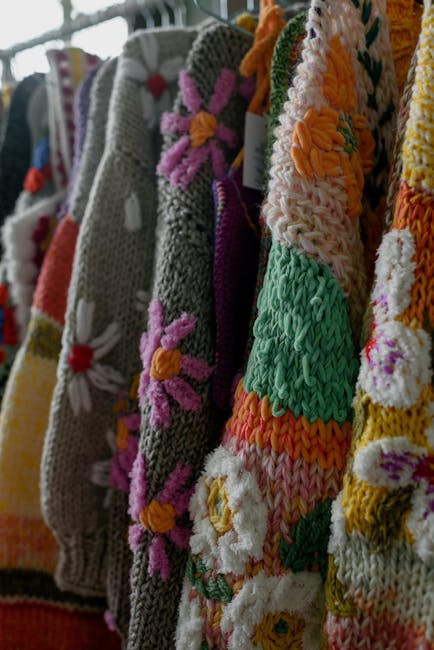
- Shop “Lanificio Umbro” — Via Bonazzi, 7, 06123 Perugia PG, Italy. Knitting workshop and local wool for sale. Hours: 09:30–13:00 and 15:30–19:00 (closed Monday afternoon). Prices: wool sweaters €60–180; throws €80–220.
Pro tips:
- Check the origin: for truffles and mushrooms, markets often feature direct sales by local producers—ask about provenance and, for high-value truffles, request certificates of origin where possible.
- Storage: consume fresh mushrooms within 48 hours; truffles should be wrapped in absorbent paper and eaten as soon as possible. Truffles preserved in oil or sauce (sealed jars) travel easily and cost around €15–40 per jar (100–200 g depending on preparation).
- Wines: buy bottles under Umbria DOC labels (Sagrantino di Montefalco, Torgiano Rosso Riserva) at local wineries such as Enoteca delle Cantine di Torgiano (Via Guglielmo Oberdan 2, 06089 Torgiano PG, Italy): bottle prices €8–40 depending on denomination and aging.
Must-do experiences:
Join a mushroom-foraging excursion with a local guide (€40–80 per person for a half-day) to learn how to identify and harvest safely. Autumn fairs (September–October) have stalls selling truffles and preserves directly from producers. For textiles and leather, take time to visit the workshops on Via dei Priori and Via della Pergola for unique, sometimes made-to-measure pieces.
Winter (December to February) — Chocolate, handcrafted gifts, Christmas markets and preserved goods
Winter turns Perugia into a glittering setting, especially around Christmas. It’s the perfect season to buy chocolate, preserved specialties (honey, jams), local ceramics and handcrafted gifts. Temperatures can be chilly (0–10 °C); shops stay open but hours may be reduced on public holidays, so plan accordingly.
Must-visit addresses:
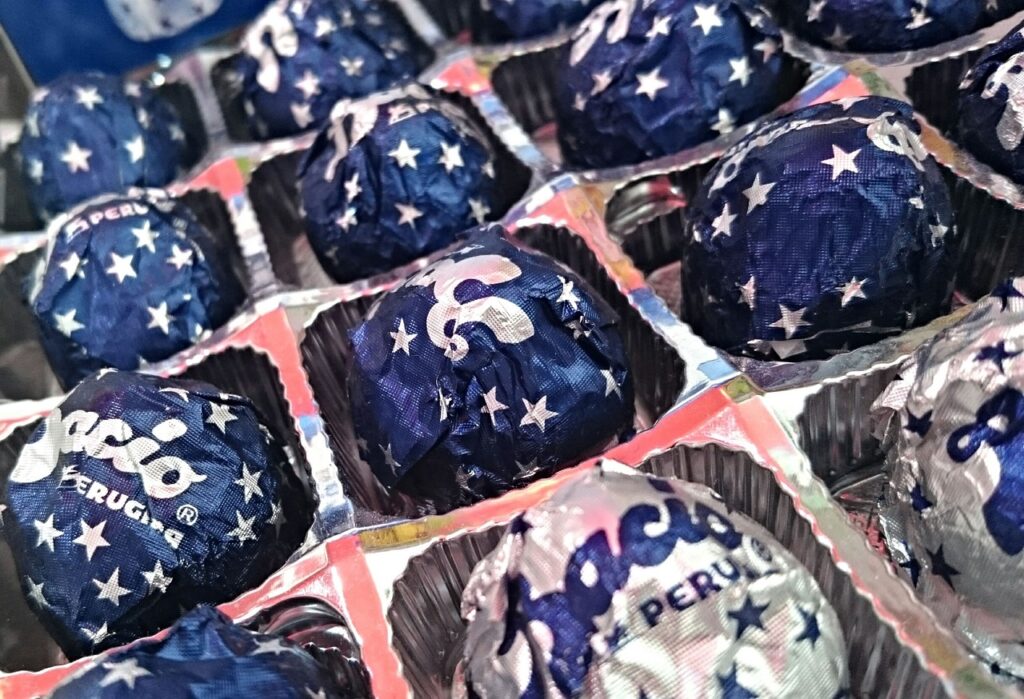
- Perugina Chocolate Museum (Casa del Cioccolato Perugina) — Via del Tabacchificio, 1, 06132 San Sisto, Perugia PG, Italy (Perugina’s official chocolate site and shop). Hours: 10:00–18:00 (closing times vary in December—check online). Prices: museum + tasting ticket €8–15; boxes of Baci Perugina €3–12 depending on size.
- Mercatino di Natale (Christmas Market) — Corso Vannucci — Corso Vannucci, 06121 Perugia PG, Italy. Typically in December, with artisan stalls, decorations and food products. Prices: handmade decorations €5–50; wooden toys €10–40.
- Antica Drogheria “G. Bianchi” — Via dei Priori, 22, 06121 Perugia PG, Italy. Family-run shop specializing in spices, preserved herbs and jams. Hours: 09:00–13:00 and 16:00–19:00, closed Sunday. Prices: jars of honey 250 g €5–12; herb preparations €4–8.
Buying tips:
- Christmas offers: markets and shops often sell gift boxes and limited editions (chocolates, flavored oils). Compare prices and ask whether gift wrapping is available (many do it for free during the season).
- Heavy items: if you buy bottles of oil or large chocolate boxes, check whether the shop ships internationally (expect €15–40 shipping depending on weight) or can prepare a secure parcel for you.
- Reduced hours: between Christmas and New Year some shops close on December 24–26 and January 1; plan ahead to avoid surprises.
Local gift ideas:
Boxes of Baci Perugina (€3–12), hand-painted Deruta ceramics (small pieces €10–50, larger pieces €60–300), flavored oils (250–500 ml: €6–25) and gourmet gift baskets assembled by delicatessens (€25–80 depending on contents). Christmas markets are the ideal place to find unique handcrafted items and speak directly with makers about their techniques.
Year-round practical tips — Transport, bargaining, packing and local craftsmanship
Beyond the seasons, some practical rules will help you shop smartly in Perugia and bring your finds home intact and stress-free. Here are concrete tips you can apply at any time of year.
Transport and packing:
- Fragile items: for jars, jams and oils, ask merchants for bubble wrap or newspaper padding. Many shops offer export packing services (€3–10 depending on size).
- Suitcases: put bottles and jars in the center of your suitcase and surround them with clothes. Soft travel bags absorb shocks better. If you fly, remember weight—1 to 3 bottles of oil (0.5–1 L each) can quickly add 2–4 kg.
- Postal shipping: Poste Italiane (Ufficio Postale Perugia Centro, Piazza Italia, 06124 Perugia PG, Italy) offers packing and international shipping. Approximate prices: €25–70 depending on weight and destination (Europe vs rest of world).
Bargaining and ethics:
- Markets: haggling is acceptable for small multi-item purchases (bundles, baskets) but limited for food (prices are often fixed). Be polite: a smile and basic Italian («Buongiorno, posso avere…?») go a long way.
- Crafts: for handmade items the price reflects hours of work—ask about the story behind the object rather than pushing for the lowest price. Buying directly from the artisan (in the workshop) is a far better way to support the local economy.
- Labels and certificates: for extra-virgin olive oil look for DOP (Denominazione di Origine Protetta) or organic labels. For truffles and high-value products, ask about traceability.
Hours and public holidays:
Most shops in the historic center open 09:00–13:00 and 16:00–19:30; some stay open continuously 09:00–19:00. Markets mostly run in the morning (07:30–13:00). Public holidays (Christmas, January 1, April 25, May 1, June 2) often mean partial closures. Check online or call the Ufficio Turistico di Perugia (Piazza Italia, 5) to confirm event hours.
Indicative budget per stay (3–5 days):
- Food souvenirs (oil, jam, chocolate): €25–70
- Crafts (ceramics, textiles, leather): €40–200
- Tastings and workshops: €30–80 per person
By following these tips you’ll optimize your purchases and avoid unpleasant surprises on your return home. The keys are preparation, curiosity and respect for local producers and artisans.
Handy addresses and contacts
- Ufficio Turistico di Perugia — Piazza Italia, 5, 06124 Perugia PG, Italy. Phone: +39 075 572 2222 (verify online). Hours: 09:00–18:00.
- Ufficio Postale Perugia Centro — Piazza Italia, 6, 06124 Perugia PG, Italy. Hours vary: 08:00–19:00 (reduced hours some days).
- Taxi Perugia — Coop. Radiotaxi Perugia, Punto di Ritrovo Stazione, Piazzale Umbria Jazz, 06121 Perugia. Phone: +39 075 572 2222 (24h service often available via a local app).
Conclusion — Shop in Perugia with the seasons
Shopping in Perugia is more than a checklist; it’s following the natural and cultural calendar of a region that lives by harvests, festivals and hands-on craftsmanship. Each season offers its treasures: spring for herbs and light textiles, summer for gelati and open-air markets, autumn for truffles and mushrooms, and winter for chocolate, preserves and handcrafted gifts. Knowing the best places (Mercato Coperto di Perugia, Corso Vannucci, Piazza IV Novembre, the workshops on Via dei Priori), checking opening times and planning packaging and transport will turn purchases into lasting memories.
This guide has given you precise addresses, typical hours, price ranges and insider tips to plan your shopping in Perugia. Remember to verify hours periodically (especially around holidays) and contact local tourist offices (Ufficio Turistico di Perugia) for event or fair details. Prefer buying from producers and local artisans: they offer higher quality and the stories behind every product—so you leave with more than an item: you leave with an experience.
And finally, always follow conservation and transport guidelines, especially for perishables and fragile goods. Whether you’re hunting for a bottle of extra-virgin olive oil, a box of Baci Perugina, an autumn truffle or a handwoven wool sweater, Perugia offers a rich and authentic range—if you know when and where to shop. Happy shopping, and may your Umbrian memories keep you warm long after you return.