





Introduction: Perugia — stone, gold and silence
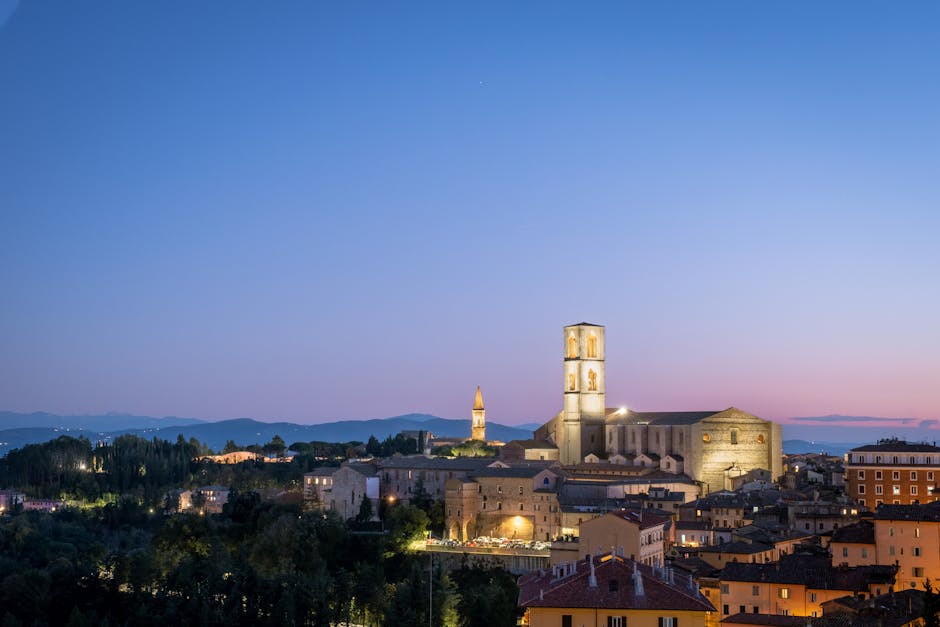
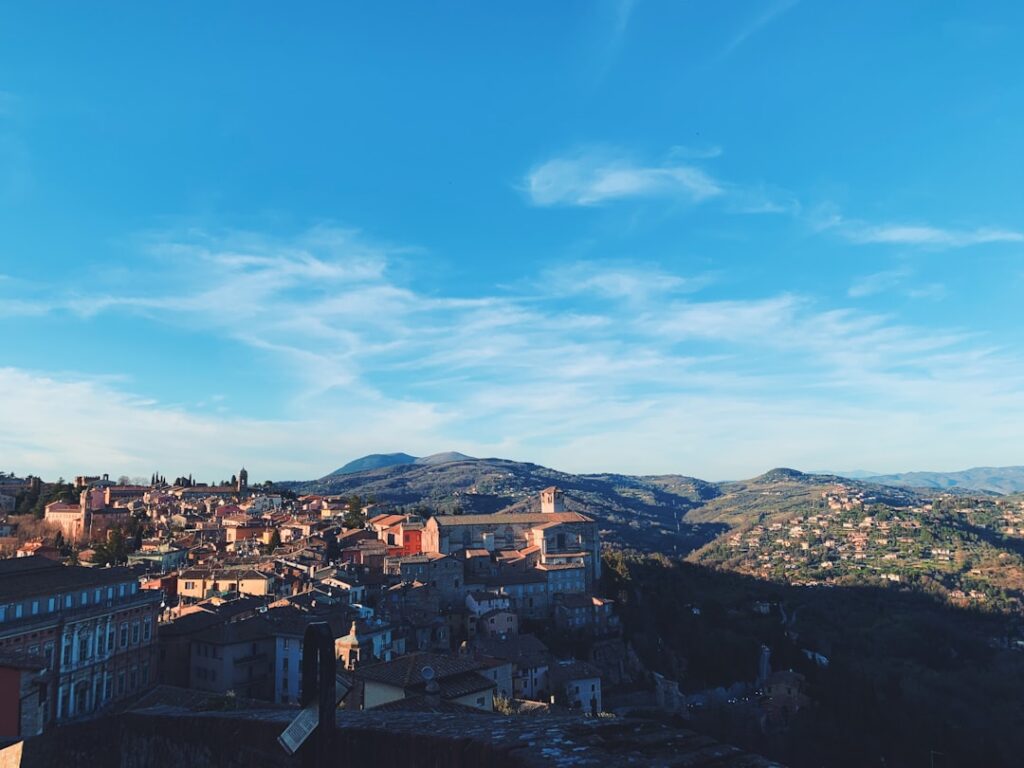
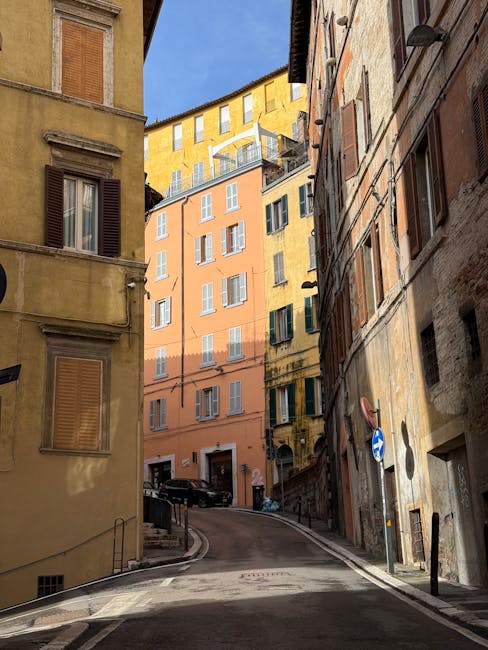
Perugia, the beating heart of Umbria, is a city where history reveals itself down every cobbled alley and each doorway hides a world of sculpture, frescoes and shadow. While many visitors think of Perugia’s Etruscan walls, the Galleria Nazionale dell’Umbria or the lively stretch of Corso Vannucci, the town also guards a quieter, more intimate treasure: its Baroque chapels. These sacred corners, sometimes tucked into massive medieval basilicas, sometimes hidden inside restored palaces or convents, offer a sensory experience that blends ornament, oblique light, carved exuberance and hushed devotion.
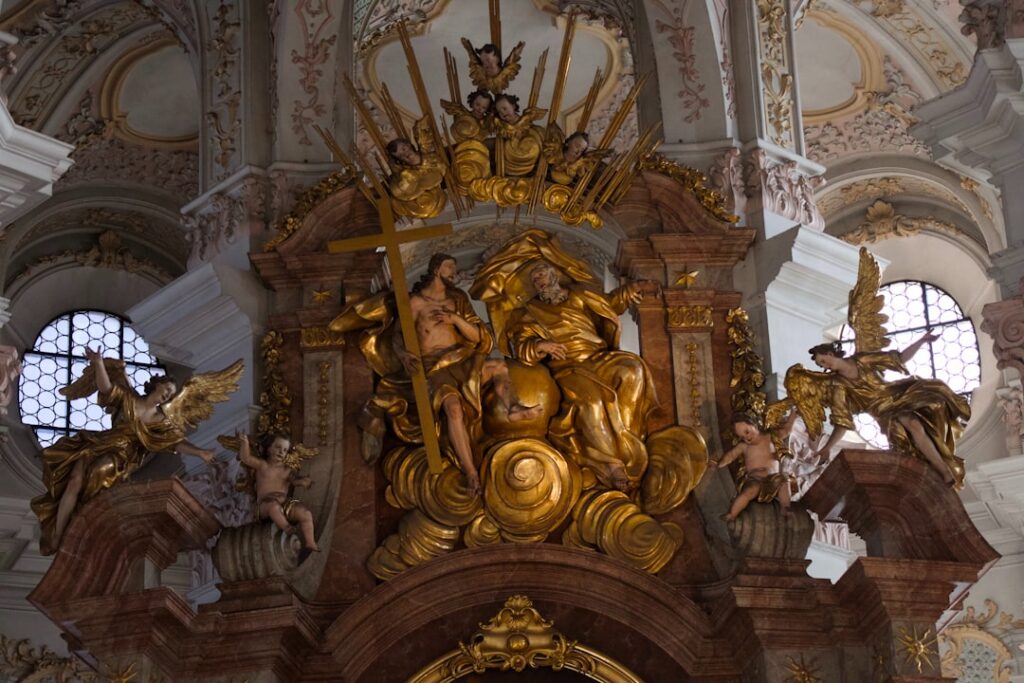
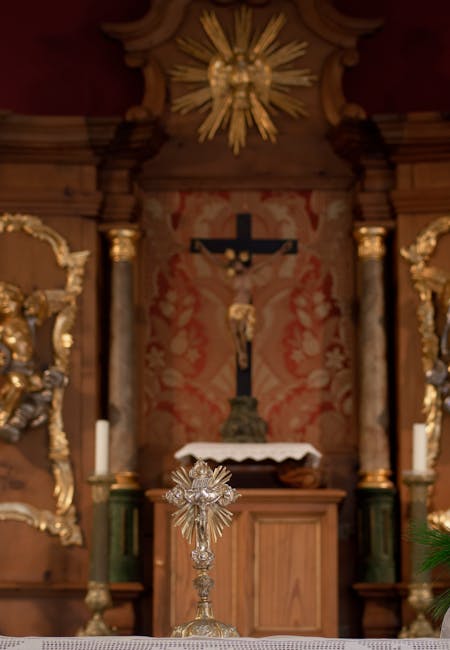
Baroque in Perugia doesn’t always act the same way it does in Rome: it’s often restrained, tailored to local scale and light, yet no less powerful. Subtle gilding, polychrome altarpieces, painted vaults and small side altars create a network of spaces where you move from wonder to contemplation. Many of these chapels were dedicated to local saints or ancient confraternities and were commissioned by influential families and religious orders determined to leave lasting marks on the urban fabric.
For the modern traveler, a sacred route through Perugia offers more than an architectural tour: it’s a walk through the tension between spectacle and faith, surface and intimacy. Following this itinerary you’ll uncover painted and sculpted masterpieces as well as historical inscriptions, aged votive offerings, reliquaries and the shadow plays created by morning light through colored glass. You’ll meet characters too: elderly priests who tend the buildings, volunteer members of local confraternities, and quiet tourists tracing their hands along benches polished by centuries.
This guide lays out an immersive route: the city’s major Baroque chapels on a walkable path, practical tips (hours, prices, exact addresses), advice for photographing without disturbing, and local legends that add a layer of mystery to each gilded ornament. Whether you’re a fan of sacred art, a curious pilgrim or a wanderer seeking off-the-beaten-track places, this guide will help you breathe in Perugia’s Baroque rhythm — shaped by history, art and the secrets the stone still whispers.
The major Baroque chapels of Perugia: where to go and what to see
1. Cappella del Corporale, Cattedrale di San Lorenzo — Piazza IV Novembre, 06123 Perugia. Although the Cathedral of San Lorenzo has medieval origins, its side chapel known as the Cappella del Corporale shows Baroque interventions on the secondary altars and some retables remodeled in the 17th century. Hours: generally open daily from 9:00 to 12:30 and 15:00 to 18:30 (times may vary for services and events). Price: free entry for worship, suggested donation €2–3 for chapel upkeep. Description: step inside the cathedral, feel the bell’s echo, then turn toward the north transept to find an altar trimmed with gilded painting, finely worked stucco and twisted columns — a clear example of how Baroque was integrated into older structures.
2. Chiesa di San Domenico — Piazza Giordano Bruno, 06123 Perugia. Dedicated to Saint Dominic, San Domenico blends Franciscan sobriety with Baroque ornamentation added to the side chapels. Hours: 8:30–12:30 and 15:00–19:00 (occasionally closed for ceremonies). Price: free entry; some chapels may request a small access fee of about €2. Description: the Chapel of Madonna del Rosario inside features a richly gilded altarpiece and stucco work, including typical 17th-century low-relief angels. The spaces are generous, light streams through lateral windows and highlights the gold, producing an atmosphere that is both ceremonial and intimate.
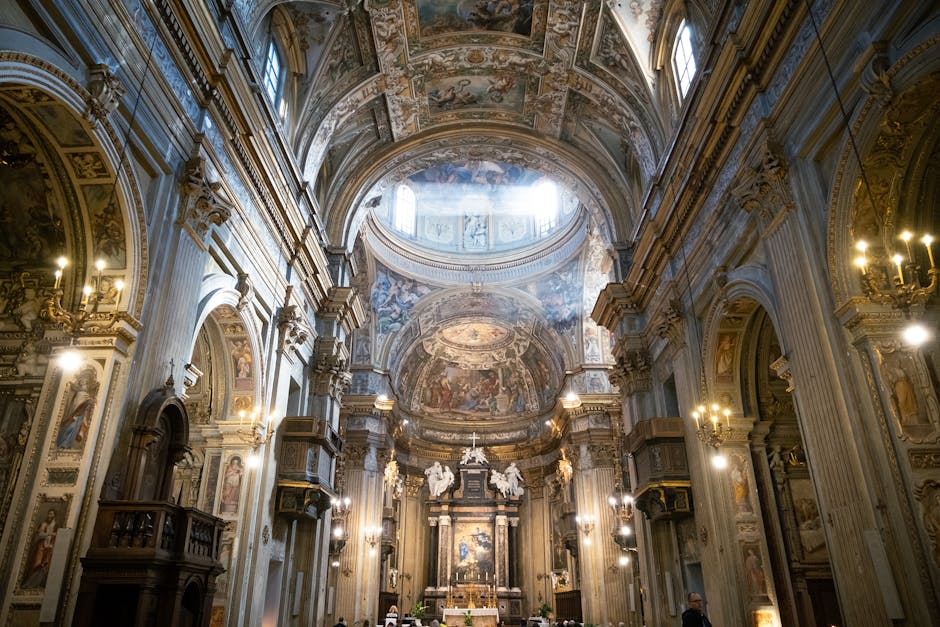
3. Basilica dell’Abbazia di San Pietro — Piazza San Pietro, 06123 Perugia. Perched over a northwest quarter of the old town, the abbey hides several Baroque chapels in its transepts and adjacent oratories. Hours: church visits 9:00–17:00; the abbey may offer guided tours at set times. Price: free access to the church; guided tours €5–8. Description: the Cappella di Sant’Antonio and Cappella del SS. Sacramento display painted wooden panels, stucco and ornate side altars. The contrast between the cloister’s dark stone and the gilded interiors is striking — ideal for anyone who appreciates the meeting of monastic austerity and Baroque jubilation.
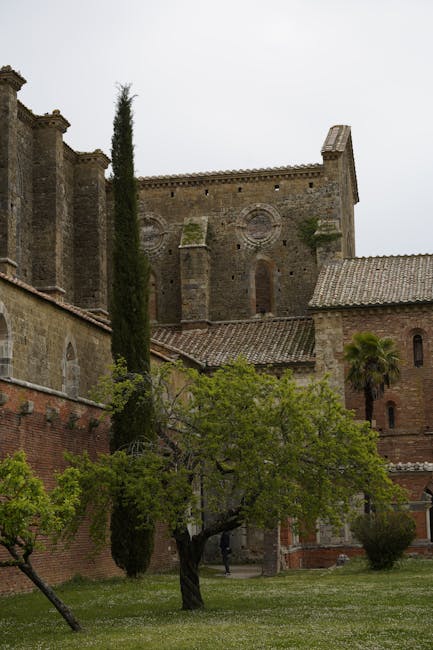
4. Chiesa di San Filippo Neri — Via San Filippo, 06121 Perugia (historic center). Dedicated to the founder of the Oratorians, San Filippo Neri’s church has a richly decorated nave and several Baroque chapels that link faith and theatrical liturgy. Hours: 10:00–12:30 and 15:30–18:30 (may vary with celebrations). Price: free-will contribution; guided tours possible (€3–6). Description: 17th-century alterations include elaborate stuccoes, gilded frames and a carved choir. Here the Baroque staging is especially clear: the liturgy was designed to move the faithful, and the architectural elements heighten that visual drama.
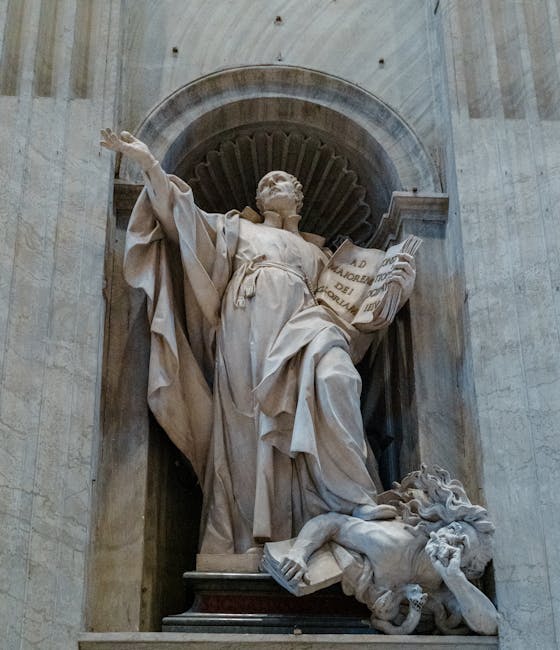
5. Oratorio della Nunziatella / Oratorio del Carmine — Via della Cattedrale 2, 06123 Perugia (cathedral quarter). These small oratories, sometimes less well known, have been preserved by confraternities who installed Baroque painting cycles and polychrome wooden sculptures. Hours: visits by request or during services (check at the sacristy). Price: often free, suggested donation €1–3. Description: the Nunziatella features an Annunciation painted by local masters, framed with stucco and a trompe-l’œil retable — a classic example of the interplay between illusionistic painting and sacred architecture typical of provincial Baroque.
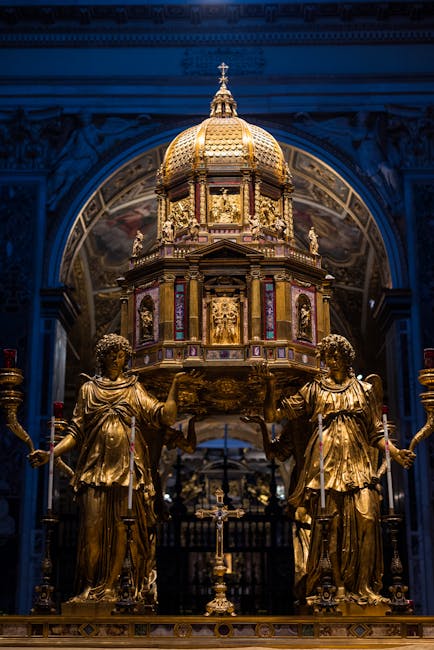
6. Chapels in the Complesso Monumentale di San Pietro — Via San Pietro 27, 06123 Perugia. Beyond the basilica, the complex contains chapels and rooms decorated in Baroque style, often accessible through guided tours. Hours: 9:30–16:30; guided visits by reservation. Price: complex admission €6–10. Description: gilded woodwork, stucco statues and opulent altarpieces make up these spaces. Local guides explain where the works came from and the family patronages that funded these theatrical sacred scenes.
Day-by-day itinerary: a contemplative two-day route
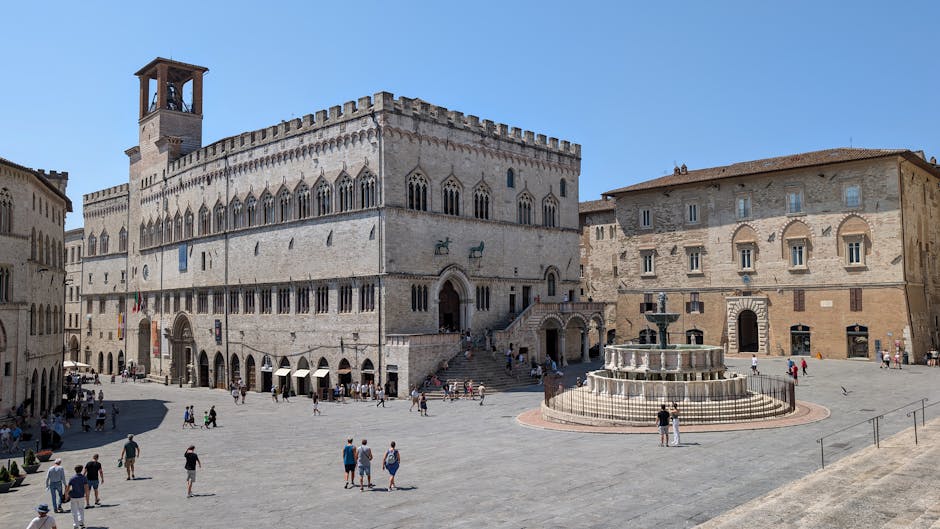
Day 1 — Morning: Start at Piazza IV Novembre, Perugia’s civic and spiritual heart. After a coffee on Corso Vannucci, enter the Cattedrale di San Lorenzo (Piazza IV Novembre, 06123 Perugia). Take your time with the Cappella del Corporale and its side altars. Estimated time: 1h30. Price: free (suggested donation €2–3).
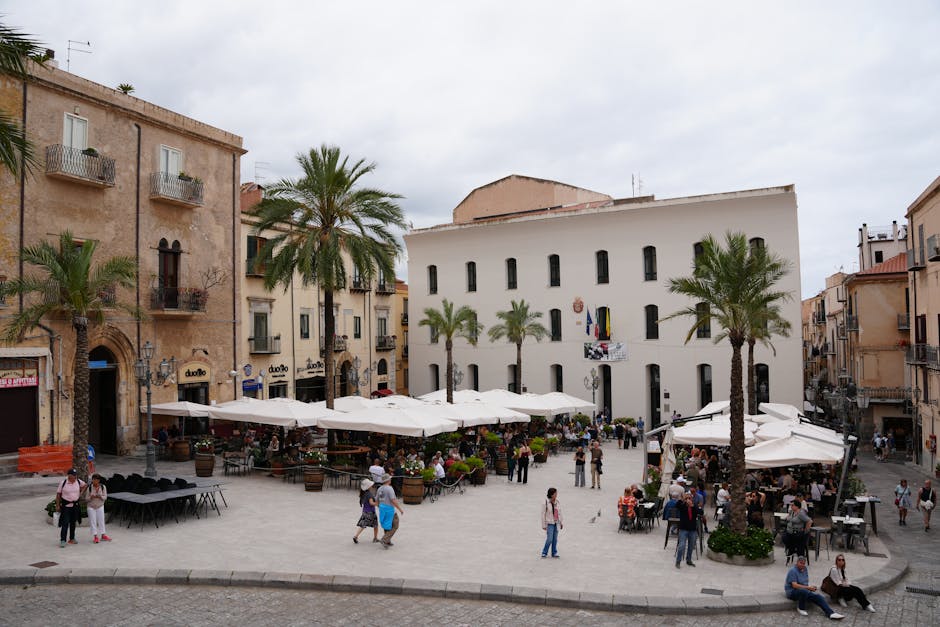
Day 1 — Lunch break: choose a local trattoria on Corso Vannucci; try a slice of porchetta or strangozzi with garlic and olive oil. Afternoon: walk to Chiesa di San Domenico (Piazza Giordano Bruno, 06123 Perugia). Explore the Chapel of Madonna del Rosario and the crypts. Estimated time: 1–1h30. Price: free entry, small donation of around €2 possible. Finish the day wandering around Palazzo dei Priori (Corso Vannucci, 19) — peek at ornamental chapels in municipal buildings (sometimes accessible via the Galleria Nazionale).
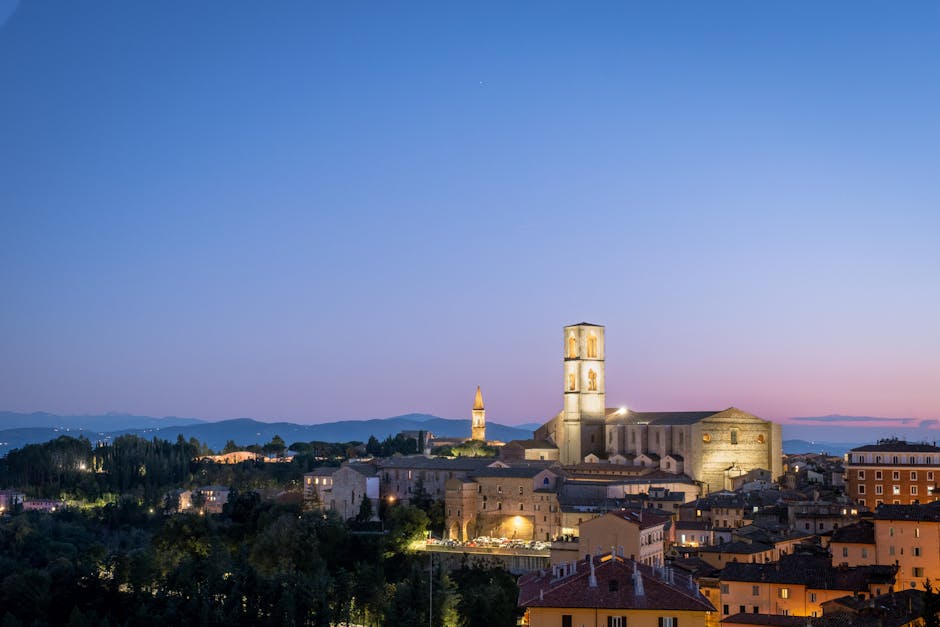
Day 2 — Morning: Head to the Abbazia di San Pietro (Piazza San Pietro, 06123 Perugia). The complex is extensive; reserve a guided tour if you can to reach the monastic chapels. Estimated time: 2h. Price: free church access; guided tours €5–8.
Day 2 — Midday stroll and hike through town: make your way toward the San Filippo quarter and stop at Chiesa di San Filippo Neri (Via San Filippo). Its Baroque interior is ideal for morning photography. Estimated time: 1h. Price: suggested donation €2–4.
Day 2 — Afternoon: finish by visiting the small oratories (Oratorio della Nunziatella, Oratorio del Carmine) around the cathedral and have dinner in a typical osteria. Practical tips: check the oratories’ opening times, as they may be limited to service days; respect rules of silence and no-flash photography. Total time for the route: roughly 6–8 hours spread over two days, allowing moments to stop, pray, listen and look.
Mysteries and legends: the secret spirituality of the chapels
Like many Italian towns with deep religious roots, Perugia is full of folk tales and mysteries woven into the stone. Baroque chapels, in particular, are often the focus of legends that mix real history with collective imagination. One common story among longtime Perugians tells of “lamps that refuse to die”: in a small chapel devoted to the Madonna (often identified as the Nunziatella), candles lit as ex-votos are said to burn longer than normal — interpreted as a sign of divine presence. Local guides love to tell these anecdotes in hushed tones, as if sharing a secret the stone itself keeps.
Another tale concerns the “gate of the watchers” at the Abbey of San Pietro. Tradition says that on certain winter nights the monks left a door open to welcome nighttime pilgrims. Those who prayed through the night reportedly found, at dawn, a makeshift altar with anonymous offerings. Some attribute these apparitions to charitable confraternities, others to inexplicable phenomena. Believer or not, such stories have shaped how Perugians view their city: as a place where sacred history still surfaces, sometimes as a gilded detail or a nearly erased inscription.
There’s also a more artistic side to the mystery: Baroque altarpieces sometimes hide esoteric symbols, perspective games and optical illusions intended to transform the worshipper’s gaze. In Chiesa di San Filippo Neri, for example, the directed use of light and stage-like trompe-l’œil seeks to make the divine presence almost tangible. Art historians talk about a “staging of the sacred” — a deliberate strategy by patrons to turn faith into a visual, immersive experience.
Finally, some local confraternities — those that have maintained the Nunziatella or Carmine oratories, for instance — keep richly annotated private archives (regulations, accounts, donations). These documents, sometimes available by appointment at the sacristy or the diocesan archives of Perugia, record forgotten rituals, nocturnal processions and local miracles. For the curious visitor, asking to see an archive or speaking with a volunteer can reveal extra layers of mystery: nights of prayer, votive objects shaped like personal mementos, stories of healing — all the human details that make Baroque chapels living places, not mere historical displays.
Local practical tips: hours, prices, photography and etiquette
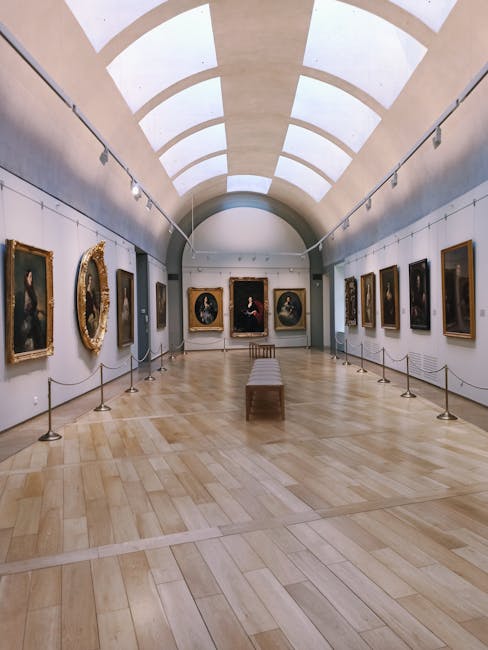
General hours and fees: many Perugia churches and chapels have schedules tied to religious services. As a rule, expect churches to be open around 8:30–12:30 and 15:00–18:30 (times vary with season and parish). Major sites like the Cattedrale di San Lorenzo (Piazza IV Novembre, 06123 Perugia) and the Galleria Nazionale dell’Umbria (Corso Vannucci, 19, 06123 Perugia) have steadier hours: the gallery is often open 10:00–18:00, closed on Mondays, with paid admission (approx. €8–12; discounts for students and seniors). Always check official sites before you go. For religious sites, entrance fees are often symbolic (€0–5) or donation-based; guided tours of abbeys or monastic complexes usually cost €5–12.
Useful addresses (quick reference):
- Cattedrale di San Lorenzo — Piazza IV Novembre, 06123 Perugia.
- Chiesa di San Domenico — Piazza Giordano Bruno, 06123 Perugia.
- Abbazia di San Pietro — Piazza San Pietro, 06123 Perugia.
- San Filippo Neri — Via San Filippo, 06121 Perugia.
- Palazzo dei Priori / Galleria Nazionale dell’Umbria — Corso Vannucci, 19, 06123 Perugia.
- Oratorio della Nunziatella / Oratorio del Carmine — Via della Cattedrale 2, 06123 Perugia (areas around the cathedral).
Photography and respect: many chapels allow photography without flash; others forbid any images. Practical rules: always ask the sacristan before using a tripod or shooting during a service. Avoid flash, which damages old pigments. For the best light, aim for the golden hours (shortly after dawn or before sunset) when natural light highlights gilding and stucco.
Behavior and clothing: dress modestly (shoulders covered, no very short shorts), especially during services. Turn your phone off or put it on silent, walk gently and keep your voice low near prayer spaces. If you attend a Mass, observe the rites without interrupting; filming a ceremony always requires explicit permission.
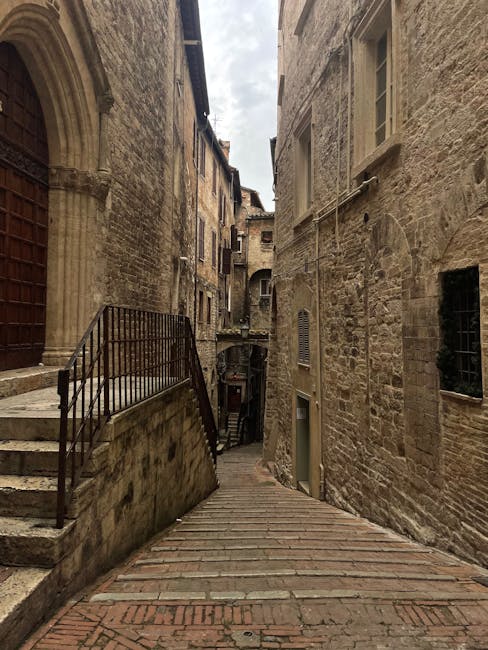
Getting around: Perugia’s historic center is compact but steep. Walk when you can, or use the Minimetro to connect the train station with Piazza Partigiani if you’re coming from outside. Good walking shoes are essential. Bring water and an umbrella depending on the season — the alleys can become slippery after rain.
Extra tips
- Reservations: for guided tours of the Abbazia di San Pietro and the archives, call the sacristy or Perugia’s tourist office (IAT Perugia) ahead of time.
- Markets and crafts: look for traditional ex-votos and rosaries made by local artisans around Corso Vannucci.
- Events: check for religious processions during Holy Week and local feast days — they offer an authentic immersion but can also lead to temporary closures of some sites.
Conclusion: an itinerary for the senses and the soul
Visiting Perugia’s Baroque chapels means slowing down and entering a world where art and faith converse in a low voice. This route offers a double reward: discovering works of art often less famous than Italy’s great monuments, and enjoying intimate spaces where centuries have layered without erasing human presence — prayers, offerings, stories and mysteries. Baroque chapels in Perugia need time to reveal themselves. They won’t surrender their secrets to haste. They ask you to pause, to kneel, to let light cross your eyelids and to listen to the silence between organ notes.
Practically speaking, this guide gives you concrete addresses, indicative hours and behavior tips to make the most of your visit: respect the places, plan around service times, check openings in advance and follow photography rules. Beyond the practical information, let curiosity lead you: ask a sacristan a question, ask a local why a chapel holds a particular ex-voto, explore a hidden passage to an overlooked oratory. Often these encounters and unexpected details will turn a visit into a true journey.
Finally, remember that Perugia lives and breathes. Baroque chapels are still places of devotion, sacred music and community gatherings. As a visitor, your role is to observe respectfully, photograph sparingly, and take a moment to let the sometimes-exuberant, sometimes-contained beauty work on you. That way, your sacred route through Perugia won’t be just a list of sites ticked off, but a series of memorable experiences where art, faith and the secrets of the stone meet to offer you a deeper, more sensitive glimpse of the city.