





Introduction — Restored frescoes: when history comes back to life in Perugia
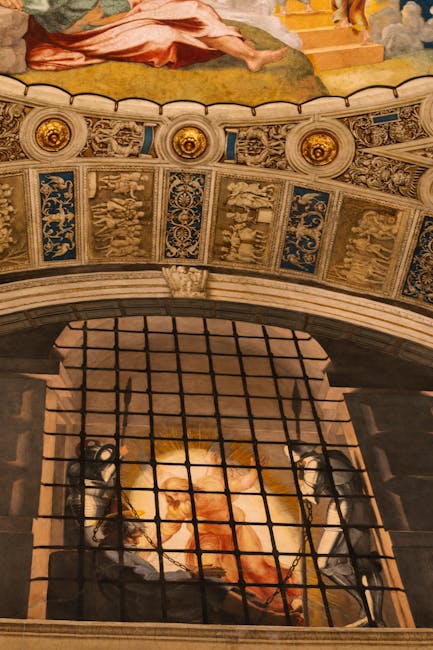
Perugia, capital of Umbria, is a city where stone and color have been in conversation since the Middle Ages. The mural frescoes that adorn its oratories, chapels and public halls tell not only religious stories but also political histories, artistic ambitions and the everyday life of a society that combined power with refined taste. Lately, numerous restoration campaigns have given these ancient paintings — often threatened by damp, pollution or poorly documented overpainting — a clarity and chromatic vitality few thought possible. This guide dives into the main Perugia sites where restored frescoes now offer a fresh dialogue between past and present.
Restoring a fresco is far more than an aesthetic touch-up: it’s a multidisciplinary scientific effort that brings together art historians, conservators, chemists, architects and sometimes computer specialists. In Perugia, work has respected traditional techniques (careful chromatic reintegration, consolidation of pictorial layers) while also using modern technology (multispectral imaging, analysis of binders and pigments, drones for high façades). The results can be spectacular: faces are brought back to life, folds gain depth, and backgrounds — once dulled by grime or hidden under later overpaints — reemerge in their original form.
This practical, expert guide aims to be comprehensive: it describes the key sites in Perugia where restoration has given frescoes a new voice, provides exact addresses, opening hours and prices in euros, and offers hands-on tips for visiting. You’ll find information about the Galleria Nazionale dell’Umbria (Piazza IV Novembre), the Sala delle Udienze del Collegio del Cambio (Piazza Matteo Maria Boiardo, 11), the Oratorio di San Bernardino, the Tempietto di San Bevignate (Via San Bevignate) and other spots where pigment and stone have been brought back into the light. Each section also explains the concrete conservation issues and the precise gestures of restorers, so you can better understand how an image can be « reborn. »
Finally, restoration rarely stops at technical interventions: it’s often part of a broader cultural project that includes mediation, exhibitions, publications and public workshops. In Perugia, several programs offer specialized guided tours, talks and educational labs for both children and adults. For visitors, understanding the restoration process makes the experience richer: beyond the wonder of a recovered color, you grasp the fragility and value of living heritage. This guide therefore gives you not only addresses and opening times but also practical advice to make the most of rediscovering Perugia’s restored frescoes.
Galleria Nazionale dell’Umbria — A fresh perspective on mural paintings
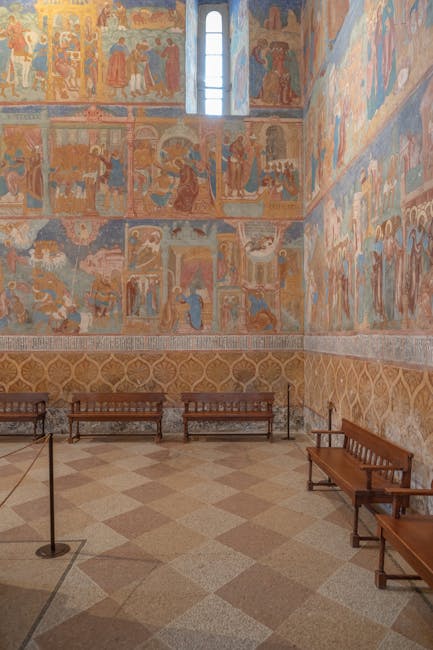
The Galleria Nazionale dell’Umbria, at Piazza IV Novembre, 1, 06123 Perugia PG, Italy, is a must for anyone interested in restored frescoes. Housed in the Palazzo dei Priori, the gallery holds an extensive collection of medieval and Renaissance works, including many panels and fresco fragments from churches across the region. Recent conservation work has stabilized and made publicly accessible fragile pieces, revealing patterns and colors uncovered by desalination and consolidation treatments.
Hours: the Galleria Nazionale dell’Umbria is generally open Tuesday through Sunday from 9:00 to 19:00; closed on Monday. There are sometimes late openings linked to temporary exhibitions (check the official website before you go). Prices: standard ticket around €10.00; reduced (students, seniors) €6.00; free entry for under-18s. Combined tickets including other municipal museums may be available in the €12–€15 range.
The rooms dedicated to frescoes and fragments present a largely chronological display: anonymous 13th-century scenes through narrative cycles painted by Umbrian and Sienese workshops. Notable pieces show delicate gold leaf and tempera work, often accompanied by labels explaining techniques uncovered during restoration (detachment layers, leveling, low-saturation chromatic reintegration). Display cases show sampled pigments analyzed — lapis lazuli, vermilion, ochres — and explain how spectroscopic analysis identified 19th-century retouches that were later removed.
Practical tips: aim for a morning visit to enjoy softer light and avoid larger groups. The gallery offers multilingual audioguides (often included with the standard ticket) and specialized guided tours focused on fresco restoration (by reservation, typically around €6–€8 extra per person). Photographers: flash is prohibited; non-flash photography is usually allowed for non-commercial use. Info and bookings: +39 075 572 1700 (central number of the Polo Museale dell’Umbria) or via the gallery’s official site.
Sala delle Udienze del Collegio del Cambio — Perugino and the recovered magic
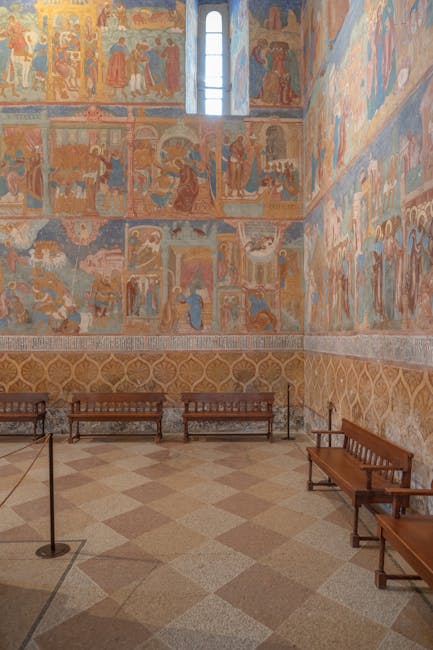
The Sala delle Udienze del Collegio del Cambio is arguably one of Perugia’s crown jewels. Located at Piazza Matteo Maria Boiardo, 11, 06123 Perugia PG, Italy, this hall, painted by Pietro Perugino in the late 15th century, underwent major restorations that revived its monumental figures and painted architecture. Work focused on stucco consolidation, stabilization of paint layers and measured chromatic reintegration intended to honor the artist’s original intent while revealing colors once darkened by time.
Hours: usually open Tuesday through Sunday between 9:00 and 19:00 (hours vary seasonally). Prices: single entry approximately €10.00–€12.00; reduced €6.00–€8.00. Visits are often conducted in small guided groups to preserve atmosphere and minimize impact on the works.
The Sala delle Udienze is a laboratory of architectural illusion: painted columns, trompe-l’œil architecture and stylized cypresses frame sacred and allegorical figures. Conservators tackled typical issues for this type of decor: saltpeter damage, microcracks from masonry movement, and earlier overpaints. Through selective solvent work and micro-sample testing, they removed inappropriate overpaint and restored original glazes that now bring depth to faces and drapery.
Visiting tips: the hall is often part of a guided route through the historic center; book ahead, especially in high season. Allow at least 45 minutes to take in the iconographic details (allegories, putti, ornate cartouches) and to read explanations about the restoration. The Collegio shop (at the end of the visit) sells detailed publications on the interventions, sometimes available in English and Italian, which are great if you want to dig deeper.
Tempietto di San Bevignate and the Oratorio di San Bernardino — Templar frescoes and popular devotion
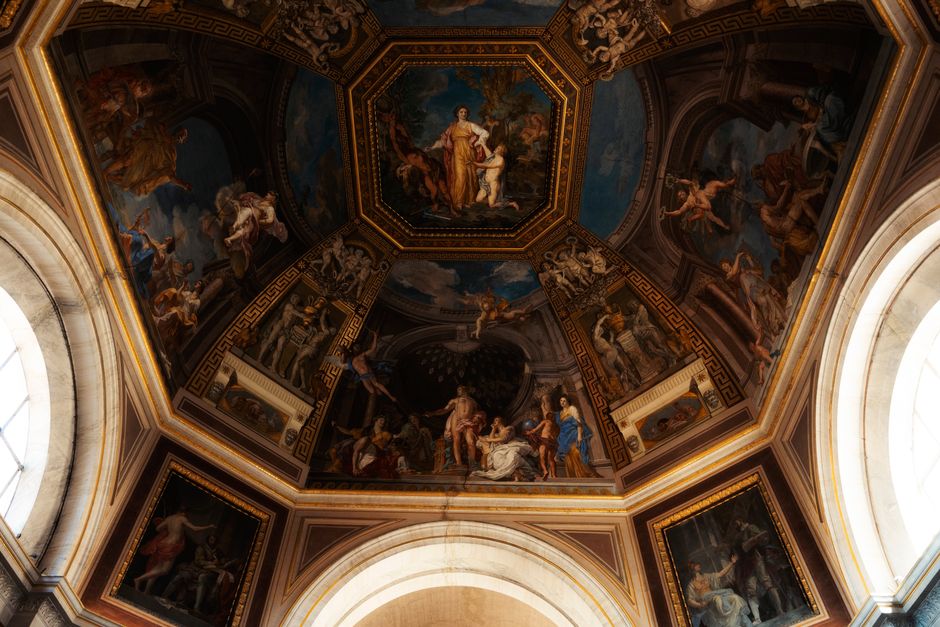
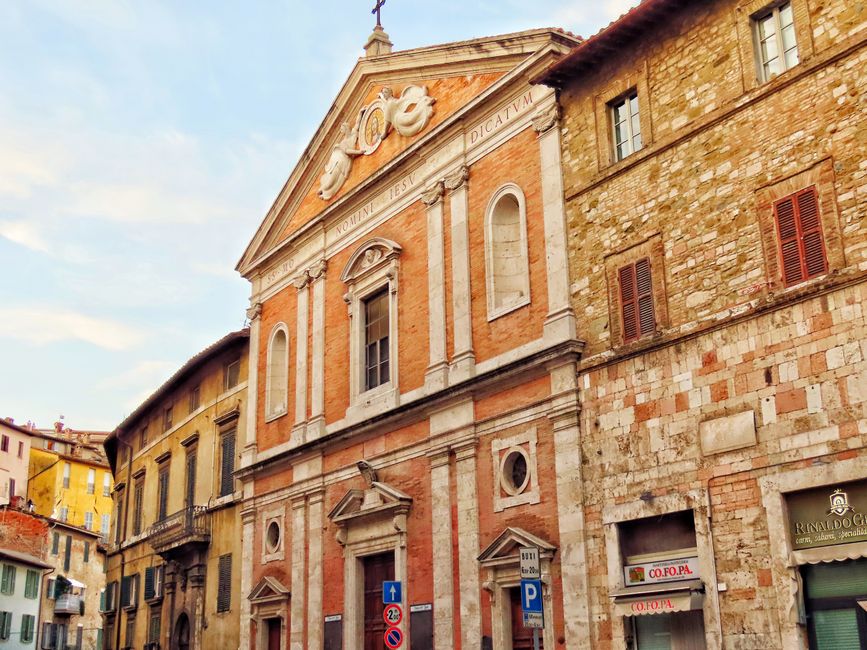
The Tempietto di San Bevignate and the Oratorio di San Bernardino are two emblematic Perugia sites for anyone exploring historically significant frescoes. The Tempietto di San Bevignate, at Via San Bevignate, 06125 Perugia PG, Italy, is known for fresco cycles connected to the history of the Knights Templar and the Order of the Temple. The restored and consolidated cycles present a rare military-religious iconography for the area. The Oratorio di San Bernardino, near Piazza della Repubblica, houses votive cycles and scenes of religious life that have recently been stabilized and had their original vibrant colors brought back.
Hours and prices: Tempietto di San Bevignate — generally open Tuesday to Sunday, 10:00–17:00; suggested entry fee €3.00–€5.00. Oratorio di San Bernardino — hours vary (often mornings or by appointment), suggested contribution €2.00–€4.00. Thematic guided tours (Templars and military iconography) usually carry an extra fee of €5.00–€10.00 depending on the guide.
Restoration projects at these sites often pursue two aims: preserve old polychromies and document little-known historical evidence. Interventions revealed unexpected details — coats of arms, marginal inscriptions, decorative motifs — that enriched understanding of patrons and liturgical uses. The approach is cautious: priority is given to the legibility of the pictorial narrative rather than total reconstruction, with a focus on durable consolidations given the humidity problems in these spaces.
Local tip: for in-depth explanations about the Templar cycles at the Tempietto, opt for a guided tour led by a local historian. The San Bevignate quarter is slightly outside the historic core; allow 20–30 minutes on foot from the center or a short bus ride (local lines). At the Oratorio di San Bernardino, check service and concert schedules — these events often provide the ideal indirect lighting to admire the frescoes.
Major interventions and restoration techniques — Understanding the process
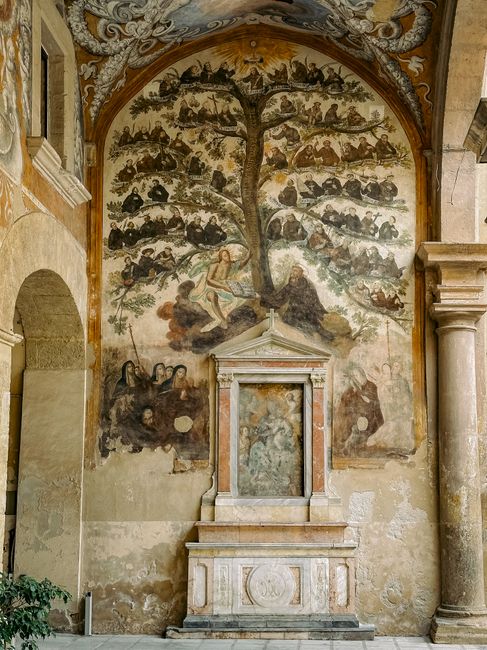
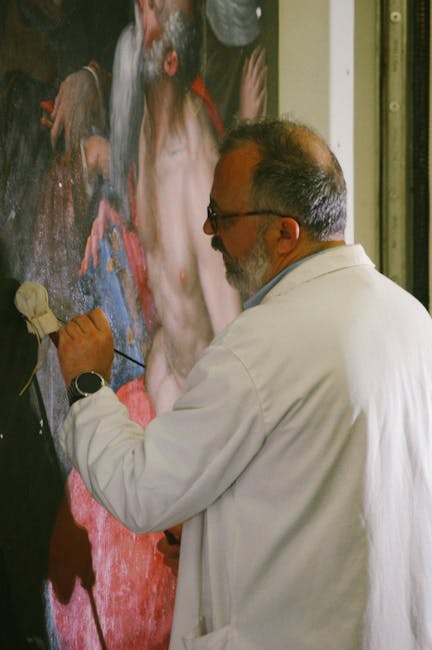
Fresco restoration in Perugia follows strict protocols and is a collaborative effort among public institutions (Soprintendenza Archeologia, Belle Arti e Paesaggio dell’Umbria), universities and private workshops. Typical steps include documentary research (archives, historic photographs), material analysis (pigments, binders, mortars), structural consolidation and aesthetic reintegration. Modern tools — multispectral imaging, X-rays and UV mapping — help identify underlying layers and overpaints, guiding the choice of solvents and mechanical cleaning methods.
An important point is the philosophy of chromatic reintegration: in Perugia the trend favors « reversibility » and « readability, » meaning retouches should be discernible on close inspection while providing a coherent overall visual reading. Conservators use modern compatible materials (water-based paints with stable synthetic resins, conservation-grade fillers) and run accelerated aging tests to check the long-term stability of interventions. Plaster consolidations often involve injections of resins or water-soluble binders to avoid mechanical stress on the pictorial layers.
Recent projects in Perugia have included educational components: open workshops, presentations of work phases, and temporary exhibitions on scientific diagnostics. This transparency serves two goals — raising awareness of heritage fragility and encouraging public engagement — and helps attract local and European funding. Restorations are frequently accompanied by scientific publications (catalogues, articles) and on-site panels that detail steps taken, samples analyzed and technical decisions made.
Visitor tips: if you attend a tour that includes a restoration segment, ask specific questions about the materials used and their long-term conservation. Check whether publications are available; these often include essential before/after photographs that reveal the scope of the work. And please follow photography and distance guidelines so you don’t disrupt the microclimates maintained around the works.
Practical tips for visiting Perugia’s restored frescoes
Visiting Perugia and its restored frescoes takes a little planning to get the most from each site. Here are detailed tips sorted by logistics, timing, behavior on site and additional resources.
- Timing and season: high season (April–October) brings more visitors. For a quieter experience, aim for November–March, but check hours because some sites reduce opening times off-season.
- Tickets and bookings: book online for the Galleria Nazionale dell’Umbria and the Sala delle Udienze at the Collegio del Cambio. Specialized guided tours about restoration often require advance reservation (phone or email). Allow up to 48 hours for some requests.
- Transport and access: the historic center of Perugia is mostly pedestrian; most sites are walkable from the main square, Piazza IV Novembre. For San Bevignate, take a local bus or taxi (about 10–15 minutes from the center).
- Behavior and respect: don’t use flash and stay behind designated barriers. Temperature and humidity changes can affect frescoes; avoid getting too close and follow staff instructions.
- Resources and further reading: consult publications from the Soprintendenza dell’Umbria and catalogues published by the Galleria Nazionale. Perugia’s university libraries (Università per Stranieri di Perugia) sometimes host public lectures on conservation.
- Budget estimate: plan around €30–€50 per person for a half-day including two main visits (Gallery + Collegio), a coffee and a local guide. For a full day with lunch and three sites, budget €60–€90.
Local tip: pair fresco visits with a stop at a local chocolatier (Perugia is famous for Perugina chocolate) or a walk along the city walls for a panoramic view. Covered markets and small trattorie serve affordable meals (first course + coffee for €10–€15), so you can stretch your visit without rushing.
Conclusion — Giving color back its voice: why restoration matters in Perugia
Fresco restoration in Perugia is both an act of remembrance and of future-thinking. Each intervention translates a historical responsibility: protecting works that tell of lives, beliefs and community identities. Through scientific protocols and deliberately thought-out aesthetic choices, restoration aims to make legible a heritage altered by time and human hands, while keeping visible the trace of the transformations it has undergone. Perugia’s now-revealed walls offer visitors not only the beauty of recovered images but also insight into the skills and decisions that made this revival possible.
For the visitor, discovering restored frescoes is an immersive experience: seeing a long-lost color reappear can be revelatory. It’s also an opportunity to appreciate the complexity of conservation work and the fragility of heritage. The sites covered here — Galleria Nazionale dell’Umbria, Sala delle Udienze del Collegio del Cambio, Tempietto di San Bevignate, Oratorio di San Bernardino — are stepping stones to measure the scale of these efforts and to see where science and art meet in service of history.
Finally, visiting Perugia with a focus on fresco restoration is a form of responsible tourism. By supporting museums, choosing specialized guided tours and following visiting rules, each traveler helps preserve this fragile legacy. Take home not just pictures but knowledge — lists of materials used, consolidation methods, conservation challenges — and perhaps a desire to return. Stone and color keep speaking: as long as people care for them, their story is reborn, fresco by fresco.