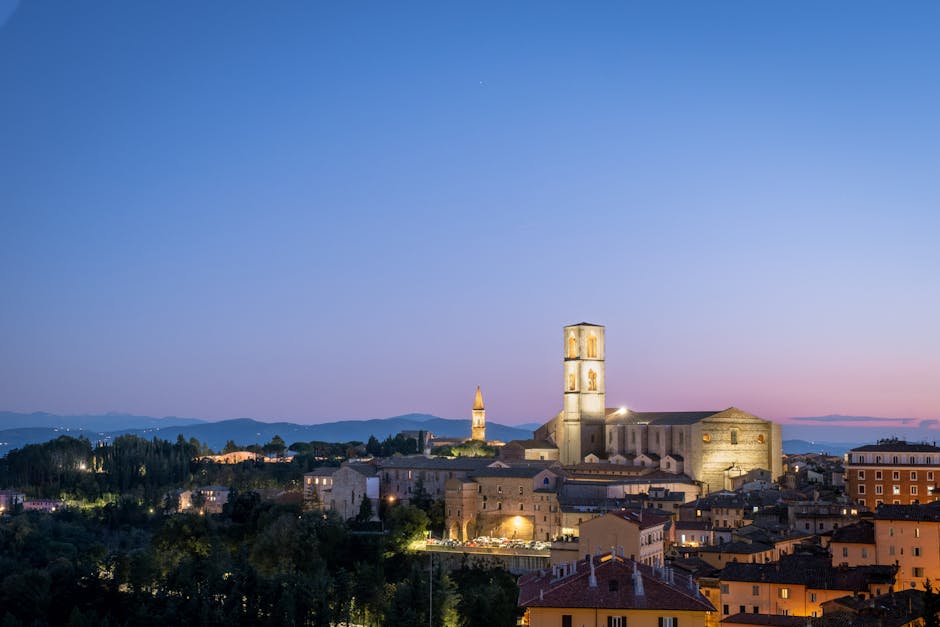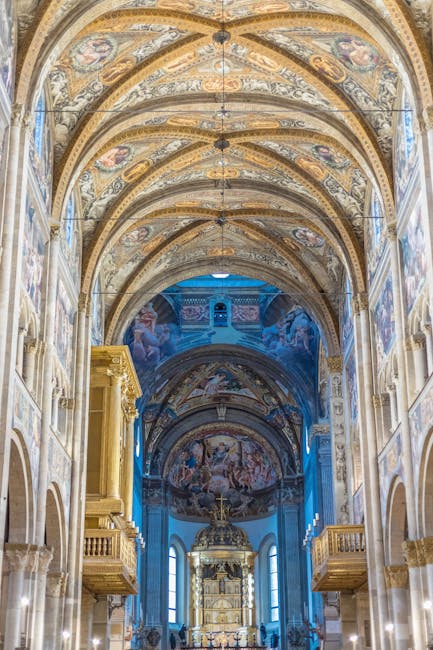






Introduction: Discovering Pre‑Renaissance Frescoes in Perugia
Perugia, the hilltop capital of Umbria, tucked behind winding streets, shaded arcades and lively piazzas, is one of Italy’s underappreciated artistic gems. Scattered through its medieval fabric are chapels, oratories, palaces and museums that preserve frescoes from the 14th and 15th centuries — the moment right before and alongside the first stirrings of the Renaissance. These wall paintings, sometimes carefully restored and sometimes left in their quietly aged state, offer a visual and spiritual journey through the religious, civic and devotional themes that shaped Umbrian society in the decades preceding full‑blown Renaissance art.
This practical, professional guide takes you through the main spots in Perugia where you can see pre‑Renaissance frescoes. For each site you’ll find precise addresses, typical opening hours, approximate euro prices, immersive descriptions of the works and local tips to make the most of your visit (best times to go, tickets to prebook, walking routes, etc.). Beyond logistical details, I want to evoke the atmosphere: the way light skims a painted face, the smell of old plaster, the soft scrape of shoes on century‑old paving stones.
Perugia’s pre‑Renaissance frescoes are a transitional art: they still carry the medieval narrative and symbolic language (hieratic poses, gold backgrounds, architectural frames) while already exploring more naturalistic concerns — anatomy, early attempts at perspective, expressive faces — that will blossom in the Renaissance. As you follow this guide you’ll encounter Marian cycles, scenes from the Gospels, lives of local saints and civic subjects painted by local masters and itinerant artists. Some sites are essential stops; others are small, lesser‑visited jewels worth lingering over.
One practical tip before you start: bring a small, discreet headlamp to read labels and appreciate pigment details, wear comfortable shoes (the town is steep), and, when possible, book ahead for popular sites to avoid queues. Respect the rules in religious sites: photography is sometimes banned or restricted, and dressing and behaving respectfully is strongly advised.
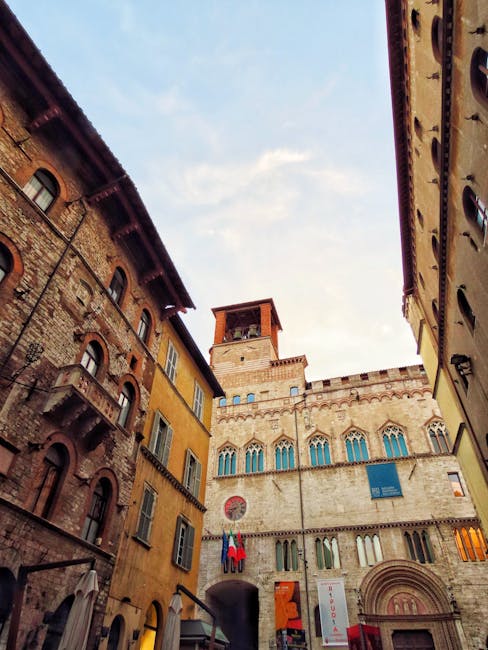
Palazzo dei Priori and the Sala delle Udienze of the Collegio del Cambio (Pinturicchio)
The Palazzo dei Priori, Perugia’s imposing communal palace, sits at the heart of the city’s civic and artistic life. Address: Piazza IV Novembre, 1, 06123 Perugia PG. Inside the palace is the famous Sala delle Udienze of the Collegio del Cambio (often simply called the Collegio del Cambio), decorated with a fresco cycle painted between 1498 and 1500 by Bernardino di Betto, known as Pinturicchio, with help from his workshop. These frescoes are among the most important witnesses to the shift from international Gothic to early Renaissance styles in Umbria.
Opening hours (subject to change): the Sala delle Udienze of the Collegio del Cambio is usually open Tuesday to Sunday from 9:00 to 19:00; closed Mondays. Admission (current estimate): combined ticket for Palazzo dei Priori / Collegio del Cambio roughly €8.00–€12.00; reduced around €6.00; free entry for certain categories (under‑18s, depending on current policies). It’s strongly recommended to reserve in advance via the official website or the tourist office to secure a time slot, as visits can be regulated by group.
Immersive description: the Sala delle Udienze is a richly decorated state chamber where Pinturicchio unfolds narrative panels mixing wise figures, allegories, patron saints and classical decorative motifs. The palette is vivid — azures, ochres, deep reds — and the ornamental details (painted coffers, fruit festoons, putti) make the room feel as much sculpted as painted. The walls display figures in poised motion, finely modeled heads and faintly sketched distant landscapes: the perspective is still naive but already attentive to space.
Local tips: arrive first thing to enjoy the morning light that caresses the warm tones; audio guides help decode the iconography and the mythological and political references. If accessible, don’t miss the palace terrace for panoramic views over Piazza IV Novembre, the Fontana Maggiore and the cathedral. Check opening hours on the day of your visit — institutional events can cause closures.
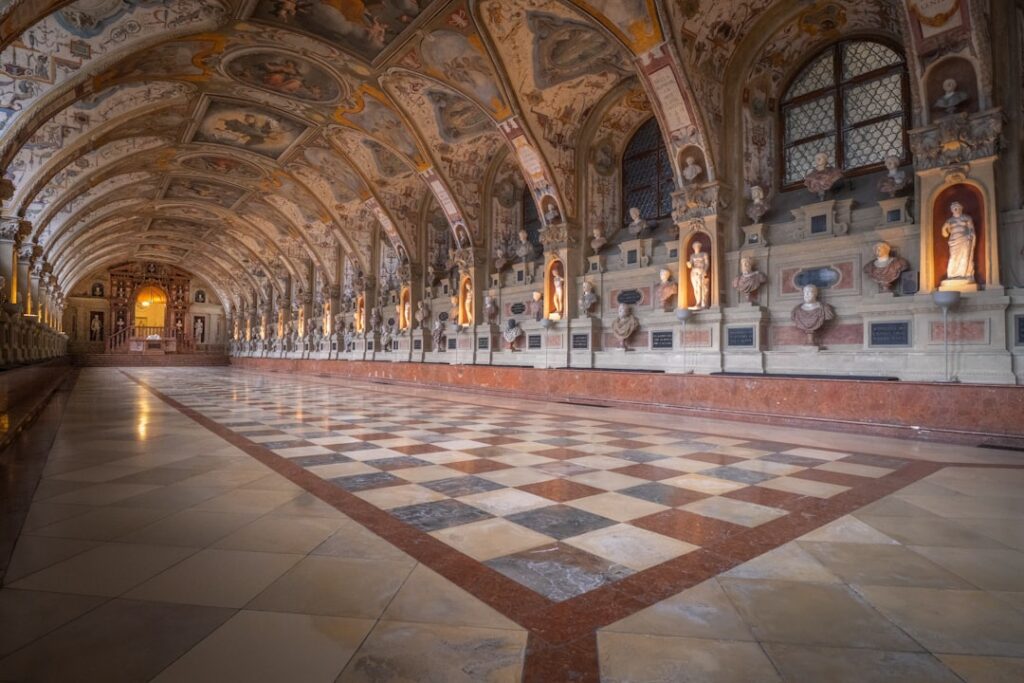
Galleria Nazionale dell’Umbria: mural cycles and pre‑Renaissance panels
The Galleria Nazionale dell’Umbria is a must for anyone wanting to place Perugia’s pre‑Renaissance frescoes within the broader regional development of painting. Address: Corso Vannucci, 19, 06123 Perugia PG. Housed mainly in the Palazzo dei Priori and adjacent buildings, the gallery holds a large collection spanning the 12th to the 19th century, with a strong representation of Umbrian artists and mural cycles that have been transferred or preserved intact.
Typical hours: open Wednesday to Monday from 8:30 to 19:30; closed Tuesdays (hours can vary by season and public holidays). Tickets: full price approximately €8.00–€10.00; reduced €4.00–€6.00; combined passes and discounts for students and seniors available. The gallery often stages temporary exhibitions connected to fresco restoration and hosts specialist talks.
Immersive description: moving through the Galleria Nazionale dell’Umbria feels like leafing through a visual history book. Panels and paintings from the 14th and 15th centuries chart the evolution of visual language: from gold leaf and abstract backgrounds to tentative depth, subtler facial expressions and an increasing interest in everyday life surrounding sacred subjects. Look for works by artists such as Niccolò di Segna, Benedetto Bonfigli and other regional masters who helped shape the pre‑Renaissance vocabulary.
Practical tips: allow at least 1.5 to 2 hours for a relaxed visit; use a guide or an audio guide to unpack liturgical references and the technical differences between fresco and tempera on panel. The gallery runs workshops and themed tours (restoration, Marian iconography, pigment techniques) that can be booked if you want a deeper dive.
Smaller chapels and oratories: Santa Giuliana, San Francesco al Prato and the Oratorio di San Bernardino
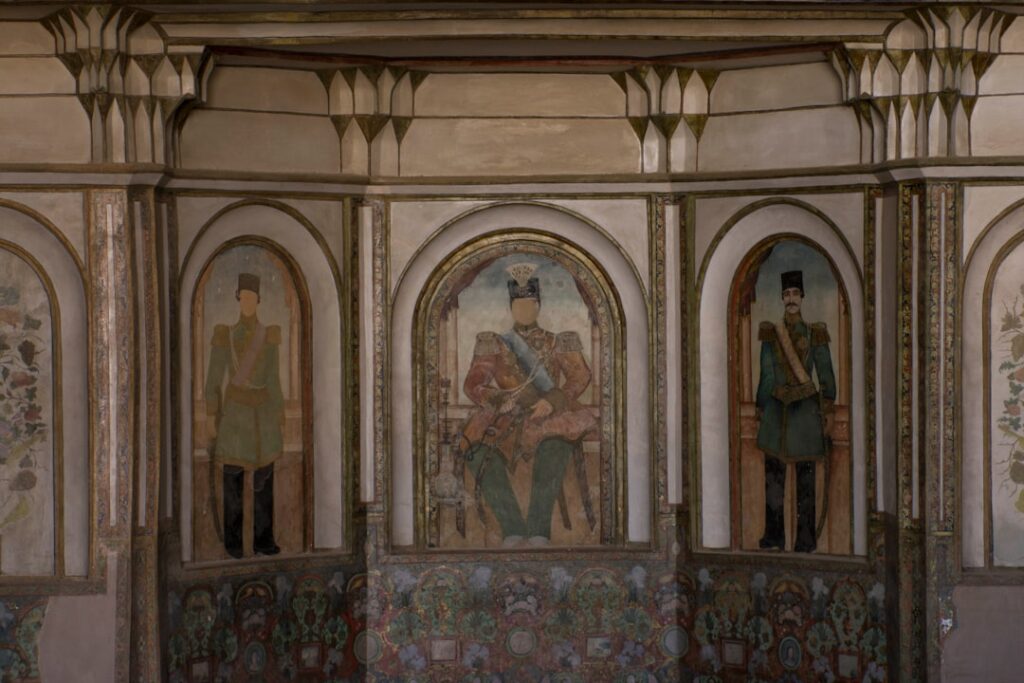
Beyond the major museums and famous cycles, Perugia hides small chapels and oratories where pre‑Renaissance frescoes often go unnoticed by mass tourist itineraries. Three particularly rich sites are the church of Santa Giuliana, San Francesco al Prato and the Oratorio di San Bernardino.
Santa Giuliana / Chiesa di Santa Giuliana: approximate location and landmark — Piazza San Giuliana (historic centre), 06123 Perugia PG. Hours: usually accessible during services and by appointment via the parish; opening times are irregular. Entry: suggested donation (often €2.00–€5.00). Description: the church preserves fragments of wall paintings depicting Biblical scenes and local saints, sometimes partially overpainted later. The atmosphere is intimate: light filtered through old glazing gives the pigments a soft, antique hue.
San Francesco al Prato: address: Piazza San Francesco al Prato, 06123 Perugia PG (church and complex). Hours: check service times; some spaces are open to the public 9:00–12:00 and 15:00–18:00; times vary. Entry: free donation or a small ticket fee depending on exhibitions. Description: a former large Franciscan complex, San Francesco al Prato once hosted important mural cycles, parts of which survive in side chapels. The frescoes show the medieval narrative style, register compositions and an earthy palette mixing umbers, ochres and faded azures.
Oratorio di San Bernardino: address: Via del Fosso 0? (a small street attached to the historic walls), 06123 Perugia PG — (check exact location locally). Hours: usually open for guided tours and services; times variable. Entry: donation or symbolic fee €3.00–€6.00. Description: the oratory contains votive cycles and portraits of brother saints. The scenes are often small and intimate, designed for private devotion: delicate features and expressive gestures invite close, respectful viewing.
Local tips: for these less touristy sites, contact the parish office (ufficio parrocchiale) or the municipal tourist office (IAT – Informazione Accoglienza Turistica, Corso Vannucci 19) to arrange a guided visit outside regular hours. Observe photography restrictions carefully. These chapels are active places of worship — avoid noisy group visits and choose quiet times (late morning outside service times or early afternoon). Also, bring a euro or a few coins for the donation box: upkeep of these frescoes often relies on modest local contributions.
Techniques, conservation and iconography: understanding pre‑Renaissance frescoes
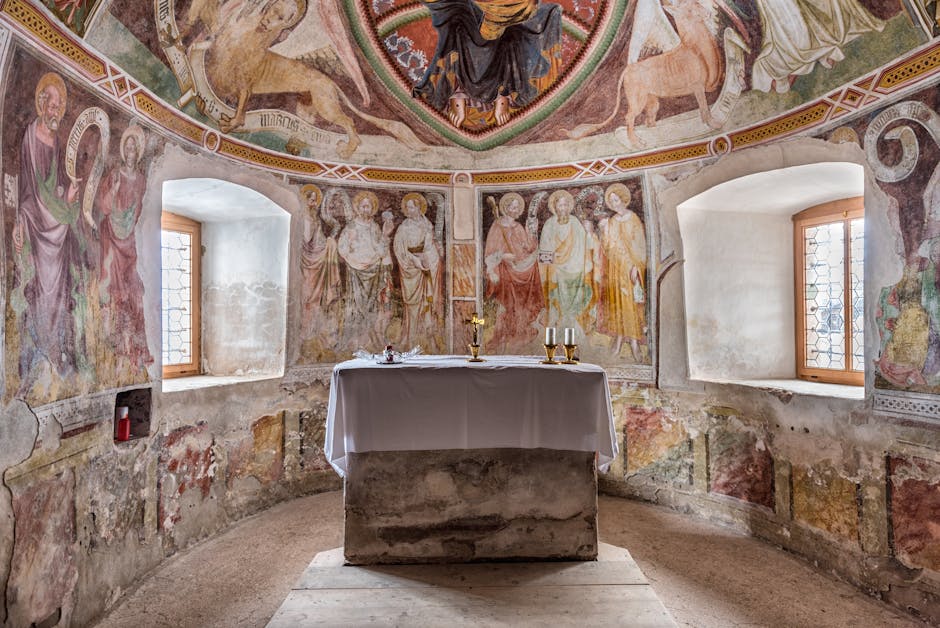
To fully appreciate pre‑Renaissance frescoes it helps to know a little about techniques, conservation challenges and the iconographic codes of the period. This background will enrich what you see and deepen your aesthetic experience at the sites listed above.
Painting techniques: most pre‑Renaissance frescoes in Umbria are executed in buon fresco (pigments applied to wet intonaco) or in a secco (paint on dry plaster). Buon fresco uses mineral pigments suited to the wet surface; colors become part of the plaster and, if protected, can last centuries. A secco retouching was often applied later and tends to deteriorate faster. In museums you’ll also find tempera panels (egg‑based pigment), a complementary technique that coexisted with fresco work at this time.
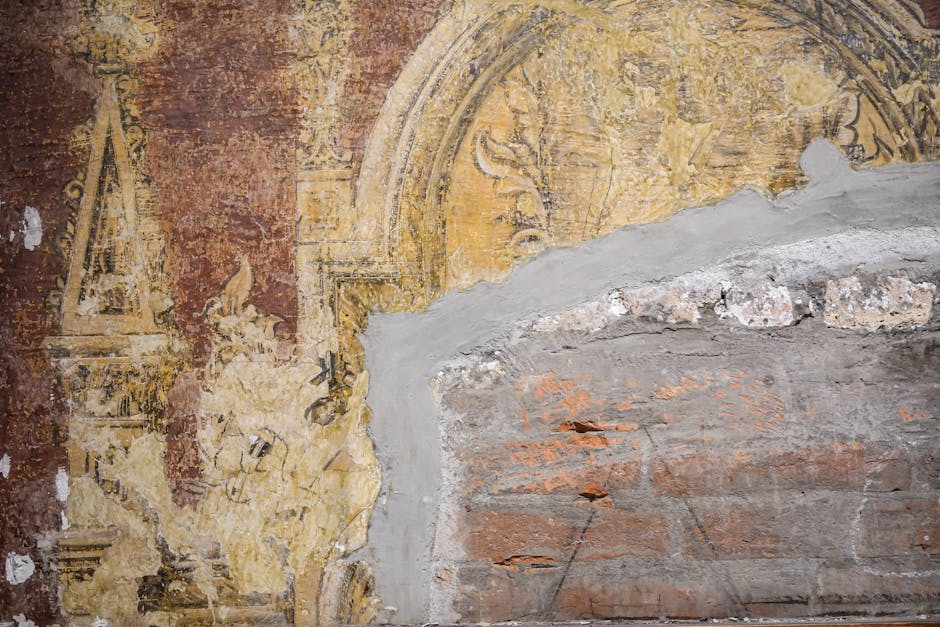
Conservation: humidity, salt migration, pollution and architectural changes threaten frescoes. Recent restorations have stabilized several cycles in Perugia: cleaning soot layers, consolidating detached plaster and visually reintegrating losses with discreet interventions. Labels in museums and small information panels near chapels often summarize restoration history. If you’re curious, inquire about ongoing restoration programs led by the Soprintendenza Archeologia, Belle Arti e Paesaggio dell’Umbria (the Soprintendenza), which is frequently involved.
Iconography: recurring themes include Marian cycles (Life of the Virgin), Gospel episodes, lives of local saints (e.g., Saint Herculanus, Perugia’s patron), allegories of the Virtues, and scenes of the Judgment or the Passion. Frescoes are often arranged in horizontal registers: a medieval narrative logic reads from bottom to top. Look for saints’ attributes (keys for Saint Peter, a book for church doctors, a palm for martyrs) and notice how gestures and gazes structure the pictorial story.
Visiting tips and further reading: join specialized guided tours (some local guides focus on medieval/Umbrian art) to decode literary and theological references. Bring a small notebook to sketch or note pigments and details — it helps remember stylistic variations. If you have an academic interest, contact the Galleria Nazionale dell’Umbria or the Soprintendenza in advance to request publications and technical reports on restorations.
Suggested route and practical tips for a full day devoted to frescoes
Sample itinerary for a walking day (moderate): start early at the Galleria Nazionale dell’Umbria (Corso Vannucci, 19) for a 1.5‑hour visit, then walk to the Palazzo dei Priori and the Sala delle Udienze/Collegio del Cambio (Piazza IV Novembre, 1) for the morning. Lunch on the square or in a local trattoria (for example, Trattoria del Gip, Corso Cavour — check address and opening times), then spend the afternoon on the smaller chapels (Santa Giuliana, San Francesco al Prato, Oratorio di San Bernardino), booking access if needed. Finish with a stroll to the Belvedere for sunset over the Umbrian countryside.
Detailed practical tips:
- Tickets and reservations: book online for the Galleria Nazionale and the Collegio del Cambio if possible; time slots can be limited.
- Getting around: the historic center is mostly pedestrian; Perugia Centrale train station is served by buses and taxis. Be prepared for uphill walks. Mini‑funiculars and escalators (Porta Sole and Piazza Italia) help reach the higher parts of town.
- Best time to go: spring and early autumn offer soft light and pleasant temperatures; summer can be hot, though mornings are less crowded.
- Accessibility: some historic sites are difficult for visitors with reduced mobility; check ahead for assistance or adapted visits.
- Photography: follow restrictions; where allowed, avoid flash to protect pigments.
Conclusion: Why these frescoes deserve your attention
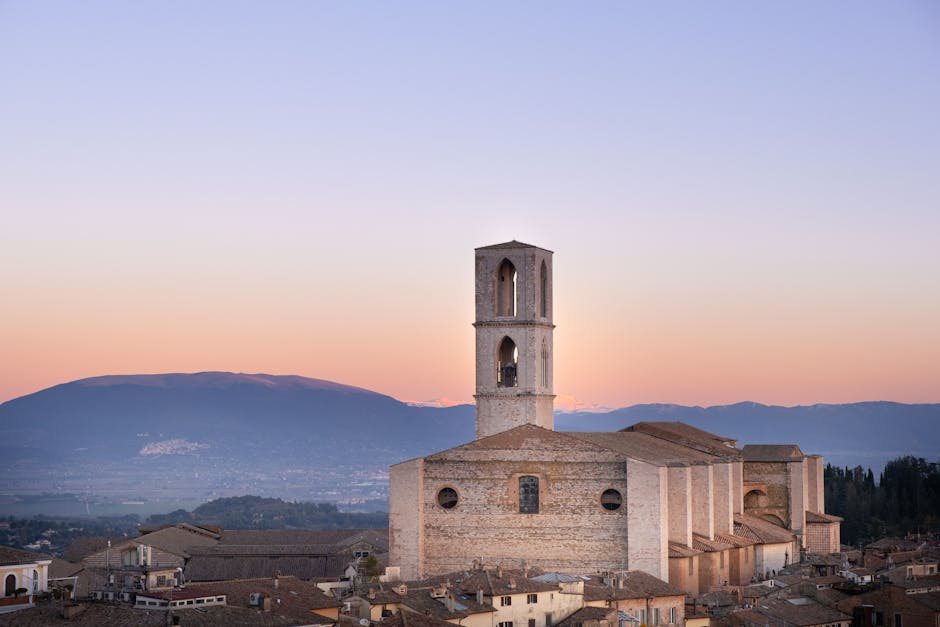
Perugia’s pre‑Renaissance frescoes capture a pivotal chapter in Italian art history: neither wholly medieval nor fully Renaissance, they are living witnesses to an aesthetic and intellectual transition. The painted cycles scattered through palaces, churches and oratories tell religious stories but also civic narratives and symbolic expressions specific to a town asserting its identity. Encounters with these works are often intimate and immediate — many cycles sit at eye level, close to worshipers and local officials — which makes the experience more vivid than in a purely museum setting.
Practically speaking, Perugia is ideal for slow, attentive travel: a weekend or three days is enough to see the major sites (Galleria Nazionale dell’Umbria, Collegio del Cambio) and a handful of outlying chapels while enjoying local food (Umbrian truffles, tartufo), cafés and markets. Entry fees are generally reasonable (€6–€12 for most museums), but it’s the people you meet — passionate guides, conservators, parishioners — who will deepen your understanding of the frescoes.
For visitors wishing to prolong their immersion, I recommend consulting publications from the Soprintendenza Archeologia, Belle Arti e Paesaggio dell’Umbria, signing up for a fresco technique workshop or timing your trip to coincide with a local restoration conference. Perugia is not just a heritage destination: it’s a living place where artistic history and contemporary life coexist and keep the conversation between art, faith and civic memory alive. Take your time, compare works, and come back: with changing light each fresco reveals new details.
Final practical note: hours and prices listed here should be used as a guide only; check official sources (Galleria Nazionale dell’Umbria, Comune di Perugia, parish offices) or the local tourist office (IAT Perugia, Corso Vannucci 19) before you travel for the latest information. Enjoy discovering Perugia’s painted stories!