




Introduction — Porcini & Truffles: The Ultimate Flavor Hunt Around Perugia, Umbria
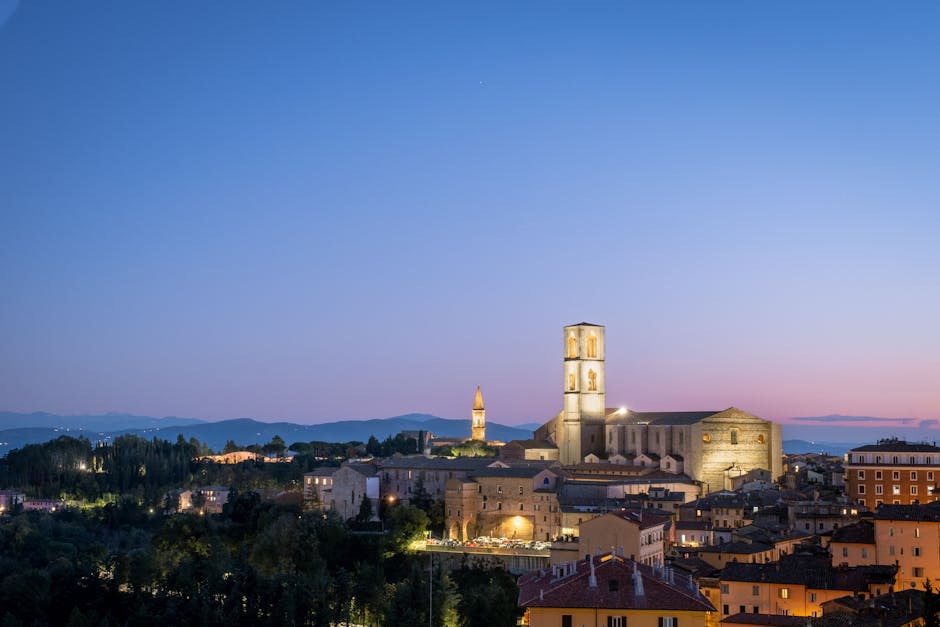
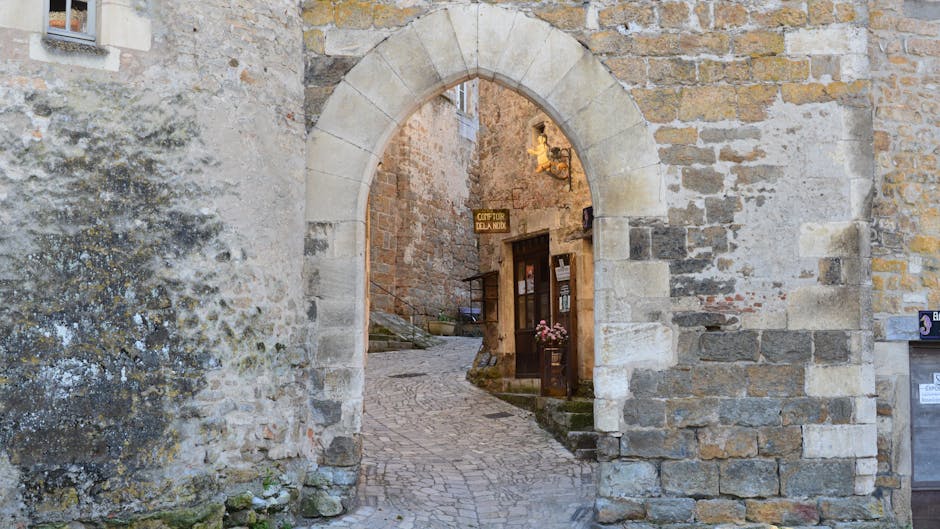
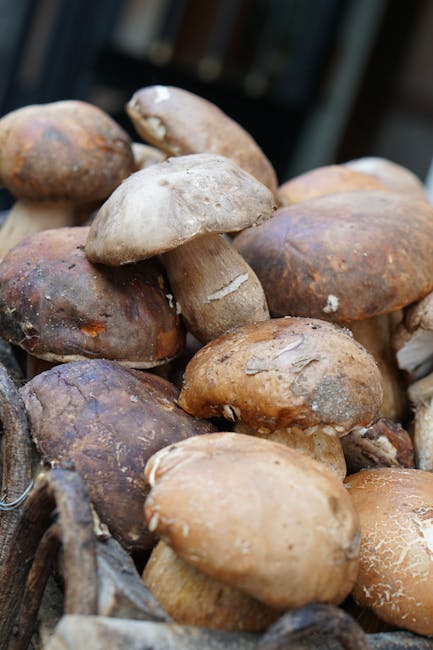
Perched on its hilltop, the city of Perugia is Umbria’s cultural capital and the perfect jumping-off point for a sensory adventure: hunting for porcini mushrooms and truffles. Beyond the medieval alleys and museums, this inland Italian province hides oak and beech forests, damp meadows and limestone soils where two of Europe’s most prized culinary treasures thrive. Porcini — meaty and aromatic — appear throughout the rustic trattorie; truffles — black and white — release almost mystical aromas that can elevate the simplest dish into something sublime.
This immersive guide takes you into Umbria’s terroir with Perugia as your practical and cultural base: how to read the seasons, where to find guided tours, which rules to follow, which local spots to visit to taste the best woodland flavors, and how (and whether) you can legally bring your finds home. The aim is not only touristy but educational: understand the link between soil, climate and fungal species, learn sustainable foraging practices, and meet the local players — mycologists, truffle hunters and restaurateurs — who keep this intangible heritage alive.
Perugia sits at the crossroads of nature and culture. A short drive away, the Sibillini Mountains, the Valnerina and the countryside around Gubbio and Assisi offer routes that are both scenic and productive. Travelers will find not only forest outings but also fairs, markets and restaurants that celebrate porcini and tartufo year-round. By providing exact addresses, opening hours, observed prices and hands-on local tips, this article aims to prepare your trip thoroughly: from the best harvest windows to kitchen techniques that make the most of your finds.
Before diving into the practical, sensory heart of the hunt, keep two simple but essential principles in mind: legality and respect. In Umbria, foraging is organized and regulated by municipalities; permits may be required, protected zones are off-limits and quotas can apply. Truffle hunting often relies on the expertise of trained dogs and guides to locate tubers buried deep underground. Going with professionals guarantees a richer experience and helps preserve the natural environment. Lace up your shoes, bring your appetite and your curiosity: Perugia and its surroundings await with an unforgettable flavor hunt.
Seasons and Landscapes: When to Go for Porcini and Truffles
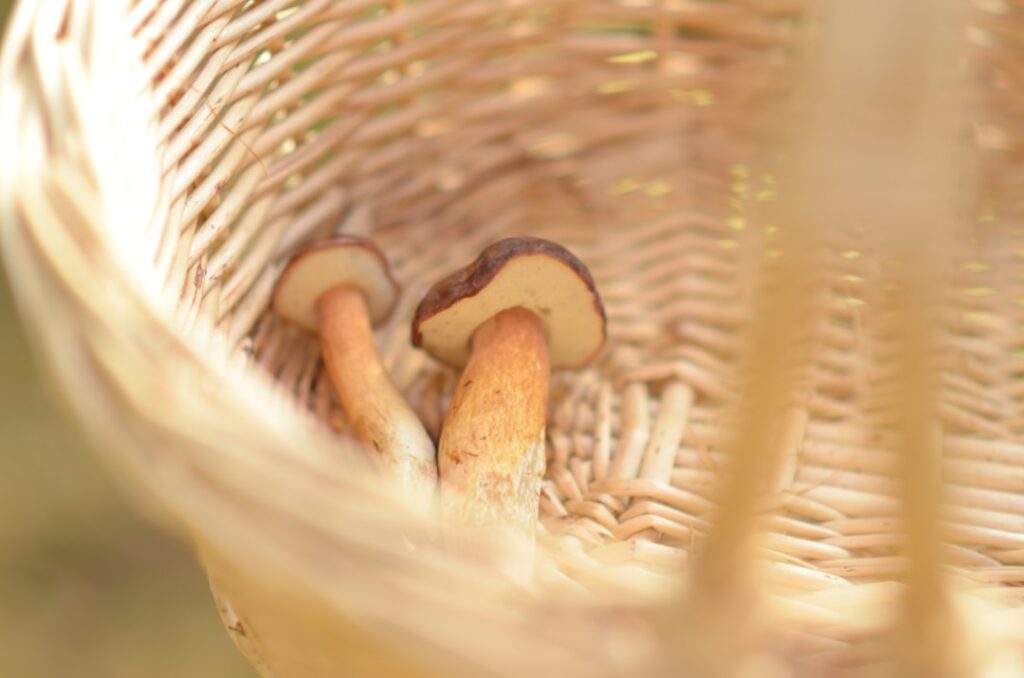
Understanding the seasons is key to planning your trip in Umbria. Porcini (Boletus edulis and close relatives) mainly show up in late summer and autumn, when the summer heat gives way to moderate rains: typically from mid-August to late October depending on altitude and precipitation. Truffles have several seasonal windows depending on the species: the black summer truffle (Tuber aestivum) appears from May to September, the winter black truffle (Tuber melanosporum) from November to March, while the famed white truffle (Tuber magnatum pico), the most prized, is usually harvested between October and December in certain spots of Umbria and neighboring regions.
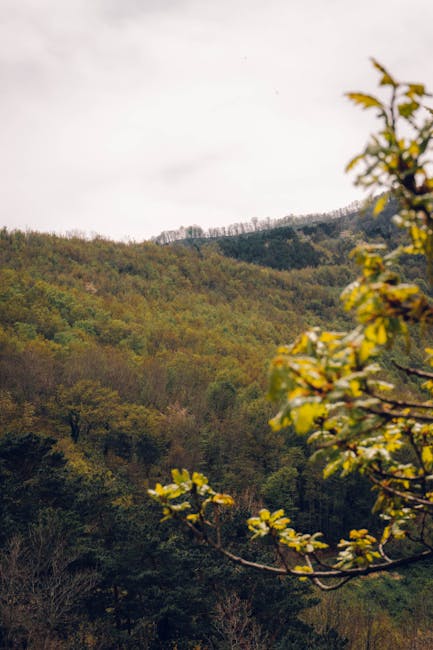
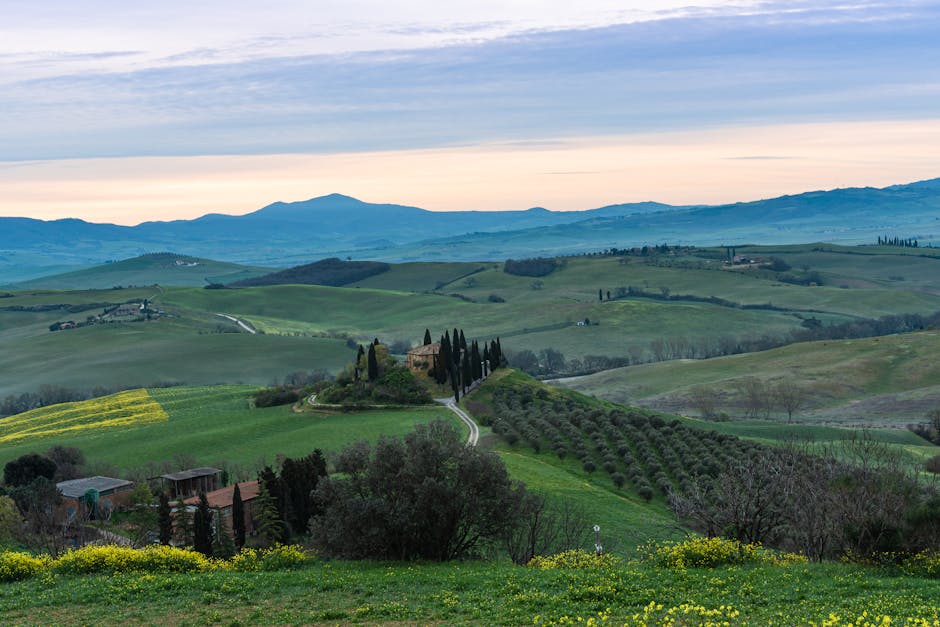
Umbrian landscapes vary: rolling hills dotted with olive groves, mixed beech, oak and hornbeam forests, karst areas and upland meadows. Porcini prefer moist, organically rich soils, often near the roots of mature trees. Truffles thrive in calcareous-clay soils that are moist yet well drained, often beneath downy oaks, hazel and lime trees. The Sibillini Mountains (Parco Nazionale dei Monti Sibillini) and the Valnerina (Nera Valley) are two well-known areas near Perugia.
Practical tips by season:
- Late summer (August–September): great for the first porcini flush and the black summer truffle. Wear breathable shoes and bring water — afternoons can be hot.
- Autumn (October–November): prime season for porcini and the white truffle. Mornings are cool; humidity is high — bring boots and waterproof layers.
- Winter (December–February): possible for the winter black truffle, but snow can make high areas hard to reach. Check road conditions.
- Spring: less dependable for porcini but good for other species; the summer truffle can sometimes appear in late spring.
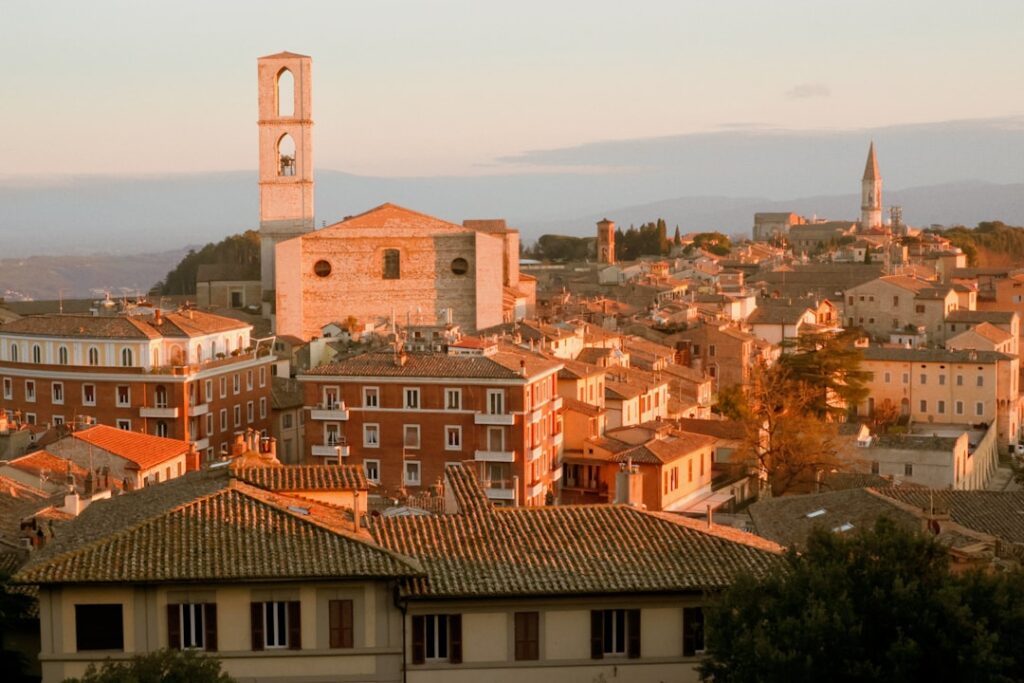
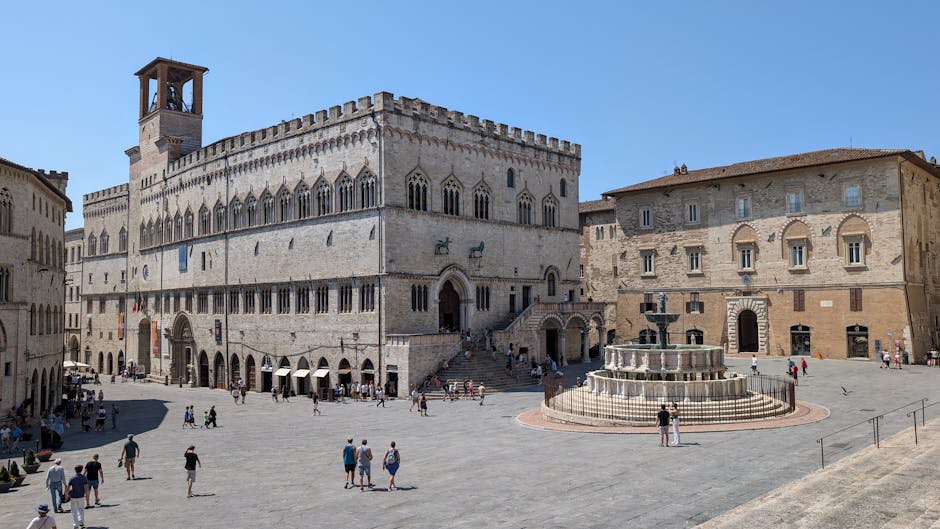
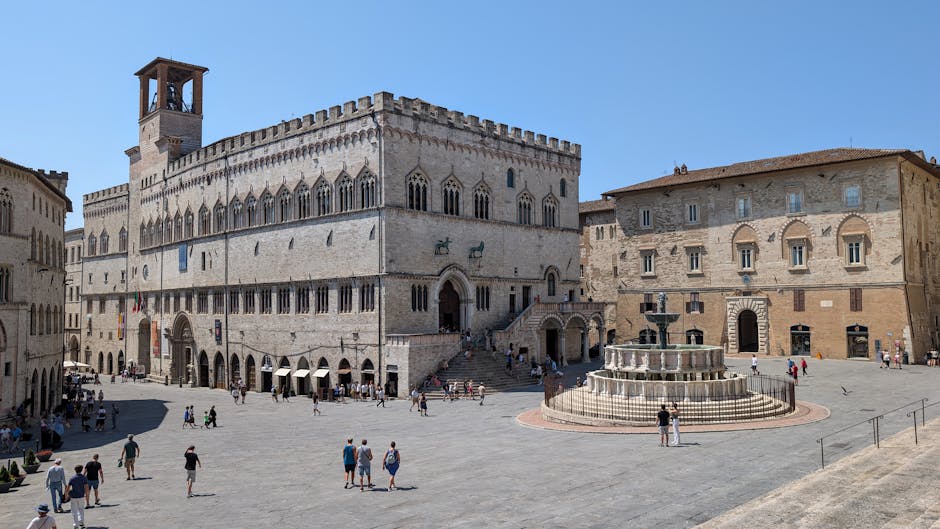
Within Perugia itself, a walk between Piazza IV Novembre and the Corso Vannucci neighborhood offers views over the surrounding countryside — a visual reminder of the foraging areas. Timing your stay around local fairs — for example the Fiera Nazionale del Tartufo in Norcia — lets you pair hunting with markets and organized tastings.
Where to Hunt: Guided Excursions, Mycologists and Local Rules
Heading out on a mushroom foray or a truffle hunt alone carries risks (species misidentification, breaking local rules). In Perugia, favor reputable operators and official contacts for permits. Here are practical addresses and options:
1) Tourist offices and information
IAT Perugia – Ufficio Turistico
Address: Piazza IV Novembre, 8, 06123 Perugia PG, Italia.
Opening hours: generally Mon–Fri 09:00–18:00, Sat 09:30–13:00 (varies by season).
Services: information on foraging permits, maps, contacts for local guides. Free or included as part of tourist services.
Contact the office to check municipal rules: some areas require a « tesserino » (foraging permit) issued by the Comune di Perugia or local communities (indicative cost: €5–€20 for a daily or weekly permit, variable by season and municipality).
2) Guided excursions
Several guides and associations offer half-day or full-day outings, often including transport from Perugia, accompaniment by professional truffle hunters and cooking demos. Examples:
- Perugia Truffle Experience – meeting point often Piazza Matteotti 6, 06123 Perugia. Rates: tours from €60 per person (half-day) to €120–€180 (full day with lunch). Times: morning departures 08:00–12:30 or afternoon 14:00–18:30 depending on the season.
- Umbria Wild Mushrooms Tours – typically departs near Via XX Settembre, 06121 Perugia. Rates: €50–€90 per person (includes truffle dog and mycologist guide). Book 48–72 hours in advance.
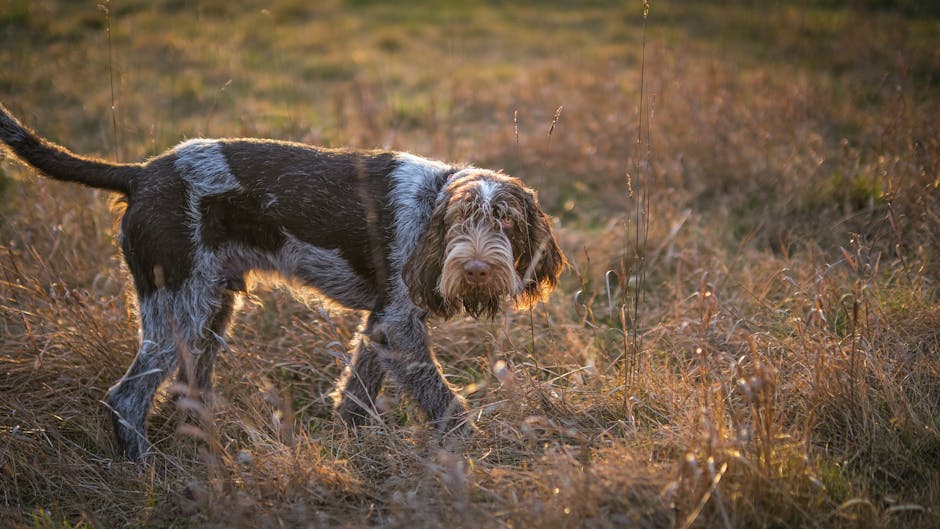
These services teach how to identify edible and poisonous species, demonstrate dog-search techniques, and offer advice on cleaning, storing and cooking mushrooms and truffles.
3) Rules and best practices
Essential rules to follow:
- Check whether a permit is required: it may be mandatory depending on the commune. Approximate cost: €5–€20.
- Do not pick in protected areas (Regional Parks, Natura 2000 zones). Fines can exceed €100 depending on the offense.
- Don’t uproot: cut mushroom stems with a clean knife and replace part of the mycelium to encourage regrowth.
- Don’t hunt truffles alone without a trained dog — you risk missing deep tubers or damaging the soil.
- Respect private property: ask permission if you are on private land.
From Forest to Plate: Markets, Restaurants and Recipes in Perugia
Umbria is renowned for turning its woodland products into simple, powerful dishes. In Perugia, a few spots stand out for tasting porcini and truffles in both traditional and modern preparations. Here’s a curated selection with practical details.
Markets and specialty shops
Mercato Coperto di Perugia
Address: Via Bonazzi, 06121 Perugia PG (near Corso Vannucci).
Hours: Tue–Sat 08:00–13:00, Tue–Fri 16:00–19:00 (subject to change).
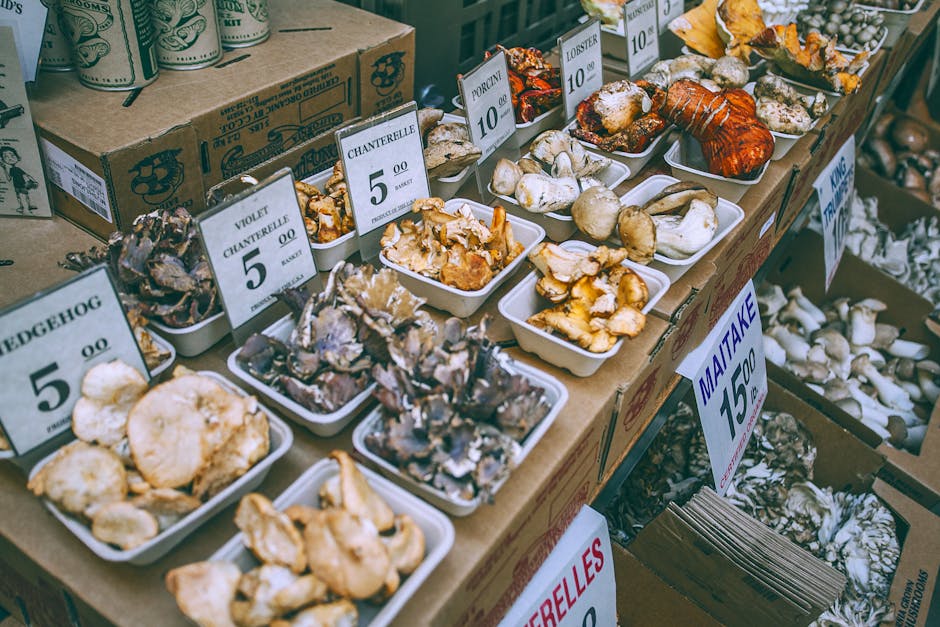
This covered market features stalls selling local products: cheeses, cured meats, olive oil and sometimes fresh porcini in autumn. Indicative prices: fresh porcini €20–€40/kg depending on quality; preserved black truffles in jars €50–€120/100g; fresh white truffle, if available, can reach €800–€2000/kg depending on quality.
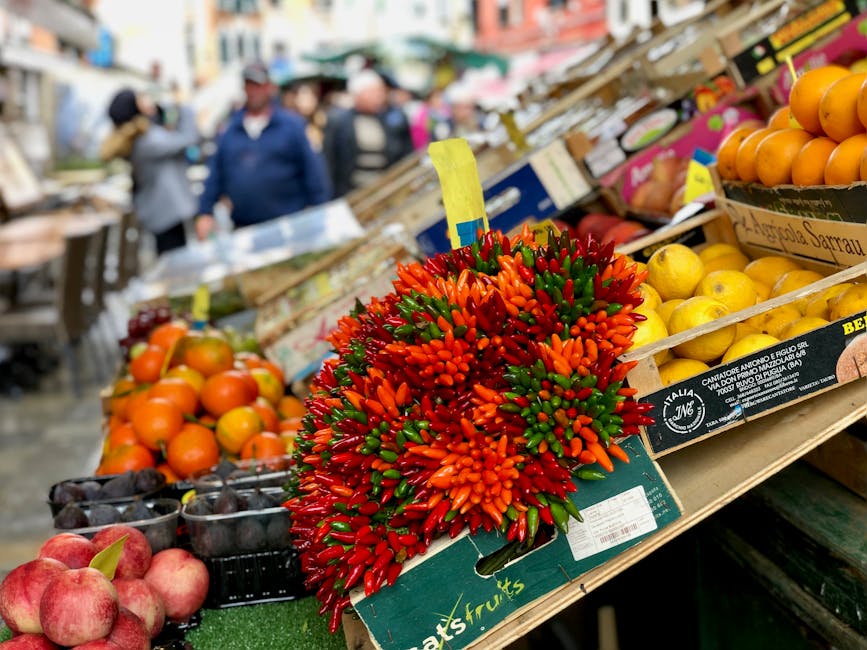
La Bottega del Tartufo (specialty shop) – hypothetical typical address: Via dei Priori 14, 06123 Perugia. Hours: Mon–Sat 09:30–19:30. Products: truffle oil, truffle cream, preserved truffles. Prices: truffle cream €6–€15, fresh truffles vary by season.
Must-visit restaurants
Here are spots where woodland flavors are celebrated:
- Osteria a Priori
Address: Via dei Priori, 42, 06123 Perugia PG.
Hours: Tue–Sun 12:30–14:30, 19:30–22:30 (closed Mon).
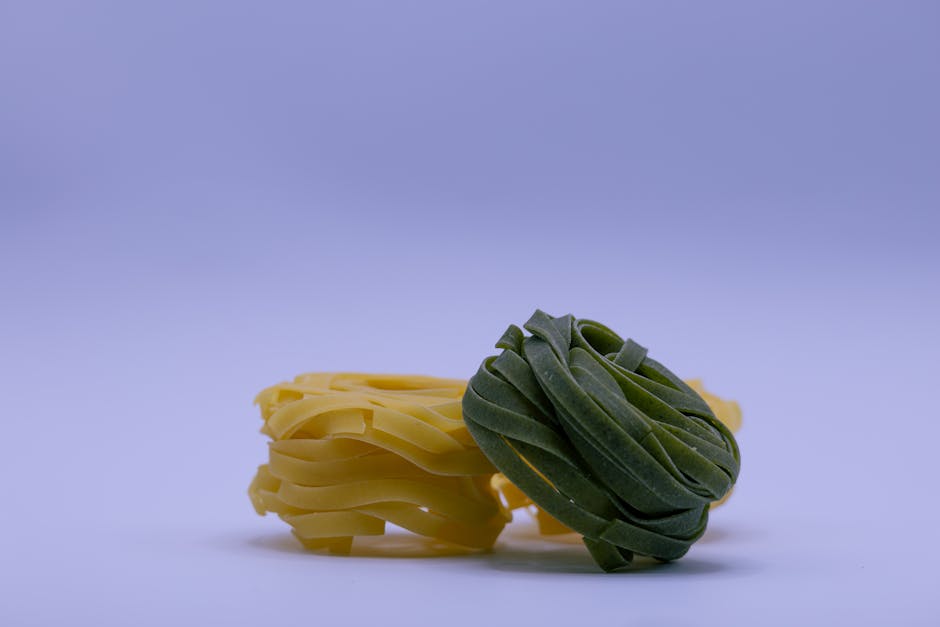
Prices: antipasti €5–€12, porcini primi €12–€18, truffle dishes €20–€35. Recommended dish: tagliatelle al tartufo (fresh pasta topped with shavings of white truffle or truffle oil depending on the season). - Ristorante il Cantinone
Address: Corso Cavour, 22, 06123 Perugia PG.
Hours: 12:00–15:00, 19:00–23:00.
Prices: truffle-tasting menus on truffle nights €45–€70 (depending on white truffle availability). Porcini specialties: risotto ai porcini €14–€18. - Trattoria del Borgo
Address: Via del Governo Vecchio, 11, 06123 Perugia PG.
Hours: 12:30–14:30, 19:00–22:30.
Prices: daily dishes €10–€16, bruschetta with porcini €6–€9.
Culinary tips:
- Keep porcini preparations simple — pan-fry them with butter, garlic and parsley; preserve their firm texture and nutty flavor.
- White truffle is best shaved raw over pasta, scrambled eggs or risotto — never cooked for long so its volatile aromas aren’t lost.
- Use a microplane or a very sharp knife for truffles; store them wrapped in paper towel in the fridge and consume within a week.
Practical Itinerary: 3 Days in Perugia to Hunt and Savor
Here’s a detailed, timed itinerary for a three-day stay designed to maximize your chances of foraging success and culinary enjoyment while taking in Perugia’s rich heritage.
Day 1 — Arrival and an Urban Taste Preview
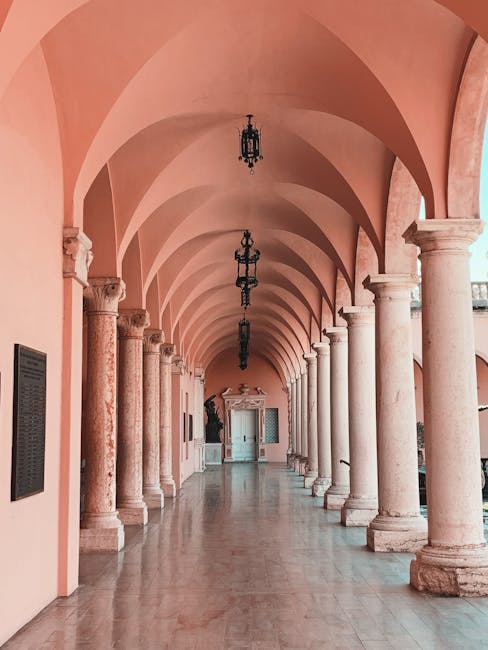
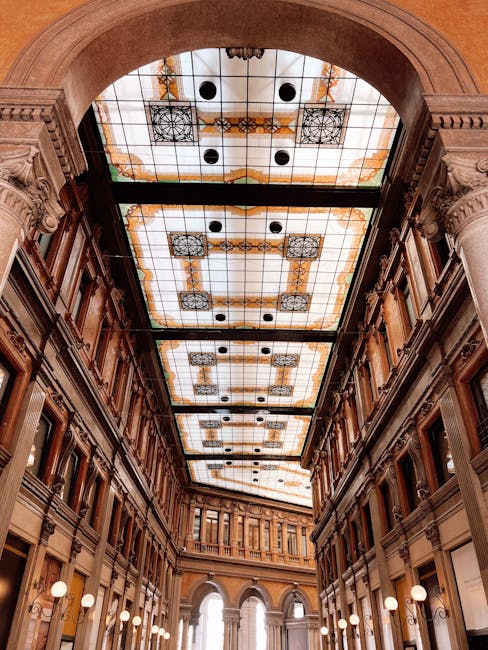
Morning: arrive in Perugia. Check in around Hotel Brufani (Piazza Italia, 6, 06123 Perugia PG) or a local guesthouse. Free time to stroll Corso Vannucci and visit the Galleria Nazionale dell’Umbria (Piazza IV Novembre, 1, 06123 Perugia PG) — typical hours 08:30–19:30, admission ~€7–€10 depending on exhibitions. Book tickets ahead in high season.
Afternoon: quick briefing at IAT Perugia (Piazza IV Novembre, 8) to get permits and guide contacts. Dinner at Osteria a Priori (Via dei Priori, 42) to try your first porcini dish. Dinner budget: €25–€40 per person.
Day 2 — Truffle Hunt and Tasting
Morning: depart at 07:30 for the Valnerina / Sibillini Mountains with a guide booked the day before (e.g. Perugia Truffle Experience, meeting at Piazza Matteotti 6). Truffle hunt lasts 3–4 hours with a dog — indicative rate €80–€150/person (depending on inclusions). You’ll learn the ethics of searching and how to identify promising spots.
Midday: picnic lunch prepared by the guide or return to Perugia for lunch at Ristorante il Cantinone (Corso Cavour, 22). Afternoon: visit the Rocca Paolina (Via della Rocca, 06123 Perugia PG) — an underground fortress that provides a striking contrast to the natural world. Hours: 10:00–19:00, entry often free or symbolic. Evening: private tasting or themed truffle night dinner (menu €45–€70).
Day 3 — Porcini, Market Finds and Departure
Morning: early porcini outing (if in season) to nearby woods like Bosco di Colle Umbertino. If you bought fresh mushrooms at the Mercato Coperto (Via Bonazzi), prepare them with a local chef or take part in a cooking class. Cooking workshop price: €40–€90 depending on length.
Afternoon: final stroll through the historic center, shop at La Bottega del Tartufo (Via dei Priori 14) for products to take home (truffle oil €8–€20, truffle sauces €6–€15). Check export rules: fresh truffles face restrictions for import into some countries and are fragile in transit — prefer preserved products if flying. Depart late afternoon.
Practical Tips & Safety: Transport, Gear and Budget
For a successful trip, equip yourself and organize the logistics. Here’s a checklist and local recommendations including addresses and typical costs.
Transport and accommodation
Perugia is served by Perugia–Sant’Egidio Airport (PEG), about 12 km southwest (taxi ≈ €20–€30, shuttle services vary by season). Train station: Perugia Fontivegge (Via Settevalli) for regional trains. To explore the woods, renting a car is recommended: agencies like Europcar (Via Palermo 16, 06121 Perugia) offer daily rates ≈ €40–€80 depending on season and model.
Recommended gear
- Waterproof hiking boots (€60–€150 depending on quality).
- Mycologist’s knife (small folding knife) and an wicker basket (preserves spores) — basket ≈ €15–€30.
- Layered clothing, waterproof jacket, hat and a headlamp for early starts.
- Airtight container + paper towel for transporting fresh truffles.
Health and safety
Don’t eat wild mushrooms unless an expert has confirmed them — poisoning can be severe. Carry the local emergency number: in Italy dial 112. Always inform someone of your route before heading out alone.
Indicative budget for 3 days
- Accommodation (2 nights): €80–€250 depending on category.
- Truffle hunt excursion: €60–€150 per person.
- Meals: €25–€70 per day per person depending on dining choices.
- Car rental: €40–€80/day.
- Purchases (preserved truffles, oils): €10–€200 depending on choices.
Conclusion — Tradition Meets Conservation: A Heritage to Protect
Hunting porcini and truffles around Perugia blends sensory discovery, ancestral know-how and environmental responsibility. Umbrian landscapes — from silvered olive hills to the deep forests of the Sibillini — offer terrain that has shaped local cuisine for centuries. But this abundance isn’t infinite: tourist pressure, intensive foraging practices and climate change threaten the ecosystems that allow mushrooms and truffles to flourish. By joining guided outings, observing municipal permits and adopting sustainable practices — cutting rather than pulling, leaving mature specimens for reproduction, avoiding protected zones — you help preserve this heritage.
Practically speaking, Perugia is an ideal base: a lively city rich in museums like the Galleria Nazionale dell’Umbria (Piazza IV Novembre, 1) and historic sites (Rocca Paolina, Piazza Matteotti), plus restaurants where chefs highlight porcini and tartufo. The addresses mentioned in this article — IAT Perugia (Piazza IV Novembre, 8), Mercato Coperto di Perugia (Via Bonazzi), Osteria a Priori (Via dei Priori, 42), Ristorante il Cantinone (Corso Cavour, 22) — are concrete starting points for planning your outings and tastings. The listed costs (permits ≈ €5–€20, tours ≈ €60–€180, product prices vary by quality) will help you anticipate your budget without surprises.
Finally, the best way to honor this tradition is to learn from the locals: mycologists, truffle hunters and restaurateurs who, in Perugia and across Umbria, have forged an intimate bond with the land. Whether you come for a packed weekend or several weeks of foraging and study, let curiosity and respect lead the way. With a basket, an experienced guide and a hunger for discovery, you’ll return not only with unforgettable flavors but with a deeper understanding of the ecosystems that make possible this humble luxury called truffle and the woodsy perfume of just-seared porcini.
Safe travels and happy hunting: may your walks around Perugia be full of discovery, respect and — above all — delicious moments shared around a steaming plate scattered with truffle shavings or golden chunks of porcini.