





Introduction
Perugia, the shaded capital of Umbria, is often known for its medieval alleyways, lively university and the impressive Piazza IV Novembre. But behind stone façades and public palaces lie intimate sanctuaries: tiny or lavishly decorated chapels, true treasures of religious art that many visitors never take time to explore. « Secret Perugia: 10 Breathtaking Chapels » invites you on a slow, tactile and visual walk, well off the usual tourist tracks. These chapels bear witness to local histories — old confraternities, patron families, religious orders — and tell the city’s inner story through forgotten frescoes, glittering altarpieces and decorated vaults.
This guide is for curious travelers: those who want to touch the stone, hear the echo of a prayer, study the details of a polychrome wooden panel or pause to decipher a Latin inscription. Each entry below gives the full name of the place, its exact address, typical opening hours, the entry price in euros and practical local tips to prepare your visit (best time of day, transport, accessibility and conservation notes). You’ll also find photography tips and pointers for catching the light — because in many of these chapels, light changes everything: a morning beam can reveal faded pigments, dusk can make gilding glow.
As you read, I offer a thematic and sensory discovery: medieval frescoes, chapels hand-decorated by local workshops, small sacristies sheltering precious objects, and corners where time seems to have stopped. For each site I share practical tips to avoid crowds, understand what you’re seeing and respect the fragility of the works (silence, no flash photography, keep your distance). The route is designed to be walked, in several stages over a half-day or a full day depending on your curiosity and pace. If you love history, sacred art and the quiet poetry of places off the beaten path, get your notebook ready: Secret Perugia has surprises that will move you and sharpen your eye.
1. Cappella del Cambio (Palazzo dei Priori)
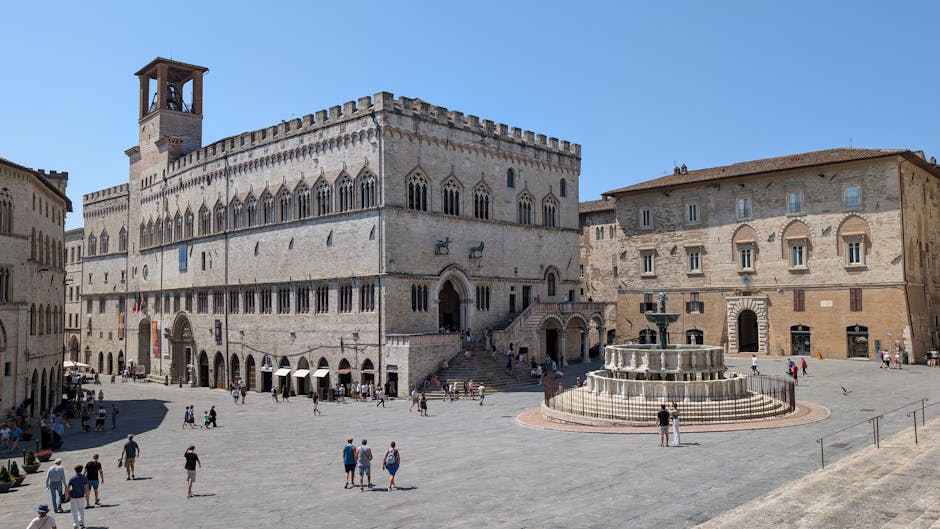
The Cappella del Cambio, located inside the Palazzo dei Priori, is arguably one of Perugia’s most emblematic chapels, both for the quality of its decoration and for its central position in the city. Full name: Cappella del Cambio, Palazzo dei Priori. Address: Piazza IV Novembre, 06123 Perugia PG, Italia. This chapel is famous for its 15th-century frescoes by Pietro Perugino and his workshop, a gem of the Umbrian Renaissance.
Opening hours: usually Tuesday to Sunday, 9:30 AM to 6:30 PM (last admission 6:00 PM). Closed on Mondays; check with the Palazzo museum for public holiday openings. Entry price: combined ticket Palazzo dei Priori + Cappella del Cambio around €8.00 per person (reduced rates possible for students and seniors). Tickets sold at the Palazzo dei Priori ticket office and online on the official civic museums site.
Immersive description: when you step inside, you’re greeted by a richly painted vault, allegorical scenes and draped figures that show a dialogue between secular painting and religious décor. Zenital light filters through the main hall, enhancing ochre tones and gilding. Don’t miss the cycle of the « Virtues » painted by Perugino and the precision of the painted architectural motifs that create illusionistic depth.
Practical tips: arrive early to avoid tour groups and to enjoy soft light that highlights the pigments. Photography without flash is allowed with reduced ISO — check with staff. Access is partially suitable for visitors with reduced mobility through an adapted entrance to the palace — ask at the reception. Allow 45 to 60 minutes for a focused visit, including reading the labels.
2. Chiesa di San Bevignate (Oratorio di San Bevignate)
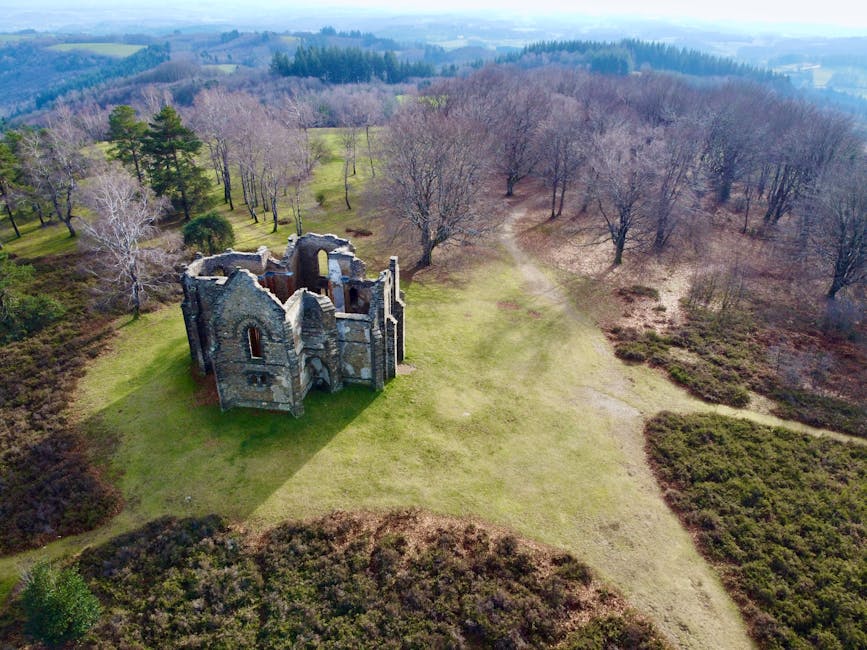
Full name: Chiesa e Oratorio di San Bevignate. Address: Via San Bevignate, 6, 06126 Perugia PG, Italia. Situated a little outside the historic center, the Chiesa di San Bevignate is essential for anyone interested in medieval religious orders: the building, linked to the Hospitaller Knights of the Temple (the Templars), preserves a large cycle of 13th-century frescoes of rare quality.
Opening hours: seasonal and variable; typically Tuesday to Sunday 10:00 AM–1:00 PM and 3:00 PM–6:00 PM; closed Mondays. Entry price: €4.00 (reduced €2.00 for students/young people). Local guided tours can sometimes be arranged by reservation (additional fee).
Immersive description: the nave, spare and modestly lit, reveals narrative frescoes depicting scenes from Christ’s life and heraldic symbols of religious orders. The raw stone and the pigments’ colors create a powerful contrast with the silence of the place. The atmosphere is almost monastic: you can sense the echoes of ancient processions and the imprint of a chevalier spirituality.
Practical tips: the site is about a 20–25 minute walk from Porta Sant’Angelo, or a 10-minute taxi from the city center (approximate cost €8–12). Bring a light sweater: the interior stays cool year-round. If you want more depth, ask the site manager for the explanatory brochure in English and Italian that details the Templar iconography.
3. Cappella di Santa Maria dei Bianchi
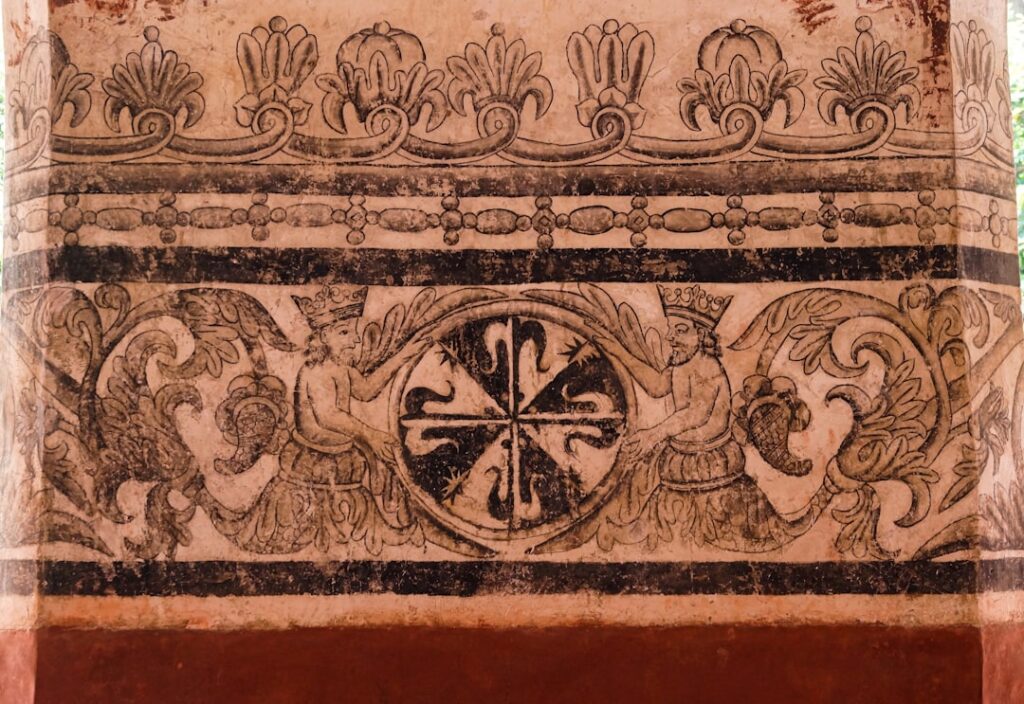
Full name: Cappella di Santa Maria dei Bianchi. Address: Via dei Priori, 10, 06123 Perugia PG, Italia. This small chapel, not far from Corso Vannucci, is a little gem reflecting confraternal piety from the Renaissance and Baroque periods. While discreet from the outside, it hides an altarpiece and finely worked stucco.
Opening hours: generally open Tuesday to Saturday 10:00 AM–1:00 PM and 3:00 PM–6:00 PM; Sunday afternoons only; closed Mondays. Entry price: often free or by suggested donation (€1.00–€3.00); sometimes included in a local museum pass.
Immersive description: the chapel surprises with its intimacy: narrow pews, an altar covered in gilded motifs and a central altarpiece showing the Virgin in glory surrounded by local saints. Delicately modeled Baroque stuccoes create a photogenic play of light and shadow. The scent of old wood and the faint creak of floorboards underfoot reinforce the feeling of stepping into a place preserved from time.
Practical tips: check the schedule for religious services (local notices often posted on the door). If the chapel is closed, ask at the nearby shop or the adjoining sacristy: many of these small sanctuaries open on request for guided visits. Respect silence and avoid flash photography; pigments are sensitive to bright light.
4. Oratorio dei Notari
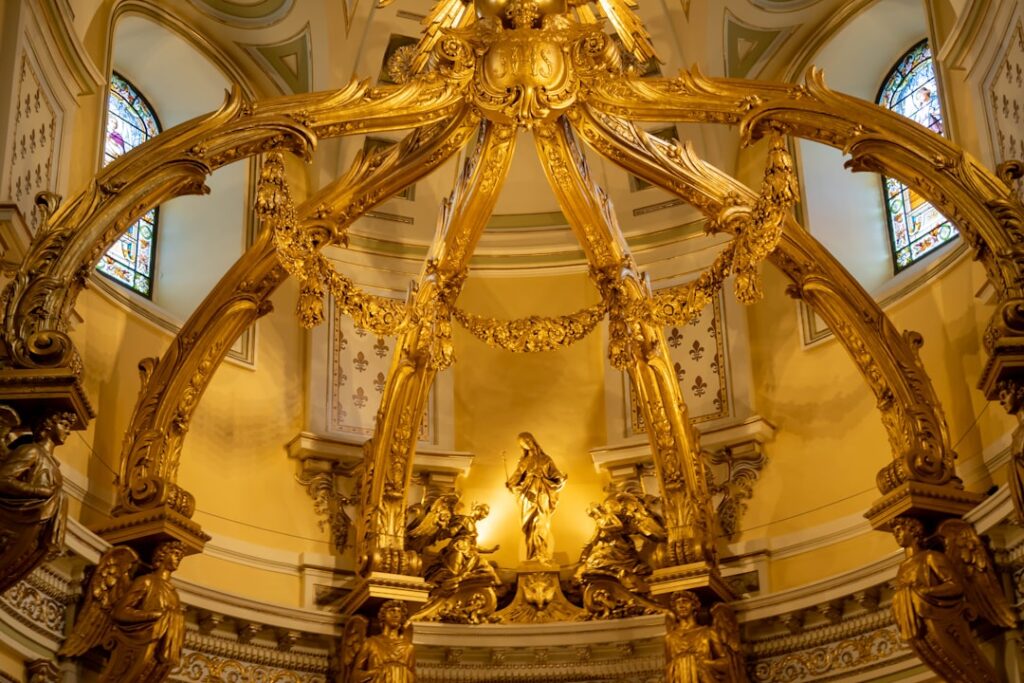
Full name: Oratorio dei Notari (Oratorio della Confraternita dei Notai). Address: Vicolo della Volpe, 4, 06123 Perugia PG, Italia. The Oratorio dei Notari is tied to the city’s medieval guilds; inside you’ll find a series of frescoes and decoration illustrating the civic and religious life of Perugia’s notaries.
Opening hours: often open Wednesday to Sunday 9:30 AM–12:30 PM and 3:00 PM–6:00 PM; hours vary with cultural events. Entry price: €3.00–€5.00; guided tours possible (reservation recommended).
Immersive description: entering the oratory you immediately notice the narrative quality of the mural paintings: patron saints, courtroom scenes and heraldic motifs run across the walls. The place combines civic function and private devotion, typical of Italian confraternities. The choir, wooden benches and the small but neat altar form an intimate and warm ensemble.
Practical tips: the Oratory is a short walk from Piazza IV Novembre and makes a perfect stop after visiting the Palazzo dei Priori. Explanatory panels are often available in Italian and English; if you’re interested in the history of medieval trades, look for a guide specializing in urban history. Wear comfortable shoes: the ancient floors are uneven.
5. Cappella degli Oddi (Chiesa di San Severo)
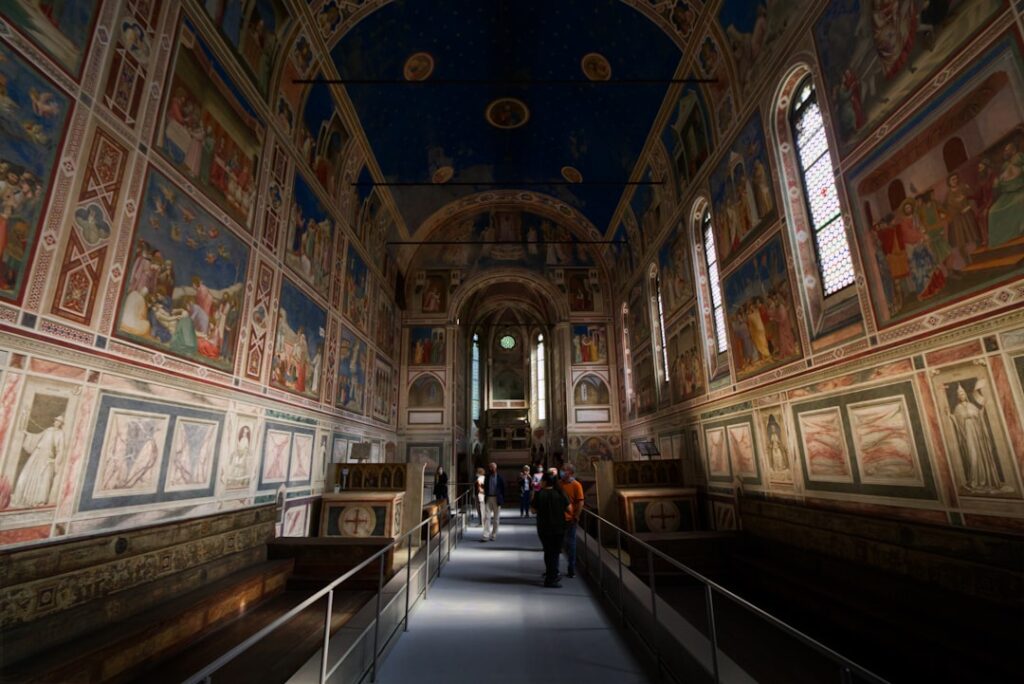
Full name: Cappella degli Oddi, San Severo church. Address: Via San Severo, 8, 06123 Perugia PG, Italia. Known for its blend of Gothic and Renaissance art, the Cappella degli Oddi is a local example of family patronage: the Oddi family funded sumptuous decorations and an ornate tomb.
Opening hours: visits usually possible Tuesday to Sunday 10:00 AM–1:00 PM and 3:00 PM–5:30 PM; contact the parish for confirmation. Entry price: suggested donation €2.00–€4.00; sometimes closed for services.
Immersive description: the entrance leads into a side chapel decorated with carved panels and a richly gilded altarpiece. The family tomb, carved with heraldic motifs and biblical scenes, is a central element, offering a poignant contrast between commemorative sculpture and simple devotion.
Practical tips: the chapel is less touristy than many other sites and is ideal for lovers of funerary sculpture. Check service times to avoid interrupting liturgy. For photographers, late afternoon side light reveals the relief of the carvings.
6. Cappella di San Michele Arcangelo (Chiesa di San Michele)
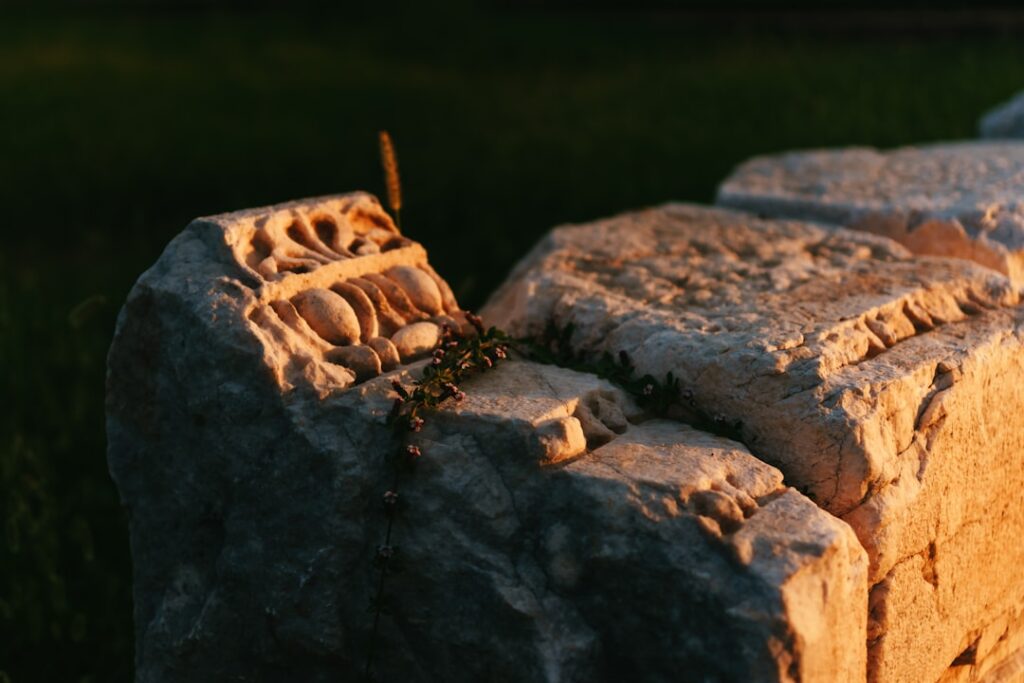
Full name: Cappella di San Michele Arcangelo, Chiesa di San Michele. Address: Piazza San Michele, 06123 Perugia PG, Italia. Tucked away in a little corner of the city, this chapel is dedicated to the archangel protector and features an altarpiece and votive paintings typical of popular devotion.
Opening hours: generally open mornings 9:00 AM–12:00 PM and evenings 4:00 PM–7:00 PM; times may vary with the parish. Entry price: free entry, donations for upkeep encouraged (€1.00–€2.00).
Immersive description: the interior is simple but rich in ex-votos and testimonies of popular faith: healing paintings, commemorative plaques and votive candles. The iconography of the archangel, with his stylized armor and sword, dominates a modest but moving decor. The atmosphere is close and warm.
Practical tips: ideal for those looking for signs of everyday religiosity. Ask at the sacristy about blessing times and masses if you’d like to attend. Note: the chapel may be closed during services or patronal celebrations.
7. Cappella del Corpus Domini (Basilica di San Domenico)
Full name: Cappella del Corpus Domini, annexed to the Basilica di San Domenico. Address: Piazza Giordano Bruno, 1, 06123 Perugia PG, Italia. Located within the large Dominican church, the Cappella del Corpus Domini houses a group of sacred works and a small liturgical treasury.
Opening hours: Basilica di San Domenico open daily 8:30 AM–12:30 PM and 3:00 PM–6:00 PM; the chapel accessible during the same hours. Entry price: generally free, suggested donation (€1.00–€5.00); some areas reserved for paid guided tours.
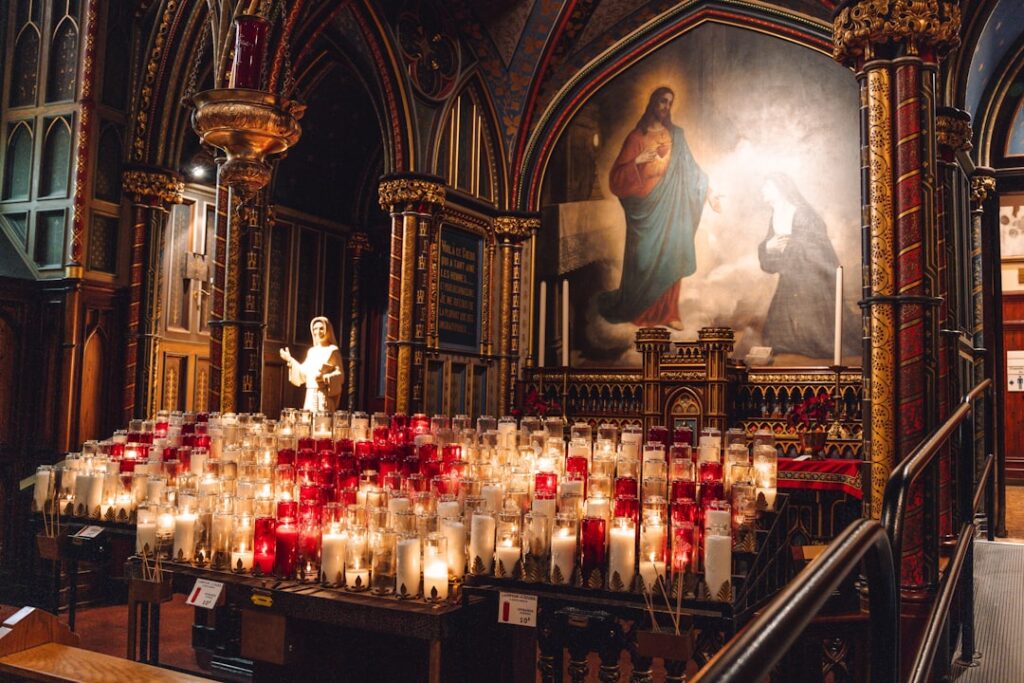
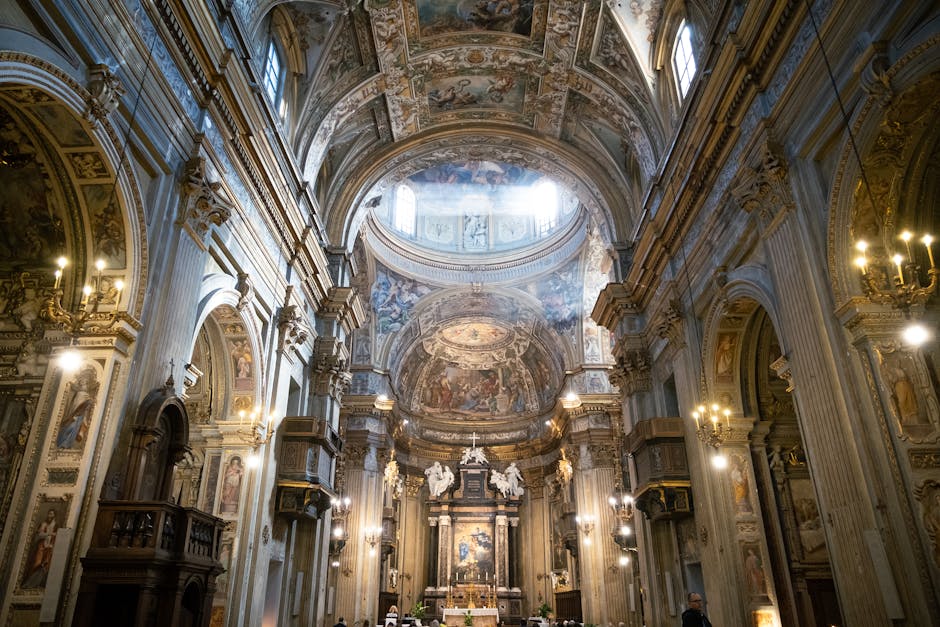
Immersive description: this corner of the basilica is a haven of sacred art: reliquaries, gilding, colorful stained glass and a finely worked altar. The high nave lets light descend in shafts toward the chapel, making metals and gold shimmer. The acoustics are superb: hearing a mass or choral piece here is unforgettable.
Practical tips: take time to explore the adjoining library and cloisters. Local musicians sometimes rehearse here; ask at the entrance about concert times or special liturgies. For conservation, don’t touch displayed objects and avoid flash photography.
8. Cappella di Sant’Ercolano (Duomo di Perugia)
Full name: Cappella di Sant’Ercolano, located in the Duomo di San Lorenzo (Cathedral of San Lorenzo). Address: Piazza IV Novembre, 06123 Perugia PG, Italia. The chapel dedicated to the patron saint of Assisi and Perugia sits inside the cathedral and contains precious paintings and liturgical objects.
Opening hours: the cathedral typically opens 8:30 AM–12:30 PM and 3:00 PM–7:00 PM; the chapel is accessible during these hours. Entry price: free access to the cathedral, suggested donation for guided tours (€2.00–€5.00). Some areas may be reserved for religious events.
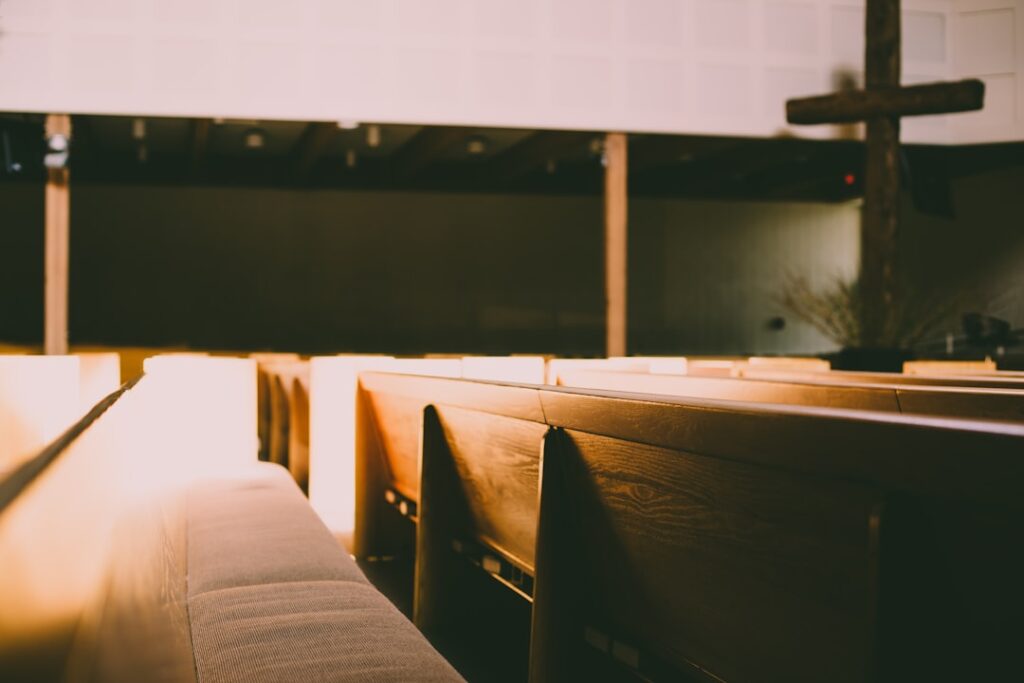
Immersive description: entering Sant’Ercolano’s chapel is to step into the heart of local devotion. The altarpiece, icons and ex-votos tell stories of municipal protection and miracles attributed to the saint. The place is particularly lively during patronal festivals, when processions and hymns animate the cathedral.
Practical tips: if your visit coincides with a service or celebration, follow the guidelines and remain discreet. For an overview, climb the lateral gallery (if accessible) to admire the pavement and side chapels from another angle. Audioguides are often available to help decode the iconography.
9. Cappella di San Francesco al Prato
Full name: Cappella di San Francesco al Prato (annex of the eponymous church). Address: Piazza San Francesco al Prato, 06123 Perugia PG, Italia. This site blends Franciscan simplicity with a series of local artistic interventions; the chapel is a favored place of contemplation for residents.
Opening hours: generally open 9:00 AM–12:30 PM and 3:00 PM–6:00 PM; times may vary with parish activities. Entry price: mostly free, donations welcome (€1.00–€3.00); guided tours on request.
Immersive description: the chapel breathes Franciscan sobriety: whitewashed walls, sculpted niches and frescoes in muted tones. Testimonies of fraternal life, commemorative plaques and the simple altar give the place great dignity. The emphasis here is on contemplation and a sense of closeness with the community.
Practical tips: perfect for a quiet pause during your urban route. If you want peace and quiet, weekday afternoons are ideal. Parish volunteers may sometimes provide a small leaflet explaining the site’s history.
10. Cappella di Santa Giuliana (Museo Capitolare)
Full name: Cappella di Santa Giuliana, integrated into the Museo Capitolare. Address: Via della Cattedrale, 18, 06123 Perugia PG, Italia. This chapel, connected to the cathedral’s capitular museum, combines liturgical elements and exhibitions of ecclesiastical objects, offering an immersive look at Perugia’s sacred practices.
Opening hours: Museo Capitolare generally open Tuesday to Sunday 10:00 AM–5:00 PM; the chapel follows these hours. Entry price: museum ticket including the chapel usually around €6.00–€8.00; reduced rates available.
Immersive description: the chapel preserves a trove of objects: finely worked reliquaries, embroidered liturgical textiles and medieval manuscripts. The exhibition space is arranged to highlight the link between artifacts and liturgy — a route that helps you understand not only the art but the sacramental function of these items.
Practical tips: combine a visit to Cappella di Santa Giuliana with a stop at the Museo Capitolare for fuller historical context. Display cases protect fragile pieces; avoid flash to respect conservation. Buy tickets in the morning to make the most of audioguides and museum staff who can comment on specific items.
Conclusion
Perugia reveals its soul to those who take the time to open lesser-seen doors: these ten chapels — from the Renaissance splendor of the Cappella del Cambio to small parish chapels with a warm intimacy — sketch a private map of the city. They tell stories of families, confraternities and religious orders, but also of changing artistic tastes and religious practices. Each chapel is a micro-museum, a cell of history with its own colors, acoustics, relics and narratives. Visiting them lets you see how faith was incarnated in stone, wood and color: wear, restorations and accumulated stories are all written on the walls.
To make the most of this route: plan visits around opening hours (many chapels have limited hours or close for services), favor weekdays or early mornings for more quiet, and check local public holidays in advance (many chapels close or modify schedules). Respect conservation rules: no flash, speak softly, don’t touch the works. If you travel light, a notebook and a small phrasebook of religious Italian words (sant’, cappella, oratorio, confraternita) will enrich your conversations with staff and volunteers.
Finally, let your senses guide you: the light through a display case, the rustle of an old missal’s pages, the breath of silence. These chapels are living heritage; they ask for listening and contemplation. After this walk, you’ll see Perugia differently: not just as a collection of monuments but as a constellation of intimate places, each holding a story to discover. Don’t forget to support local conservation initiatives — tickets, donations, buying catalogs — so these chapels can continue to enlighten future visitors. Safe inward travels in Perugia, and may these chapels offer you moments of preserved beauty.