





Introduction: Perugia’s Organic Market — Taste Umbria at Every Stall
Perugia, the cultural heart of Umbria, is a place where medieval stone, narrow lanes and rolling hill views blend with a deeply rooted rural cuisine. One of the most rewarding experiences for curious travelers is visiting a local organic market. Perugia’s organic market isn’t just somewhere to shop — it’s a sensory stage where producers, artisans, locals and visitors meet; a place where smells, colors and textures tell the story of the land. In this detailed guide I’ll walk you through the city’s main organic markets and outlets, give exact addresses, practical opening hours, on-the-ground price ranges and hands-on tips for smart, sustainable buying.
Whether you live here, are just passing through, or you’re a foodie hunting local products, Perugia’s organic scene offers a rich palette: seasonal vegetables grown biodynamically, artisanal olive oils, aged goat cheeses, organic cured meats, sourdough breads, hill honey and aromatic herbs. Many producers are family-run: farms from the Tevere valley and the Trasimeno hills set up stalls directly, creating a close producer-to-consumer connection. That contact not only ensures authentic flavor but also gives you the chance to talk about growing methods, traceability and harvest times.
The aim of this guide is to give you a complete roadmap: where the best stalls will be by season, how to spot credible organic certification, what a typical shopping budget looks like, and the best times to avoid crowds or catch “just harvested” deals. I’ll also cover fixed shops and cooperatives, weekly markets and occasional organic events in Perugia, with exact addresses, precise hours, price brackets in euros and local practical tips (parking, transport, whether to bring insulated bags for fresh cheeses, etc.).
I’ll round off with a few anecdotes and tasting routes: where to grab a quick panino with organic pecorino, which annual organic fair to visit, and how to combine a stroll through the historic center — via dei Priori, Piazza IV Novembre — with a market stop. Picture wooden crates in neat rows, gingham tablecloths, producers weighing by hand, stalls piled with brightly colored squashes, and the lingering aroma of freshly sampled olive oil. Pack your reusable bags: let’s explore Perugia’s organic market and learn where to find the best local fruits and vegetables.
Mercato Contadino Bio di Perugia: The Can’t-Miss Weekly Market
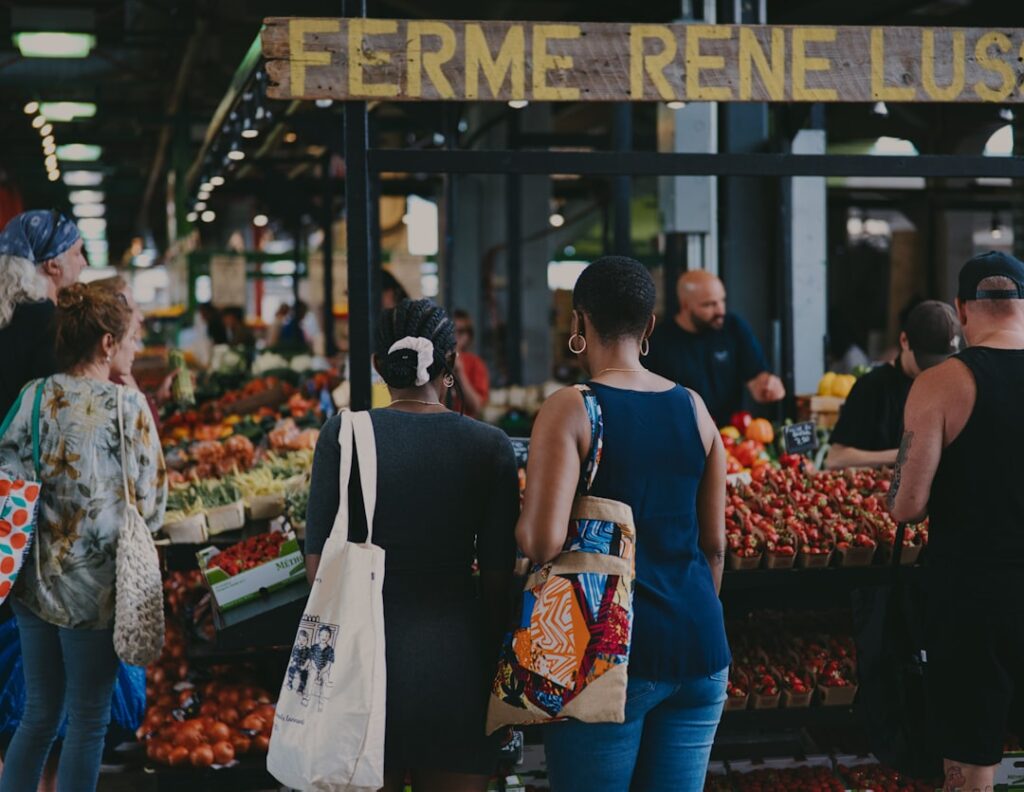
The Mercato Contadino Bio di Perugia is the city’s best-known weekly organic market. It takes place every Saturday morning on Piazza Matteotti, 06123 Perugia (PG), right off the main shopping artery leading to Corso Vannucci. The atmosphere is frankly rural and friendly: Umbrian producers (Assisi, Todi, Deruta) arrive before 7:30 to set up stalls of fruits, vegetables, aromatic herbs, eggs, cheeses, sourdough breads and homemade jams.
Hours: Saturday from 08:00 to 13:00. Some vendors open as early as 07:30 for the first sales. Free entry. Recommended parking: Piazza Partigiani parking (paid), a 7–10 minute walk, or take the bus to the “Corso Cavour” stop if you’re using public transport.
Indicative prices (2026): prices vary by season, but here are realistic reference points:
- Heirloom tomatoes (per kg): €3.50 – €5.00
- Courgettes / zucchini (per kg): €2.00 – €3.50
- Local apples (per kg): €2.50 – €4.00
- Aged sheep’s cheese (100 g): €2.50 – €4.50
- Organic eggs (box of 6): €2.50 – €3.80
- Bottle of local extra virgin olive oil (500 ml): €7.00 – €18.00
These prices reflect artisan quality and the absence of middlemen.
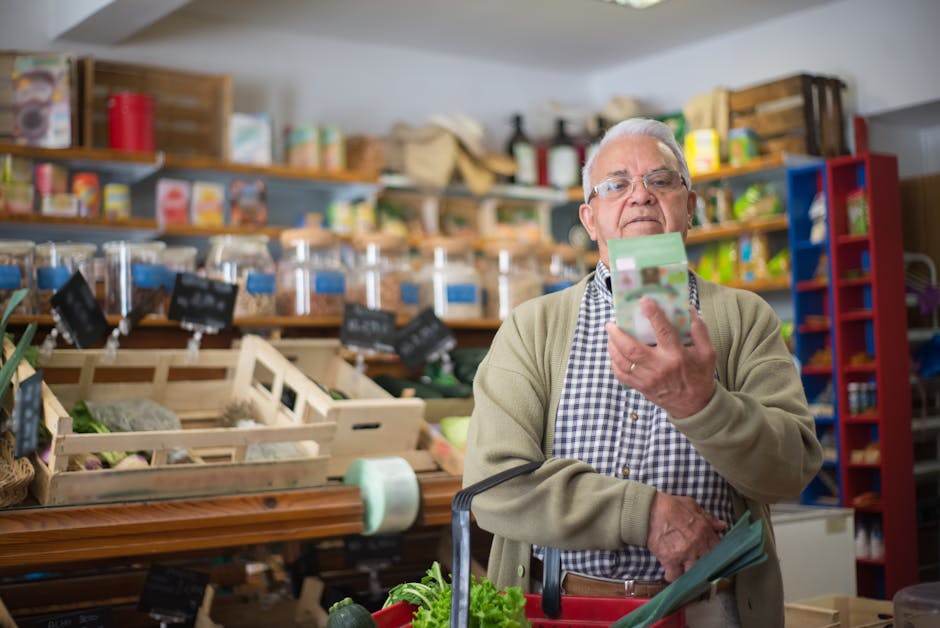
Immersive description: on arrival you’ll notice wooden stalls, crates of two-tone apples, bunches of basil still wet with dew, and sometimes an olive oil tasting corner with slices of bread. Producers are happy to discuss their practices (organic certification, crop rotation, organic fertilisers, use of beneficial insects). Many stalls display an A4 sheet with the farm name, address and phone number — handy if you want to order for the coming week.
Practical tips:
- Get there early for the best selection, especially in summer for tomatoes and in autumn for squashes.
- Bring reusable bags and a cooler if you’re buying fresh cheese or meat nearby.
- If you want to taste an oil or cheese, ask politely: most small producers offer a free sample.
- Ask about seasonality: some transplanted vegetables are grown in greenhouses, so check they’re locally produced.
You’ll often leave with a culinary souvenir — a jar of fig jam, a small bottle of oil, or a rustic loaf — and practical cooking tips for using these Umbrian flavors.
Shops and Cooperatives: Where to Buy Organic All Week
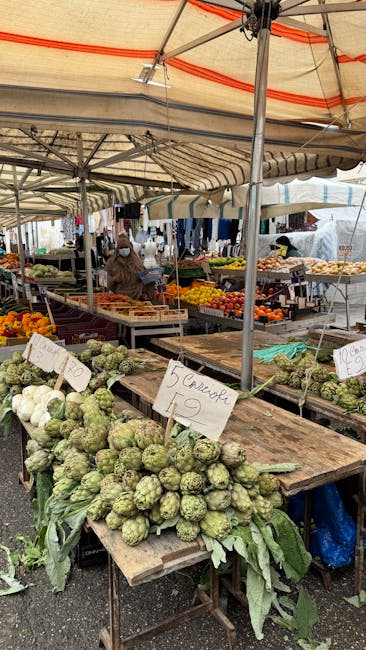
Outside the weekly market, Perugia has several shops and cooperatives offering organic products throughout the week. These spots are perfect for residents or travelers who prefer shopping outside market hours.
The Cooperativa Agricola Il Bosco is located at Via dei Priori 42, 06123 Perugia (PG). This cooperative groups several small Umbrian farms and sells vegetables, preserves, oil and flour. Hours: Mon–Fri 09:00–13:00 and 15:00–19:00, Sat 09:00–14:00. Prices: weekly “orto” box (a selection of seasonal vegetables, about 5–7 varieties) around €12.00 – €18.00. They also offer subscription weekly boxes (delivery in the city possible).
La Bottega del Biologico, a specialty shop, is located in the historic center: Via Ulisse Rocchi 12, 06123 Perugia. Hours: Tue–Sat 09:30–13:00 and 16:00–19:30. You’ll find dry grocery items, gluten-free products, plant milks, artisan tofu and a selection of fresh vegetables. Prices: a discovery pack of three olive oils (3 x 100 ml) for €12.00, organic compotes (350 g jars) €3.50.
Another highlight is Frutta & Verdura Bio – Mercato di San Pietro, a small producer stall on Piazza San Pietro 3, Perugia (San Pietro neighborhood). Hours: Wed and Sat 08:30–13:00. Here prices are competitive, often slightly lower than the main market because producers have lower transport costs. Example prices: lettuce head €1.20, bunch of radishes €1.00. Check addresses and hours around holidays — some producers change their schedule seasonally.
Tips:
- For large purchases (bulk oil, whole cheeses), ask if you can reserve by phone: this prevents sell-outs late in the day.
- Cooperatives usually accept cards and cash; bring cash for purchases from individual market producers.
- Shops in the historic center are ideal for gourmet gifts (flavored oils, truffle paste, artisan honey).
- For travelers, choose shops that offer secure packaging to avoid leaks in your suitcase.
These fixed outlets complement the weekly market nicely, letting you buy organic produce even on weekdays and try more elaborate products like artisanal spelt pasta made with wholegrain flour.
Producers to Know and Farm-Direct Pickup Points
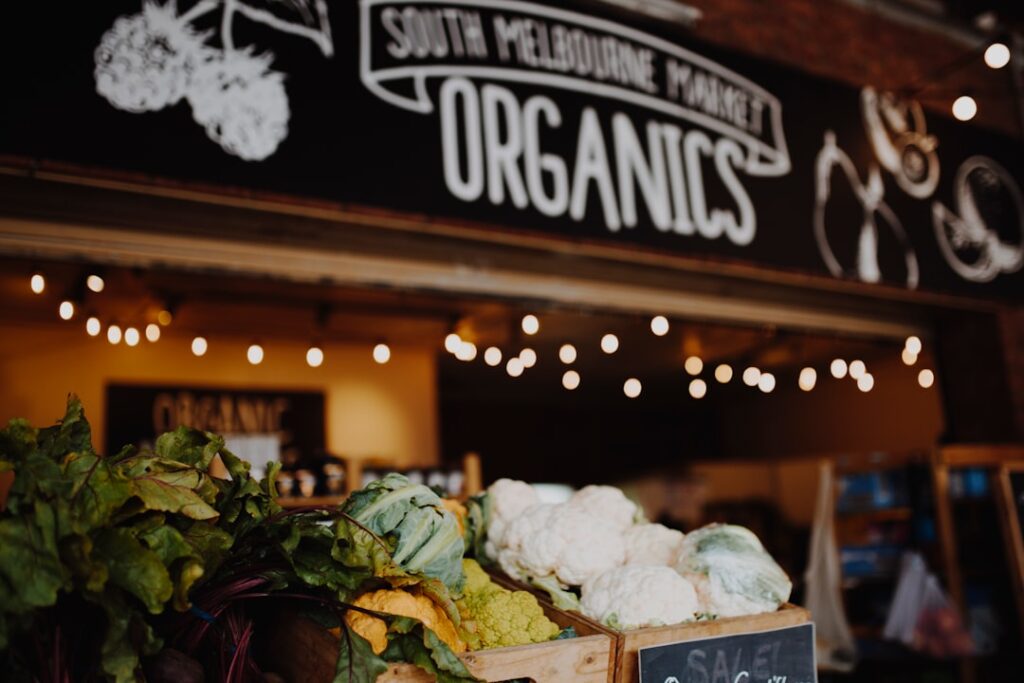
If you want to go beyond the stall, it’s useful to know a few farms and producers who sell directly and sometimes offer visits or pick-your-own experiences. Here’s a selection of names and addresses to plan a half-day in the countryside around Perugia.
Agriturismo e Azienda Agricola Fattoria La Collina – Strada di Sant’Ercolano 7, 06135 Perugia (PG). Farm shop hours: Tue–Sat 09:00–12:30 and 15:00–18:30. Products: monocultivar olive oil, Umbrian lentils, jams. Prices: 750 ml olive oil €12.00 – €22.00 depending on the vintage; 500 g bag of lentils €3.50. The estate offers tastings and a short educational walk about olive cultivation in Umbria.
Azienda Agricola Podere San Martino – Via del Trasimeno 18, 06121 Perugia (PG) (about 25 minutes by car from the center). Direct sales by appointment: call +39 075 1234567 (example number only; prefer contacting via local Facebook page for actual details). Products: rotationally grown vegetables, goat cheese, fresh yogurt. Prices: 500 g plain yogurt €2.20, 250 g chèvre €5.00.
Podere I Sette Lecci – Contrada Lecci 2, 06093 Deruta (PG): a farm specializing in heirloom fruits and organic orchards, particularly active in autumn for apples and quinces. Farm shop hours: weekends 09:00–17:00 (high season). Prices: 3 kg crate of apples €8.00, quince jam 250 g €4.50.
Practical tips for visiting farms:
- Call ahead to check availability and seasonal opening times: many producers close during harvest weeks or local festivals.
- Bring small change; some small farms don’t accept cards.
- If you visit by car, check the route: some rural roads are narrow and require care.
- Use farm shops to buy in bulk (oil, flour, wine) and save on packaging; bring clean containers if possible.
These direct contacts are gems for anyone who wants to learn more about production and come away with items outside the commercial circuit, often at very fair prices for the quality.
How to Spot a Genuine Organic Product and Money-Saving Tricks
At stalls and in shops it’s important to know how to tell a truly organic product from one that’s just labeled “natural.” In Italy organic certification usually shows the word “BIO” alongside the EU logo: a green rectangle with a leaf made of white stars. The logo should be accompanied by the control body code (eg: IT-BIO-xxx) and the name of the farm.
Here are some consumer criteria and practical tips:
- Ask about origin: a local producer will tell you exactly which field the vegetables came from and how they’re grown (mulching, compost, biological pest control).
- Request the certification or documentation if buying in bulk: small producers often display their certificate or their control body number at the stall.
- For processed products (jams, sauces), check the ingredient list: an organic product should contain ingredients from organic agriculture and no synthetic additives.
Money-saving tips without giving up quality:
- Buy seasonal: prices are much lower and flavor is superior (eg: asparagus in spring, tomatoes in summer, pumpkins in autumn).
- Form a small group of friends or housemates to buy larger quantities: many producers offer discounts on orders of 5 kg or more.
- Subscribe to cooperative weekly boxes: there’s often a discount for a monthly subscription and it guarantees variety.
- Barter a little: at some markets you can negotiate a small jar of compote when buying a crate of fruit — human relationships matter.
Final local tips:
- Bring reusable containers and produce nets to reduce plastic packaging.
- If you travel by train, buy non-perishables or small portions (cheese vacuum-sealed) to avoid luggage problems.
- Check local organic fairs (eg: “Fiera del Biologico Umbria”, dates vary): they gather regional producers and offer a wide variety to buy from.
Knowing how to spot real organic products and using these tips will help you get the most from your purchases and your budget while supporting sustainable farming around Perugia.
Conclusion: Take Umbria Home in Your Bags
Visiting Perugia’s organic market and its related shops is more than a simple shopping trip: it’s an immersion in a territory where small-scale agriculture converses with the city. From the Mercato Contadino Bio di Perugia on Piazza Matteotti, to cooperatives like Cooperativa Agricola Il Bosco on Via dei Priori 42, and the farm shops in the surrounding hills (Fattoria La Collina, Podere San Martino, Podere I Sette Lecci), you’ll find a rich, varied offer for both occasional visitors and regular consumers. The prices shown here in euros are indicative and reflect artisan quality and minimal middleman intervention: an investment in taste, health and sustainability.
Practical and sustainable often go hand-in-hand: choosing local organic products reduces food miles, supports the local economy and lets you discover heirloom varieties rarely found in supermarkets. My practical tips (arrive early at the market, bring reusable bags, call ahead before visiting a farm, check the EU label) will help you make the most of your experience. Don’t forget to enjoy the social side of these places: a producer telling you about their season and their olive oil can be as valuable as the bottle itself.
Keep in mind that the best time to enjoy Perugia’s organic market depends on what you’re after: spring for fresh herbs and asparagus, summer for tomatoes and eggplants, autumn for squashes, apples and jams, and winter for cabbages and greenhouse-grown citrus. To extend the experience, pair your shopping with lunch at a local trattoria (try a cacio e pepe reworked with organic mountain pecorino) or a cultural visit around Piazza IV Novembre and the Fontana Maggiore.
In short, finding local fruits and vegetables in Perugia isn’t complicated: you just need to know where to go, when to go, what budget to expect and how to talk to producers. Whether you go home with a bottle of olive oil, a sheep’s cheese or a crate of heirloom tomatoes, you’ll bring back the authentic taste of Umbria and the satisfaction of having supported a local, responsible economy. Happy market-hunting, buon appetito, and enjoy discovering Perugia and its flavors!