





Introduction: A Medieval Dip into the Heart of Perugia
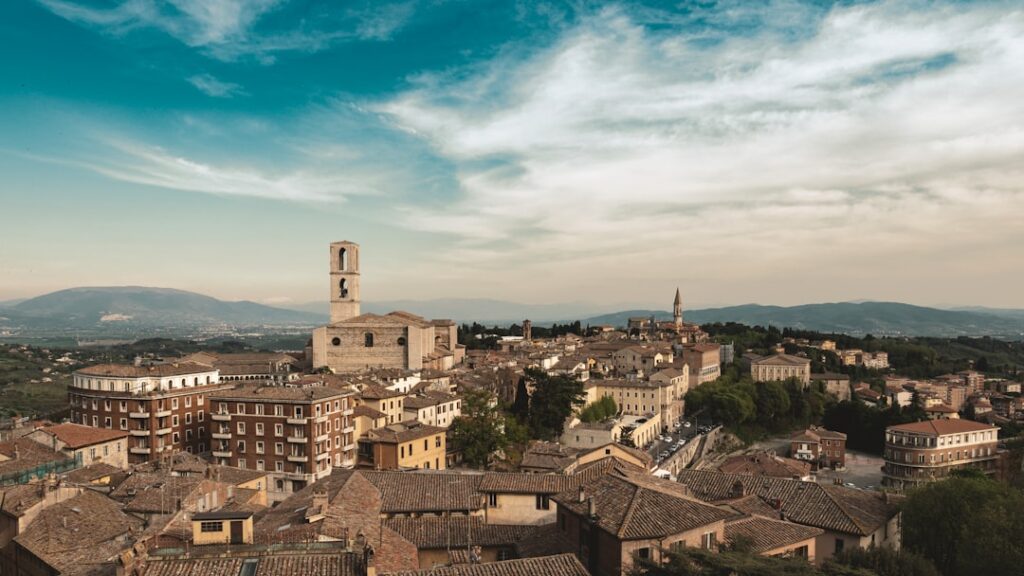
Perugia, the capital of Umbria, breathes history from every stone. Perched on a hill above the Tiber valley, the city reveals a remarkably well-preserved medieval center where narrow lanes, mysterious arches and lively squares tell stories that span centuries. A medieval walk in Perugia is perfect for families because it mixes historical discovery, chill-out spots, panoramic views and snack breaks that please both kids and grown-ups. In just two thoughtfully planned hours you can take in the essentials of Perugian heritage and give children visual and interactive anchors to remember the visit.
This two-hour family route is designed to be both rich and accessible: no exhausting long walks, stops close to each other, sites that are free or low-cost, and places where kids can run around or be amazed. You will cross the majestic Piazza IV Novembre, admire the Fontana Maggiore and the Duomo (Cattedrale di San Lorenzo), explore the imposing remains of the Rocca Paolina, then head to the Arco Etrusco and small local craft shops along Corso Vannucci. Each stop includes simple historical anecdotes to tell children, practical tips (public toilets, water points, snack breaks) and options to extend the visit if the family wants to dig deeper.
Before you set off, it helps to know a few practical details: the old town is largely pedestrian and the streets are cobbled so comfortable shoes are a must; several places offer reduced fares for children and families; most museums and main monuments open in the morning and close in the late afternoon or early evening, sometimes with a midday break. For each point of interest we will provide the exact address, typical opening times and entrance fees in euros so you can plan the day efficiently.
Finally, the suggested route favors flexibility: you can do it in either direction, and alternatives are suggested for families with strollers or younger kids. Pack a small backpack with water, some crackers, a camera or smartphone to capture colourful facades and vistas, and let Perugia’s medieval charm guide you. Here’s a timed, narrated route for two unforgettable hours in the heart of Umbria.
Step 1: Piazza IV Novembre — the central square and its treasures (30–40 minutes)
Start your walk at Piazza IV Novembre, the historical and symbolic heart of Perugia. Address: Piazza IV Novembre, 06123 Perugia PG, Italy. This triangular square brings together several major monuments you can admire at a relaxed pace: the Fontana Maggiore, the Palazzo dei Priori and the Cattedrale di San Lorenzo. The square is a lively place where kids can watch the pigeons while parents appreciate the surrounding Gothic and Romanesque architecture.
Fontana Maggiore: built in the 13th century, it is one of the most famous examples of Italian medieval fountains. Located in the centre of the square, it is decorated with bas-reliefs showing biblical scenes, the months of the year and symbols of the city. Free access. The fountain is accessible 24/7; however, the best times for photography are early morning or late afternoon when the light sculpts the carvings. 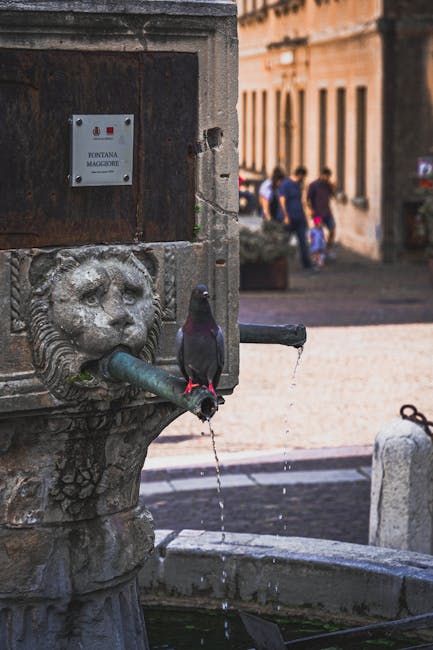
Palazzo dei Priori: exact address Palazzo dei Priori, Piazza IV Novembre, 1, 06123 Perugia PG, Italy. This Gothic palace houses the Galleria Nazionale dell’Umbria and several municipal halls. Typical opening hours: often open to the public from 9:30 to 18:00 (check seasonal times). Price: visiting the Galleria Nazionale dell’Umbria — adult ticket around €8, reduced €5 (youth, seniors); free for under-18s in many cases but please confirm on the official site on the day. The grand medieval halls and the tower offer a vivid display of Umbrian pictorial wealth. 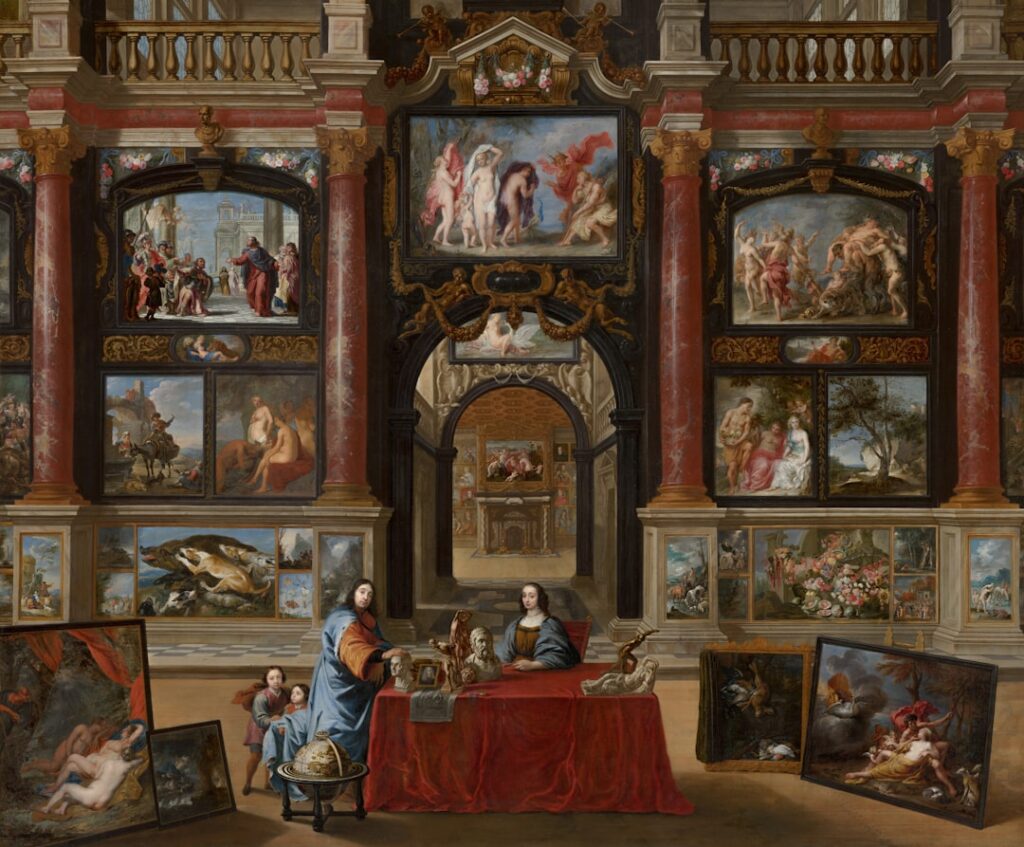
Cattedrale di San Lorenzo: located on the same piazza, the main entrance is on Piazza IV Novembre. Usual opening times: 9:00–12:00 and 15:30–18:00 (times may vary depending on religious services). Free entry to the nave; some chapels or attached museums may ask for a small donation or fee. The building shows a mix of Romanesque restraint and later Baroque additions — a great way to explain changing architectural styles to children.
Practical tips: allow 30 to 40 minutes here to admire the façades, snap a few photos, give a short kid-friendly history lesson (for example “who lived here in the Middle Ages?”), and possibly stop for a coffee on one of the terraces bordering the square. There are public toilets in the adjacent streets (usually paid, around €1). If you have a stroller, stick to the less cobbled sides of the square to move around more easily.
Step 2: Rocca Paolina and the underground world (30 minutes)
Head to Rocca Paolina, the dramatic bastion built in the 16th century by order of Pope Paul III, which today dominates part of the historic centre. Main access address: Rocca Paolina, Piazza Italia, 06123 Perugia PG, Italy (main access via the escalator stairway from Piazza Italia or Via dell’Acquedotto depending on your route). The site consists of a vast network of rooms, passages and medieval and modern remains, many of which are open to the public for free.
The special feature of Rocca Paolina is its interplay of levels: you can descend into the fortress and walk through vaulted corridors, low-ceilinged spaces and remains that make you feel like you’re travelling back in time. Access is generally free; the fortress is open continuously and closes late at night depending on the season (indicative hours: 7:00–23:00 for outdoor areas, interior rooms subject to exhibition hours). Kids love the “big maze” feel and the mysterious nooks, so allow some time for them to explore under supervision.
Internal points of interest: the Bastione, Piazza del Bastianello and the underground galleries that preserve traces of old neighbourhoods demolished to erect the fortress. The experience is immersive: you feel the imposing military presence and the marks of successive reconstructions. Informational panels and sometimes audio guides help contextualize the visit (some information kiosks offer brochures in English and Italian).
Practical tips: floors can be uneven and slightly damp; wear shoes with good grip. For families with strollers, some routes require stairs: a baby carrier may be more practical for very young children. Stop for a group photo on the upper ramp that offers a view over the city roofs — a perfect family shot. 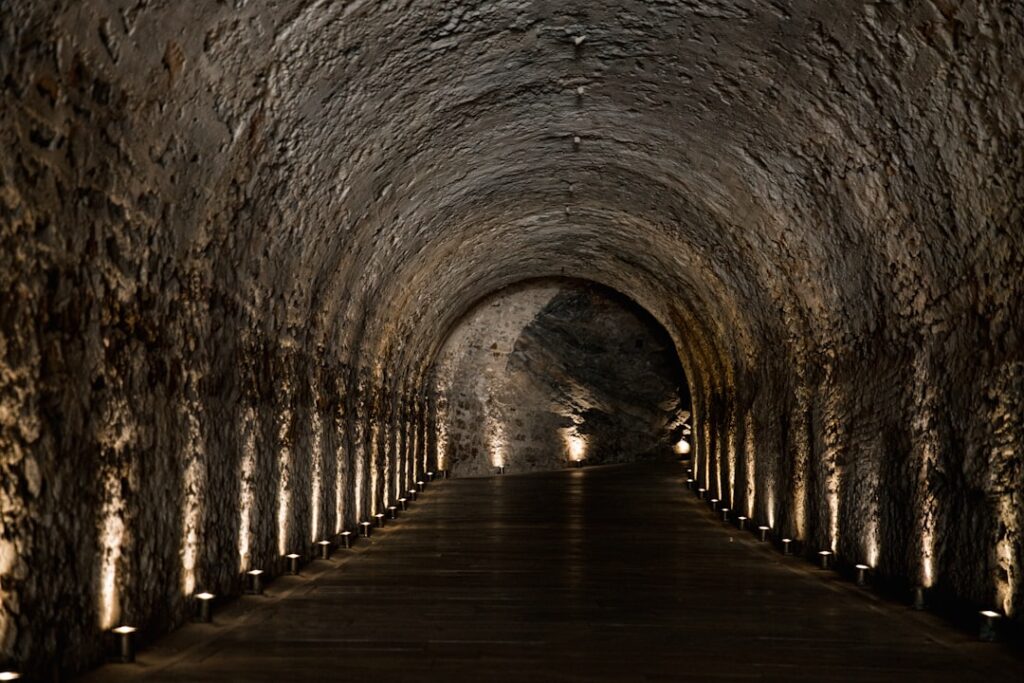
Step 3: Corso Vannucci and the Arco Etrusco — strolling, shopping and history (30–35 minutes)
After exploring the vertical world of Rocca Paolina, make your way up to Corso Vannucci, the pedestrian shopping avenue that crosses the historic centre and leads to the main medieval streets. Corso Vannucci is lined with artisan shops, gelaterias and small squares perfect for a snack. General address: Corso Vannucci, 06123 Perugia PG, Italy. Wandering along this street lets you take in local life, buy leather souvenirs or traditional Umbrian biscuits — cantucci — and watch the buzz of the terraces.
Arco Etrusco (Porta Augusta): located at the northwest edge of the historic centre, the Arco Etrusco is a major remnant of Perugia’s Etruscan walls. Approximate address: Arco Etrusco (Porta Augusta), Corso Cavour / Via Ulisse Rocchi, 06123 Perugia PG. It’s an impressive stone gate that recalls the city’s ancient origins and strategic role. The arch, clearly visible from the street, provides a striking contrast between the Middle Ages and Antiquity and makes an excellent landmark for kids.
The areas around Corso Vannucci offer many family-friendly food stops: gelaterias such as « La Romana » (check the exact address locally), little patisseries and cafés. Approximate budget for an ice cream for a family: €2–€4 per scoop. For a quick savoury snack (pizza al taglio or focaccia), expect €3–€6 per portion. 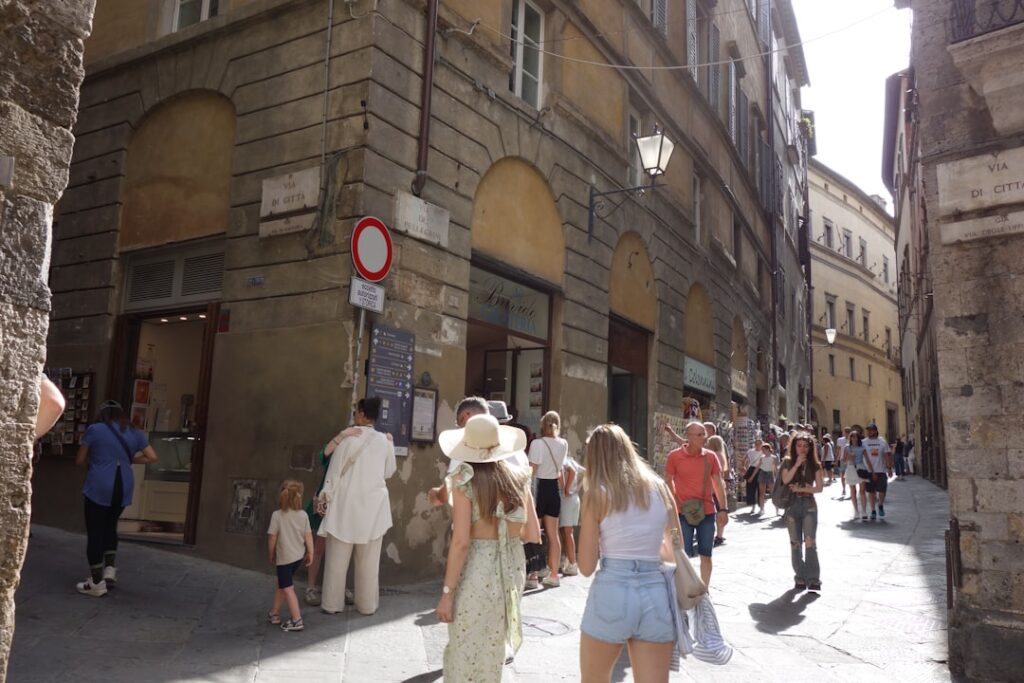
Practical tips: watch out for busy times (midday and late afternoon) when Corso Vannucci can be very lively. If you want to avoid the crowds, start early in the morning. Shops generally accept cards and cash, but having a few euros on hand makes small purchases at artisan stalls easier. For a memorable family photo, stand in front of the Arco Etrusco at golden hour for a warm glow.
Step 4: Pozzo Etrusco and the final viewpoint — playful wrap-up for children (20–30 minutes)
Finish the walk with a stop that mixes archaeological curiosity and a panorama: the Pozzo Etrusco (Etruscan well) and the overlook that hangs above the valley. Pozzo Etrusco: approximate address Via dell’Acquedotto / Piazza Piccinino, 06123 Perugia PG (the well can be visited from the central streets; follow signs from Corso Vannucci or Piazza IV Novembre). This well, dug into the rock and equipped with spiral stairs, shows the hydraulic know-how of ancient inhabitants and captivates kids who like to imagine how water was drawn in the past. Opening hours: often open to the public during the day; modest paid access (around €3 per adult, reduced rates for children and families). 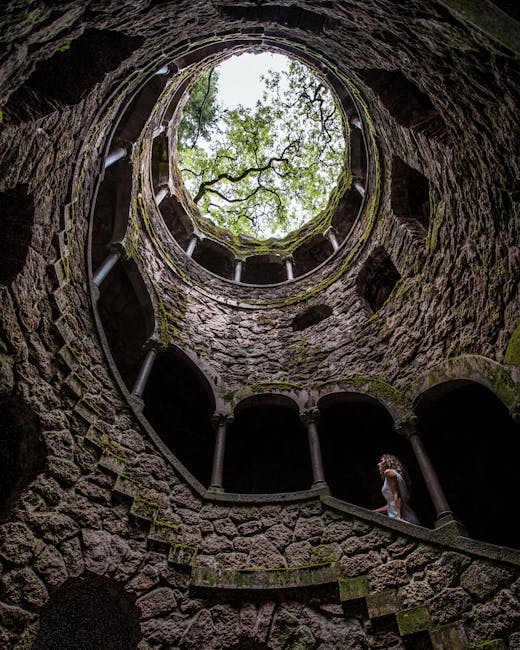
Final panorama: from the viewpoints along the ramparts or from the upper part of the Rocca Paolina you’ll enjoy an open view over the Umbrian countryside, rolling hills and Perugia’s red roofs. These spots are ideal for a pause, a group photo, tasting a local treat and letting kids play a few minutes under supervision. 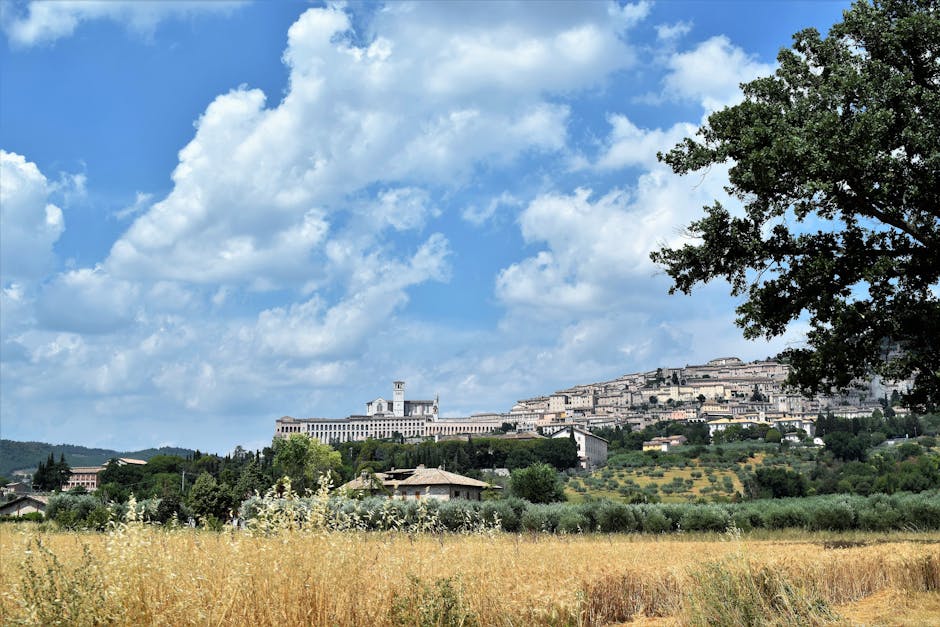
Fun activity to pitch to the kids: hand out a little « treasure hunt » list with 5 items to spot during the walk (for example: a carved coat of arms, a fountain, a tower, a studded wooden door, a alley cat). This keeps them engaged and turns the visit into an adventure. Plan a simple reward (a small local biscuit or an ice cream) to wrap up the hunt.
Final practical tips for the loop: keep cold water in an insulated bag (it can get hot in summer), bring plasters and a small first-aid kit, and download an offline map if you don’t want to rely on mobile data. If you have extra time, the Galleria Nazionale dell’Umbria (Palazzo dei Priori, Piazza IV Novembre, 1) is worth a deeper visit, as is the Museo Archeologico Nazionale dell’Umbria for families very curious about Etruscan remains (opening times and fees vary; allow an extra 1–1.5 hours).
Local practical tips and recommendations for families
To make the most of the two-hour medieval walk in Perugia, here are a set of local tips and tricks useful for families:
- Shoes and clothing: choose closed, comfortable shoes (trainers) because the streets are cobbled and sometimes steep. In case of rain, pack lightweight rainwear — cobbles become slippery.
- Strollers and accessibility: some stretches (Rocca Paolina, narrow alleys) can be tricky with a stroller. For very young children a baby carrier is often more practical. Public lifts and escalators (when in service) ease access from lower car parks.
- Toilets and breaks: public toilets are near Piazza IV Novembre and Corso Vannucci (usually paid, about €1). Many cafés will let you use their facilities if you buy something.
- Meals and budgets: for a light family lunch: estimated budget €10–€20 per person in a local trattoria; street food and ice cream: €2–€6 per item. Restaurants around the central square are convenient but slightly pricier than those on side streets.
- Tickets and reservations: the Galleria Nazionale dell’Umbria and some museums may require reservations in high season — buy tickets online if you plan to enter during peak hours. Family discounts are common; bring ID to qualify for reduced fares.
- Safety: Perugia is generally safe; still keep an eye on your belongings in very touristy spots. For kids’ safety, don’t let them run unmonitored near the edges of the ramparts.
- Best times to go: spring (May–June) and autumn (September–October) offer pleasant temperatures and fewer crowds. In summer, start early or go in the late afternoon to avoid the heat.
Condensed, timed itinerary: how to keep it to 2 hours
Here’s a compact, time-stamped itinerary to stick to the two-hour window while enjoying each stop:
- 00:00 – 00:05 : Arrive at Piazza IV Novembre. Spot the Fontana Maggiore and the cathedral.
- 00:05 – 00:25 : Free time on the piazza, photos and take in the Palazzo dei Priori (façade and surrounding quarters). If you go into the Galleria, add 20–30 minutes and adjust the rest of the route.
- 00:25 – 00:50 : Descend and explore Rocca Paolina (underground passages and bastions). Spend about 25 minutes exploring.
- 00:50 – 01:20 : Walk up Corso Vannucci, stop for ice cream/snack and browse artisan shops (30 minutes).
- 01:20 – 01:40 : Arrive at the Arco Etrusco, photos and a short historical tale for the kids (20 minutes).
- 01:40 – 02:00 : Pozzo Etrusco and final viewpoint; finish with a mini treasure hunt and a tasty reward (20 minutes).
Adjust timings to your family’s pace: add 20–30 minutes if you want to visit an indoor museum or have a sit-down meal.
Conclusion: Two hours, memories for a lifetime
A two-hour medieval walk in Perugia is a perfect way to blend history, culture, friendliness and family fun. By focusing on Piazza IV Novembre, Rocca Paolina, Corso Vannucci, the Arco Etrusco and the Pozzo Etrusco, you’ll craft a compact route rich in discoveries: medieval sculptures, art galleries, underground passages and panoramas that tell the long story of this Umbrian city.
This route is meant to be flexible: it adapts to hurried kids, stroller families, photography lovers and foodies. The addresses listed will help you locate each stop precisely, while the practical tips (opening hours, indicative prices, stroller and break recommendations) will let you plan the outing without stress. Even if you only have two hours, Perugia’s dense historic centre guarantees an intense immersion and memorable moments — a fascinating statue, a mysterious well, a welcoming gelateria can be enough to create an unforgettable memory for a child.
If you have more time, several extensions are possible: a deeper visit to the Galleria Nazionale dell’Umbria to admire Umbrian painting masterpieces, a longer stop at a traditional trattoria to taste local dishes (tagliatelle with truffles, Umbrian cured meats), or a walk out to the surrounding hills for even wider views. But even without these extras, the two-hour route we’ve suggested strikes a great balance between family pace and cultural richness. Bring little rewards, let the kids play guide for a minute or two, and above all, take time to listen to the stones and walls — they have plenty of stories to tell.
Have a wonderful medieval journey in Perugia — may this short but intense family stroll leave you with the taste of ancient stones, shared gelato and stories told in the Umbrian sunlight.