





Introduction: Perugia in Color, Sacred Art on the Walls
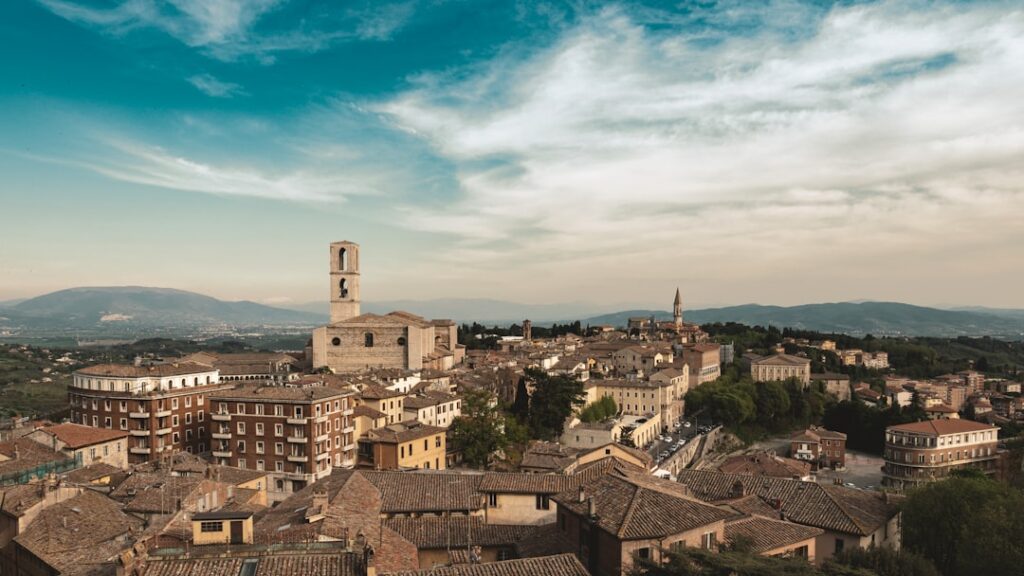
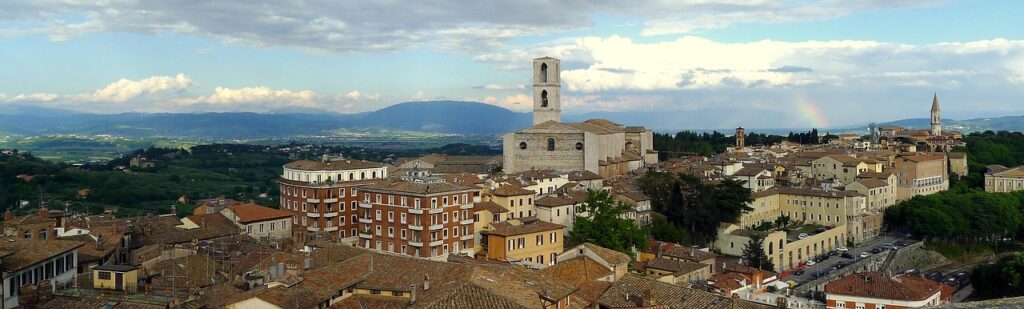
Perugia (Pérouse in French) is a city spread across several hills in Umbria, in the very heart of Italy. While many visitors come for the medieval charm of Corso Vannucci, the Fontana Maggiore and the city views, those who look closely will find another treasure: Perugia’s religious walls — churches, oratories, chapels and cloisters — form an open-air museum where sacred art has left a vivid, colorful imprint. “Perugia in Color: Sacred Art on the Walls” is a guide designed to help you spot, understand and appreciate these frescoes, polyptychs and wall decorations, and to place them within the historical and spiritual tapestry that produced them.
Sacred art in Perugia is not limited to framed canvases or statues: it lives in stone, in vaults and in the chapels attached to convents. Local artists and regional masters, from the Middle Ages through the Renaissance, left narrative cycles, Gospel scenes, locally venerated saints painted in fresco, and ornamental schemes in sometimes surprisingly vivid hues. These walls tell not only religious stories but also the tale of changing painting techniques, pigments and liturgical practices. Reading Perugia through its sacred walls is a way to understand how faith, civic power and patronage interwove to create a city that is itself a painting.
This guide is organized for the curious traveler and the discerning reader: you’ll find detailed descriptions of the main sites where wall-based sacred art is most significant, with exact addresses, opening hours, indicative prices in euros, practical tips for viewing the works (best angles, time of day, lighting), and local recommendations to extend the experience (cafés, bookstores, walking routes). Sections focus on specific buildings — basilicas, oratories, cloisters, integrated museums — aiming to provide a sensory immersion: the texture of the stone, bursts of pigment, the craquelure of frescoes, and the hush of chapels where these images still echo beliefs and practices.
Visiting Perugia’s sacred art sometimes takes patience: small chapels may open by request, keys are kept in sacristies, and some sites only allow access during guided tours in Italian and English. We also list practical information to help you avoid disappointments — closing days (museums often shut on Mondays), reduced fares for students and seniors, and official numbers or websites to check. To enrich your visual experience, the guide includes photographic pointers and “image markers” placed at the most photogenic spots so you can easily find the scenes not to be missed.
Whether you’re an art-history enthusiast, a spiritual pilgrim or simply a walker in love with color and texture, Perugia offers a stroll where every wall can become a window onto the past. Take your time, respect places of worship, and let yourself be surprised by the narrative and chromatic power of the sacred walls — masterpieces are often hiding around a corner, in an apse or beneath a freshly restored vault.
1. Galleria Nazionale dell’Umbria and Palazzo dei Priori: frescoes and integrated wall paintings
The Galleria Nazionale dell’Umbria is housed in the Palazzo dei Priori, the civic heart of Perugia. Address: Palazzo dei Priori, Corso Vannucci 1, 06123 Perugia PG, Italy. The gallery is accessed from the broad Piazza IV Novembre, which is also home to the famous Fontana Maggiore. This is one of the essential places to understand how sacred art has been preserved, studied and exhibited to the public.
Hours (subject to change): Tuesday–Sunday 10:00–19:00, closed Monday. Prices (indicative): full €10.00, reduced €6.00 (students and seniors), combined ticket with other municipal sites €12.00; occasional free admission on the first Sunday of the month. It’s recommended to check the Galleria Nazionale dell’Umbria’s official website before your visit.
The gallery houses major works by Umbrian and Italian artists and also preserves fragments of wall decorations. Among the essential items to look for are panels and remnants of frescoes taken from churches and oratories in the region, carefully removed and installed in a climate-controlled museum setting. These fragments reveal preparation techniques for the plaster, the use of natural pigments (ochre, cinnabar, green earth) and the highlighting of sacred figures.
A visit to the Palazzo dei Priori also shows how religious art dialogued with civic power: in the monumental rooms, wall decorations reflect the relationship between the municipality and the Church. Walls and vaults preserve decorative vestiges — emblems, patron saints and biblical scenes — that reveal the city’s desire to assert itself spiritually and politically.
Practical tips: favor a visit early in the morning or late afternoon to avoid the crowds on Corso Vannucci; bring a discreet flashlight if you want to inspect details (always respectfully and without touching). Don’t miss the section dedicated to Giotto and Umbrian painting, often accompanied by explanatory panels in English and Italian. Finally, take advantage of the proximity to the Basilica di San Domenico (see next section) to continue a themed walk.
2. Basilica di San Domenico and the sacristy: vaults, frescoes and local saints
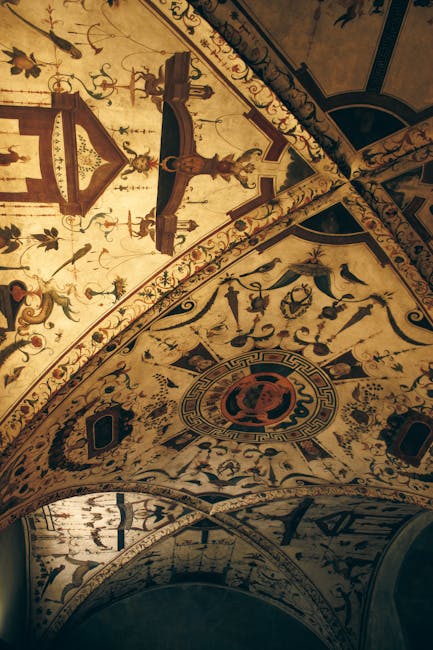
The Basilica di San Domenico is one of Perugia’s major religious buildings, located at Piazza San Domenico, 06123 Perugia PG, Italy. It’s a key site for lovers of mural sacred art: its vaults and chapels preserve pictorial cycles depicting the life of Christ and the saints, created between the 13th and 15th centuries by local masters. Recent studies have highlighted the layering of pictorial interventions: underlayers of plaster, retouches and successive restorations.
Approximate hours (check locally): Monday–Saturday 9:00–12:30 and 15:00–18:00, Sunday 10:00–12:00 and 16:00–18:00. Entry: the church is generally free; guided visits to the sacristy and private chapels €5.00–€8.00 depending on the organizer. Some areas may be accessible only during guided tours or talks organized by the parish.
The sacristy and side chapels are particularly interesting because they preserve less-restored wall paintings, where the patina of time and layers of wax and soot add an almost tactile dimension to the colors. Look, for example, for the chapel dedicated to a local saint — the figures there are often shown in liturgical dress, with precise iconographic attributes (books, palm branches, instruments of martyrdom).
Observation: notice how pigments react to natural light coming through high windows; reds deepen under artificial light while blues, often made with azurite, reveal nuances that standard artificial lighting tends to flatten. Recent restorations have sometimes uncovered preparatory drawings beneath the paint layer: these “spolveri” or carbon sketches reveal the hand of the artist.
Local tips: visit the basilica after a morning at the Galleria Nazionale dell’Umbria (Palazzo dei Priori) to enjoy the contrast between museum rooms and a liturgical space still in active use. Respect mass times, and if you want to photograph, ask permission at the sacristy — this is both courteous and sometimes required for non-private use. If you’re interested in a more technical read, ask whether brochures about the frescoes and conservation work are available: parishes often print short explanatory leaflets.
3. Oratorio di San Bernardino and small chapels: intimate discoveries
The Oratorio di San Bernardino is located at Via San Bernardino, 06123 Perugia PG, Italy. This small oratory, often less visited than the larger basilicas, offers a perfect example of sacred art intended for more intimate devotion: cycles of saints, painted ex-votos and ornamental decorations surrounding the prayer space. Umbrian oratories are painting labs where proximity to the public and devotional function encouraged moving, direct compositions.
Hours: the oratory is often open on request — typically 10:00–12:30 and 16:00–18:30 but it may close for ceremonies; call ahead or check with the Ufficio Turistico di Perugia (Tourist Office) for confirmation. Price: the visit is frequently free or by voluntary donation; some local guided tours charge €3.00–€5.00.
Immersive description: the oratory has low walls, soft light filtered through a stained-glass window, and frescoes arranged in a frieze that narrate the life of a patron saint — often Saint Bernardino himself, given the name. The painted faces of the faithful invite empathy; reading gestures and gazes in these compositions is a lesson in humanity: hands clasped, upward-looking eyes, garments subtly picked out with lines of light.
Techniques and materials: observe the layers of intonaco, the grain of the mortar and the pigmented impastos that have withstood time. Some frescoes still show metallic highlights (gilding with gold leaf or tempera), while others display pentimenti — changes to the original drawing — valuable clues to the artist’s process.
Local tips: get close to the frescoes, but don’t touch; use zoom if you’re photographing with a phone. Ask the site manager or volunteer if there are historical documents about the confraternity that funded these paintings: often these lay brotherhoods left archives and commissioning records. After your visit, cross the street for a coffee at the Caffè degli Artisti (location varies on Corso Vannucci) and compare notes with other visitors — a conversation over espresso often opens unexpected avenues of interpretation.
4. Cloisters and convents: mural paintings in communal spaces
Perugia’s cloisters and convents sometimes preserve mural cycles that are less spectacular but just as meaningful as those in major churches: scenes of monastic life, hagiographic episodes and decorative motifs that punctuated the everyday rhythm of religious orders. Among the places not to miss is the cloister of the Convento di San Francesco al Prato (access and availability may vary due to renovations), and other convents such as Santa Chiara. To find exact addresses, start at the Basilica di San Francesco al Prato, Piazza San Francesco al Prato, 06121 Perugia PG, Italy.
Hours: cloister access often depends on monastic life; generally, you can visit cloisters between 9:00 and 17:00 outside of religious service times. Fees: often free, sometimes a contribution of €2.00–€5.00 is requested for maintenance. It’s wise to check in advance with the ufficio informazioni turistiche (Tourist Office), Piazza Partigiani, or directly at the basilica’s reception.
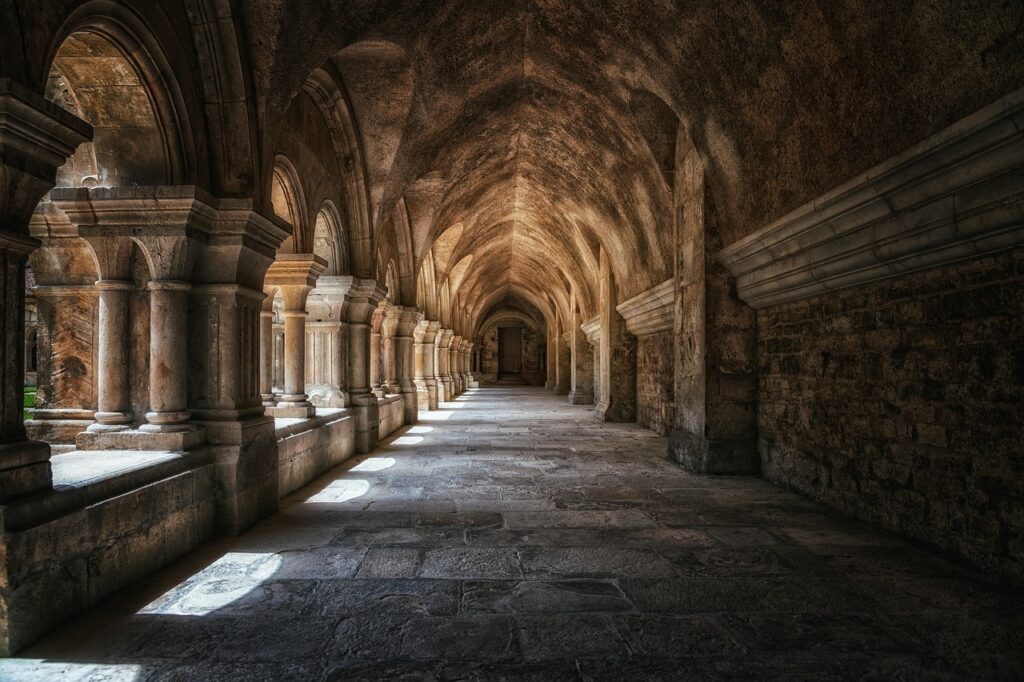
These cloistered spaces are havens of silence where painted walls served to morally and spiritually edify the religious community. The mural scenes were designed to be read during contemplative walks: each panel, each medallion tells a biblical or hagiographic episode, and the generally muted colors — dull greens, warm ochres — helped focus the mind. Architectural frames (arches, columns) create “painted windows” that extend the real space and invite contemplation.
Conservation and restoration: cloister frescoes have often benefited from consolidation campaigns, notably to stabilize plasters exposed to humidity variations. Recent restorations sometimes revealed underlying layers and allowed the restoration of erased iconographic cartouches. Conservators occasionally leave treated areas visible to show the before-and-after of the intervention: a great way to learn about technique without harming the works.
Local tips: plan your visit for the morning when side light illuminates the galleries to see reliefs and pigments re-saturated. Wear comfortable shoes — some cloisters have uneven floors — and respect the rules (no food, keep quiet). If possible, join a themed guided tour (monastic history, iconography); these tours, often organized by local associazioni culturali, usually cost between €8.00 and €15.00 and provide valuable keys to interpretation.
Conclusion: understanding and extending Perugia’s chromatic experience
Perugia reveals its history and spirituality to those who take the time to study its sacred walls. From the monumental Palazzo dei Priori to the intimate Oratorio di San Bernardino, through the vaults of the Basilica di San Domenico and the quiet cloisters of convents, mural sacred art is a living presence: it informs devotion, society and the aesthetics of successive eras. These paintings are not mere museum objects but surfaces engaged in liturgy and communal memory. Pigments speak of trade (imported lapis lazuli, local ochres), subjects reflect spiritual choices, and recent restorations testify to essential preservation efforts for future generations.
To make the most of your visit, take practical details into account: check hours and prices (museums and oratories can change their openings), look into guided tours, respect places of worship and ask permission to photograph when requested. Adopt a slow approach: study the faces, how an artist rendered fabric or a hand, note restored areas and the alterations that tell the material history of the painting.
A few final local tips: pick up a city map (available free at the Ufficio Turistico di Perugia, Piazza Italia / Piazza IV Novembre), wear modest clothing when visiting churches, and carry small change for sacristies that sometimes ask for a donation. Favor off-peak hours for the busiest sites (early morning, late afternoon) and don’t hesitate to wander into the small streets perpendicular to Corso Vannucci: it’s often there that the best-preserved oratories hide.
Finally, extend the experience by visiting local bookstores specializing in art history (for example Libreria Giunti al Punto near Corso Vannucci) to buy guides and reproductions, and by sitting down in a café or trattoria to compare impressions. Sacred wall art in Perugia is best discovered through conversation, over hours spent between reading images and listening to locals — the city’s colors are waiting for your patient, curious gaze.