




Introduction — Portraits of Perugia’s Makers: Artisans and Producers
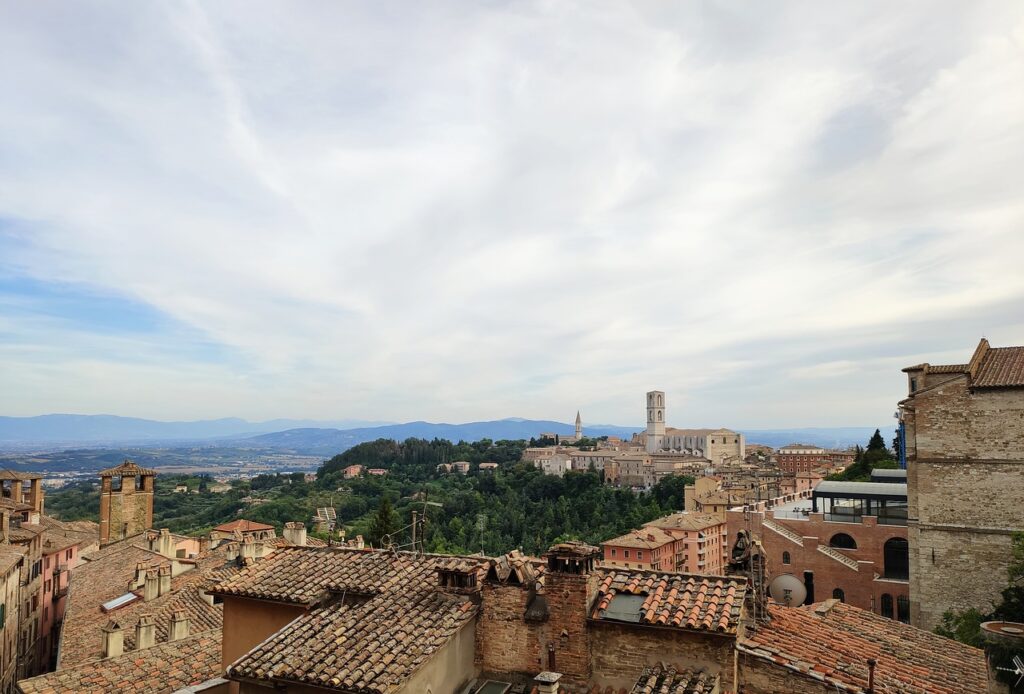
Perugia (Perugia in Italian) is a city that beats to the rhythm of local artisans and producers. Perched on a hill shaded by olive trees and cypresses, the Umbrian capital has preserved a fabric of small shops, workshops and family producers who keep long-standing skills alive: cheesemakers, chocolatiers, potters, leather masters, coffee roasters and beekeepers. In this in-depth guide I introduce lively portraits of these merchants: exact addresses, immersive descriptions, opening hours, prices and local tips to help you meet the artisans who define the city.
This guide doesn’t just list places: it places each artisan in context, explains what a visit looks like, what you can buy, at what price, and how to talk with the producer so you leave with an authentic, responsible souvenir. You’ll find addresses in the historic center — Corso Vannucci, Via dei Priori, Piazza IV Novembre — but also tucked-away lanes where pottery studios and microbreweries are hidden. Each profile is written so you can plan a pleasant stop: typical opening hours, any entrance fees, indicative product prices (in euros) and practical tips to avoid tourist traps.
Perugia likes to be known for chocolate and confectionery (the famous tradition of « confetti » and Perugina chocolate), but it’s also a land of terroir: raw-milk cheeses, artisan cured meats, extra-virgin olive oils and heirloom vegetables. The artisans featured here embody those traditions: you’ll learn how an aged pecorino is made, how a master chocolatier handles gianduia, or how a potter transforms local clay. For each address I list typical opening hours, product prices and, when relevant, the cost of a guided visit or a hands-on workshop. I also share tips on interacting with artisans: what questions to ask, how to buy a smaller amount to travel light, or how to preserve a perishable product while on the road.
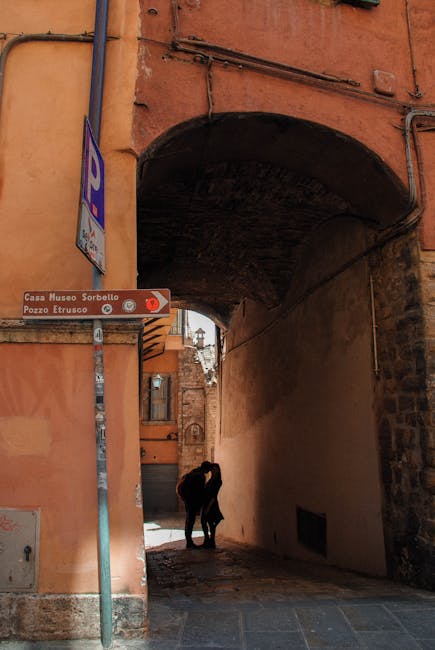
This travel feature doesn’t forget the sensory side: the aromas in a mill, the snap of a chocolate bar, the dust of clay in a pottery studio. It suggests routes that combine these stops with Perugia’s landmarks (Piazza IV Novembre, San Lorenzo Cathedral, the Etruscan Arch) so you can enjoy a balanced day of history and tasty encounters. Whether you’re a foodie, a craft lover or an inquisitive traveler, these merchant portraits will give you the keys to meet the real Perugia — the one that kneads, forges, smokes and creates.
1) Artisan Chocolate: Casa del Cioccolato Perugina — Workshop & Tasting
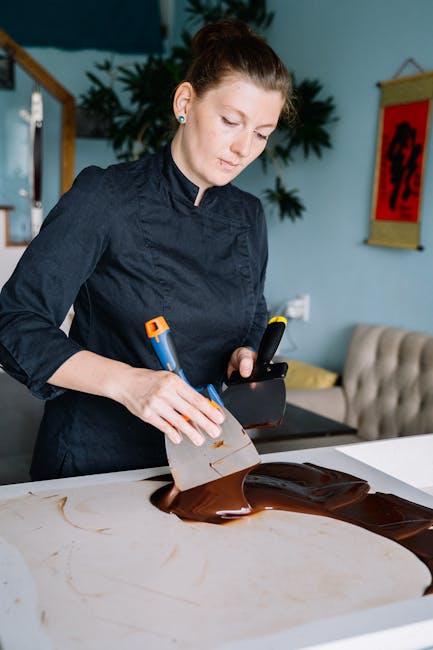
Perugia’s chocolate tradition is visible across several shops and workshops; one of the most visitor-friendly is Casa del Cioccolato Perugina right in the historic center. Address: Casa del Cioccolato Perugina, Corso Vannucci 32, 06123 Perugia PG, Italy. The shop-workshop offers a full experience: a workshop tour, tempering demonstrations and guided tastings. A guided visit (about 45 minutes) costs around €12 per person; a hands-on praline-making workshop is available for €35 per person — booking is recommended.
Opening hours: Tuesday to Sunday, 10:00–18:30; closed Monday. During busy periods (Christmas, Easter) hours may be extended. Inside the workshop you’ll find a small laboratory aesthetic: wooden tables, lined-up molds, steel scoops and shelves full of colorful boxes. Watch the master chocolatier work the cocoa mass, weigh the sugar and fold in local hazelnuts to make a silky gianduia.
Products and prices: artisan chocolate bar (100 g): €4.50–€7.00 depending on ingredients; box of 8 pralines: €9.00–€15.00; bag of assorted small chocolates (200 g): €12.00–€18.00. The shop also offers personalized corporate gift options (minimum 30 boxes) with quotes on request.
Local tips: arrive early to see the demonstration before the crowds; if you join the workshop, wear clothes you don’t mind getting a splash on. Ask the chocolatier for pairing suggestions (tea, passito wine) and how to store chocolate: ideal temperature 16–18 °C, away from humidity. Avoid leaving purchases in a hot car in summer — request thermal packaging.
2) Cheesemaker & Pecorino Producer: Caseificio San Lorenzo
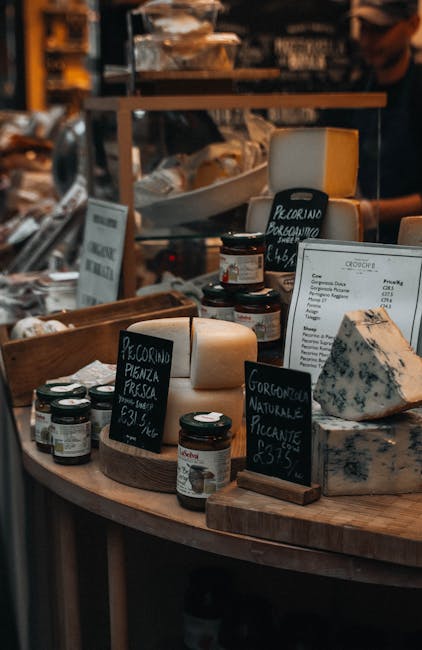
In Perugia and the surrounding countryside, pecorino and sheep’s milk cheeses are specialties best discovered at local producers. Caseificio San Lorenzo is a renowned artisan cheesemaker known for its aged pecorino and fresh ricottas. Address: Caseificio San Lorenzo, Via dei Priori 48, 06123 Perugia PG, Italy. This location combines a city shop with the option to visit the farm by appointment to see the production firsthand.
Shop hours: Tuesday to Saturday, 09:00–13:00 and 16:00–19:00; closed Sunday and Monday morning. Farm visits (by reservation): Tuesday to Saturday, 10:00–12:00; guided farm tour with tasting: €15 per adult, €8 per child (6–12 years). During a demo you’ll see milking (mechanical or traditional depending on season), milk coagulation, curd pressing and cheese aging.
Products and prices: pecorino fresco (250 g): €6.00–€8.00; semi-aged pecorino (400–500 g): €12.00–€18.00; 12-month aged pecorino (1 kg): €30.00–€45.00; fiordilatte ricotta (500 g): €4.50; burrata (200 g): €6.50. The dairy also offers gift assortments (cheese platters, local fig jams) starting around €25.00.
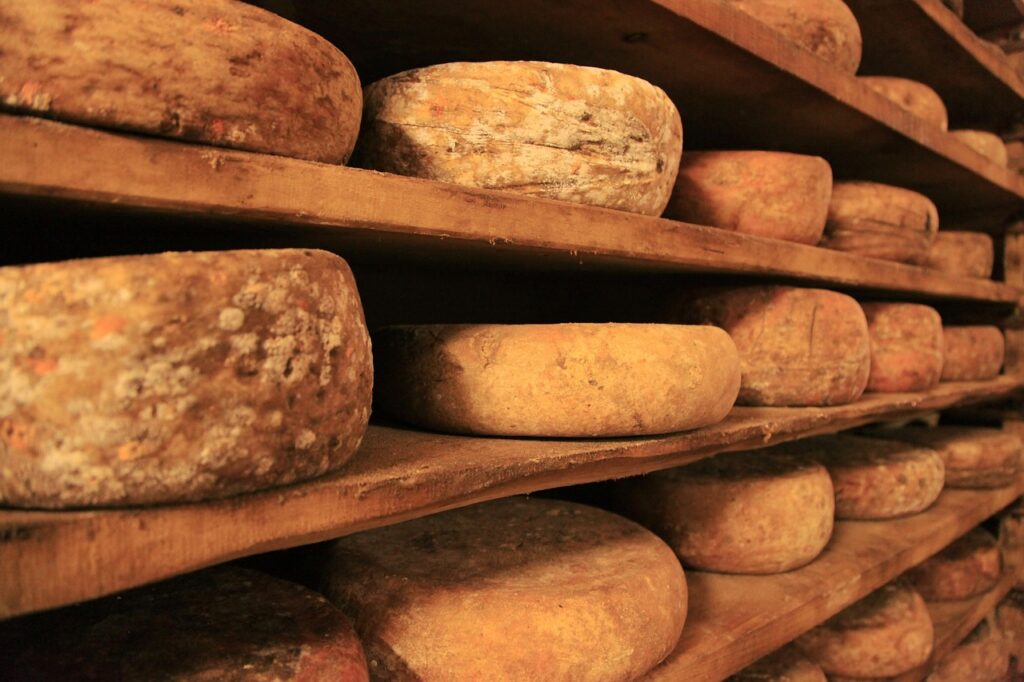
Immersive description: the scent of warmed milk mixes with dried herbs in the aging cellar. Shelves hold wheels with golden rinds; the master affineur rubs each cheese with olive oil and sea salt to control maturation. Textures range from the creamy young pecorino to the tyrosine crystals that characterize long-aged cheeses.
Local tips: ask for freshly sliced samples and try them plain, then with a local jam (fig or quince); buy a small aged piece instead of a large platter if you’re traveling — it keeps better when chilled. If you’re flying with cheese, check your airline rules; otherwise ask for vacuum-sealing the cheese (about €3.00–€5.00).
3) Ceramics & Pottery Studio: Laboratorio Ceramiche Umbre
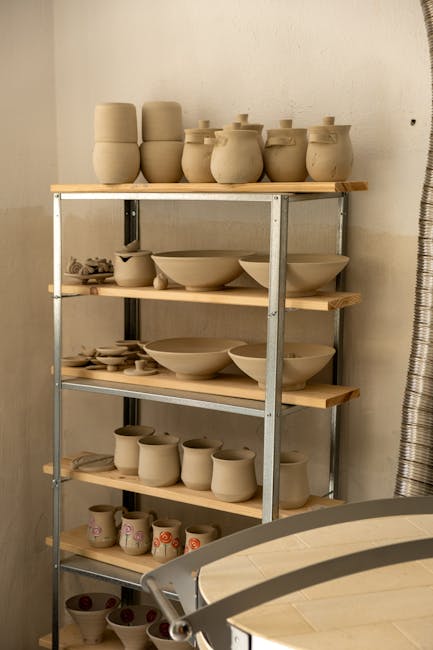
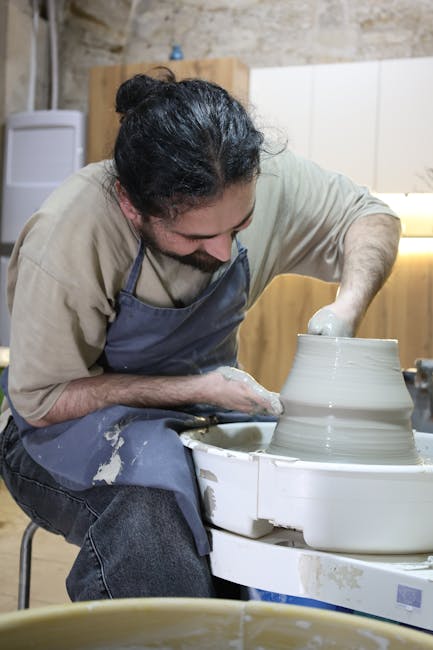
Umbria is rich in pottery studios where local clay is turned into useful and decorative objects. Laboratorio Ceramiche Umbre is a workshop-shop tucked into a medieval lane that preserves traditional throwing and decorating techniques. Address: Laboratorio Ceramiche Umbre, Via della Pescheria 12, 06123 Perugia PG, Italy. The studio offers daily demonstrations and introductory courses.
Opening hours: Monday to Saturday, 10:00–13:00 and 15:30–19:00; beginner workshops (2 hours): Tuesday, Thursday and Saturday at 11:00 and 16:00. Workshop price: €25 per person (materials included, the studio fires and ships the piece if you can’t take it home). Ready-made pieces for sale: cups, plates, jars — indicative prices: artisan cup €12.00, painted plate €22.00, large jar €85.00.
Immersive description: the space is full of sound and touch — the wheel’s hum, the slow rotation of clay, the smell of damp earth. Artists apply slips and glazes with geometric motifs inspired by Perugia’s medieval patterns. Dominant colors are ochre, deep blue and bottle green, achieved with natural oxides.
Local tips: if you want to bring back a bulky piece, ask about international shipping (from €25, depending on volume). Classes are usually small: book ahead, especially in summer. For gifts, favor stackable, dishwasher-safe pieces and look for the “suitable for food use” icon if you buy tableware.
4) The Covered Market & Local Producers: Mercato Coperto di Perugia
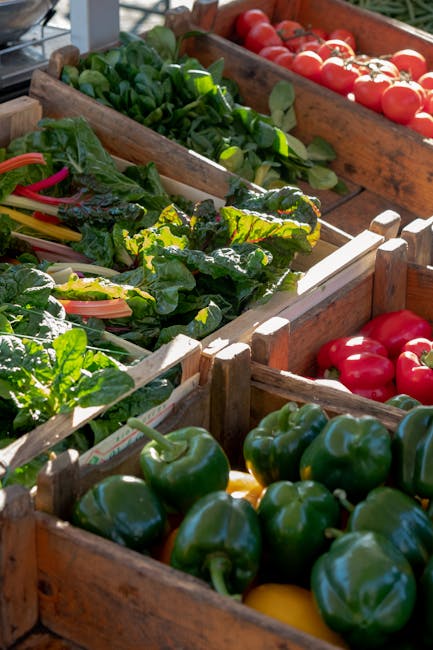
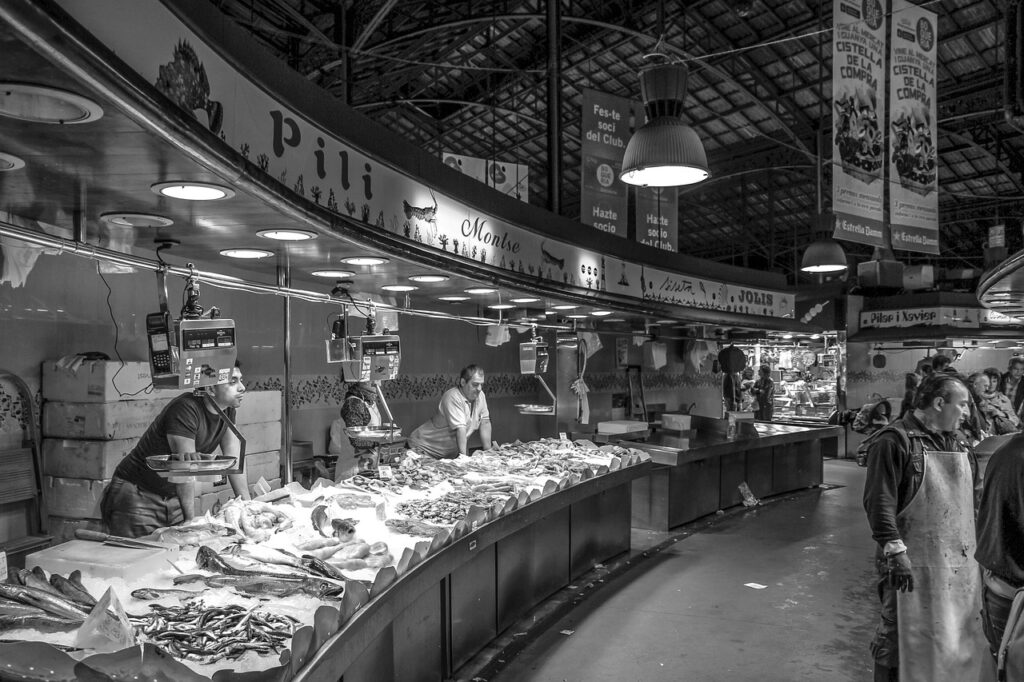
Perugia’s covered market is an essential place to understand the variety of local products and to meet producers. Address: Mercato Coperto di Perugia, Piazza Matteotti 5, 06121 Perugia PG, Italy. A few minutes’ walk from Piazza IV Novembre, the market combines fruit and vegetable stalls, butchers, fishmongers, cheesemongers and small gourmet stands.
Hours: Tuesday to Saturday, 07:00–13:30; some stalls also open afternoons (16:00–19:00) especially on Fridays. Closed Sunday, with a few stalls open Monday morning. The market comes alive early — it’s the best time to talk to the producers who sell their goods here. You’ll find heirloom vegetables (pomodori cuori di bue, cardoons), aromatic herbs, local flours and artisan cured meats.
Indicative prices: heirloom tomatoes (1 kg): €2.50–€4.00 depending on variety; extra-virgin olive oil 500 ml: €8.00–€18.00 depending on quality; local salami (approx. 300 g): €6.00–€10.00; tasting basket (charcuterie/cheese assortment): €12.00–€20.00.
Immersive description: in the heart of the market the aromas respond to each other — garlic, basil, warm bread. Vendors, often producers themselves, love to explain where their products come from: “quest’orto è mio” (this garden is mine), they say proudly. Don’t hesitate to ask for samples; most will offer an olive, a piece of cheese or a cracker to taste.
Local tips: bring an insulated bag for perishable purchases; if you buy large amounts of charcuterie or cheese, ask for vacuum packing. The market generally accepts cards for purchases over €20, but bring cash for small stalls. Visit in the morning to see deliveries arrive and to get the best picks.
5) Leather Goods Shop: Bottega del Cuoio Perugia
The leather tradition is alive in Perugia thanks to small shops crafting belts, bags and wallets by hand. Bottega del Cuoio Perugia is known for its high-quality leathers and precise workmanship. Address: Bottega del Cuoio Perugia, Via Bartolo 7, 06123 Perugia PG, Italy. The shop also serves as a workshop and offers demonstrations on request.
Hours: Monday to Saturday, 10:00–19:00 (open all day); some Saturdays in high season extend to 20:00. Artisans offer repairs and transformations (hemming, recoloring). Prices: leather coin purse €25.00–€45.00; custom belt €45.00–€90.00 depending on buckle and finish; artisan handbag €95.00–€220.00.
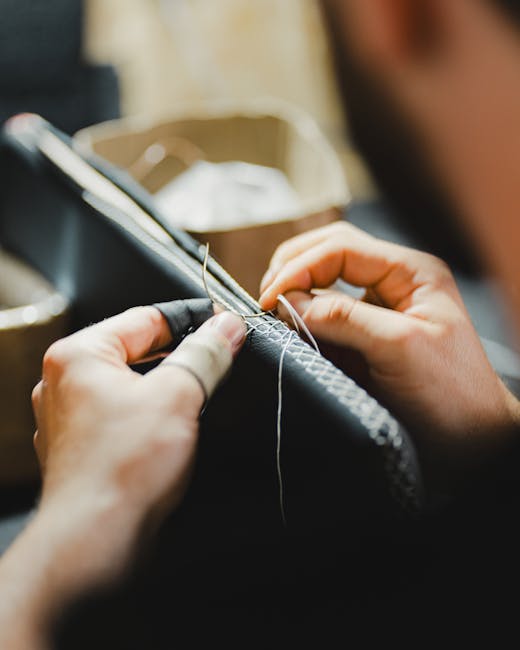
Immersive description: the shop smells of warm, rich leather. Tools (awls, punches, oiled leathers) are neatly arranged; skilled hands perform cutting, gluing and saddle stitching. The master leatherworker sometimes lets customers choose dye, thread and finishes, creating a truly personalized piece.
Local tips: if you order a custom piece, allow 3–7 days in low season and up to 2–3 weeks during peak tourist times. Ask about care: a leather cream (≈ €8.00–€12.00) will extend the life of your item. For export to some countries, request a detailed invoice for VAT refund purposes.
6) Beekeeper & Umbrian Honey: Azienda Agricola Miele Umbro
The Umbrian hills produce a variety of honeys — acacia, millefiori, chestnut — reflecting the region’s rich flora. Azienda Agricola Miele Umbro is a small producer who sells in their shop and at local markets. Address: Azienda Agricola Miele Umbro, Via del Macello 3, 06123 Perugia PG, Italy. The beekeeper runs tastings and explains bee cycles and nectar seasonality.
Shop hours: Wednesday to Saturday, 09:30–13:00 and 15:30–18:30; tastings by appointment: 10:00–12:00 (Wednesday and Friday). Prices: jar of honey 250 g: €5.00–€7.50; 500 g jar: €9.50–€15.00 depending on variety; discovery set (3 x 250 g): €14.00–€22.00. Educational visits (45–60 minutes) cost about €8 per person.
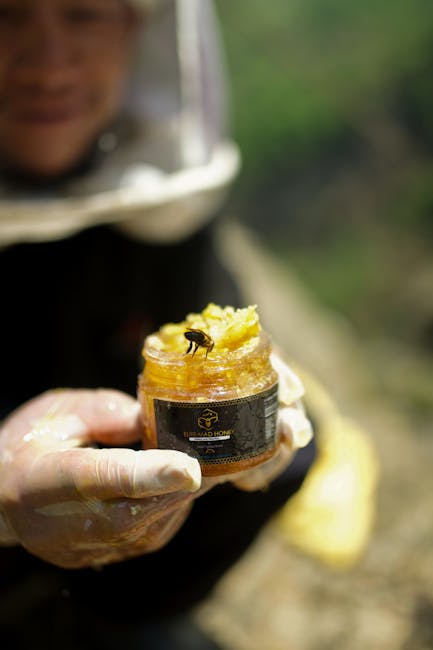
Immersive description: during a tasting the beekeeper will show differences in texture, color and aroma: clear, almost transparent acacia with delicate floral notes; dark chestnut with a resinous, powerful flavor. Hives are usually placed on the outskirts, away from urban areas, and the beekeeper will gladly share photos and pollen samples.
Local tips: honey naturally crystallizes — it’s a sign of purity. To liquefy it, place the jar in a warm water bath (do not exceed 40 °C). Buy glass jars and avoid large quantities if you’re flying (TSA/airline rules). If you’re interested in beekeeping, ask whether half-day workshops or harvest volunteering are offered — some producers accept volunteers for harvests (fees vary by season).
7) Microbrewery & Roastery: Birrificio Artigianale Perugia & Torrefazione Torrefattori del Centro
Several microbreweries and artisan roasters have sprung up in Perugia in recent years. Birrificio Artigianale Perugia produces top-fermented beers inspired by local recipes, while Torrefattori del Centro roasts coffee on site. Microbrewery address: Birrificio Artigianale Perugia, Via dei Canali 14, 06123 Perugia PG, Italy. Roastery address: Torrefattori del Centro, Piazza San Francesco 6, 06123 Perugia PG, Italy.
Birrificio hours: tours + tastings by reservation (Friday and Saturday 18:00–20:00); free tasting at the bar Thursday to Saturday 17:00–22:00. Tasting prices (3 x 15 cl): €6.00–€10.00; packs of 6 artisan bottles: €12.00–€20.00. Torrefattori hours: Monday to Saturday, 08:00–19:00; roasting workshops (60 minutes): Saturday 10:00–11:00; workshop price: €10.00.
Immersive description: in the microbrewery you’ll notice the smell of hops and malt; stainless tanks gleam with coppery reflections. The brewer presents recipes — a light blonde (5%), an amber (6.5%) and a local stout infused with beans roasted on site. The tasting room is often decorated with reclaimed barrels and hand-painted signs.
Local tips: pair a roastery visit with a microbrewery tasting to understand the coffee-beer interplay (some brewers use roasted grains in recipes). Artisan bottles keep well away from light; if you carry them in cabin luggage, pack them carefully. For enthusiasts, breweries sometimes sell limited editions (special cuvées, 33 cl) at €4.00–€6.00 per bottle.
Conclusion — Merchants, Craftsmanship and Tips for a Great Visit
Perugia isn’t just a historic destination: it’s a city where skills are passed down from generation to generation. The portraits you’ve just read — chocolatier, cheesemaker, potter, covered market, leatherworker, beekeeper, microbrewery and roastery — show the range of activities that make up the city’s economic and cultural identity. Meeting an artisan in Perugia means taking time to hear a story, watch skilled gestures and understand seasonality and ingredient origins.
To get the most from your visit, here are some practical recommendations: favor morning market visits to get the freshest products; book workshops and demonstrations a few days in advance in high season; bring an insulated bag and some cash for stalls; ask about how to store purchased products; request vacuum-packing if you need to keep cheese or cured meats for several days. If you plan to bring back bulky handcrafted objects, look into shipping options or ask about reinforced store packaging.
Talking with an artisan is often the most rewarding part of the trip: let their passion guide you, taste freely and buy less but better — quality local items that will extend the memory of your visit. Finally, support sustainable practices: choose producers who explain the origin of their materials, who use organic or semi-organic methods, and who respect the slow timing of aging and maturation.
Perugia awaits — a compact city where it’s easy to combine monumental heritage with tasty stops. Whether you’re after a wedge of aged pecorino, a handcrafted leather bag, a one-of-a-kind thrown cup, or a sensory discovery in a chocolate workshop, Perugia’s artisans offer a long, rich journey through past and present. Take your time: wander Corso Vannucci, lose yourself in the lanes, and let the small shops where things are still made by hand surprise you.