





Introduction: Must-See Altarpieces and Chapels in Perugia
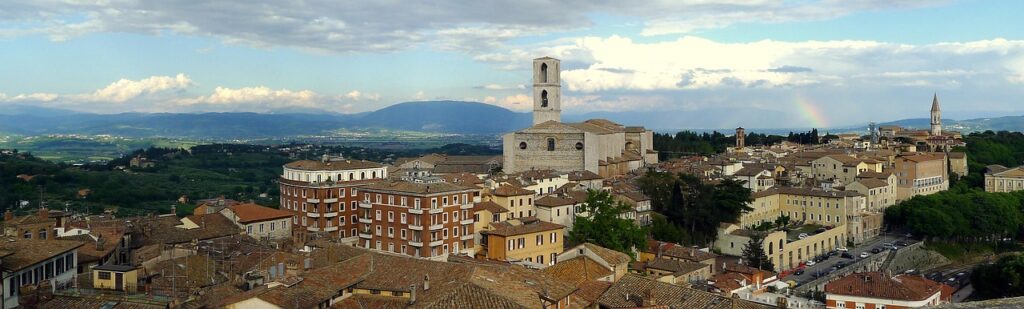
Perugia, perched high as the capital of Umbria, is a city where religious history is written in stone. Between medieval lanes, solemn squares and civic palaces turned museums, the altarpieces and small chapels scattered through the historic center offer an intimate artistic and spiritual experience that’s hard to match. These ensembles — sometimes part of large basilicas, sometimes hidden behind an anonymous door opening onto a courtyard — bear witness to centuries of iconography, local devotions and the hand of major artists like Pietro Perugino and his contemporaries. For the curious visitor, lingering in front of an altarpiece or stepping into a chapel can be more revealing than a simple exterior tour: materials, pigments, gilded frames, Latin inscriptions and traces of restoration all tell the story of the city, from municipal patronage to the activity of religious confraternities.
This practical guide points attentive travelers toward the altarpieces and chapels you shouldn’t miss in Perugia. It’s aimed both at lovers of sacred art and at visitors who want to soak up the atmosphere of these places. Each section includes practical details (exact addresses, opening hours, admission prices in euros), an immersive description of the works and spaces, plus local tips to make the most of your visit (best times to photograph, silence etiquette, combined routes). Some sites require reservations or offer combined tickets with other monuments — this guide flags those details so you can plan efficiently.
Throughout the following sections you’ll find a selection of basilicas, chapels and oratories that define Perugia — sometimes famous for their altarpieces, sometimes prized for the quality of conservation or the uniqueness of their interiors. The emphasis is on the on-site experience: how to approach an altarpiece without disturbing worshippers, which iconographic details to look for to understand local devotion, how to spot Renaissance interventions versus later Baroque additions. Finally, practical tips (quiet hours, accessibility considerations, audio guide costs) will help turn each visit into a rich, calm experience.
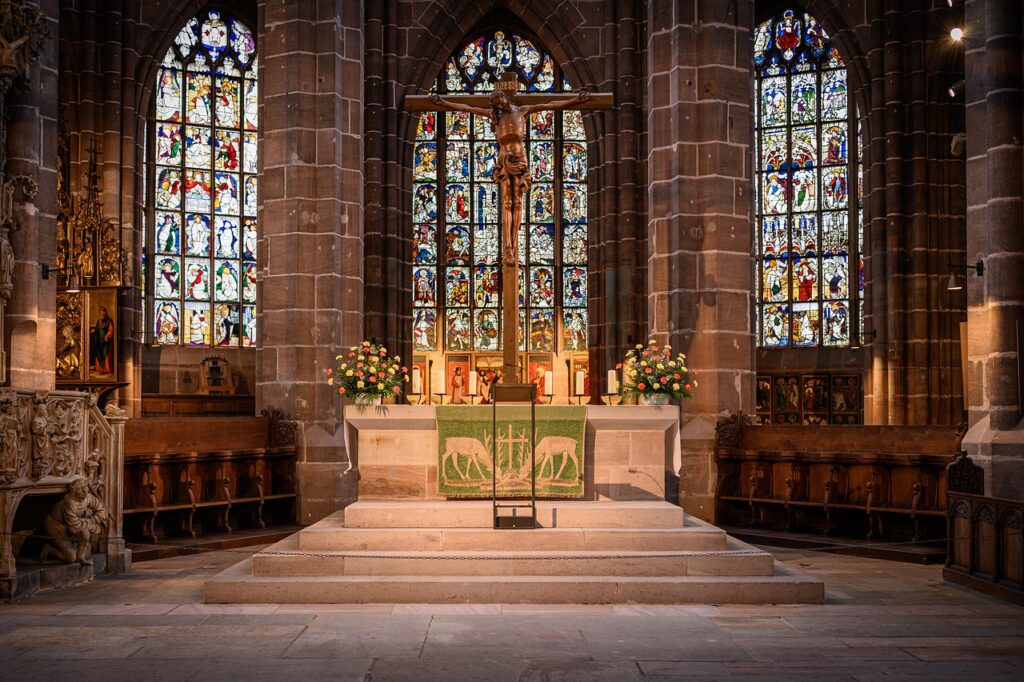
Basilica of San Domenico and the Chapel of the Holy Crucifix (Basilica di San Domenico)
Name and address: Basilica di San Domenico, Piazza San Domenico, 06123 Perugia PG, Italy.
Opening hours and admission: generally open Tuesday to Sunday from 09:00 to 18:00. Church access is free; guided tours / access to certain side chapels and the cloister usually operate on a donation basis (suggested: €2–3). Hours may change for services — check the parish site or local tourist office.
Immersive description: The Basilica di San Domenico presides over one of the city’s most solemn squares. From the outside it impresses with its sober mass, but the interior hides many surprises: several side chapels house remarkable altarpieces and sculptures as well as fragments of medieval paintings. One of the most photographed chapels preserves a sculpted calvary and a Baroque altarpiece framed by twisted columns and deep gilding that catches the late-afternoon side light.
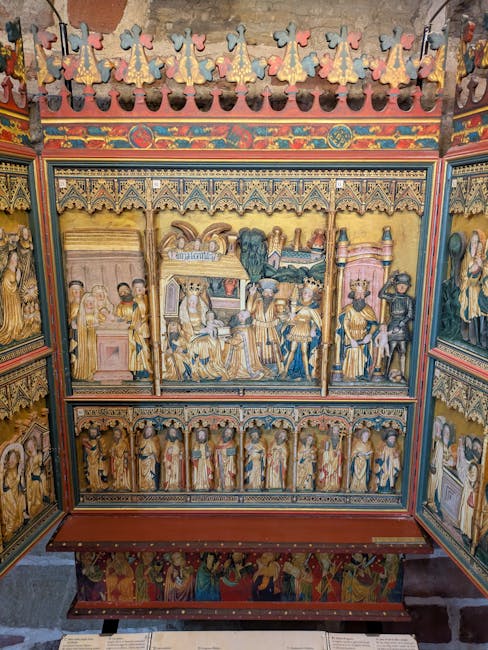
The main altarpiece, located in one of the side chapels dedicated to the Virgin or to the Crucified, often reflects layers of different eras: Renaissance painted panels set within a seventeenth-century carved surround. Up close, you’ll notice craquelure in the varnish, discreet overpainting and sometimes signatures of local workshops. The confraternity chapels — short in depth but rich in symbolism — reveal the importance of guilds in commissioning art: coats of arms, instruments of martyrdom and portraits of donors appear as painted or sculpted ex-votos.
Local tips: visit mid-morning (10:00–11:30) to avoid tour groups; be respectful and quiet if a Mass is in progress; ask the custodian if you can light a votive lamp near the altarpiece to better see the subtleties of the gilding. Photographers will appreciate the southern side light in late afternoon for a warmer rendering of the gold.
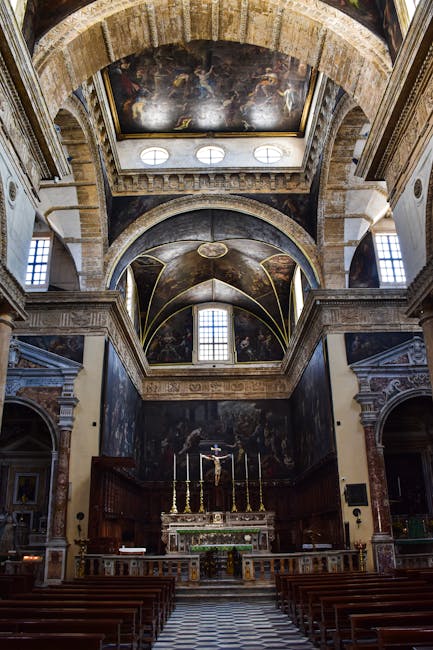
Cathedral of San Lorenzo and the Chapel of the Sacrament (Cattedrale di San Lorenzo)
Name and address: Cattedrale di San Lorenzo (Perugia Cathedral), Piazza IV Novembre, 06123 Perugia PG, Italy.
Opening hours and admission: the cathedral is usually open daily from 07:30 to 19:00; free entry for the main church. Some chapels and the baptistery may ask for a contribution (€2–5) or be accessible only during limited visiting hours. Check local notices for Mass times.
Immersive description: Piazza IV Novembre is Perugia’s civic and religious heart, and the Cathedral of San Lorenzo is its centerpiece. Inside, Gothic elements coexist with later alterations. The Cappella del Sacramento, a small enclave dedicated to Eucharistic adoration, houses a finely worked tabernacle and a restrained yet highly accomplished altarpiece: Eucharistic scenes, symbols such as bread, chalice and the Lamb, and Latin inscriptions carved in stone. The chapel’s sobriety highlights the quality of the woodwork and ornamental metalwork.
Don’t miss: the sacristy and adjacent baptistery, where older panels and altarpieces — some restored — reveal the devotional cycles of the diocese. The choir also preserves carved stalls and painted panels depicting episodes from the life of Saint Lawrence and other local saints.
Local tips: take in the panorama from the square to appreciate the rooftops and bell tower in sequence. If you’re interested in conservation, ask at the entrance about recent restoration projects — the cathedral has undergone consolidation campaigns often accompanied by temporary displays explaining restoration techniques. Photography is allowed, but no flash in the interior chapels.
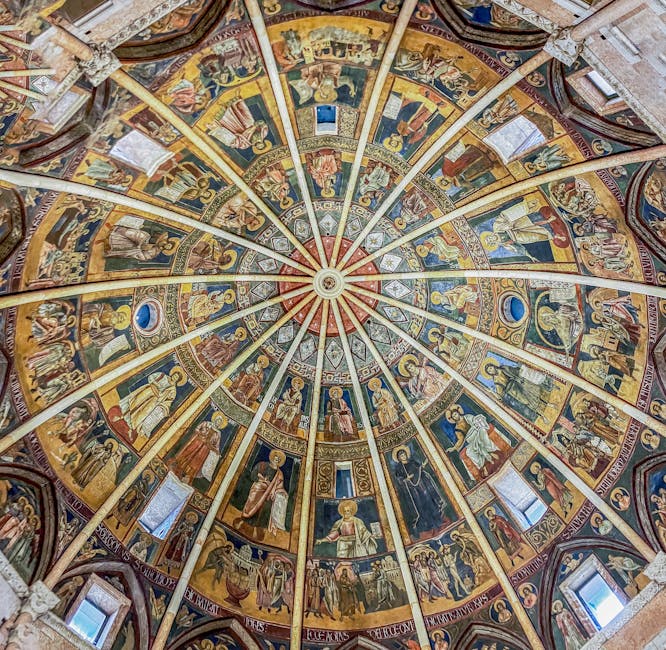
Collegio del Cambio and the Confraternity Chapel (Sala del Cambio)
Name and address: Collegio del Cambio (Sala delle Udienze del Collegio del Cambio), Piazza IV Novembre 1 (entrance via Via dei Priori), 06123 Perugia PG, Italy.
Opening hours and admission: generally open every day except Monday, 09:00–19:00; typical ticket price €8–10 (discounts for students/young visitors). Combined tickets with the Galleria Nazionale dell’Umbria are often available — ask at the ticket office for combined rates and times.
Immersive description: The Collegio del Cambio is one of Perugia’s artistic jewels. Although it functions as a guild audience hall rather than a church, its interior decoration serves the symbolic role of a civic chapel: painted altarpieces, decorative panels and a program of stucco and frescoes framing the magistrate’s tribune. Pietro Perugino and his workshop created works here intended to reflect moral authority and civic piety, blending religious scenes with allegories of justice.
The central altarpiece — and the surrounding panels — show saints and apostles in a composed arrangement, with a keen sense of perspective and the soft palette typical of the Quattrocento Umbrian style. The carved wood, gilding and original pavement reinforce the impression of a lay chapel where art and power answer one another.
Local tips: buy your ticket online to skip the line, especially in high season; pick up the audio guide to learn about the legal and religious symbols in plain terms. The tourist office occasionally offers themed guided tours (Art and Justice, Perugino-focused visits).
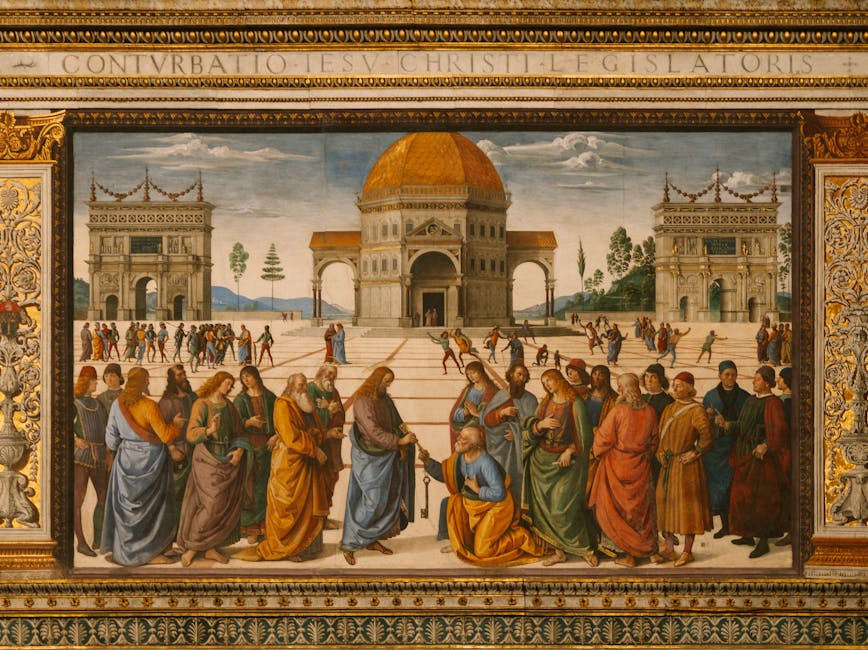
Oratory of San Bernardino and the Confreres’ Chapel (Oratorio di San Bernardino)
Name and address: Oratorio di San Bernardino, Corso Vannucci 99, 06123 Perugia PG, Italy.
Opening hours and admission: generally open 10:00–17:30; free entry or suggested contribution €2–4. Closed for occasional religious services; verify before you go.
Immersive description: The Oratory of San Bernardino is a typical example of small devotional spaces maintained by urban confraternities. Inside, the chapel stands out for its central altarpiece — often a panel painting depicting the Virgin and Child or scenes from the life of the patron saint — framed by stucco and mural paintings. The intimate scale of the place makes it ideal for studying details: ex-voto traces, inscriptions naming confreres who donated, and small reliquaries fixed to the walls.
These oratories are invaluable for understanding popular piety: confraternities funded and maintained these spaces, holding meetings and communal prayers there. The altarpiece, though sometimes modest, shows a local taste for direct, accessible iconography where devotion outweighs ostentation.
Local tips: try to visit late in the day, just before closing, when the fading light softens and warms the colors of the altarpiece. Iconography enthusiasts should look for small inscriptions in dialect or Latin naming donors — they tell the social history of Perugia.
Chapel of San Severo and the Confraternity Altarpiece (Cappella di San Severo)
Name and address: Cappella di San Severo (part of the San Severo complex / located via historic alleys near Corso Vannucci), entrance via Vicolo di San Severo, 06123 Perugia PG, Italy.
Opening hours and admission: irregular access depending on events; generally visitable through the tourist office or by appointment; suggested contribution €3–5 to help with opening and upkeep.
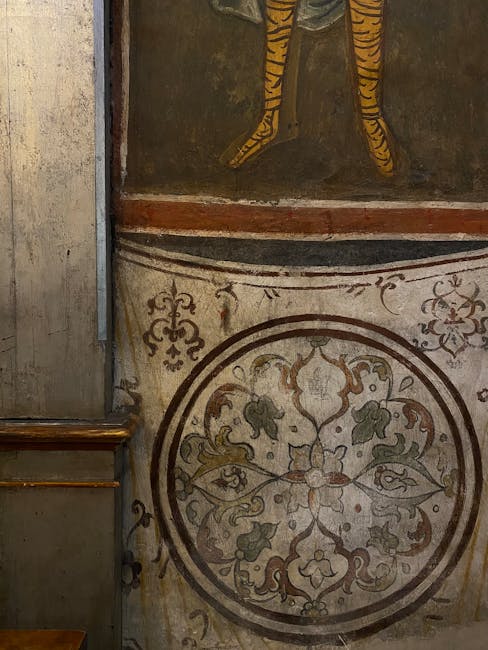
Immersive description: The Cappella di San Severo is typical of small neighborhood chapels often tucked away in the city’s less touristy corners. Its altarpiece, sometimes attributed to a local late-15th-century painter, offers a rich palette and costume details that tell you as much about fashion as about hagiographic attributes. Gold backgrounds, traces of polychromy and stucco inlays make this spot a micro-museum of urban devotion.
These spaces are especially interesting for those who want to see how sacred art interacted with everyday life: social status markers, patron saints chosen by local trades, and the frequent juxtaposition of styles — from early Gothic to Baroque interventions aiming to modernize the chapel.
Local tips: contact the tourist office to arrange an opening (the chapel is often only open for ceremonies or on request). Bring a magnifying glass or lean in carefully to inspect tiny inscriptions and hidden signatures on the altarpiece frame — they sometimes reveal workshops now forgotten.
Hidden Chapels in the Galleria Nazionale dell’Umbria and Combined Routes
Name and address: Galleria Nazionale dell’Umbria, Palazzo dei Priori, Piazza IV Novembre 1, 06123 Perugia PG, Italy.
Opening hours and admission: generally open every day except Monday, 08:30–19:30; typical ticket price €10–12 (discounts available). Combined tickets with other sites like the Collegio del Cambio are common.
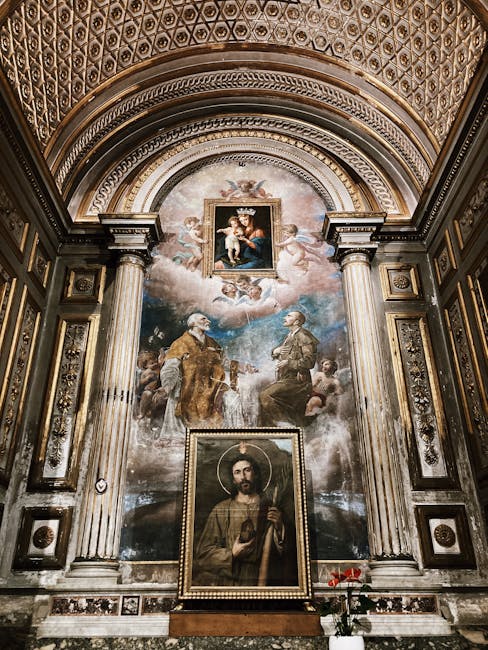
Immersive description: The Galleria Nazionale, best known for its painting collection, also houses several altarpieces moved from deconsecrated chapels or preserved for conservation. These altarpiece panels, often mounted in modern frames, let you study them up close without the constraints of an active place of worship. You can examine tempera technique, the arrangement of narrative registers and how gilding was applied.
Combined routes: for a coherent day, start at the Galleria Nazionale in the morning (it’s quieter and climate-controlled), then head to the Cathedral for midday. In the afternoon, visit the Collegio del Cambio and finish at the Oratorio di San Bernardino or a stop at the Basilica di San Domenico. Many combined tickets or multi-site discounts are available at the Palazzo dei Priori ticket desk.
Local tips: use the gallery’s audio guides to place the altarpieces in their original context; if you sketch, the Galleria often allows drawing without flash — ask permission at the entrance. Also read the explanatory panels to understand successive restorations: some altarpieces clearly show layers of overpainting, which is useful to grasp an artwork’s historical trajectory.
Conclusion: Suggested Itinerary and Final Recommendations
Perugia is a city where every turn can reveal a forgotten chapel, a precious altarpiece or a small confraternity whose archives preserve treasures. To get the most out of this experience, I recommend a two- to three-day itinerary that combines the major stops described here: begin with the Galleria Nazionale dell’Umbria and Cattedrale di San Lorenzo to set a historical and artistic framework; continue with the Collegio del Cambio for an immersion in civic Renaissance art; then alternate between the Basilica di San Domenico and more intimate oratories (Oratorio di San Bernardino, Cappella di San Severo) to feel popular piety and the variety of influences.
Estimated budget: plan on €20–30 per person for the main paid sites (Galleria Nazionale, Collegio del Cambio, occasional temporary exhibitions), plus small contributions or donations (€2–5) for opening chapels or oratories. Parish churches and several main chapels remain free, but respect Mass times and the quiet atmosphere. Audio guides or themed guided tours are often worth the cost — they provide keys to interpreting symbols and help you spot details that might escape a first glance.
Final practical tips: wear comfortable shoes (the cobbled streets can be demanding), bring a shawl or modest cover-up to enter places of worship, and favor visits in the morning or late afternoon for softer light on gilded altarpieces. If you’re a photographer, always check rules on flash use; many chapels prohibit it but allow photos without artificial lighting. Finally, speak to the custodians and the tourist office staff — they often hold the keys to secret chapels and can arrange openings outside normal hours, a unique opportunity for sacred art enthusiasts.