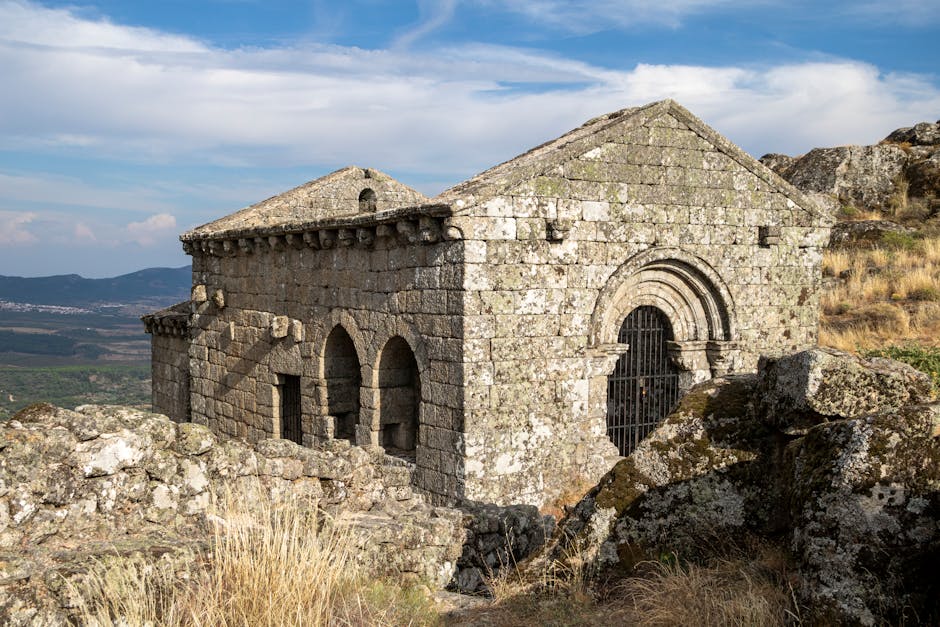






Introduction: Discovering Perugia’s Hidden Medieval Chapels
Perugia, the capital of Umbria, is often celebrated for its Piazza IV Novembre, its University for Foreigners, and its spectacular medieval streets. But beyond the squares and cafés, the city hides a constellation of small medieval chapels — intimate sanctuaries, private oratories and decorated ensembles preserving fresco cycles, altarpieces and tombstones. These chapels, sometimes tucked in the shadow of better-known churches or built into civic palaces, are time capsules where centuries of devotion, family patronage and sacred art can be read. They offer the curious traveler an immersive experience: a blend of old scents, colors mellowed by time, and acoustics that magnify silence.
Visiting Perugia’s medieval chapels asks you to slow down. Unlike major cathedrals whose routes are well signposted, these small churches require active curiosity: check local opening times, knock on sacristy doors, ask a custodian for access or join a local guide. The rewards are well worth the effort. You’ll see fresco cycles from the Umbrian school, gilded panel altarpieces and funerary sculpture of patrician families whose names are recorded in municipal archives. Each chapel tells a story: the influence of a merchant guild, the devotion of a mendicant order, rivalry between neighborhoods, or petitions for protection by a local saint.
In this article I offer a detailed, practical route through Perugia’s medieval chapels: exact addresses, typical opening hours, approximate entrance fees in euros, sensory and historical descriptions, plus practical tips to make the most of your visit. Whether you love sacred art, want to photograph light filtered through medieval stained glass, are traveling as a spiritual pilgrim, or simply seek off-the-beaten-path discoveries, these places will give you rare and often inspiring moments.
I’ll point out not only major sites — like the famed Cappella del Cambio, a masterpiece of civic painting — but also lesser-known oratories that are often closed to the public without notice. You’ll find where to knock, when to return, how to request the key, and how to behave respectfully in these sacred spaces. I’ll also add practical tips on transport, combined tickets, and the best times of day to photograph interiors without crowds. Get your notebook, camera and sense of wonder ready: Perugia invites you on an intimate journey into a preserved Middle Ages.
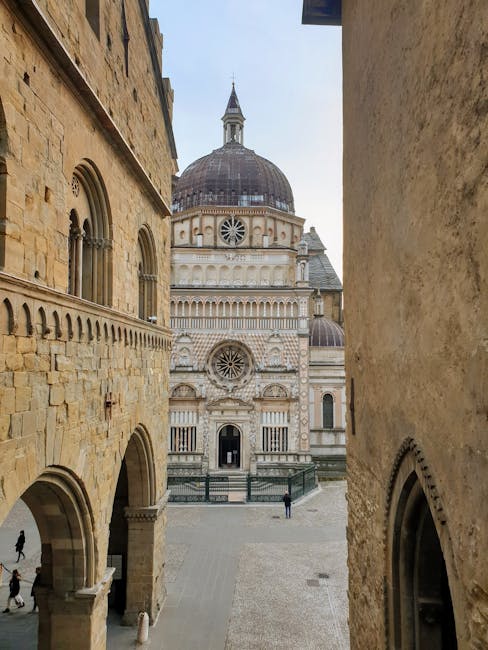
Cappella del Cambio — Treasure of the Exchange Guild
The Cappella del Cambio, located inside the Palazzo dei Priori, is arguably Perugia’s most famous medieval chapel. Address: Palazzo dei Priori, Piazza IV Novembre, 1, 06123 Perugia PG. The small oratory was commissioned by the Corporazione dei Cambio (money-changers and bankers) at the end of the 14th and beginning of the 15th century. Andrea di Bonaiuto and Pietro Perugino (and some detect the influence of Pietro Vannucci) along with other Umbrian artists left remarkably refined frescoes here. The pictorial cycle depicts biblical scenes, allegories of the liberal arts and figures of patron saints for the profession. The ceiling is richly decorated and, despite the chapel’s modest size, the Cappella del Cambio has an almost theatrical impact.
Hours and fees (indicative): the Cappella del Cambio is included in visits to the Complesso Museale di Palazzo dei Priori; typical opening hours: 10:00–18:30 (last entry 17:45). Full ticket for Palazzo dei Priori + Cappella del Cambio: approximately €8.00–€10.00. Discounts for students, seniors and groups. Check the official Comune di Perugia site or the museum ticketing before your visit for exceptional closures and specific chapel schedules.
Immersive description: on entering, you immediately feel the warm golden tones of the palette, dominated by aging ochres and azures. The gospel scenes, framed by imaginary architecture and Latin inscriptions, read like a visual narrative meant to provide moral instruction to merchants. Modern lighting has been designed to protect the artworks while allowing close inspection of details: the folds of fabric, faces sculpted by the painter’s hand, and symbolic ornamentation. Polychrome carved wooden ceilings complete the sense of sacred intimacy. Audio guides (often available in English and Italian) provide valuable historical context about the patrons.
Practical tips: arrive early to avoid crowds, especially in high season (May–September). The museum shop sells small-format reproductions that make excellent souvenirs for fans of medieval art. Photography without flash is usually allowed; confirm with staff. If you belong to a cultural institution or art history association, inquire about special booked visits that can sometimes grant access outside normal opening hours.
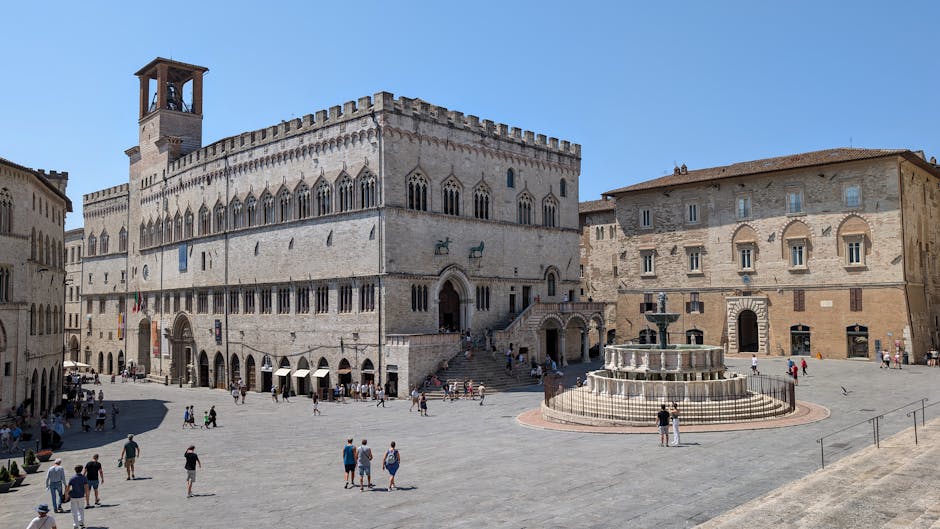
Duomo di San Lorenzo and its chapels: the spiritual heart of the city
The Cattedrale di San Lorenzo (Duomo di Perugia) sits on Piazza IV Novembre, address Piazza IV Novembre, 06123 Perugia PG. Although the main building has undergone several restructurings, the interior preserves several medieval and Renaissance chapels worthy of attention. Among them, the Cappella di San Costanzo, dedicated to Perugia’s patron, stands out for its sculpted elements and relics. Other small side chapels house panel altarpieces, wooden choir stalls and fragmentary frescoes from various regional workshops.
Hours and fees (indicative): the Duomo is generally open to the public from 08:00 to 12:00 and from 15:00 to 19:00, but these times can vary on liturgical celebration days. Entrance to the cathedral is free, but some chapels or the Cathedral Museum (Museo dell’Opera del Duomo) may require a ticket: museum fee approximately €4.00–€6.00. Check guided tour times which sometimes provide access to areas usually closed to the public.
Immersive description: passing through the Duomo’s porch moves you from a lively piazza into a silent volume where light filters through old stained glass, casting colored patches on the stone floor. The side chapels are narrative boxes: fragmentary frescoes recount saints’ lives, while carved benches keep the traces of long-ago worshippers. When open, the Cappella di San Costanzo reveals a reliquary and precious liturgical objects, witnesses to medieval processions that helped shape urban life.
Practical tips: respect service times — some chapels may be closed for worship. If you’re interested in archives and historical documentation, the sacristy sometimes holds rare items accessible via a special guided visit. For photography, use a fast lens (f/2.8 or faster) to capture the darker areas without flash, and avoid tripods during times of devotion.
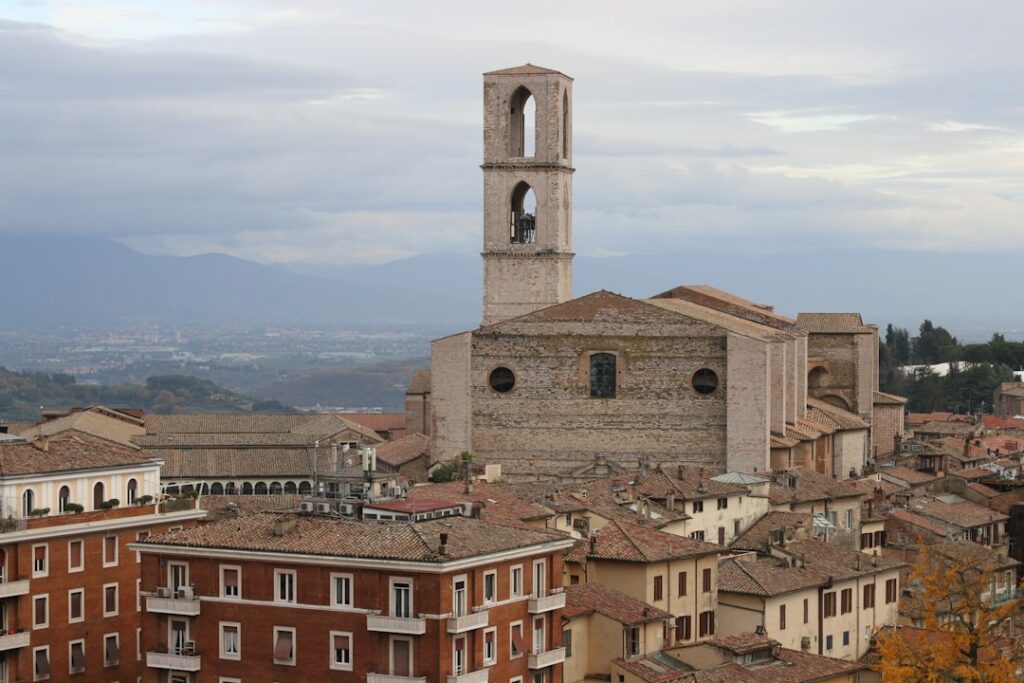
Hidden oratories and chapels: Santa Cecilia, SS. Pietro e Paolo and the Oratory of San Bernardino
Beyond the major structures, the city is full of oratories and small chapels often linked to confraternities and noble families. Three to note: the Oratorio di Santa Cecilia, the Oratorio dei SS. Pietro e Paolo and the Oratorio di San Bernardino. Approximate addresses: Oratorio di Santa Cecilia — Via della Viola 4 (historic centre, 06123 Perugia PG); Oratorio dei SS. Pietro e Paolo — Via dei Priori (near Corso Vannucci, 06123 Perugia PG); Oratorio di San Bernardino — Via Ulisse Rocchi / Piazza San Francesco (areas close to the centre, 06123 Perugia PG). Addresses for these small chapels can vary because some are integrated into complexes or convents and signage is discreet.
Hours and fees (indicative): these oratories are often open only at certain times (for example: 10:00–12:30 and 15:30–18:00) or by appointment. Entry may be free or request a voluntary contribution (€1.00–€3.00) for conservation. For specialized guided visits, expect €5.00–€12.00 depending on duration and rarity of the works shown.
Immersive description: these oratories feel domestic in scale — low ceilings, tight benches, polychrome side altars. The atmosphere is more intimate than in a large church: voices resonate close by, and the stones retain the warmth of repeated prayers. The Oratory of San Bernardino, for instance, connects to the Franciscan preacher of the same name whose influence was immense in Umbria; here you sense the populist and mendicant tone of devotion. The Oratory of Santa Cecilia, often dedicated to the patron saint of musicians, sometimes features iconography linked to sacred music (angels playing instruments, painted instruments), reminding visitors how central liturgical music was to medieval urban life.
Practical tips: to access these chapels, ask at the tourist office on Piazza IV Novembre (Ufficio Informazioni Turistiche, Piazza IV Novembre 4A) or call local parishes a few days in advance. Oratory hours change frequently due to liturgical events, restorations or loans of artworks. In winter, dress warmly: these spaces are rarely heated. If a chapel is locked, politely ask a nearby shopkeeper — often a key is held by a resident or staff at a nearby museum.
Chapels inside civic palaces: little gems of art and power
Perugia’s chapels aren’t limited to churches: civic palaces also house private chapels commissioned by patrician families. Besides the Palazzo dei Priori (Cappella del Cambio), other palaces like Palazzo Conestabile della Staffa (Via Mazzini 1, 06123 Perugia PG) or historic residences near Corso Vannucci have interior oratories, sometimes open during temporary exhibitions. These chapels blend political power and private devotion: they functioned as prayer spaces, family memorials and displays of social status.
Hours and fees (indicative): visits to private chapels in civic palaces often depend on temporary exhibitions or guided circuits organized by the Comune di Perugia or cultural associations. Event tickets can range from €5.00 to €15.00. Special visits (night openings, booked tours) may cost more but often include an expert guide.
Immersive description: entering a private oratory is like stepping into a dynasty’s inner life. Gilded wooden altarpieces, carved woodwork, commissioned panels bearing coats of arms, and sometimes finely crafted stalls speak of artistic patronage that mixed faith with prestige. Colors remain deeply saturated in niches, and Latin inscriptions or family mottos often accompany saints chosen for the family’s protection (patron saints, military saints, etc.). The interior staging for private prayer contrasts with the public solemnity of parish churches.
Practical tips: watch the city’s cultural calendar (Comune di Perugia events) for exceptional openings. Many palaces open their chapels for early music concerts — a superb way to experience period acoustics while admiring the décor. If you have specific interests (heraldry, family history), ask a guide about consulting documentary sheets or local publications; many families have entrusted archives to municipal museums.
How to plan your route: practical tips and logistics
Planning an exploration of Perugia’s medieval chapels takes a bit of organisation. Here’s a practical guide to save time and get the most from each visit:
- Starting point: Piazza IV Novembre — the Ufficio Informazioni Turistiche (Piazza IV Novembre 4A) is the best place to get maps, brochures and parish contacts. Staff usually speak English and provide free maps.
- Transport: Perugia’s historic centre is largely pedestrian. Park outside the walls (parking like Parcheggio Pellini, Via Mario Angeloni 11 – typical price €1.50–€2.00/hour) and walk up or take a local bus (the minimetro line connects Fontivegge station to the centre; budget €1.00–€1.50). Taxis are available but more expensive.
- Combined tickets: ask about museum passes that include Palazzo dei Priori, Museo dell’Opera del Duomo and sometimes access to oratories; these can save €2–€5 per site.
- Best times: early morning (9:00–11:00) for the Cappella del Cambio and the Duomo; late afternoon for oratories and palace chapels when oblique light creates beautiful atmospheres.
- Gear: comfortable shoes (uneven cobbles), a small bag for a brochure and water, a camera capable of shooting without a strong flash, and some small change for voluntary contributions at oratory entrances.
- Language & respect: even when requesting access as a tourist, use a polite and patient tone. Chapels are places of worship. Avoid loud behaviour and inappropriate photo poses during services.
Additional tips: if you want deeper insight, hire a guide specialized in medieval art history; local guides often offer themed routes (frescoes, confraternities, funerary architecture). Also look into local publications: the Soprintendenza Archeologia, Belle Arti e Paesaggio dell’Umbria publishes catalogues useful for reading the artworks you’ll encounter.
Conclusion: why these chapels are worth your time
Perugia’s medieval chapels are far more than religious annexes: they are picture books in paint, family memorials, scenes of medieval urban life and artistic laboratories where alliances between art, faith and power were forged. Unlike standardized tourist attractions, they demand attention and patience, but reward visitors with intimate encounters with history. A tiny detail in a fresco, a coat of arms on an altarpiece, or a Latin inscription hidden in a frieze can, for those who know how to look, open a window onto an entire era.
Practically speaking, the key to a successful visit is preparation: check opening hours, have backup options if a chapel is closed, and keep an open mind for spaces that may appear modest but are extraordinarily rich. Many chapels cluster in walkable circuits from Piazza IV Novembre, but don’t hesitate to explore side streets where other, lesser-known oratories pop up like pleasant surprises. Photographers and art lovers should favour morning or late-afternoon light; researchers and archive buffs should contact parishes and local institutions to arrange supervised consultations.
Finally, respecting these places is essential. Beyond simple etiquette, consider contributing — a small donation, buying a brochure or attending an early music concert — to conservation efforts that keep these chapels alive for future generations. By exploring Perugia’s hidden treasures, you’ll feel as if you’re entering sanctuaries where time is measured in pigments and stone: a true journey into the Middle Ages, made accessible by the visitor’s patience and curiosity.