





Introduction : Une chasse au trésor historique pour enfants dans le centre ancien de Pérouse
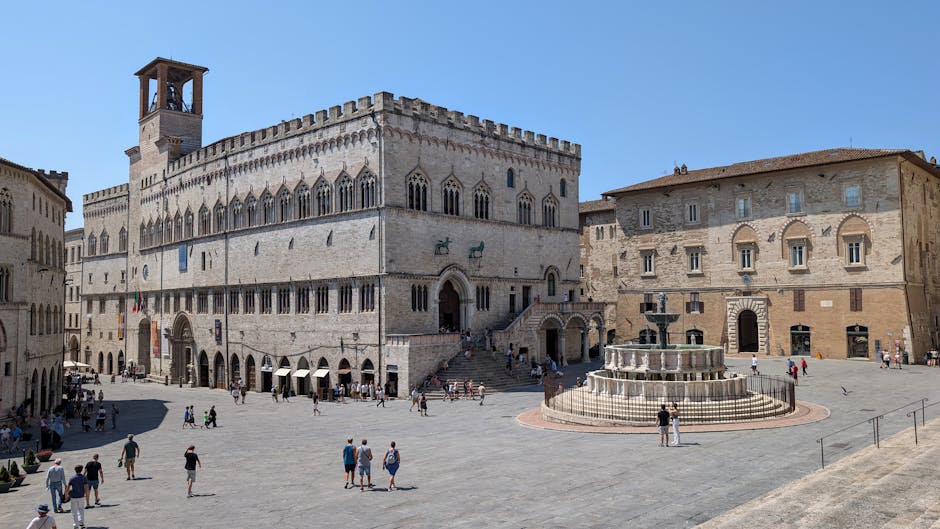
Pérouse, capitale de l’Ombrie, se prête merveilleusement à une activité ludique et éducative : la chasse au trésor historique pour enfants dans son centre ancien. Nichée sur une colline avec des ruelles médiévales, des arcades, des places vivantes et des vestiges étrusques, la ville offre un décor naturel qui stimule la curiosité. Une chasse au trésor bien conçue permet aux enfants (6-12 ans) de découvrir des lieux emblématiques comme la Fontana Maggiore, le Palazzo dei Priori, la Rocca Paolina et le Duomo (Cattedrale di San Lorenzo), tout en apprenant des anecdotes locales, en développant le sens de l’observation et en s’amusant en plein air. L’activité peut durer entre 1h30 et 3h selon le niveau et peut être adaptée aux familles, aux groupes scolaires et aux centres de loisirs.
Concrètement, la chasse au trésor se construit autour d’indices historiques (dates, armoiries, sculptures, inscriptions latines), d’énigmes visuelles (identifier un bas-relief, repérer une gargouille, compter des lions sur une fontaine) et d’ateliers courts (dessiner un élément, prendre une photo d’un détail, résoudre un mini-puzzle). Chaque étape se situe à des lieux précis du centre historique — par exemple : Fontana Maggiore (Piazza IV Novembre), Palazzo dei Priori (Corso Vannucci), Rocca Paolina (Piazza Italia) et Arco Etrusco — afin que l’expérience soit sécurisée, accessible à pied et riche en repères architecturaux. L’itinéraire évite de longues montées pour les plus petits et prévoit des arrêts rafraîchissement et toilettes, indispensables pour garder l’attention des enfants.
Au-delà du divertissement, cette chasse au trésor vise à transmettre des notions d’histoire locale : l’empreinte étrusque, la splendeur médiévale, le rôle des corporations et des magistratures dans la vie urbaine, ainsi que quelques thèmes artistiques (gothique, roman, Renaissance). Elle permet aussi d’insister sur le respect du patrimoine (ne pas toucher les sculptures précieuses, marcher calmement dans les musées), la sécurité en groupe (règles de base, repérage d’un point de rencontre) et l’autonomie cognitive (encourager les enfants à formuler des hypothèses, à lire des indices simples et à confirmer leurs réponses).
Dans cet article, je détaille une proposition clé en main : déroulé de la chasse, indices types, cartes et repères, matériel nécessaire, informations pratiques (adresses, horaires, prix indicatifs en euros), et conseils locaux pour que la journée soit fluide et inoubliable. Les lieux cités sont visibles et accessibles dans le centre historique de Pérouse, où les pavés et les portiques racontent l’histoire à chaque coin de rue. Que vous veniez en famille, en vacances scolaires ou organisiez un atelier périscolaire, vous trouverez ici des idées complètes pour créer une aventure où les enfants deviennent de véritables petits archéologues-chercheurs.
Planning and Flow: stages, duration and equipment
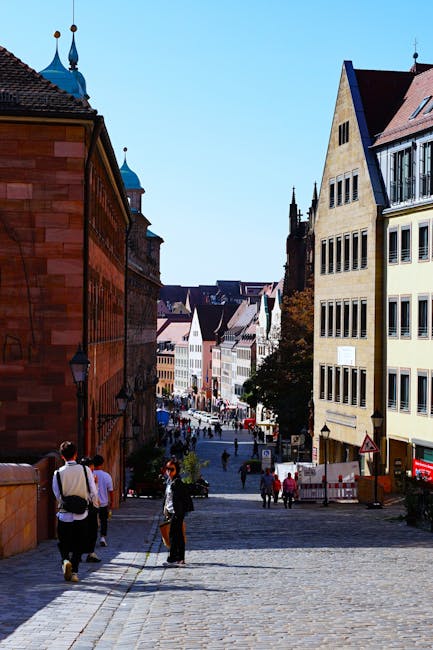
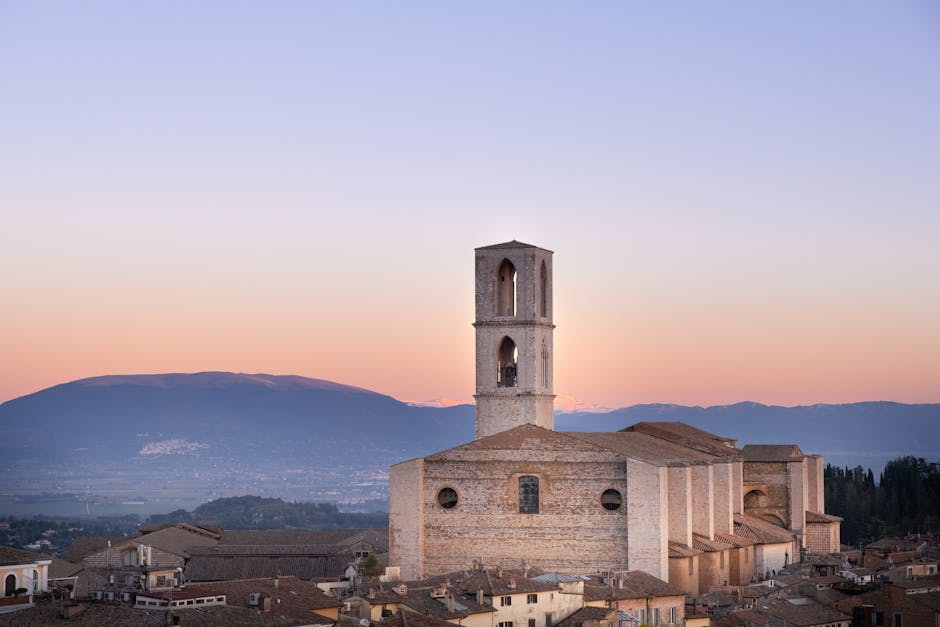
For a successful historical treasure hunt in Perugia’s old town, planning is everything. Start by defining your audience: average age (6–9 or 10–12), group size and number of supervisors. A typical hunt lasts 1h30–2h30: 10–15 minutes for welcome and rules, 5–8 stations of 10–20 minutes each, and 15–30 minutes for debrief and prize-giving. The ideal route stays around Corso Vannucci and Piazza IV Novembre to keep walking short: Fontana Maggiore (Piazza IV Novembre), Palazzo dei Priori (Corso Vannucci), Duomo di San Lorenzo (Piazza IV Novembre), Arco Etrusco (Porta Marzia), Rocca Paolina (Piazza Italia) and the nearby narrow streets.
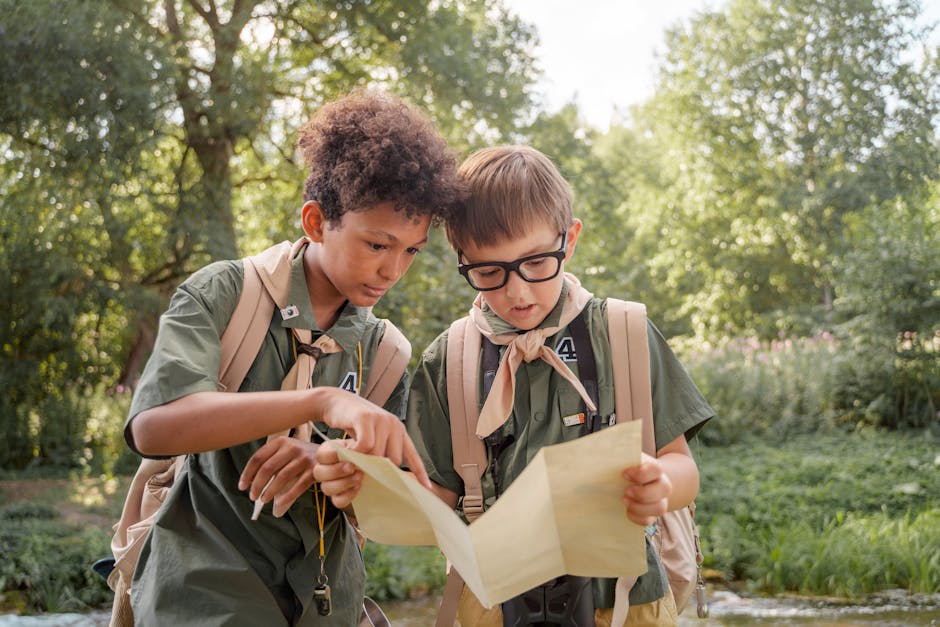
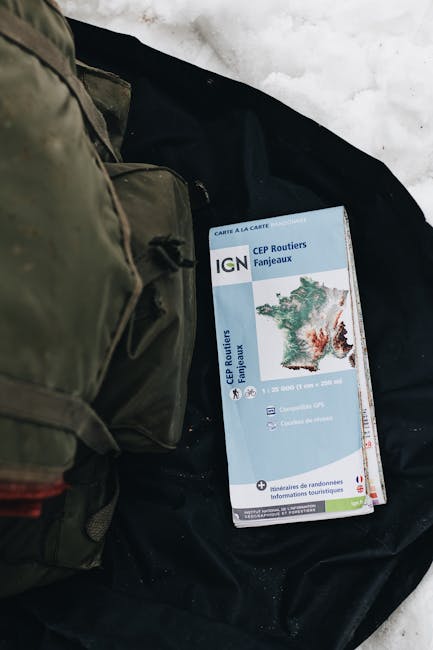
Equipment checklist: one illustrated A4 map per team, pencils or markers, laminated clue cards (waterproof), a simple magnifying glass, a small notebook, a camera or smartphone for photo tasks, and prizes (stickers, certificates, small toys or local chocolates). Don’t forget a basic first-aid kit and a water bottle for each child. Prepare alternative clues: written riddles for older kids, pictograms and drawings for younger ones.
Recommended times: mornings (9:30–12:30) or late afternoons (16:00–18:30) outside peak tourist hours. In summer avoid the hottest part of the day; in winter dress kids warmly and check the forecast. Consider booking access to museums or galleries if you want to include them (e.g. Galleria Nazionale dell’Umbria). Prices: most public squares and monuments are free (Fontana Maggiore, Arco Etrusco, Rocca Paolina open access), while museums charge admission (Galleria Nazionale dell’Umbria ≈ €8–10 for adults, reduced or free rates for children and school groups depending on the exhibition). Always double-check current prices and opening hours online before the outing.
Detailed stops and sample clues around major monuments
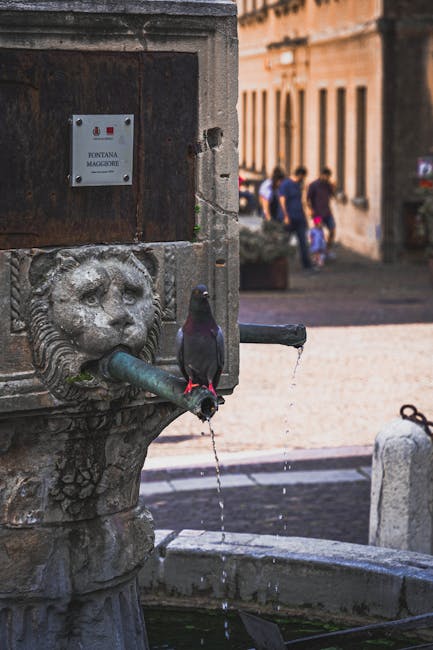
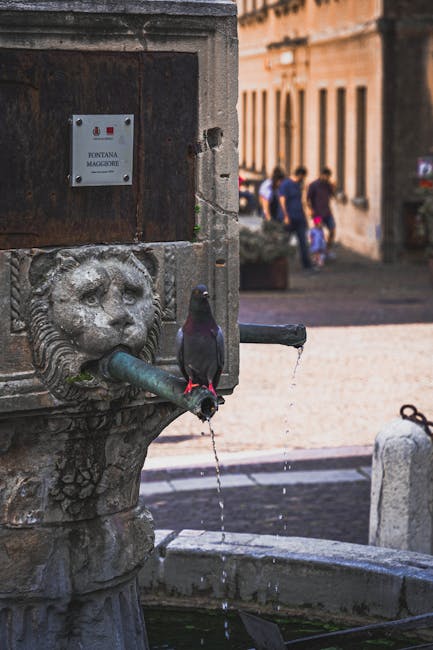
Building clues around concrete landmarks makes the hunt immersive. Below are sample stations focused on specific sites, with addresses, approximate opening times and practical tips for supervisors. First stop: Fontana Maggiore, Piazza IV Novembre, 06123 Perugia PG. Description: a medieval stone fountain richly carved with biblical scenes and symbolic motifs. Opening hours: always accessible (public square). Sample clue: « Count the reliefs showing animals on the upper basin » or « Find the sculpture that shows a biblical scene and describe it in two words. »
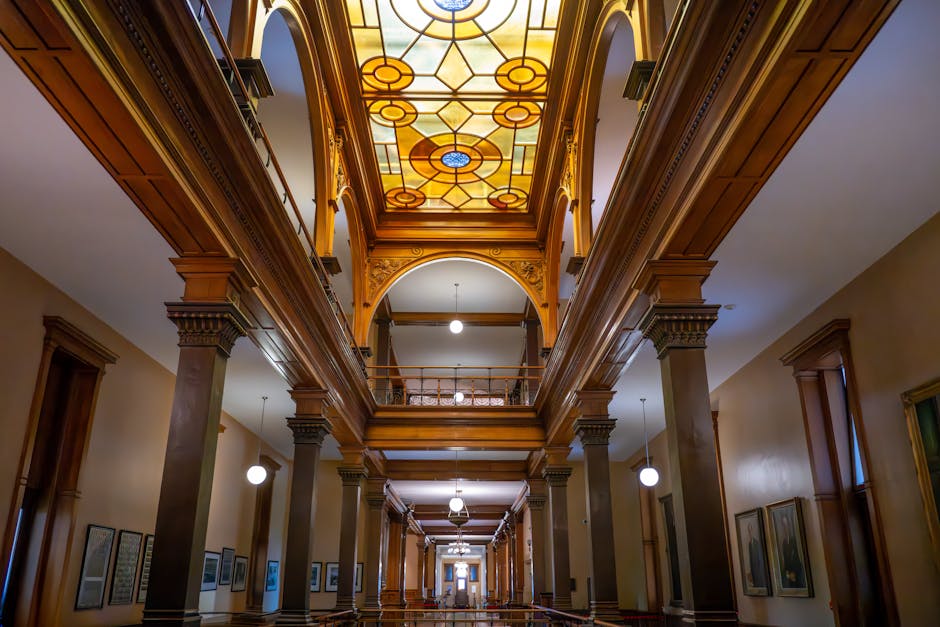
Second stop: Palazzo dei Priori, Corso Vannucci, 06123 Perugia PG. Description: an imposing Gothic town palace housing the Galleria Nazionale dell’Umbria and municipal rooms. Galleria opening hours: generally 9:30–19:00 (closed Mondays; check holidays). Typical price: €8–10 adult, free or reduced for children and school groups depending on the exhibition. Sample clue: « Look for the carved shield on the main façade and note its color (or material); how many mullioned windows can you count on the first floor? »
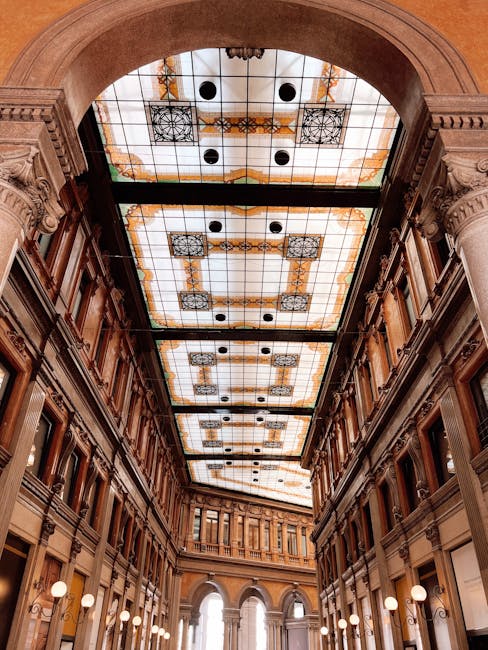
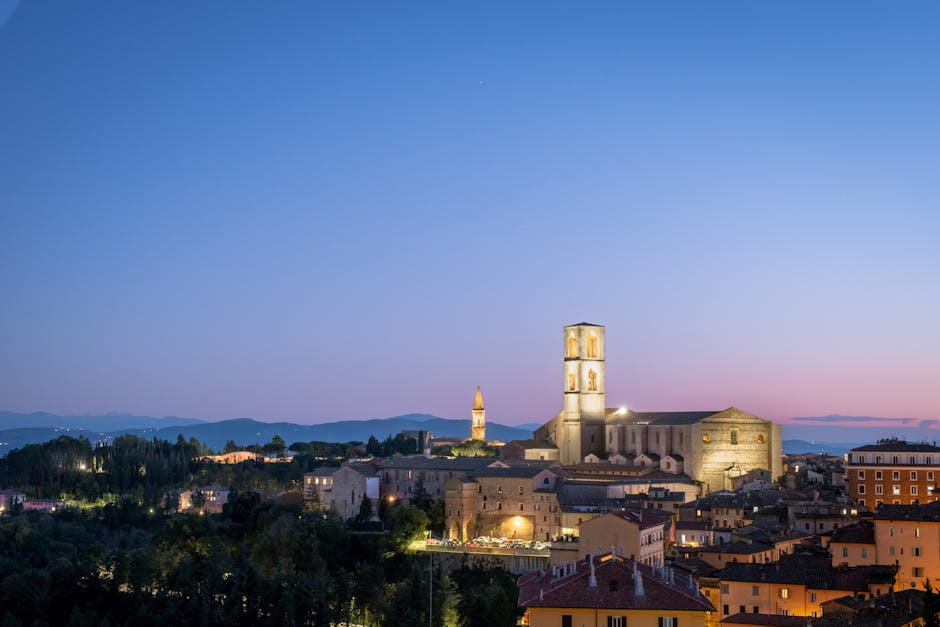
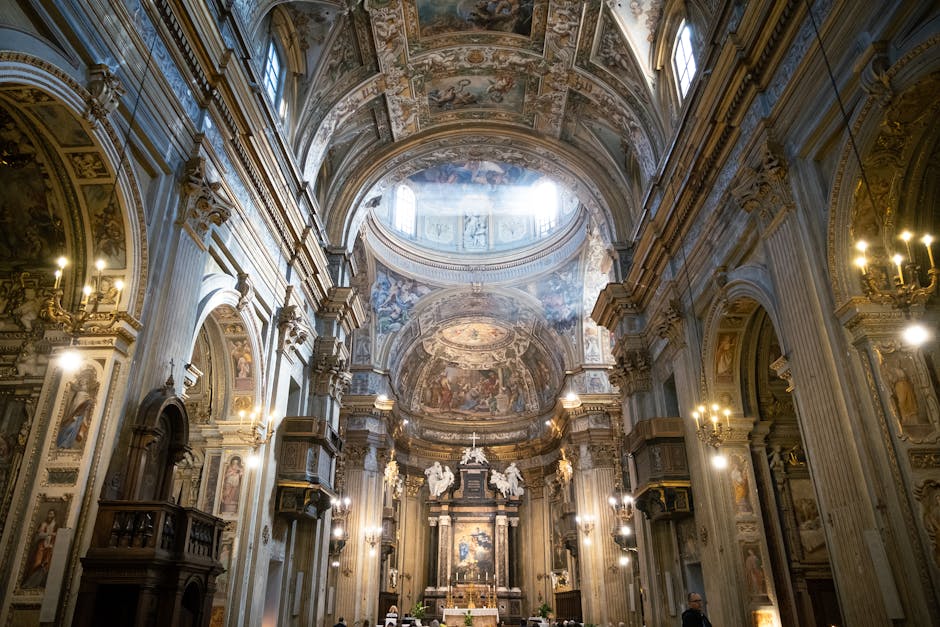
Third stop: Cattedrale di San Lorenzo (Perugia Cathedral), Piazza IV Novembre, 06123 Perugia PG. Description: an unassuming façade that hides a richly decorated interior with chapels and artworks. Hours: services and visits vary (generally open 9:00–18:00; check ahead). Sample clue: « Spot the main altar and describe the dominant motif (a statue, a stained glass or a altarpiece); how many steps lead up to the main entrance? »
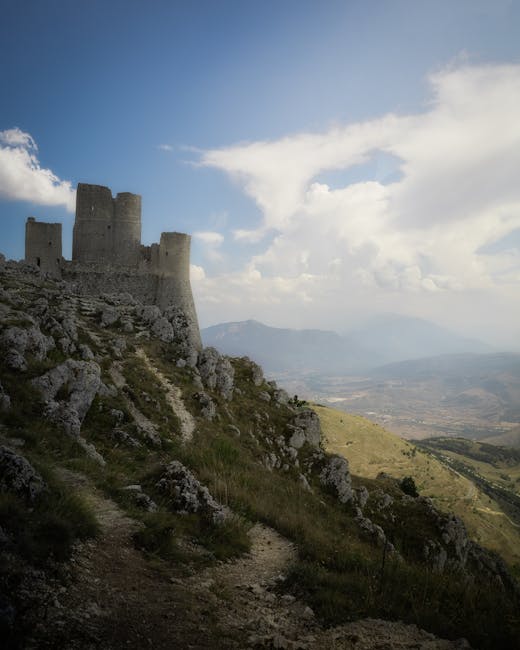
Fourth stop: Rocca Paolina, Piazza Italia, 06123 Perugia PG. Description: a Renaissance fortress built over medieval structures, now a subterranean promenade and public space. Hours: usually open access, hours vary for exhibitions. Sample clue: « Find the arch where you can see the ancient Etruscan walls; take a photo of a historic inscription or graffiti supervised by an adult » (photo validated by the supervisor). These stations can be extended depending on the group’s pace by adding mini-games on site (orientation games, quick quizzes).
Local practical tips: safety, food and transport
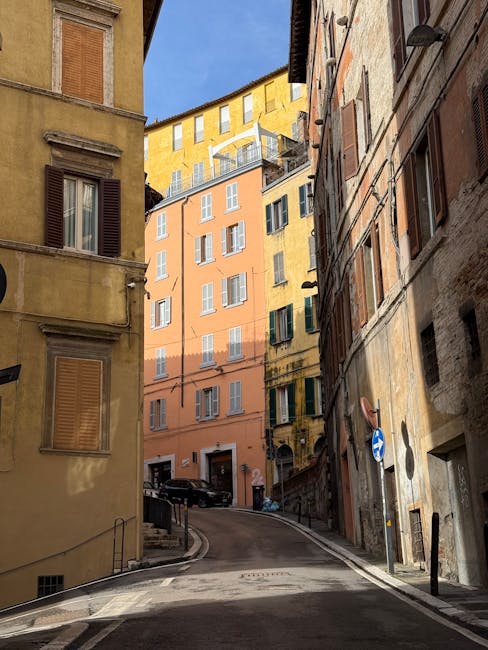
Local logistics make the treasure hunt in Perugia’s old town easy. Walking is the rule: the medieval alleys and pedestrian areas make cars unnecessary. For arrival and departure, favor Parcheggio L.go dell’Accademia / Parcheggio Piazza Partigiani or Perugia–Fontivegge train station if you come by rail (then bus or funicular to the center). If you use public transport, check Umbria Mobilità for bus times. Important reminder: some stretches include steps and slopes; plan sturdy shoes for kids.
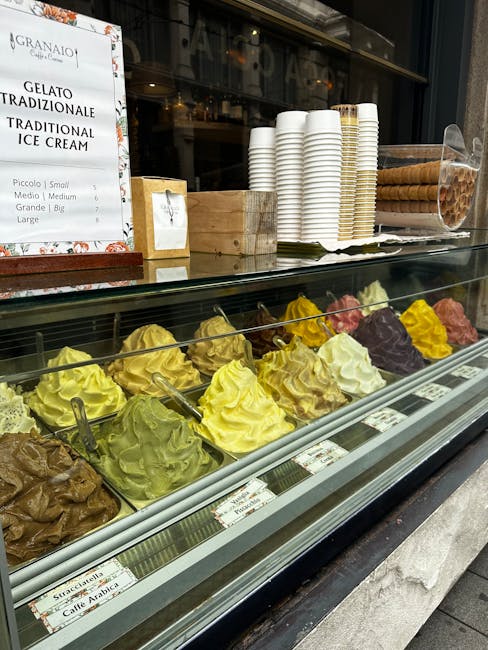
Food: several cafés and bars along Corso Vannucci and around Piazza IV Novembre offer snacks and ice cream. Useful spots: Bar Norman (Corso Vannucci, 06123 Perugia PG) for quick drinks and snacks, Caffè del Sole (Piazza IV Novembre, 06123 Perugia PG) for a cold treat. Food budget: plan about €3–6 for a drink or a child’s granita, €8–15 for a fuller snack. Tip: bring snacks and water to avoid long lines and restless kids.
Safety and behavior: pick a clear meeting point (e.g. the statue in front of Palazzo dei Priori) and a finish time. Divide children into small teams each with an adult leader. Require at least one charged mobile phone per adult, photocopies of ID for school outings, and ID bracelets with an emergency number for the youngest. Find public toilets near Piazza IV Novembre and schedule regular breaks.

Teaching resources and variations for different groups
To turn the hunt into a proper educational project, prepare themed worksheets: art and symbols (recognizing coats of arms, heraldic animals, religious motifs), archaeology (identifying materials and historical layers), and local history (key dates, famous Perugian figures). For a classroom, link the hunt to pre- and post-visit activities: Etruscan research, travel journals, presentations on works seen. Worksheets should include open questions to encourage critical thinking, for example: « Why do you think the fountain was placed here? » or « What story does this bas-relief tell? »

Variations: for very young children (4–6 years) simplify clues with visual markers (colored dots, pictograms) and limit the route to 3–4 stops. For teenagers, add tougher tasks: coded riddles, mini-research in a museum (by reservation), or a creative photo challenge (tell a story in three pictures taken around the city). You can also create an evening version with lanterns and glowing clues for an original birthday party (get permissions and prioritize safety).

Conclusion : pourquoi cette chasse au trésor transforme la visite de Pérouse
A historical treasure hunt in Perugia’s old town turns a visit into a living adventure: children shift from passive observers to curious actors. They learn to read the city like a history book, spot architectural details often overlooked, and share a group experience that builds team spirit. The playful approach helps memory retention: a child who searched for a gargoyle, identified a coat of arms or sketched a fountain will remember the historical context far better than from a classroom lesson alone.
Practically speaking, the central location of the monuments—Fontana Maggiore (Piazza IV Novembre), Palazzo dei Priori (Corso Vannucci), Cattedrale di San Lorenzo (Piazza IV Novembre), Rocca Paolina (Piazza Italia)—lets you design a compact, safe walking route. Costs are manageable: most public spaces are free and only some museum visits require a small fee (Galleria Nazionale dell’Umbria ≈ €8–10 for adults). The activity is adaptable to weather, age and educational goals.
Finally, the treasure hunt promotes responsible tourism: it encourages children to observe rather than touch and to respect heritage. For organizers it’s an original way to showcase the historic center to younger generations and create lasting memories. Before you go, always check current museum and monument opening times and prices, pack basic first-aid supplies and prepare alternative plans for your group. With a bit of preparation and well-crafted clues, your next visit to Perugia will become an educational and unforgettable adventure.