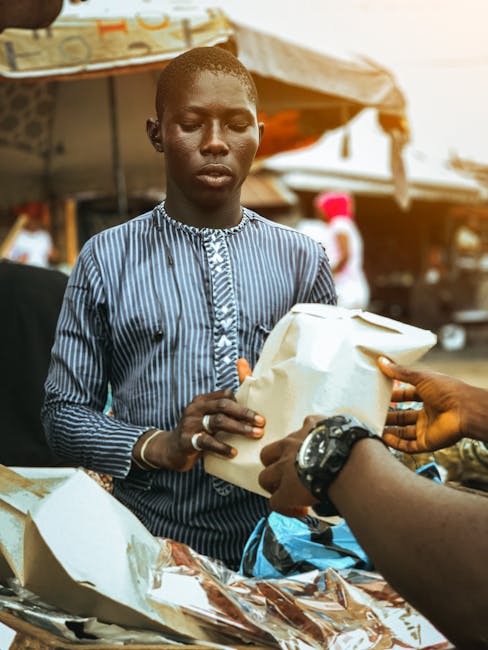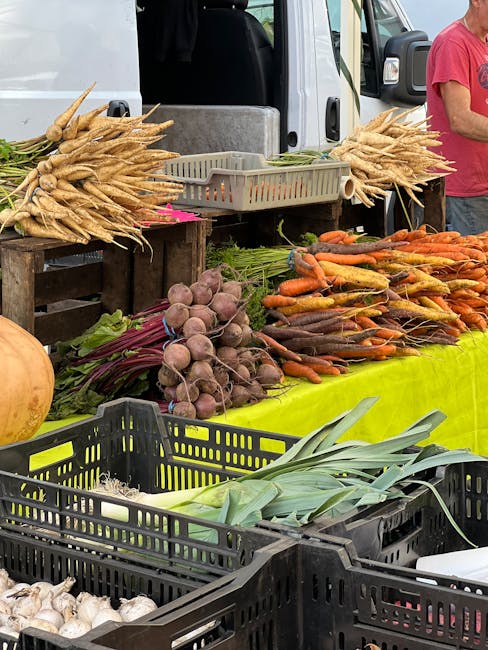






Introduction: The Hidden Stalls of Perugia’s Old Town
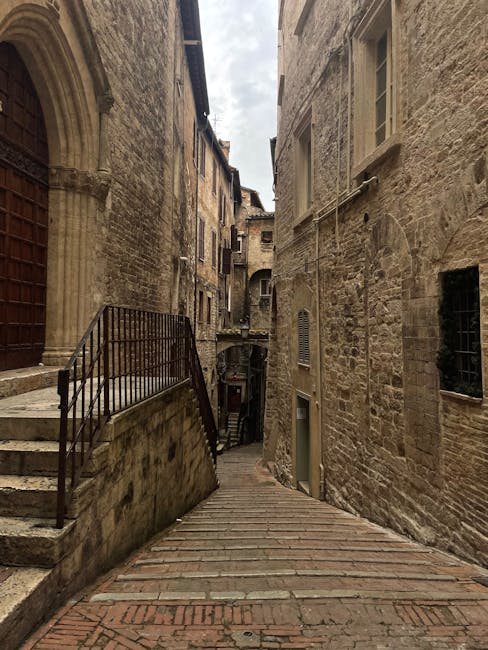
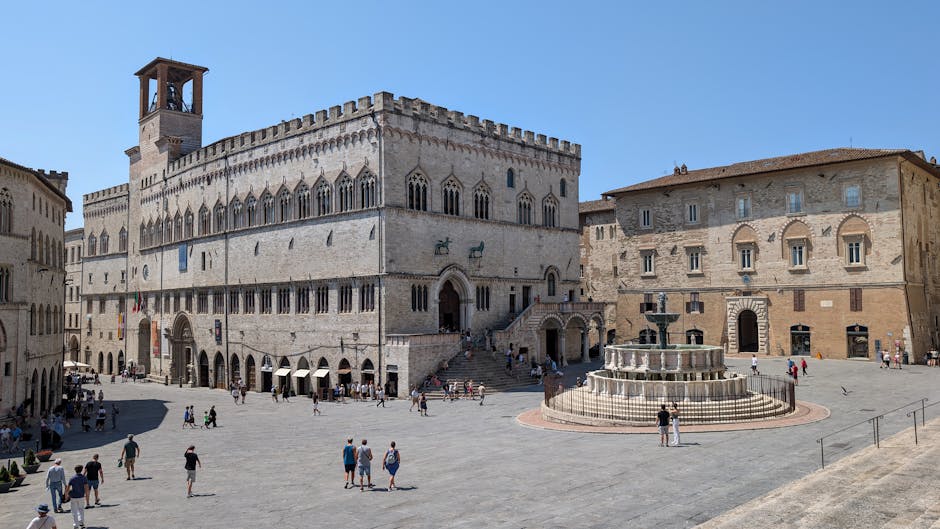
Wandering the medieval maze of Perugia’s old town means stepping into a place where every alley tells a story and market stalls unexpectedly become living museums of flavor. Beyond the imposing Piazza IV Novembre, the Fontana Maggiore and the cathedral of San Lorenzo, vendors set down their baskets, wooden crates and scales to sell fresh products that often outshine what you’ll find in big supermarkets. These hidden stalls aren’t just sales points: they’re encounters with Umbria’s terroir, spots for exchanges where you might win a smile, be offered a slice of pecorino to taste, or get a cooking tip handed down through generations.
Freshness is tangible here: tomatoes ripened by the sun on the hills around Perugia, Arrone purple potatoes, herbs picked at dawn on the slopes of Monte Subasio, and of course the mushrooms and truffles that make Umbria famous. Following these stalls also means following the city’s rhythm: morning deliveries, the care taken over exact weights, lively talks about seasonality, and the way a product is cut, wrapped and recommended for cooking.
In this article I’ll take you on a sensory, practical walk through the spots that reveal these culinary treasures: exact locations, addresses to get there, typical opening hours, price ranges in euros, visual descriptions and local tips so you can shop like a Perugian. Whether you’re a discerning visitor or a passing foodie, you’ll find recommendations for building a basket to cook on site or to bring home as edible souvenirs. Get ready to smell freshly cut basil, squeeze tomatoes whose skins crack under pressure and hear the blend of Italian and Umbrian languages in a market that remains authentic despite tourism.
Keep in mind these stalls live by the seasons: prices, availability and even stall locations can change week to week. Locals will tell you the real reward is the conversation, because it’s often through a chat that you learn about the producer, the direct link to Umbria’s hills and the best way to prepare what you’ve just bought. So grab your basket, put on comfortable shoes and let’s explore the hidden stalls of Perugia’s old town together.
1) The Halls and Stalls around Piazza Matteotti and Corso Vannucci
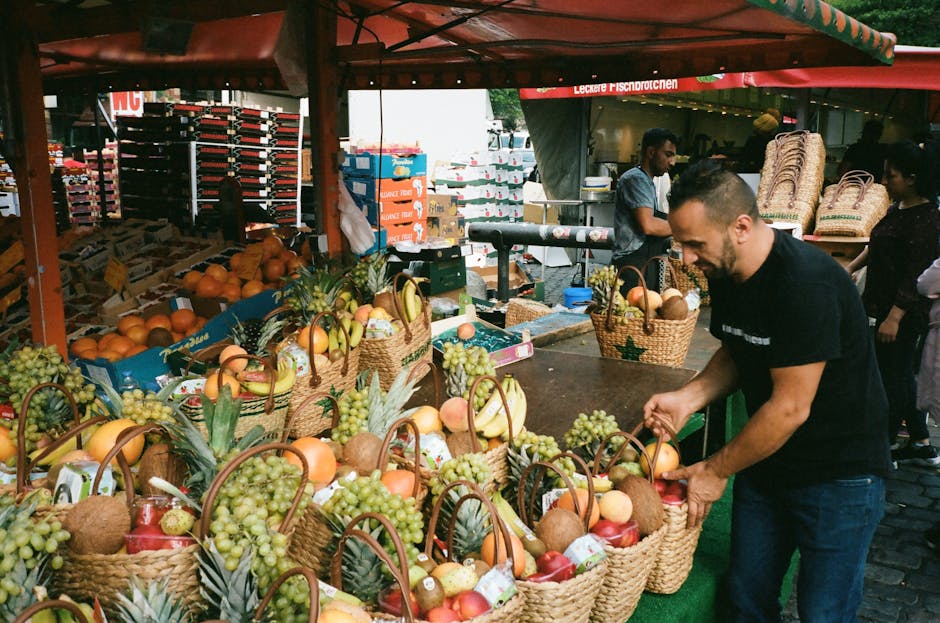
The area between Piazza Matteotti and Corso Vannucci is the beating heart of old-town trade. You’ll find the Mercato Coperto di Perugia (Perugia Covered Market) ideally located at 2, Piazza Matteotti, 06121 Perugia. This market houses fruit and vegetable stalls, butchers and a few traditional cheesemongers. Opening hours: generally open Tuesday to Saturday from 07:30 to 13:00, some shops reopen in the late afternoon around 16:00–19:00; closed on Sundays (times indicative—check locally). Price examples: San Marzano tomatoes from €2.50/kg, white peaches €3.00/kg, eggplants €1.80 each depending on size.
Strolling down Corso Vannucci (postal reference: Corso Vannucci, 06123 Perugia), stop at the sidewalk stalls near the Libreria Nolfi bookstore and the Morlacchi Theatre. These street vendors often sell small bunches of aromatic herbs (basil, rosemary, sage) for €1.50–3.00 a bunch and punnets of local strawberries for €4.00–6.00 per 250 g depending on the season.
Practical tip: arrive early (between 08:00 and 10:00) to get the best sizes and the lowest prices. If you want basil to make pesto right away, ask the seller to remove the main stem — it helps the basil keep longer. Also, cheesemongers at the market often offer tastings of pecorino from Norcia or Pienza: a tiny customary sample might cost €0.50–1.00 but it’s worth it to choose the right aging.
2) The Alleys around Piazza IV Novembre and Local Producers
Piazza IV Novembre (Piazza IV Novembre, 06123 Perugia) is the tourist hub, but by veering into the adjacent alleys — Via della Viola, Via dei Priori, Vicolo della Piana — you’ll find small stalls and producers who haven’t given in to tourism. In these streets you’ll meet vegetable growers bringing produce directly from the hills around Lake Trasimeno and Mount Subasio. Notable address: Bancarella di Frutta e Verdura, Via dei Priori 12 (usually open Monday to Saturday 08:00–13:00; prices: zucchini €1.50/kg, peppers €2.20/kg).
A must-buy here is handmade fresh pasta sold by small local workshops: egg tagliatelle at €6.00–8.00 per kg, or ravioli filled with ricotta and spinach at €10.00–12.00 per kg. Vendors will often tell you the ideal cooking time: just a few minutes in salted boiling water for fresh pasta. Another staple: homemade jars of extra virgin olive oil produced in Umbria, sold in 250 ml bottles for €6.00–10.00 depending on the harvest, and 500 ml for €12.00–18.00.
Local tips: if a producer offers honey or jam samples (linden honey, mountain honey, fig jam), always taste before you buy — terroir differences are obvious. To negotiate, buy a larger quantity (for example 2 kg of pasta or 3 bottles of oil): a 5–10% discount is common and appreciated. Finally, ask for the precise origin: “colline di Assisi”, “zona Trasimeno” or “Monte Subasio”; these labels often influence the flavor profile.
3) Cheese, Cured Meats and Mushroom Stalls near Porta Sole
Further east in the historic center, the Porta Sole area and the climb up to the Rocca Paolina concentrate several specialist artisans: aged cheesemongers, charcutiers and mushroom foragers. Useful reference: Mercatino di Porta Sole, Via del Fagiano 4, 06121 Perugia (intermittent stalls, often open Thursday and Saturday mornings 08:00–13:00). You’ll find specialties such as hand-sliced prosciutto crudo at €18.00–25.00/kg, coppa and local salami at €12.00–20.00/kg depending on aging.
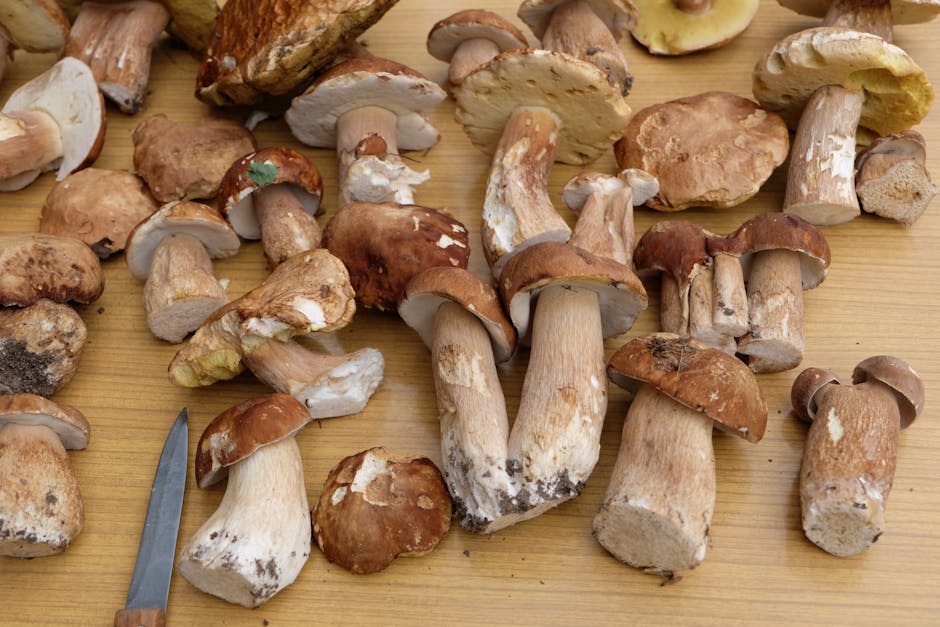
The mushroom corner deserves its own chapter: in season (mainly autumn), foragers sell fresh porcini starting from €30.00–60.00/kg depending on size and quality, or dried mushrooms ready to rehydrate at €35.00–50.00/250 g. Sellers will show you how to clean and preserve mushrooms: air-dry lightly, then wrap in cling film or paper towel for short-term storage. Important: serious foragers often have certifications or local attestations—always ask for exact provenance to avoid out-of-season or mislabelled finds.
Practical tips: buy cheese (pecorino, ricotta salata, caciotta) in wedges rather than pre-sliced to keep the flavor intact; cheesemongers will wrap it in parchment. For ham, ask for thin or medium slicing depending on use: very thin for antipasti, thicker for cooking. If you buy fresh mushrooms, consume them within 48 hours or freeze them after a quick sauté.
4) Seasonal Markets and Food Fairs in the Old Town
Perugia lives by the seasons, and pop-up food fairs are prime opportunities to discover ephemeral stalls and rare products. Notable events include the Mercato della Terra (Earth Market), which sometimes sets up on Piazza Danti or Piazza Fortebraccio during local events; reference: Piazza Danti, 06123 Perugia. These markets often run on weekends from 09:00 to 16:00 in spring and autumn and bring together Slow Food-certified producers and local artisans. Prices vary but you’re paying for quality: special hill honey €8.00–15.00/250 g, flavored oils €12.00–20.00/500 ml, and artisan terrines €6.00–12.00 a portion.
Another event: the Fiera del Tartufo — a truffle fair — held in autumn in various spots across Umbria and sometimes with booths in central Perugia, on Piazza Italia or near the Rocca Paolina. Fresh truffles (tuber aestivum or tuber melanosporum) are sold by weight: expect €40.00–150.00/100 g depending on variety and quality. If you’re a beginner, opt for small summer truffles (more affordable) at around €30.00–50.00/100 g.
Practical tips for fairs: arrive mid-morning to catch cooking demos and midday deals. Bring an insulated bag if you’re buying fragile items (fresh cheeses, sliced cured meats, truffles) and have cash on hand: many small producers prefer cash over card. Also check for workshops: pesto classes, ham-slicing demos or tastings of local wines are common and highly informative.
Conclusion: Take a Piece of the Old Town Home
The hidden stalls of Perugia’s old town are much more than supply points: they’re gateways to Umbria’s food culture. From the Mercato Coperto di Perugia at Piazza Matteotti, to wandering around Piazza IV Novembre, climbing toward Porta Sole, or enjoying seasonal fairs, you’ll build a basket full of stories and flavors. Addresses, hours and prices are useful guideposts for planning purchases, but remember the variability of fresh, mobile stalls: season, harvest and weather affect everything.
Shopping local in Perugia also means following a few simple rules: favor morning purchases for optimal freshness, bring an insulated bag for fragile goods, ask for the exact origin and take advantage of sellers’ cooking and storage tips. Don’t hesitate to taste before buying, politely negotiate on larger lots, and above all strike up a conversation: often it’s the producers themselves who will tell you the best way to prepare a traditional recipe or offer you a rare item not displayed at the stall.
Finally, remember these markets and stalls survive on loyalty and word of mouth. By buying, recommending a producer or attending a local fair you help preserve a living heritage. Take home not just cheese, oils or mushrooms, but a new way of consuming: more seasonality, a deeper link to source, and a human connection that will be the most memorable souvenir of your visit to Perugia’s old town.