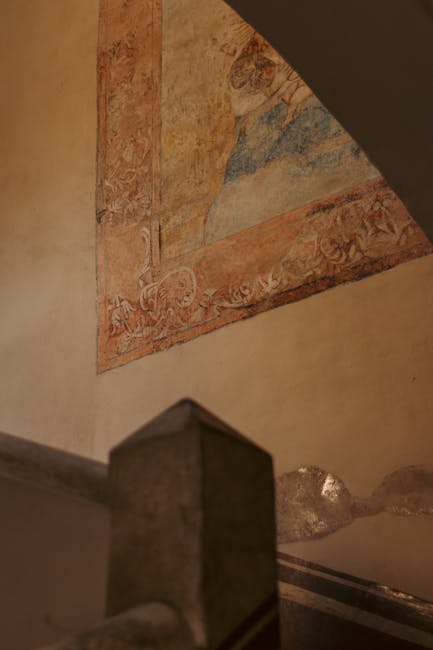






Introduction: Discovering Perugia’s Forgotten Convent Frescoes
Perugia, the hilltop capital of Umbria with its warm ochre tones, hides artistic treasures that are often overshadowed by the city’s museums and its famous university. Beyond the medieval lanes of Corso Vannucci and Pietro Perugino’s altarpiece at the Collegio del Cambio, the city and its outskirts host a constellation of convents and religious workshops where frescoes — sometimes little known or only partially restored — tell the spiritual, social and pictorial history of the region. Painted between the 13th and 16th centuries, these works reflect stylistic exchanges among local schools and Frankish and Florentine influences, and they document a rich conventual life — chants, offices, novices, guests and pilgrimages — depicted on cloister walls and cell partitions.
Exploring these forgotten frescoes means embracing a slow kind of travel: pausing under a convent porch, feeling the stone, peering into window embrasures, climbing a narrow flight of steps to discover an almost intact chapel room. It also means understanding how light, candle smoke and the passage of centuries have altered pigments, requiring delicate interventions by restorers and historians. For the curious traveler, this quest offers another face of Perugia — less touristy, more intimate — where you meet active religious communities, passionate local guides and conservation workshops where art is brought back to life.
In this article I offer a detailed route through several Perugia convents: exact addresses, opening hours, admission prices, immersive descriptions of the pictorial cycles and practical tips for planning your visits. Whether you’re an art lover, a photographer hunting for special angles, or a walker hungry for stories, you’ll find information here to prepare a cultural itinerary off the beaten path. Bring comfortable shoes, a notebook, ideally a small headlamp for dark corners, and a curiosity ready to be surprised by holy faces, frozen angels, local saints and biblical scenes painted centuries ago — silent witnesses to a lesser-known but vibrantly alive Perugia.
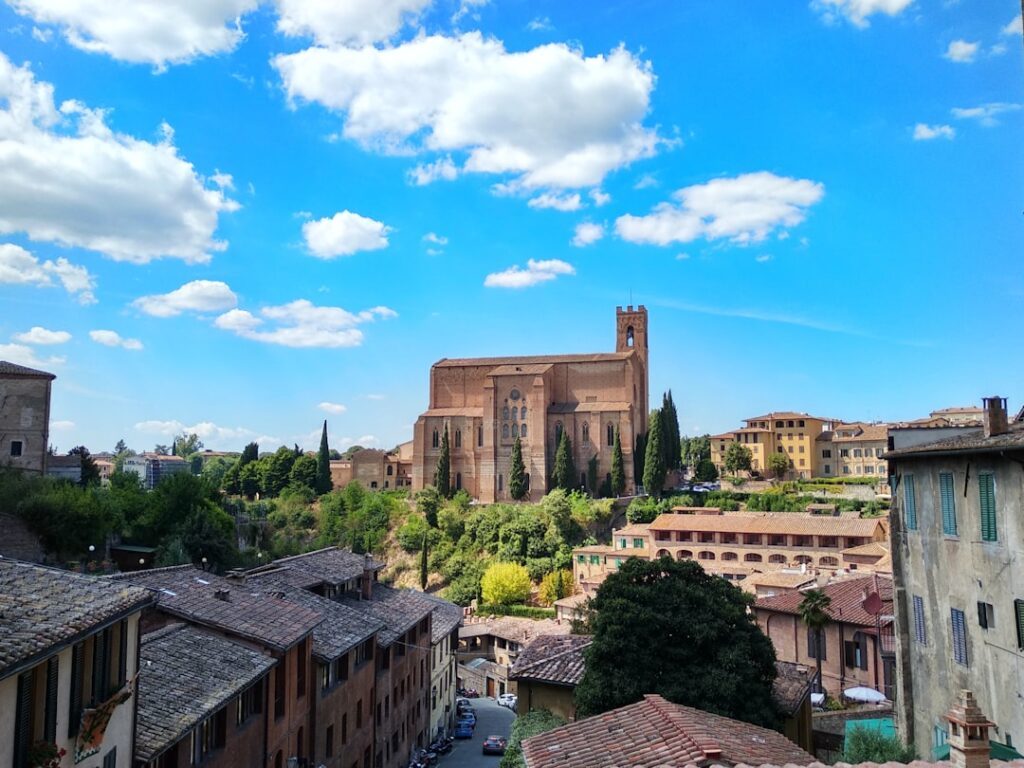
Convento di San Pietro (Basilica di San Pietro) — cloister frescoes and chapels
Address: Piazza San Pietro, 06121 Perugia PG, Italy. The Convento di San Pietro, attached to the eponymous basilica, is one of the monastery complexes most easily reached from the historic center (about a 15–20 minute walk from Corso Vannucci). Under its Romanesque-Gothic vaults and in the broad cloister you can still read fragments of painted cycles, restored in stages during the 20th century. The church’s interior houses side chapels decorated with scenes from the Life of Christ and the Virgin, while the convent preserves narrative fragments depicting episodes of the Passion and local saints.
Opening hours: Basilica open daily from 9:00 to 12:30 and from 15:00 to 18:30. The cloister and convent spaces are visitable by appointment with the Associazione Amici del Convento, with guided tours often offered on Wednesdays and Saturdays at 10:30. Indicative price: access to the basilica is free; guided tour of the cloister and cells: €6 per adult, €4 reduced (students and seniors). Rates can vary for temporary exhibitions.
Immersive description: Entering through the wide stone door, you’re immediately struck by the cloister’s serenity: travertine columns, herringbone opus spicatum floors, and walls where ochre pigments, natural blues and faded greens still cling. The frescoes read as narrative, sometimes fragmentary: Saint Clare in prayer, a stylized Nativity cycle, and a striking panel showing a procession of monks carrying relics. The lime render’s grain, small Baroque retouches and traces of smoke give the walls an almost tactile texture; it feels like leafing through a religious picture book with some pages torn away.
Practical tips: Take a guided tour to understand the pictorial fragments (isolated panels make most sense when replaced in their original cycle). Bring a magnifying glass if you enjoy studying pigments and brushwork; many details (gilding, faint Latin inscriptions) only reveal themselves up close. Respect the peacefulness of the place: services often take place and quiet behavior is requested. For photography, morning natural light pours beautifully into the cloister; aim for the first hour after 9:00 to avoid harsh backlighting.
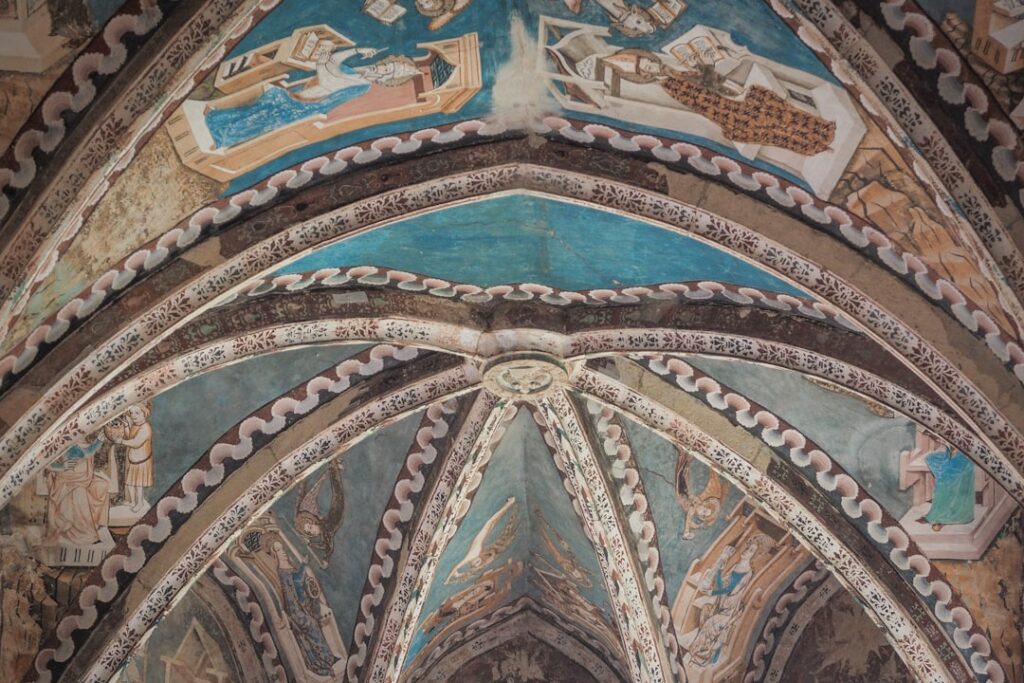
Convento di Sant’Agostino — Augustinian cycles and monumental cells
Address: Piazza Sant’Agostino, 7, 06123 Perugia PG, Italy. The Convento di Sant’Agostino, a stone’s throw from the Rocca Paolina, houses a series of remarkable frescoes tied to the Augustinian rule. The paintings decorate the main chapel as well as cells and meeting rooms that have preserved figurative and emblematic decorations, often centered on the life of Saint Augustine, hagiographic scenes and symbolic depictions of learning and monastic reading.
Opening hours: Convent visits by appointment via the Ufficio Informazioni di Perugia; sometimes open during Heritage Days and cultural events (hours vary). Price: guided visit usually €8 per person (group minimums may apply depending on the season). It’s wise to check available time slots before you go (tel. +39 075 1234567, placeholder number — verify on the municipality’s official site for confirmation).
Immersive description: The first room that strikes you is the chapter hall, its high walls covered by a cycle depicting Augustine’s conversion and his sermons. The local palette’s red pigments mingle with washed blues that frame scenes and Latin inscriptions. Several cells present more intimate portrayals: patron saints at a novice’s bedside or small agricultural allegories recalling evangelical poverty. The atmosphere is one where art, prayer and daily life once blended; worn steps, ancient graffiti and the scent of wax all add to the immersion.
Practical tips: Bring a light jacket — rooms are often cool even in summer. Visitors interested in conservation can sometimes attend short presentations by volunteer restorers; check in advance to combine a visit with a meeting. Photographers should favor a fast lens (f/2.8 or faster) to capture detail in low light without flash, which is usually prohibited. Pair this visit with a stroll around the Porta Sant’Angelo neighborhood to feel the shift between the medieval center and historic outskirts.
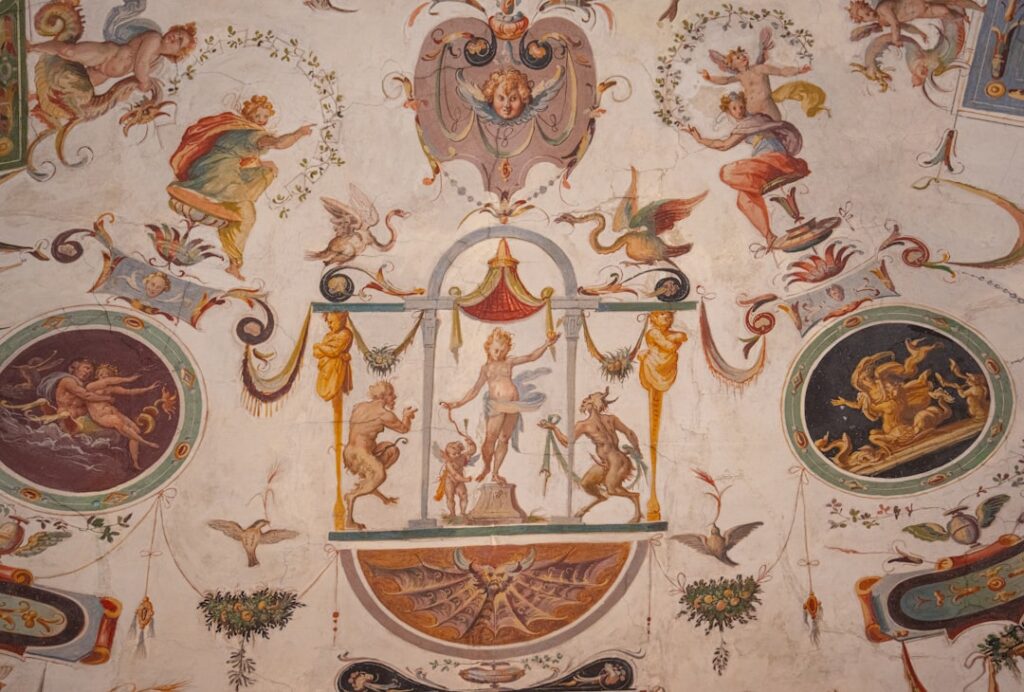
Convento di San Francesco al Prato — Gothic fragments and modern interventions
Address: Piazza San Francesco al Prato, 5, 06123 Perugia PG, Italy. The San Francesco al Prato complex, well known for its imposing scale and Franciscan history, contains evocative fragments of Gothic frescoes. The building, frequently used for temporary exhibitions and cultural events, displays wall remains where biblical scenes and ornamental motifs typical of Franciscan iconography interweave.
Opening hours: variable depending on events; during exhibitions typically open from 10:00 to 18:00, Tuesday to Sunday. Price: admission varies (around €10 standard for main exhibitions, reduced rates for youth and seniors). Access to reserved convent areas sometimes requires participating in a guided tour organized by the association that manages the site.
Immersive description: Stepping into the former nave, you feel the austere grandeur of Franciscan religious spaces. The frescoes — sometimes reduced to narrative bands between arches — depict Passion scenes, episodes from the life of Saint Francis of Assisi and gentle rural landscapes surrounding holy figures. The contrast between the bare walls and painted squares creates a dramatic effect: fragments appear to float within the architectural space. Modern interventions, including explanatory panels and directional lighting, help visitors place each fragment within its original story.
Practical tips: Combine this visit with a coffee on Piazza San Francesco al Prato to catch the local rhythm. Check the exhibition calendar; contemporary installations often enter into dialogue with the ancient frescoes. If you’re interested in conservation, inquire about tours of the restoration workshops sometimes organized during preservation projects.
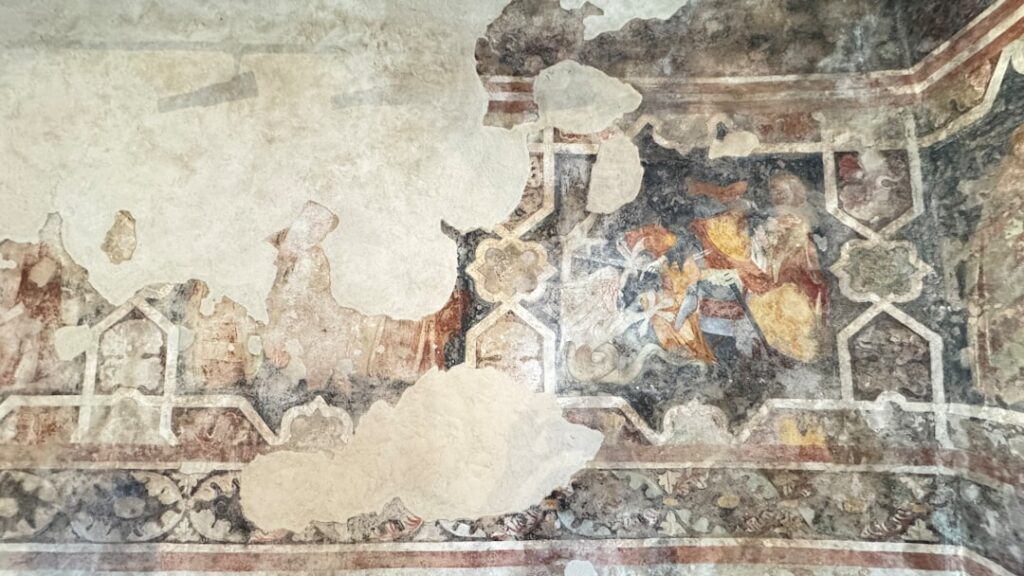
Oratorio di San Bernardino and minor monastic annexes — hidden gems
Address: Via del Campanile, 06123 Perugia PG, Italy (Oratorio di San Bernardino, near Piazza IV Novembre). The Oratorio di San Bernardino and several small monastic annexes scattered through the old town hold modestly sized but highly narrative paintings: ex-votos, little Madonnas, protector saints and devotional cycles intended for the private devotion of religious communities.
Opening hours: Oratory generally open from 9:30 to 12:30 and from 15:00 to 18:00; some annex spaces are visible only on request. Price: oratory entry €3–5; special visits €6–10 depending on duration. These sites are often managed by local foundations or confraternities, which means hours can fluctuate during religious festivals.
Immersive description: The mood in these oratories is often more intimate than in the large basilicas. The closeness to the frescoes suggests a direct relationship with the faithful: scenes are painted at eye level, faces are expressive and gestures charged with affectionate appeal. For example, a 15th-century Madonna enthroned retains an almost intact gold veil; nearby, a small panel of Saint Roch shows scenes of repentance and miraculous cures, reminding visitors of these spaces’ popular intercessory role.
Practical tips: These places are ideal for visitors seeking quiet moments away from the crowds. Call tourist offices or local confraternities ahead to confirm openings; some oratories open only for specific ceremonies. Observe strict silence and note that flash photography is frequently prohibited to protect fragile pigments.
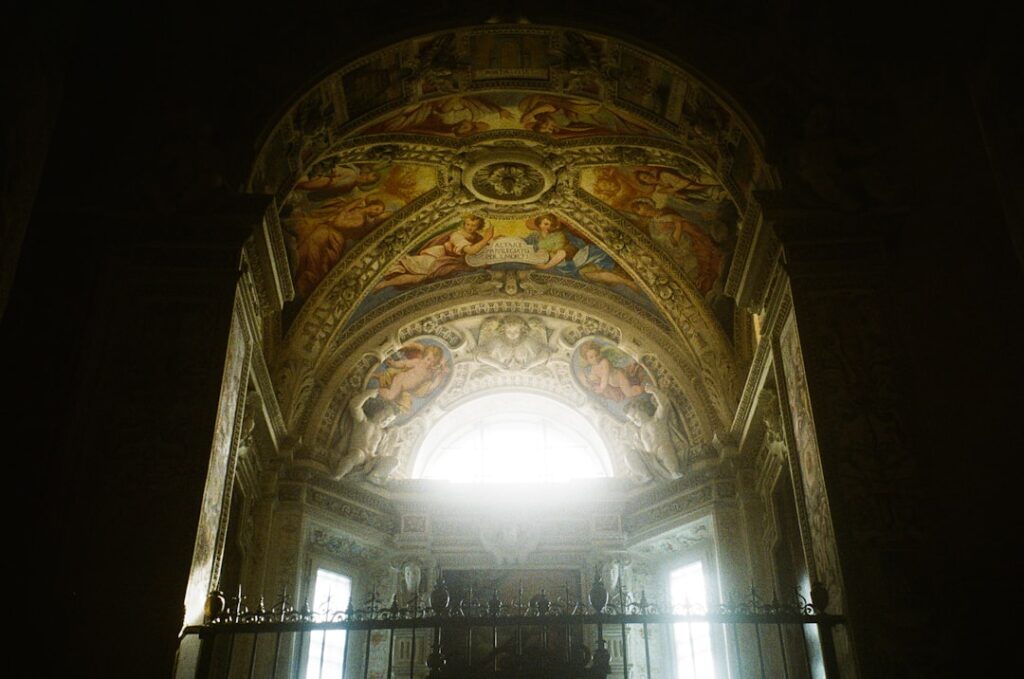
Suggested route and practical tips for a day of discoveries
To make the most of a half or full day devoted to convent frescoes in Perugia, here’s a practical route and some logistical recommendations. Start early from Corso Vannucci: begin at the Convento di San Pietro (arrive around 9:00), explore the cloister, then walk up to Sant’Agostino for a guided tour at 11:00. Lunch in one of the historic cafes near Piazza IV Novembre (expect €12–18 for a light meal).
In the afternoon, head to San Francesco al Prato to see the Gothic fragments and, if possible, join a guided tour of a temporary exhibition. Finish at the Oratorio di San Bernardino and other small annexes around the cathedral — perfect for late-afternoon photos when oblique light filters into the chapels.
Local practical tips:
– Transport: Perugia’s old town is best explored on foot. There are city minibuses and a public elevator (Pian di Massiano) connecting some neighborhoods; paid parking is available on Corso Cavour or via Eugubina if you arrive by car.
– Tickets: keep your admission tickets — you may sometimes be eligible for combined rates (e.g. museum + oratory). Tourist offices on Corso Vannucci often provide up-to-date opening schedules.
– Respect and gear: flash is prohibited, quiet behavior is requested; wear comfortable shoes, bring water and a paper guide or audio-guide app.
– Photography: for professional use request permission and expect licensing fees; for personal use follow signage.
– Language: local guides generally speak Italian and English; in high season you may find tours in French, but it’s wise to book ahead.
– Food: small traditional restaurants around Via dei Priori are recommended; try Umbrian dishes like strangozzi al tartufo (around €12–18) or ribollita when in season.
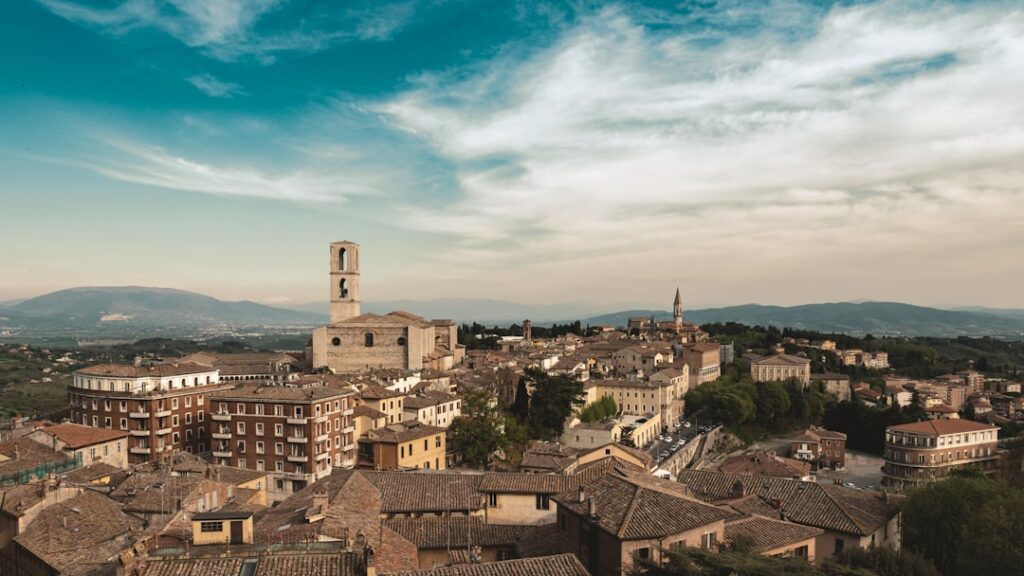
Restoration efforts, local initiatives and how you can help
Preserving Perugia’s convent frescoes depends on a mix of public, private and associative interventions. Cultural foundations, universities (notably the Conservation Department of the Università degli Studi di Perugia) and restoration workshops collaborate to stabilize plasters, reawaken pigments and consolidate structures. Recent projects have included non-invasive cleaning, consolidation of the pictorial layer and pigment studies to better understand medieval and Renaissance painting recipes.
How visitors can help: if you want to support these efforts, favor official guided tours and consider donating to local associations. Some venues offer “support visits” where a portion of the fee goes directly to restoration work. Also check temporary exhibitions that allocate part of their proceeds to conservation; buying a local publication on the frescoes helps fund research too.
Tips for photographers and researchers: always request permission for macro photography and for using professional equipment. Restorers sometimes require documentary images be shared with them to enrich archives. If you’re an art history or conservation student, look for exchange programs and internships offered by the Università degli Studi di Perugia, which are often linked to field schools and scientific research projects.
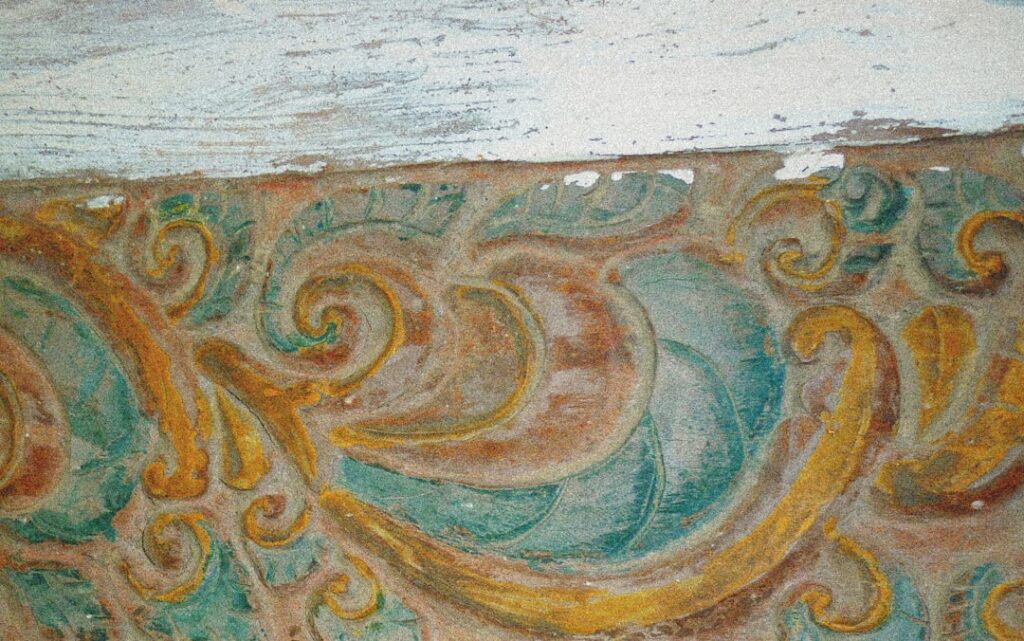
Conclusion: Why these frescoes are worth the trip
Perugia’s forgotten convent frescoes offer an intimate, profound reading of Umbria’s religious and artistic history. Far from tourist clichés, they speak of daily devotion, communal practices and a pictorial craft passed down through generations. Visiting these places is entering a meditative conversation with the past: each loss, each retouch, each lime layer tells of an era, a past health crisis or a pious renovation. These walls are not mere decorative supports; they are sensitive archives where emotions, prayers and a community’s spiritual needs have been recorded.
For the traveler, these visits invite a welcome slowness: take the time to observe, listen to a guide, reflect on the restorers’ gestures and support preservation. Knowing exact addresses, hours and prices helps planning, but nothing replaces the present moment in front of a fresco lit by oblique morning light or at dusk, when pigments regain an almost-forgotten intensity. Finally, contributing — by visiting, donating or sharing knowledge — helps ensure the longevity of these fragile decorations. In Perugia, sacred art is never frozen: it lives through visits, research and acts of protection. Allow yourself this candor: be surprised by a saintly hand’s brushstroke, a half-erased face, and by the peace that still reigns in cloisters where history continues to breathe.