





Introduction: A gourmet walk in Perugia — herbs, oils and local olives
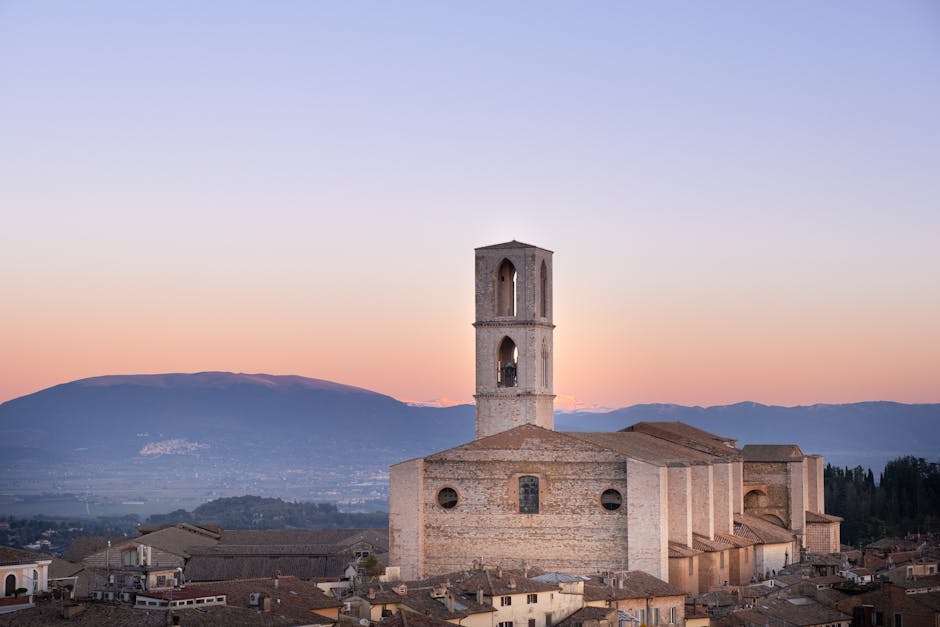
Perugia is a city that unfolds its history across narrow alleys, lively squares and sweeping views over the Umbrian countryside. Beyond its artistic treasures — the Galleria Nazionale dell’Umbria, the Fontana Maggiore and the Cattedrale di San Lorenzo — the capital of Umbria hides a subtle but deep culinary heritage centered on wild herbs, characterful olive oils and olives grown on the surrounding hills. This gourmet walk invites you to explore the city and its surroundings through the places where these typical products are bought, produced and tasted: covered markets, frantoi (olive mills), herbal shops, delicatessens and small family-run trattorie.
In the cobbled streets of the historic center — Corso Vannucci, Piazza IV Novembre, Piazza Matteotti — you’ll pass stalls piled with bunches of fresh herbs, jars of olives in brine, oils with fruity or peppery notes and assortments of dried herbs for seasoning. Typical Umbrian herbs like rosemary, sage, thyme and wild mixes (local arugula/rucola selvatica, borage, nettles) are sold fresh at the market, but you’ll also find artisanal preparations made from candied leaves, infused oils and flavored salts.
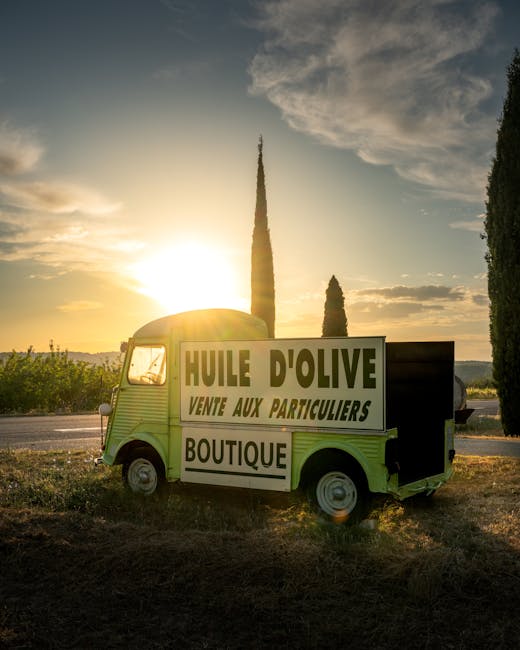
This tasty exploration will also take you beyond the city walls to olive-lined valleys and frantoi where olives are pressed in season to produce young oils that are bitter and long on the palate. Visits include pressing demonstrations, guided tasting workshops and sometimes the chance to buy oil directly from the producer. In town, herbal workshops and cooking classes show how to use local herbs to make pasta, sauces and marinades.
Throughout this article I’ll give exact addresses, opening hours, approximate prices in euros, sensory descriptions and practical tips to help you get the most out of your gourmet walk in Perugia. Expect market stalls where you can smell and touch before you buy, frantoi open during the « stagione della raccolta » (harvest season, usually October–November), and small producers ready to share stories and recipes. Bring a reusable produce bag, canvas sacks and a notebook: you’ll leave with robustly aromatic oils, jars of punchy olives and fresh ideas for cooking with Perugian herbs. Enjoy the walk and buon appetito!
Markets, delicatessens and must-visit spots in Perugia
To start any food-focused stroll you should head to the markets and shops that concentrate local production. In Perugia a few places are worth visiting for fresh herbs, oils and olive preserves.
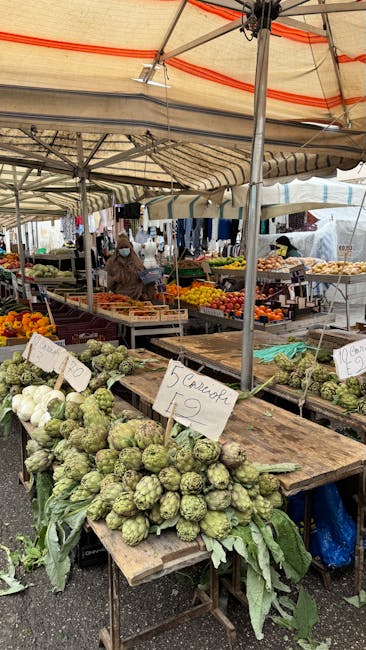
Mercato Coperto di Piazza Matteotti — Piazza Matteotti, 06121 Perugia PG. This covered market, just steps from Corso Vannucci, is open Tuesday to Saturday from 07:30 to 14:00; some stalls stay open on Saturday afternoons until 18:00. You’ll find local producers selling vegetables, herbs and cheeses. Price guide: bunches of fresh herbs between €1.50 and €3.00; jars of marinated olives (350 g) between €4.50 and €7.00. Tip: arrive early to choose the freshest herbs and watch vendors cut to order.
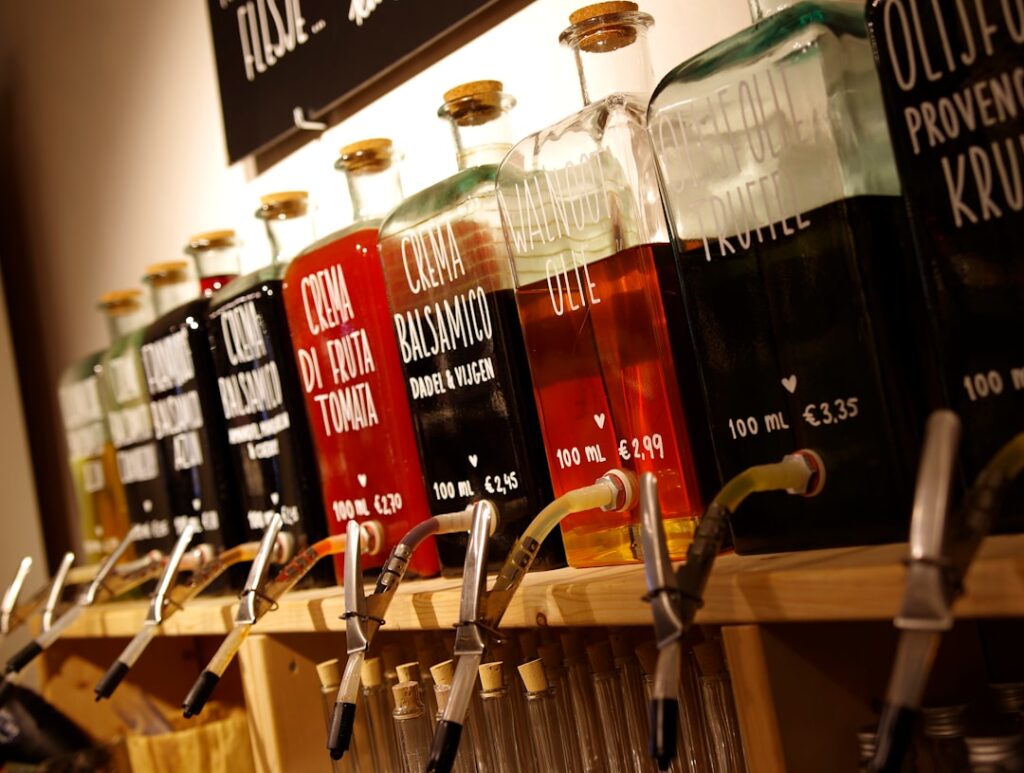
Walking up toward Corso Vannucci, stop at La Bottega di Vannucci — Corso Vannucci, 48, 06121 Perugia PG. This gourmet shop specializes in Umbrian products (olive oils, artisanal pasta, flavored salts and dried herbs). Hours: Monday–Saturday 09:30–19:30, closed Sunday. Prices: extra virgin olive oil bottles (250 ml) from €8.50; tasting gift sets (3 x 100 ml) around €18–25. Vendors offer small tastings: take your time to compare single-cultivar oils and blends.
For olive preserves and local specialties, visit Norcineria Central — Via Cluni, 12, 06121 Perugia PG. Hours: 09:00–13:30 and 16:00–20:00, closed Sunday morning. Here you’ll also find fresh pasta, herb-based sauces and take-away antipasti. Prices: herb taralli €3.00 per bag, house-stuffed olives (250 g) about €5.50. Practical tip: ask staff about the exact origin of the olives and whether the producer uses organic methods.
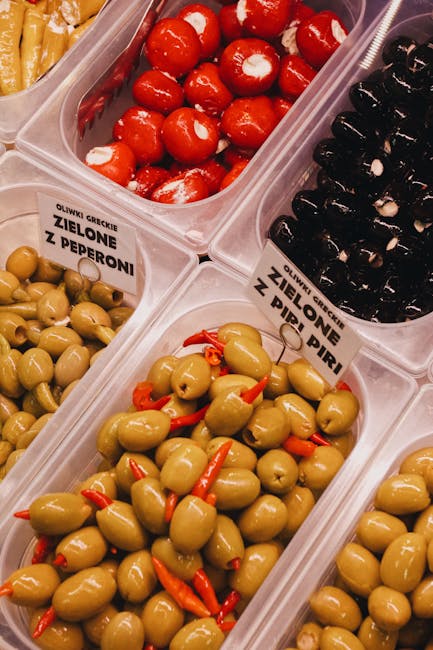
Finally, for specialist purchases and knowledgeable advice, stop by Erboristeria del Centro — Via della Guitgia, 3, 06123 Perugia PG (near Piazza IV Novembre). Hours: 10:00–13:00 and 16:00–19:30 (closed Monday morning). The herbal shop offers dried herbs, local infusions and infused oils. Prices: packs of dried herbs €3.00–6.00, flavored oils €6.50–12.00 for 200 ml. Tip: to store herbs you buy, keep them away from light and heat in airtight jars.
Olive mill visits and oil tastings: where to go around Perugia
The best way to understand an olive oil is to see where it begins: the olive tree. Around Perugia, several frantoi (olive mills) open their doors to visitors during harvest season. These visits combine technique, history and sensory tasting. Here are addresses and practical details to help you plan visits.
Frantoio Sociale Noceta — Località Noceta, 06089 Torgiano (Perugia). Although about 20–25 minutes by car from Perugia, this cooperative mill offers guided tours and tastings. Visiting hours (by reservation): 09:00–12:30 and 14:30–17:30 during the season (October–December). Price: guided tour + tasting around €10–15 per person, simple tasting €5–7. They explain cold pressing, extraction and quality parameters (acidity, peroxide value). You’ll have the chance to smell fresh oil, taste multiple varieties and compare fruity and bitter intensities.
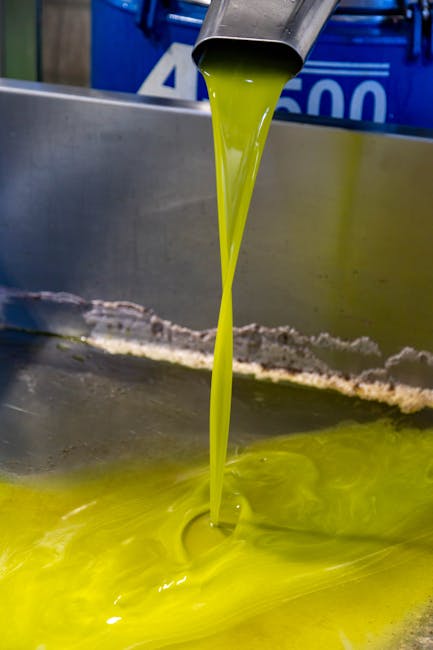
Azienda Agricola Olivaio S. Martino — Via Pian di Massiano, 22, 06127 Perugia PG (small family farm). This farm offers workshops for groups (max 12 people): olive picking, a visit to a mobile press and a bruschetta tasting with fresh oil. Hours: visits by reservation, typically 10:00–13:00 or 15:00–18:00. Price: picking workshop + tasting €25–35 depending on season. Tip: wear closed shoes and bring gloves if you join the harvest.
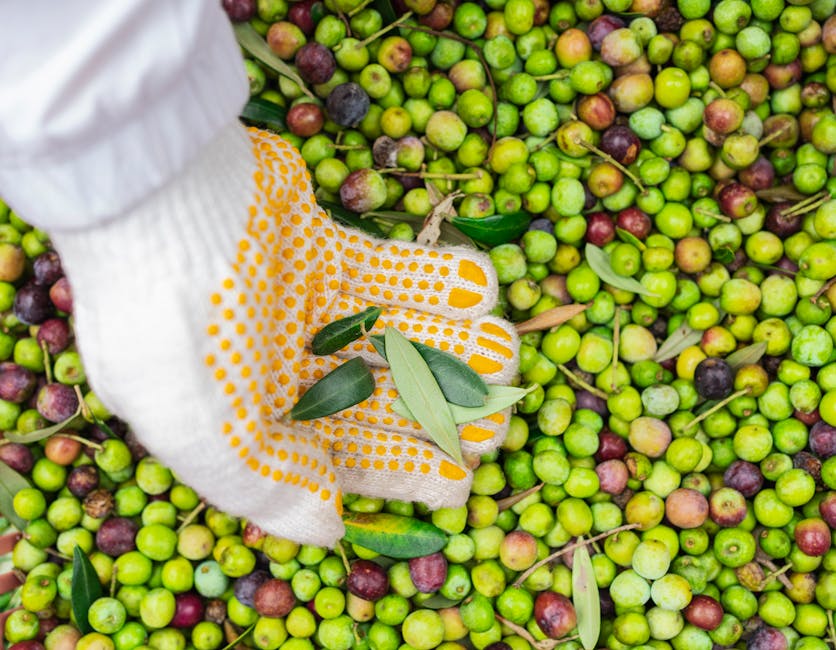
Frantoio di Sant’Andrea — Strada Sant’Andrea, 5, 06134 Collevecchio (province of Perugia). A small artisanal mill focused on local production and gentle mechanical extraction. Hours: visits on request; during October–November often open from 08:00 to 18:00. Price: €8–12 for a guided tasting (about 4 oils), possibility to buy oil in 3L tins (€35–50 depending on quality). Advice: ask to taste oil on grilled bread with no salt or condiments to better perceive bitterness and peppery notes.
To book, contact local tourist offices (Pro Loco Perugia, Piazza IV Novembre) or call the frantoi directly. Many producers accept cash payments; make room in your luggage for a bottle or a securely sealed tin. If you visit outside the harvest season, many mills offer theoretical visits and video presentations showing pressing steps.
Foraging, identifying and cooking with Perugian herbs and olives
Umbria’s wild herbs are a culinary treasure: rosemary, sage, thyme, oregano and the traditional rucola selvatica (wild arugula) are everywhere. Knowing how to identify them, harvesting respectfully and using them in cooking can turn a simple dish into a true regional experience.
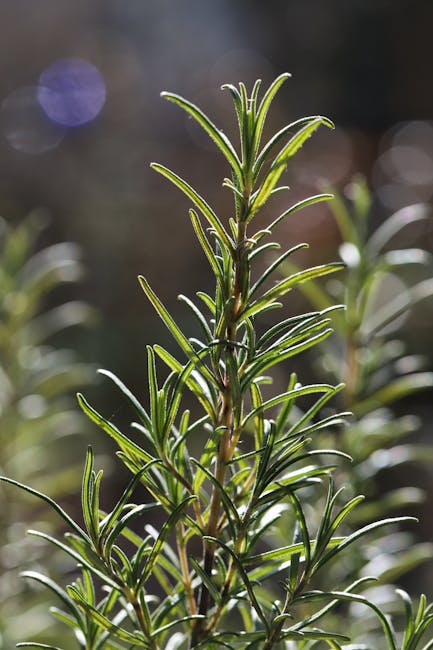
Identification and harvesting: favor areas that aren’t chemically treated such as the edges of private paths, hillside trails and some permitted fallow fields. Golden rule: never pick on private land without permission. For herbs like sage (Salvia officinalis), rosemary (Rosmarinus officinalis) and thyme (Thymus vulgaris), take a few thin sprigs, leaving enough on the plant to regrow. For wild arugula, cut only the top leaves to encourage fast regrowth. Practical tip: keep them wrapped in a damp cloth or in a small insulated bag during the day to preserve freshness.
Cooking and recipes:
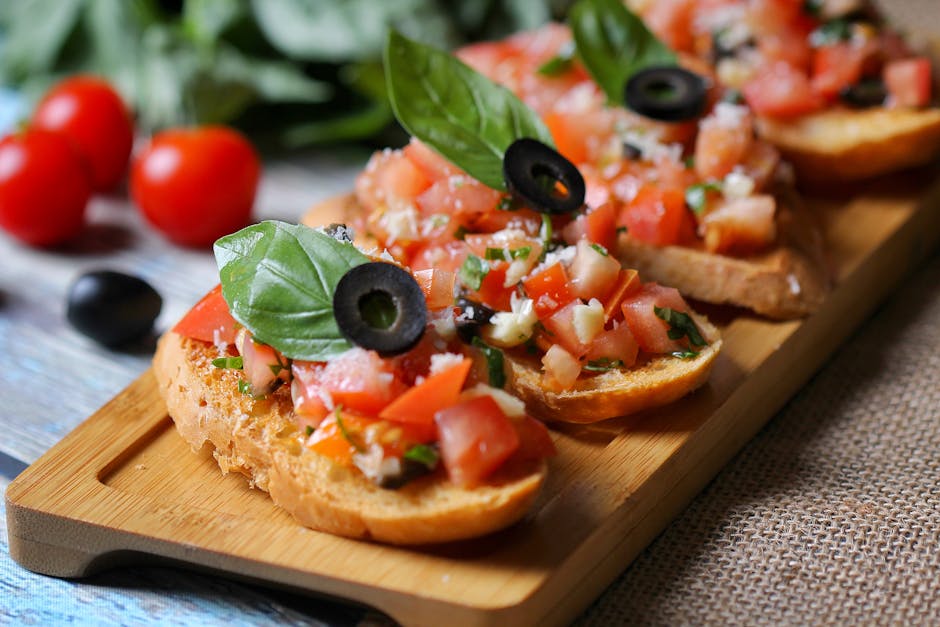
- Bruschetta with fresh oil and rosemary: local grilled bread, a drizzle of local extra virgin olive oil (10–15 ml), a rubbed clove of garlic, finely chopped rosemary sprigs; add a pinch of sea salt. Serve immediately to enjoy the oil’s volatile aromas.
- Pasta with sage and butter (Umbrian twist): 80 g pasta per person, 30 g butter, 6–8 fresh sage leaves, lemon zest, 1 tablespoon local olive oil. Tip: add the oil at the end to highlight the fragrance.
- Wild arugula, olives and scagliozzi salad: arugula, pitted black olives, pecorino shavings, olive oil, red wine vinegar, black pepper. Serve as an antipasto.
Storing herbs and oils: for oil bought in town or at the mill, keep bottles away from light and heat (ideal temperature 14–18 °C). Fresh herbs last 2–4 days max in the fridge wrapped in a damp cloth; for longer storage, make infused oils (consume within 2–4 weeks) or dry herbs naturally in the shade and store them in airtight jars. Always label with the date and origin: “rosemary, harvest 11/2025” is a helpful habit to remember provenance.
A one-day gourmet itinerary in Perugia: practical tips and local advice
Here’s a full-day itinerary dedicated to discovering Perugian herbs, oils and olives, with hours, addresses and approximate costs. The idea is to combine market visits, tastings, a walk and meals in emblematic spots.
Morning — market and breakfast
- 09:00 — Arrive at Mercato Coperto di Piazza Matteotti (Piazza Matteotti, 06121 Perugia PG). Buy fresh herbs (€2–4), a piece of focaccia and a coffee (espresso €1.20–1.50). Use the stalls to chat with vendors and ask for cooking tips.
- 10:00 — Stroll along Corso Vannucci to Piazza IV Novembre; photo stop at the Fontana Maggiore and a quick visit to the Cattedrale di San Lorenzo (Piazza IV Novembre, 06123 Perugia PG).
Midday — tasting and class
- 12:00 — Lunch at Trattoria del Carmine — Via della Viola, 5, 06121 Perugia PG. Hours: 12:00–15:00 and 19:00–22:30. Recommended dish: pici with garlic sauce, local olive oil and sage (about €10–14). Reservation recommended. If you prefer an oil tasting, head to La Bottega di Vannucci (Corso Vannucci, 48) for a mini-workshop (€15–20).
Afternoon — mill visit or olive walk
- 15:00 — Transfer to a local frantoio (e.g. Frantoio Sociale Noceta, Località Noceta, Torgiano — book in advance). Tour and tasting (€10–15).
- 17:30 — Return to Perugia; free time to buy bottled oils (€8–35 depending on size and quality) and spiced souvenirs (packs of herbs €3–6).
Evening — local aperitif and tasting tips
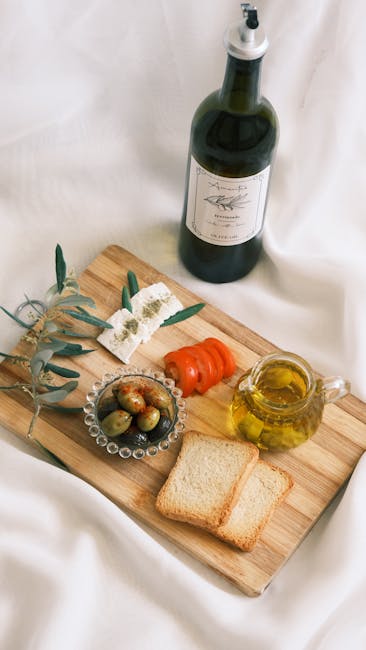
- 19:30 — Aperitif on a terrace on Corso Cavour or near Rocca Paolina. Order a plate of antipasti: olives, bruschetta, marinated vegetables (€8–12). Pay attention to pairings: a fruitier oil pairs better with fresh cheeses; a peppery oil lifts charcuterie and grilled vegetables.
- 21:00 — Evening stroll around Rocca Paolina (Piazza Italia, 06121 Perugia PG). The alleys light up; it’s a great chance to taste oil on a slice of bread again and compare the day and evening experiences.

Practical tips:
- Transport: Perugia’s historic center is very walkable. For frantoi, rent a car or book an organized tour. Parking: lots like Parking Piazza Partigiani (Via Bonazzi) are handy, but in high season arrive early.
- Language: most shopkeepers speak Italian; many guides and mills offer tours in English by reservation. Bring a few key Italian phrases for polite bargaining: « Posso assaggiare? » (May I taste?).
- Payment: many artisans accept cash only; keep €20–50 in small bills for purchases.
- Seasonality: the olive harvest generally takes place from October to December; outside that period, focus on tastings of oils bottled earlier.
Useful addresses, prices and opening hours at a glance
To make planning easier, here’s a practical summary of the places mentioned with addresses, hours and price ranges. Hours can change with the season; check ahead before you go.
- Mercato Coperto di Piazza Matteotti — Piazza Matteotti, 06121 Perugia PG. Hours: Tue–Sat 07:30–14:00 (some stalls until 18:00 on Saturday). Prices: herbs €1.50–3.00, jarred olives €4.50–7.00.
- La Bottega di Vannucci — Corso Vannucci, 48, 06121 Perugia PG. Hours: Mon–Sat 09:30–19:30. Prices: oil 250 ml from €8.50, tasting sets €18–25.
- Norcineria Central — Via Cluni, 12, 06121 Perugia PG. Hours: 09:00–13:30 / 16:00–20:00 (closed Sun morning). Prices: stuffed olives €5.50/250 g.
- Erboristeria del Centro — Via della Guitgia, 3, 06123 Perugia PG. Hours: 10:00–13:00 / 16:00–19:30 (closed Mon morning). Prices: dried herbs €3–6, flavored oils €6.50–12.
- Frantoio Sociale Noceta — Località Noceta, 06089 Torgiano (Perugia). Visits by reservation: 09:00–17:30 (Oct.–Dec.). Prices: €10–15 tour + tasting.
- Azienda Agricola Olivaio S. Martino — Via Pian di Massiano, 22, 06127 Perugia PG. Visits by reservation. Prices: picking workshop €25–35.
- Trattoria del Carmine — Via della Viola, 5, 06121 Perugia PG. Hours: 12:00–15:00 / 19:00–22:30. Recommended dish €10–14.
Final tip: to bring oil home by plane, prefer sealed tins (3L) that go in checked luggage or use leak-proof packing solutions; check cabin liquid rules if you want to keep a small bottle in your carry-on.
Conclusion: keeping the Perugian spirit and extending the experience
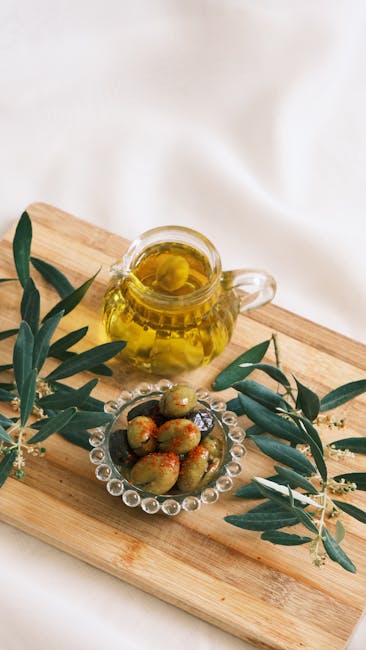
The gourmet walk in Perugia around herbs, oils and olives is more than a list of purchases and tastings: it’s an immersion in a place where cooking is closely tied to the landscape. The scent of rosemary drifting across the hills, the taste of a cold-pressed oil from the same year, the texture of a homemade olive dunked in a lemon-and-herb marinade — these are the elements that make the discovery vivid and memorable. As you wander the markets of Piazza Matteotti and the shops on Corso Vannucci, you’ll learn to spot producers who work respectfully with raw ingredients and to tell a young, green, peppery oil apart from a milder, rounder one.
Bringing Perugian products home means taking a story with you: of a harvest often done by hand, of a family mill pressing fruit at the cool of the morning, of an herbalist drying and blending mixtures using old recipes. To extend the experience at home, try the combinations you learned: olive oil on a wild arugula salad, fresh herbs in warm sauces and lemon-seasoned olives with a glass of local wine.
Finally, stay curious. If you return in autumn, book a frantoio visit and join the harvest; in spring, go on a guided hike to identify wild herbs in bloom. Talk with artisans, ask for family recipes and note the names of producers — often those direct contacts are what let you buy a truly unique oil or arrange a mail-order after your trip. With these practical keys — addresses, hours, prices and storage tips — you’re ready for a flavorful gourmet walk at the heart of Perugia and its Umbrian terroir. Have a great trip and enjoy your meal!