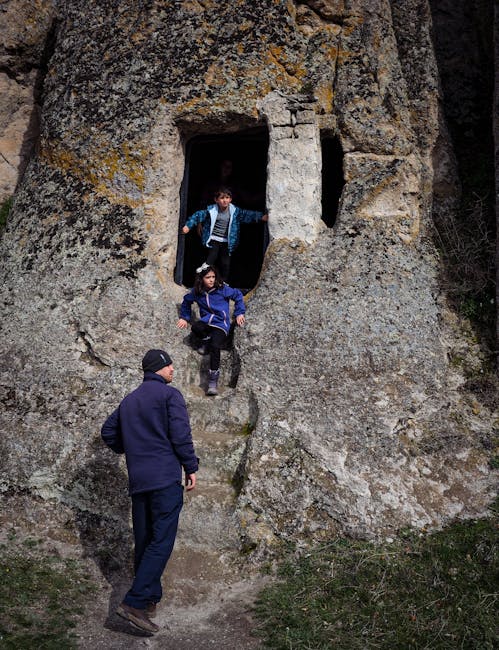






Introduction: Tracing the Etruscans in Perugia — a family adventure
Perugia, perched on its green hill in the heart of Umbria, is a place where history still speaks through stone, where medieval alleys hide older remains, and above all a perfect playground for families who want to experience history in a lively, hands-on way. The Etruscans — the remarkable people who inhabited central Italy before the Romans — left fascinating architectural and archaeological traces in and around Perugia: walls, gates, wells and everyday objects. Much of this heritage is woven into the urban fabric and is best discovered by walking, stopping to look, touching when allowed, and taking part in activities designed to spark kids’ curiosity.
This family itinerary turns a standard visit into a sensory and educational exploration: role-playing games, an archaeological treasure hunt, simplified dig workshops, tastings of local specialties and short kid-friendly talks. The goal isn’t just to admire old stones but to help children understand who the Etruscans were, how they lived, traded and built — and above all to encourage questions and observation. Perugia, with its Museo Archeologico Nazionale dell’Umbria, the Rocca Paolina and scattered remains across the city, provides the perfect ingredients for a discovery-filled day.
This guide gives a practical and fun route: exact addresses, opening hours, prices, logistical tips (transport, toilets, picnic spots) and activity suggestions for each stop. It’s aimed at families with children aged 5 to 14, but curious adults will enjoy it too. Each stop includes an immersive description so you can picture the place, plus tips to make your visit smoother (best times to avoid crowds, stroller access, snack breaks). You’ll also find suggested puzzles and conversation starters to use on site and make each stop interactive.
So round up your little archaeologists, bring a cap, a notebook and a pencil, and get ready to trace time from contemporary Perugia back to the Etruscan age. Stones speak to those who listen, and in Perugia they whisper stories of trade, art and rituals that will delight both young and old. This pragmatic, playful itinerary will help you plan one or more days full of emotion while keeping the kids’ pace in mind and enjoying the city’s charms.
1) Museo Archeologico Nazionale dell’Umbria: Dive into Etruria
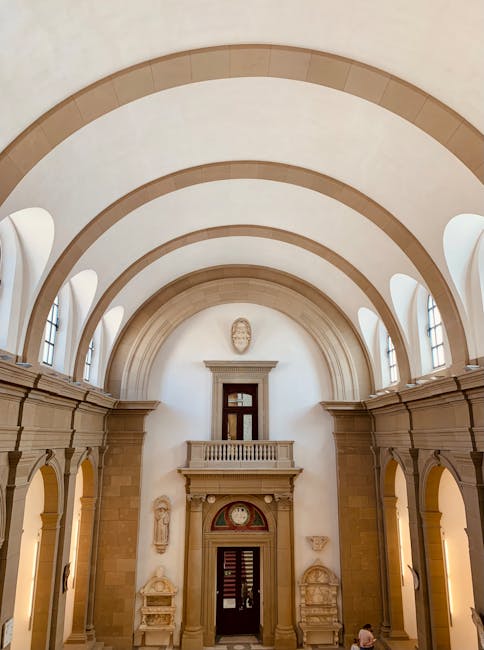
The Museo Archeologico Nazionale dell’Umbria is the essential gateway to understanding the Etruscan world around Perugia. Address: Corso Cavour, 67, 06123 Perugia (PG). Opening hours: Tuesday–Sunday 9:00–19:00 (last entry 18:00); closed Monday (check public holidays). Admission: adult €8.00; reduced (students, seniors) €5.00; free for under-6s; family ticket (2 adults + 2 children) roughly €18.00 (confirm at the desk). The museum is part of the Complesso Museale di Perugia and houses a rich collection of Etruscan and Umbrian objects, from brooches, ceramics and funerary urns to elaborate bronze ritual pieces.
The visit is ideal for families: pick up a kids’ activity booklet (often available at the museum or for download) that guides children to key objects — find a bronze fibula, spot a decorated urn, describe a small statue — and earn a sticker or stamp at the exit. The exhibition is well staged with low display cases at child height and educational labels. For on-site workshops, ask at the front desk: the museum regularly runs children’s activities (pottery workshops, drawing ancient objects, short myth storytelling) — indicative price €6–€10 per child, lasting 60–90 minutes.
Practical tips: arrive early to avoid crowds and keep kids’ attention; the museum shop sells children’s books about the Etruscans, mini-dig kits and replicas. Toilets and an elevator are available for strollers. Given the collection’s richness, allow 1–1.5 hours if you plan stops and activities for children. A coffee break at the Caffè del Museo (or nearby on Corso Cavour) is a good moment to talk about favorite finds before moving on.
2) Rocca Paolina and the underground: a theatrical history beneath the city
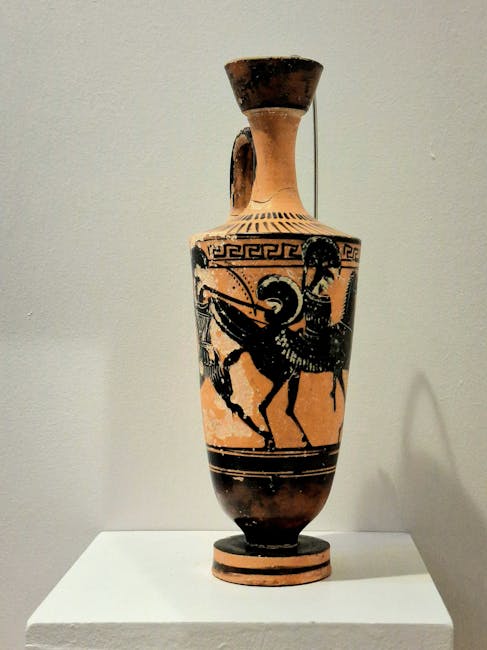
The Rocca Paolina is a dramatic monument that shows how layers of history overlap in Perugia: a 16th-century papal fortress, an urban fracture and today an essential subterranean stroll. Address: Piazza Italia, 06123 Perugia (PG). Access to galleries and passages is usually free and open roughly 9:00–20:00; some areas may be accessible 24/7 during events (check the municipal website). Price: public passages are free; temporary exhibitions in the halls may charge a small fee (usually €3–€8).
A visit to the Rocca Paolina feels magical to kids because much of it takes place underground — vast vaults, stairways and hidden medieval streets — where you can play a « search for the lost chapter » by following clues posted on panels. Start above ground to admire the bastions and the view over the valley, then descend the staircases and let the atmosphere wrap around you, punctuated at times by contemporary art installations.
Family activity idea: inscription hunt — print a simple checklist in advance (a carved stone, a ribbed vault, a carved head, an iron door). Each find scores points that you can exchange for a small prize at the end (for example, a nearby gelato). The underground passages are doable with a compact stroller but a baby carrier is better for narrow corridors. Informational panels tell the fortress’s story and the city’s urban changes: use them as a springboard for a short tale to the kids about « the city that hides beneath the city. »
Practical tips: floors can be uneven and sometimes damp — closed shoes are recommended. In summer the underground is refreshingly cool; in winter it shelters from the wind. Allow 45–75 minutes for a relaxed exploration. Outside, Piazza Italia and the Rocca garden make good spots for a quick picnic or snack.
3) Etruscan Well, Arco Etrusco and the city walls: open-air ruins
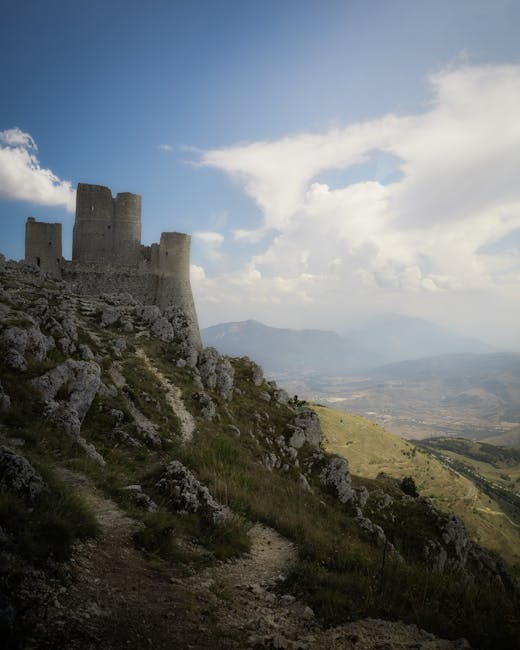
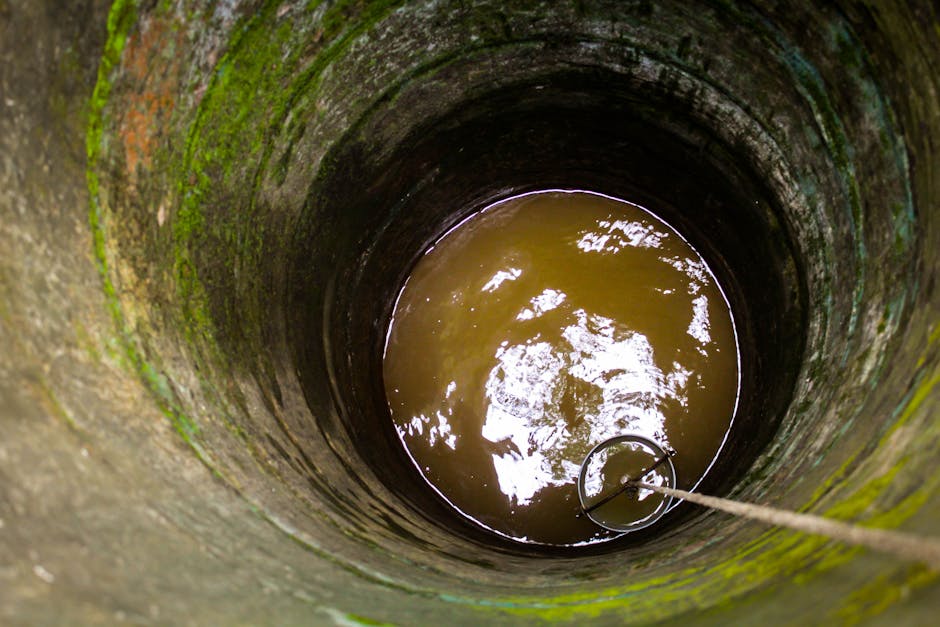
Perugia preserves visible Etruscan remains around the historic center, perfect for short stops on a walk. The Pozzo Etrusco (Etruscan Well) is one of the most fascinating sites: it’s located in the historic core and can be reached from Via della Cupa / Corso Vannucci (general coordinates: Piazza Danti / Corso Vannucci, 06123 Perugia). Opening: guided visits to the well are run via the Museo Archeologico or occasional access depending on opening; admission is often included in the museum’s combined ticket (around €8.00). The Arco Etrusco, also called Porta Marzia, sits at the junction of Corso Cavour and Via Bonazzi (Piazza Fortebraccio/Corso Cavour area) and is visible from the street.
The Pozzo Etrusco demonstrates ancient hydraulic construction techniques and chronological layers; kids love watching how deep the shaft is and imagining how water was drawn 2,500 years ago. Bring a flashlight to highlight textures and ask the museum if access to the interior viewing platform is possible. For the Arco Etrusco (Porta Marzia), explain that the Etruscans built monumental gates to protect the city and mark its limits: have the kids sketch the gate in their travel journal.
Walk the walls: follow stretches of the Etruscan Walls along Via dei Priori and the public gardens. These massive walls, built from cut blocks, tell the story of a fortified city’s collective effort. Suggested family route: start at the Archaeological Museum, walk along Corso Cavour to Porta Marzia, descend toward the Pozzo Etrusco and finish with a snack at the Fontana Maggiore (Piazza IV Novembre). Along the way, invite children to count the stones, spot shapes (ovals, rectangles) and imagine who once lived behind those walls.
Practical tips: most of these sites are outdoor and free (except the Pozzo depending on access). Pack water, hats and sunscreen in summer; in autumn/winter a small blanket makes a nice impromptu picnic spot for an outdoor history break. The city’s streets are cobbled — comfortable shoes are a must.
4) A playful one-day route: from discovery to hands-on workshop
Here’s a detailed schedule designed for a full day suitable for families with children aged 5 to 14. Suggested start: 9:00 from Piazza IV Novembre (city center) to enjoy a paced but lively morning.
Morning (9:00–12:30) :
– 9:00: Meet at Piazza IV Novembre and admire the Fontana Maggiore (Piazza IV Novembre, 06123 Perugia). Time on site: 15–20 minutes. It’s a great starting point to introduce the city to kids. 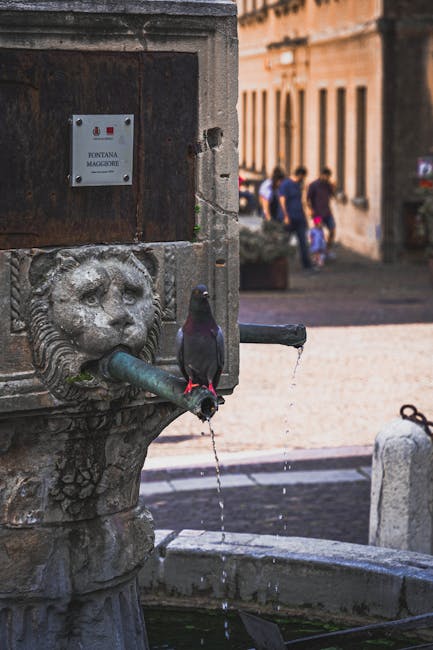
– 9:30: Visit the Museo Archeologico Nazionale dell’Umbria (Corso Cavour, 67). Duration: 1–1.5 hours. Start in the bronzes gallery then move to the section on Etruscan daily life. Grab the activity booklet for children. Snack break at the museum cafe or on Corso Cavour.
Afternoon (13:30–17:00) :
– 13:30: Family lunch: a friendly pizzeria or trattoria — for example Trattoria del Sole, Via dei Priori 22, 06123 Perugia (usually open 12:00–14:30 / 19:00–22:30; adult main courses €8–€15, kids’ menus €6–€10). (Check opening on the day of your visit.)
– 15:00: Head down to the Rocca Paolina (Piazza Italia) and explore the underground passages. Duration: 1 hour. Run the treasure hunt (list of items to find). 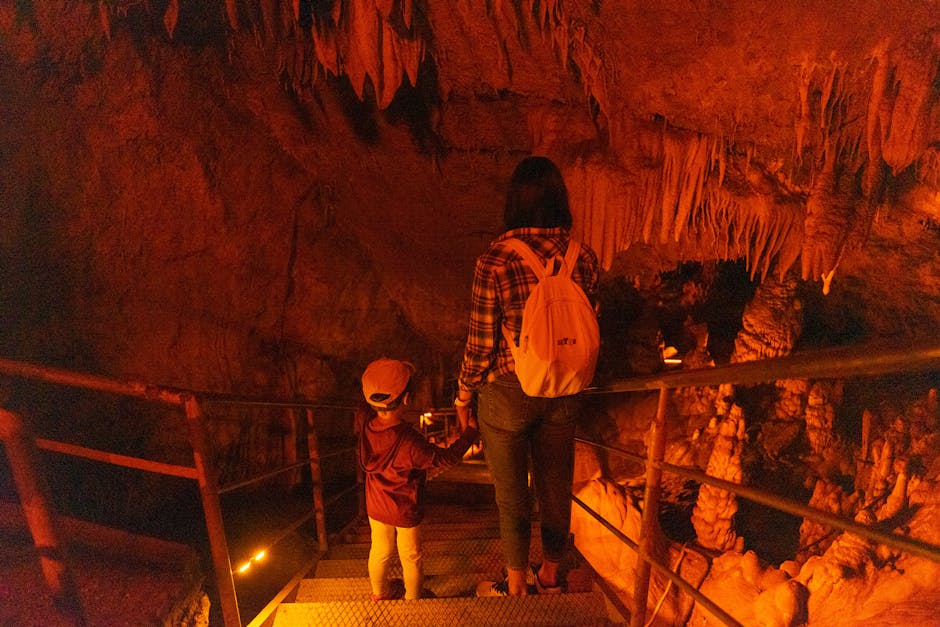
– 16:15: Walk to the Pozzo Etrusco and Porta Marzia, look for the Etruscan walls and have a quick sketching session in a travel notebook (30–40 minutes). 
Late afternoon (17:00–19:00) :
– 17:30: Workshop or hands-on activity: many local associations and the museum offer creative workshops (make a fibula from air-dry clay, simulated digs in a sand box, historical storytelling). Workshop prices: €6–€12 per child. Book the day before if possible. This gives kids something to take home related to their visit.
– 18:30: Gelato break at La Ice Cream Shop (Via Garnieri 9) or a family-friendly cafe on Corso Vannucci before a gentle walk back to your accommodation. Gelato cost: €2–€4 per serving.
Practical tips for the day: pack a backpack with water, snacks, band-aids and a small notebook + pencils for each child. Bring a « treasure map » sheet and print or download a city map to find the stops. If you come by car, use Parcheggio Pincetto (Viale Indipendenza) or Parcheggio Porta Pesa (Via Bonazzi) to access the center by public elevators; parking rates are around €1.50–€2.00/hour.

5) Educational activities and kids’ workshops: learning through play
Nothing cements a visit like hands-on activities. Perugia and its cultural institutions offer several family-friendly formats: pottery workshops, simulated digs, participatory storytelling and game trails through the historic center. Here are some concrete options and practical contacts.
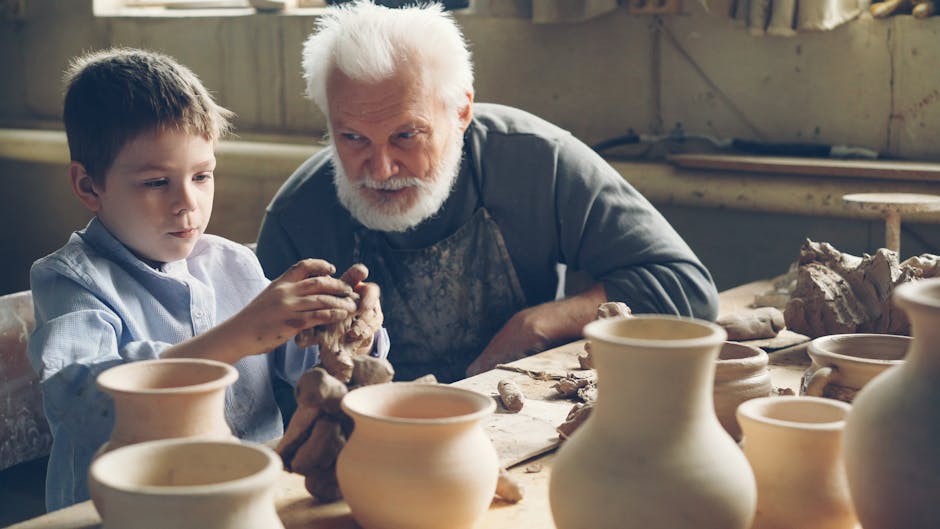
« Little Etruscan Potters » workshop: often run by independent studios or the Archaeological Museum in collaboration with local artisans. Typical venue: Laboratorio Ceramico Perugia, Via dei Priori 14 (confirm details when you visit). Duration: 60–90 minutes. Price: €8–€12 per child, materials included. Aim: shape a small cup or pendant and decorate it with motifs inspired by Etruscan ceramics.
Simulated family excavation: occasionally offered by local archaeological associations, outdoors or at the museum. Children receive simple « dig tasks, » learn to catalog a « find » and receive a little « young archaeologist » certificate. Indicative price: €6–€10 per participant. Bookings are usually arranged via local tourist offices (Pro Loco Perugia).
Themed mystery tours « Etruscan Riddles »: playful guided city routes (60–90 minutes) where families solve puzzles that lead them from monument to monument. Organisers: licensed local guides (family rate €30–€60 per group depending on duration). These tours mix history, observation and light physical challenges suitable for children (spotting an engraving, opening a symbolic chest).
Practical tips: reserve workshops as early as possible, especially in high season. Check age requirements and availability. If you have very young children, tell the organiser so activities can be adapted. After an activity, plan a quiet moment (snack, reading a short booklet) to let kids process what they’ve learned and share impressions.
6) Local practical tips: logistics, food and safety
A family outing in Perugia takes a little planning to keep the day smooth and enjoyable. Here are practical recommendations based on the experience of traveling families.
Transport and parking: Perugia’s historic center is largely pedestrian and paved. Cars are not suitable for narrow lanes; choose central accommodation or use peripheral car parks served by elevators/walkways. Recommended car parks: Parcheggio Pincetto (Viale Indipendenza, approx. €1.80–€2.00/h) and Parcheggio Porta Pesa (Via Bonazzi). From Perugia Fontivegge train station, take the urban bus (line E/6) or a taxi (about €10–€15 depending on traffic); the station is roughly 10–15 minutes by car from the center.
Kid-friendly dining: many trattorie offer « menu bambini. » Look for cozy family spots on Via dei Priori and Corso Vannucci. Average prices: pizza €6–€10, pasta dishes €7–€12. For a snack, a good gelato costs €2–€4. Bring some extra snacks for between visits.
Timings and seasons: high season (June–September) brings more visitors; arrive early for museums and the Rocca Paolina. April–May and September–October offer pleasant weather for walking. In winter, check reduced museum hours and book workshops in advance.
Safety and comfort: closed shoes for kids (cobbles, stairs, underground), hats and water in summer, a light jacket for underground sections. Public toilets are available near Piazza IV Novembre and in some museums; check with the tourist office (Piazza Italia, 06123 Perugia) for up-to-date info. Keep a photocopy of passports in case of emergency and note the local tourist information number.
Conclusion: bringing history to life for children — a lasting legacy
Following the Etruscan trail in Perugia with your family is more than ticking off monuments: it invites children to become active participants in a millennia-old story. By mixing museums, walks, hands-on workshops and treasure hunts you turn a sightseeing trip into a memorable learning experience. Sites like the Museo Archeologico Nazionale dell’Umbria, the Rocca Paolina and the open-air remains (Pozzo Etrusco, Porta Marzia, sections of the Mura Etrusche) strike a perfect balance between information and wonder, each suited to different ages and paces.
Kids will remember the little discoveries: the mysterious depth of an Etruscan well, the cool echoing vaults underground, the heft of a fibula replica in their hand, or the thrill of « finding » a piece of history during a mock excavation. Those moments spark questions — why are these walls so thick? How did they get clean water? — and it’s that curiosity that builds a taste for history and science in young minds. For adults, the visit helps connect material clues to historical narratives and appreciate a city that has preserved and promoted its past.
Finally, traveling to Perugia with family to trace the Etruscans also supports local structures: museums, artisans, guides and associations that create educational offers and care for the heritage. By booking workshops, joining activities and respecting sites you help sustain these cultural initiatives. Take home not only photos and sketches but impressions, anecdotes and perhaps a desire to return to explore other chapters of ancient Italy. Happy archaeological travels in Perugia — may your children come home with stars in their eyes and a new thirst for discovery!