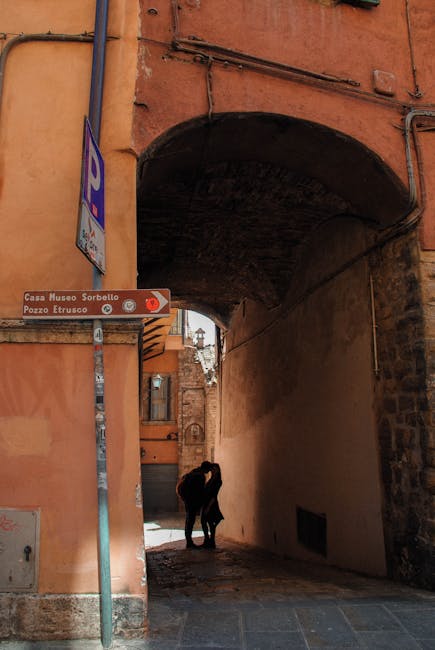





Introduction — Exploring Perugia’s city walls with the family: a journey through stone and time
Perugia, perched high on its Umbrian hill, is a place where the walls speak of centuries: Etruscan ramparts, medieval fortifications, Renaissance bastions and a dramatic urban fortress. For families, discovering these walls is more than a history lesson — it’s a hands-on adventure where every tower, gate and viewpoint becomes a learning playground. Kids run along the ramparts, peer at pigeons from crenellations, learn to tell a tower from a bastion, and imagine knights and catapults. Parents will savor valley vistas over the Tiber, cozy cafés and a compact city that’s perfect for walking or for hopping on a little tourist train.
Perugia’s architectural treasures unfold step by step: start at the Arco Etrusco (Porta Augusta) and feel the weight of ancient stones; continue to the Rocca Paolina, a 16th-century fortress ordered by Pope Paul III that now forms a fascinating underground urban space; then stroll along the Passeggiata delle Mura and its bastions to reach hanging gardens with breathtaking views. Each spot is family-friendly: flat paths for strollers, stairs for the more adventurous, explanatory panels and occasional workshops aimed at kids. Below you’ll find a practical, immersive guide to visiting Perugia’s walls and fortifications with children — precise addresses, hours, prices, local tips and playful activity ideas to keep everyone engaged.
This guide takes family needs into account: snack breaks, accessible restrooms, shady spots in summer, family-friendly dining and indoor alternatives if it rains. Practical info — how to reach the best viewpoints, where to park a stroller, which museums offer kids’ discounts — is included to make planning easier. You’ll also find routes suited to different ages: an easy walk for under-5s, an interactive exploration for 6–12 year-olds, and deeper architectural discoveries for teens. Finally, tips on the best times of day to avoid crowds and catch great light for photos round out this family portrait of Perugia’s walls.
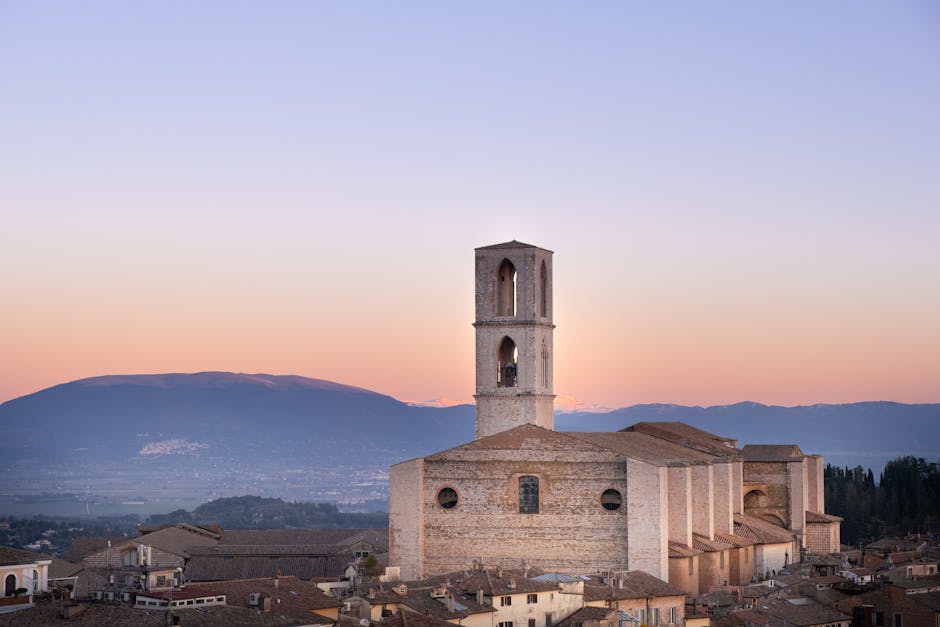
1) Rocca Paolina: the underground fortress to explore with kids
Rocca Paolina is one of the most captivating spots for a family outing. Built between 1540 and 1543 on the orders of Pope Paul III Farnese, it swallowed part of the medieval urban fabric and today offers a maze of passageways, underground squares and archaeological remains transformed into a museum-like route. Address: Rocca Paolina, Piazza Italia, 06121 Perugia PG, Italy. Main access is from Piazza Italia or via the pedestrian streets that slope down into the subterranean area.
Hours and prices (indicative — check the official site before you go): access to the public underground spaces is usually free, while temporary exhibitions or the Museo della Rocca Paolina may have specific opening hours (often 10:00–18:00). Typical ticket prices for paid exhibitions: adults €6, reduced €3–€4 for youth and seniors, children <6 years often free. Families can sometimes get family tickets or combined passes with other city museums (Museo Archeologico Nazionale dell’Umbria, Galleria Nazionale dell’Umbria).
Why bring children? Rocca Paolina feels like a safe, giant labyrinth where history and play alternate. Vaulted corridors, monumental staircases and large underground squares fire the imagination. Informational panels and occasional reconstructions (models, videos) help explain why the fortress was built and how it changed the city’s layout.
Practical tips: visit in the morning to enjoy cool temperatures in summer; wear non-slip shoes as some floors can be damp; if you have a stroller check accessible routes (some passages require ramps or lifts). For a complete experience, pair the visit with a coffee on the Piazza Italia terrace where you can observe the fortress’s monumental entrance.
2) Arco Etrusco (Porta Augusta) and the Etruscan walls: ancient history in the city center
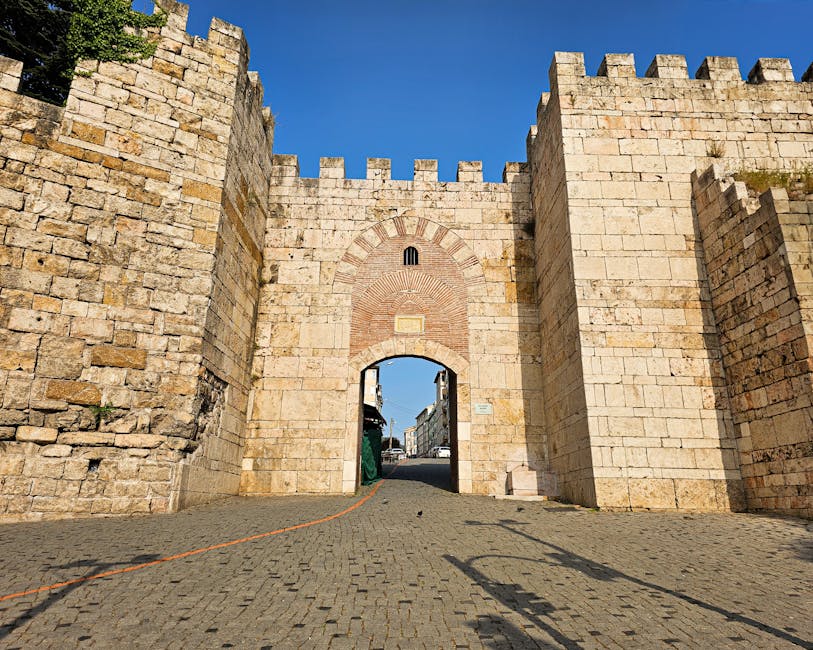
The Arco Etrusco, also known as Porta Augusta, is one of the most impressive reminders of Etruscan presence in Perugia. It’s a monumental gateway built from massive stone blocks, part of a well-preserved stretch of ancient wall. Address: Arco Etrusco (Porta Augusta), Corso Vannucci / Piazza Danti, 06121 Perugia PG, Italy. The site is in the city center and easily reached on foot from Corso Vannucci, the main pedestrian thoroughfare.
Hours and prices: the Arco Etrusco is an open-air monument, freely accessible at all times with no ticket or opening hours. The site is close to museums (Museo Archeologico Nazionale dell’Umbria, Piazza Giordano Bruno) which have their own hours (generally 9:00–19:00) and fees — adult tickets around €7–€9, with reductions for children and families.
Immersive description: get close and touch the stones — their rough texture tells stories of centuries. The blocks are enormous, placed without mortar, a technique typical of the Etruscans. The arch frames the street and hints at the continuity of the walls to the north. Kids love comparing stone sizes; bring a tape measure or let them imagine how those blocks were moved. Info panels and visual markers place Perugia’s story between the Etruscan world and ancient Rome.
Practical tips: combine this visit with the National Archaeological Museum of Umbria (Museo Archeologico Nazionale dell’Umbria, Piazza Giordano Bruno 10, 06121 Perugia PG) for context. Pack a kids’ activity booklet (stone treasure hunts, architecture quizzes). In summer, aim for late afternoon to beat the heat and enjoy golden light on the stone.
3) Passeggiata delle Mura and viewpoints: family-friendly panoramic walks
The walk along the walls — the Passeggiata delle Mura — is perfect for a relaxed family outing. It links several bastions and gates, offers sweeping views over the valley, and runs past hanging gardens where kids can run and play. Main access points: Porta Santa Susanna (Via dei Priorini), Porta Sole (Via del Giochetto / Piazza Fortebraccio) and the Giardini Carducci/Frontone. These spots are spread across the old town but are well signposted.
Hours and prices: the passeggiata is a public space and free to use year-round unless temporarily closed for works or events. The gardens (Giardini del Frontone, Giardini Carducci) are open from morning until sunset and usually provide picnic spots and sometimes play areas.
Detailed description: the path winds between medieval towers and modernized bastions, alternating shaded walks and panoramic platforms. From viewpoints like Porta Sole and the Giardini Carducci you overlook the Umbrian plain and the surrounding hill profiles. It’s particularly beautiful at sunrise and sunset when light bathes the roofs and walls and birds glide over the valley. For families, the walk can be split into short segments: an hour max for toddlers, or a two-to-three-hour loop with a picnic for older kids.
Practical tips: bring water, snacks and a small first-aid kit. If you have a stroller, pick the flattest sections and check access points — some parts include stairs. Take binoculars for landscape spotting and a sketchbook so children can draw the view. In autumn pack warm layers; in spring enjoy the garden blooms.
4) Bastions and lesser-known gates: mini adventures and hidden treasures
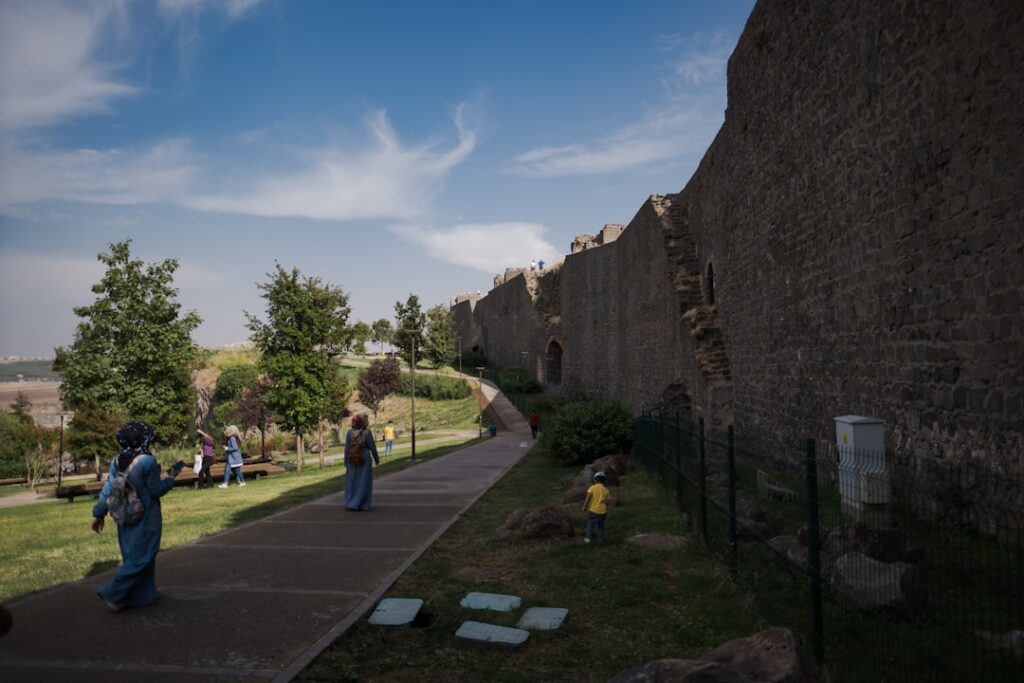
Beyond the major monuments, Perugia is full of secondary gates and lesser-known bastions that are perfect for curious families. Examples include Porta Sant’Angelo (Via Sant’Angelo), Porta dell’Acquedotto (near Via dell’Acquedotto) and the Bastione Sangallo (Viale Indipendenza / Largo di Porta San Girolamo). These spots, often quieter, offer peaceful corners for exploration games, knightly storytime or group photos.
Hours and prices: these points are outdoors and free to visit. Some bastions host temporary exhibitions or contemporary art installations with variable opening hours (check onsite panels or the tourist office). Access is usually open but can be limited for conservation or maintenance.
Immersive description: these small fortifications reveal architectural details — arrow slits, corbels, bolt holes — and layers of history from Etruscan to Roman to medieval and modern. Kids love inventing missions: find the smallest arrow slit, count the steps of a stair, or imagine who stood guard. These sites make great bases for a little educational workshop: unfold a map and trace a mini “wall detectives” route.
Practical tips: use a downloadable or paper map (Perugia Tourist Office — Ufficio Informazioni e Accoglienza Turistica, Piazza IV Novembre 6, 06121 Perugia PG — usually open 9:00–18:00) to plan your stops. Pack a small reward kit (stickers, postcards) to motivate kids to finish the mini treasure hunt. If the weather turns, several bastions offer partial shelter and steps to rest on.
5) Museums and hands-on activities linked to the walls: extend the visit
Seeing Perugia’s walls isn’t just about walking them: nearby museums and interpretation centers extend the experience with artifacts, models and workshops designed for young visitors. Near the ramparts and Rocca Paolina you’ll find:
- Museo Archeologico Nazionale dell’Umbria — Piazza Giordano Bruno 10, 06121 Perugia PG. Typical hours: 9:00–19:00. Typical price: €7–€9 for adults, reductions for youth and families, <6 years free.
- Galleria Nazionale dell’Umbria — Palazzo dei Priori, Corso Vannucci 19, 06121 Perugia PG. Typical hours: 10:00–18:00 (closed some days). Typical price: €8–€10 adults, family reductions available.
- Perugia Underground tours inside Rocca Paolina — check guided tour schedules and children’s workshops (often by reservation).
Detailed description: museums offer kid-friendly routes, activity sheets and sometimes mock-dig workshops. For families, joining a “Little Archaeologist” workshop or a themed guided tour (fortifications, medieval daily life, construction techniques) turns the outing into a fully interactive experience. Exhibitions often include tactile displays and audio guides tailored to younger audiences.
Practical tips: book workshops and guided tours online in advance, especially in high season. Check availability of audio guides in French or activity booklets in English/Italian. Bring a small shoulder bag for souvenirs picked up along the way (pebbles, postcards). Also check local tourist office and cultural centers for event programs: historical festivals and medieval reenactments often take place in July and August with family-focused activities.

Conclusion — How to plan the perfect day around Perugia’s walls
Visiting Perugia’s walls and fortifications with your family gives children a playful, educational adventure set against unique stone backdrops. For an ideal day: start at Rocca Paolina in the morning (Piazza Italia, 06121 Perugia PG) to enjoy the cool underground air, then head to Arco Etrusco (Corso Vannucci, 06121 Perugia PG) to touch millennia-old stones and tell the story of the Etruscans, and stroll the Passeggiata delle Mura with pauses at Giardini Carducci or Giardini del Frontone for a picnic and playtime. Finish with a workshop or guided visit at the Museo Archeologico Nazionale dell’Umbria (Piazza Giordano Bruno 10) or the Galleria Nazionale dell’Umbria (Corso Vannucci 19) to bring the tales of fortresses and defensive gates to life.
Before you go, always check opening hours and prices: Rocca Paolina often has exhibitions with varying fees (public spaces free, paid exhibitions around €6–€10), the Museo Archeologico and the Galleria charge entrance fees (about €7–€10 for adults, reduced for children), and Arco Etrusco is free to access. For parking, favor peripheral car parks (Parcheggio Centro Storico — Via Settevalli / Via Baglioni depending on availability) and then walk or take a local bus into the center: the old town is largely pedestrian and best enjoyed on foot.
Final family tips: adapt the length of each stop to your children’s ages, bring snacks and water (there are many public fountains to refill bottles), carry a map or download an offline map, and schedule regular breaks in gardens and cafés (numerous options around Corso Vannucci and Piazza Italia). If you’re traveling with a stroller, choose flatter routes and check for public lifts (some accesses to the Rocca and viewpoints have lifts or ramps). And leave room for serendipity — Perugia’s magic lives in its narrow lanes, surprise stairways and unexpected vistas, perfect for making unforgettable family memories.