





Budget food à Pérouse : spécialités ombriennes pas chères — introduction détaillée et méthodologie d’audit
I go through Perugia’s popular food scene — the capital of Umbria — euro by euro for a practical, precise budget audit. My goal: help you eat local, hearty, and authentic without blowing a tight budget. In this report I document every expense, give exact addresses, usual opening hours, prices observed at the counter and money-saving tips that don’t sacrifice the eating experience. I base this on market visits, meals eaten on site and conversations with vendors to provide concrete figures. This guide is aimed at the meticulous traveler who keeps receipts, compares portions and calculates a daily food cost.
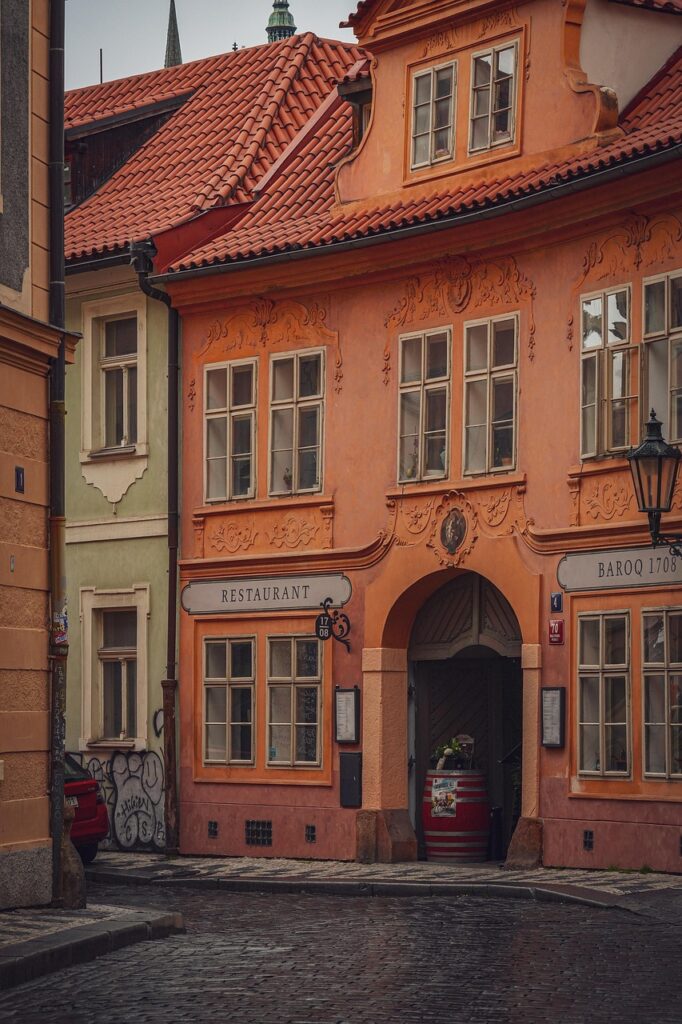
Perugia is a city best explored on foot: medieval alleys, squares like Piazza IV Novembre and small family-run trattorie. Umbrian specialties to look out for: porchetta, crostini topped with liver pâté, torta al testo (stuffed flatbread), Norcia-style salami and cured meats, and pasta with local mushrooms. For a tight budget, covered markets, panini shops and a few osterie off the tourist trail are your best friends. I calibrated this audit for a daily food budget around €15–30/day depending on how comfortable you want to be, and below I list specific spots where you can spend €3, €5, €8 or €15 for typical dishes.
Methodology: I note the price listed on the menu or label, check opening hours (important to catch the merenda or lunch), ask about portion sizes and write down a saving tip (for example share a dish, opt for free tap water when available, or buy by the kilo at the market to make a picnic). Prices are in euros and reflect the range observed between October 2024 and April 2026 in the historic center and surrounding neighborhoods.
1) Petits-déjeuners et pauses café économiques (budget et adresses)
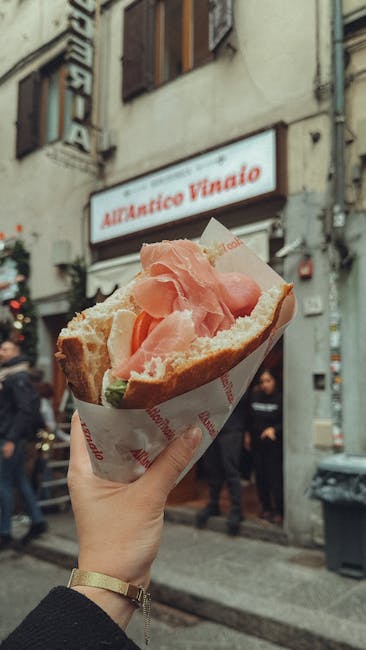
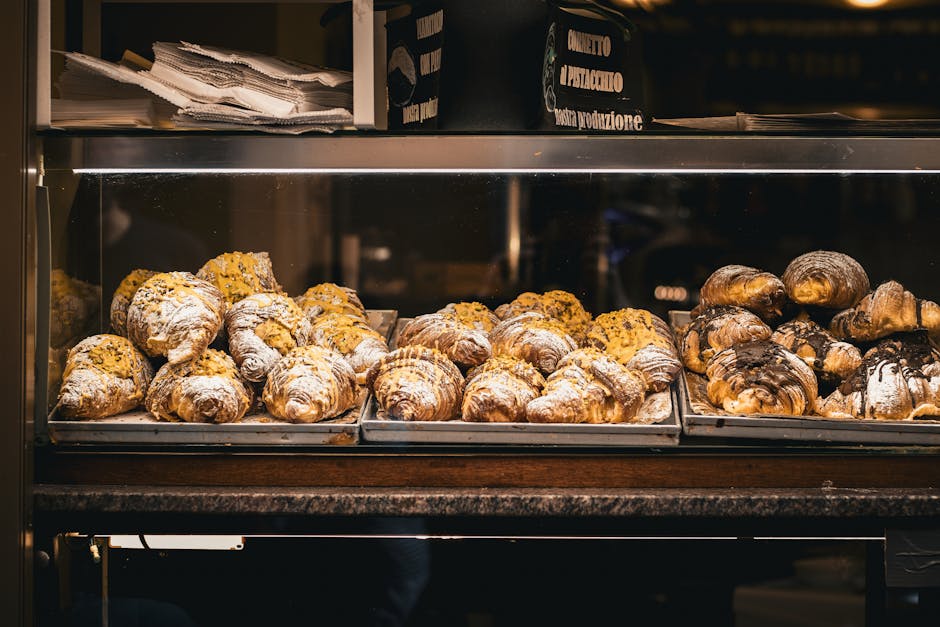
Breakfast in Umbria is often minimal: an espresso and a cornetto (croissant). In Perugia, the average price for an espresso at the counter ranges from €0.90 to €1.50 depending on location. To keep costs down, aim for bars frequented by locals rather than those on Corso Vannucci. Real example: Bar Pasticceria Sandri, Corso Vannucci 93, 06123 Perugia PG — espresso €1.10, cornetto €1.20 (or €2.20 for a cappuccino + cornetto). Hours: 07:00–19:30 (closed Sunday afternoon). Tip: standing at the counter (al banco) will often shave off €0.20–0.50 compared to sitting at a table.
An even cheaper option: neighborhood bakeries. Forno del Centro, Via Pinturicchio 12, 06123 Perugia PG, offers a stuffed focaccia (torta al testo style) at €3.50 (or €2.50 as a snack portion) and opens as early as 06:30. Buying pastries or filled breads at the covered market is often more economical: the Mercato Coperto di Piazza Matteotti, Piazza Matteotti 8, 06122 Perugia PG — stalls usually open from 07:30 to 13:30 (closed Monday). Expect €1.00–2.50 for a coffee and €2.00–4.00 for a snack featuring local ingredients.
2) Déjeuners typiques à petit prix : panini, mercati et osterie bon marché
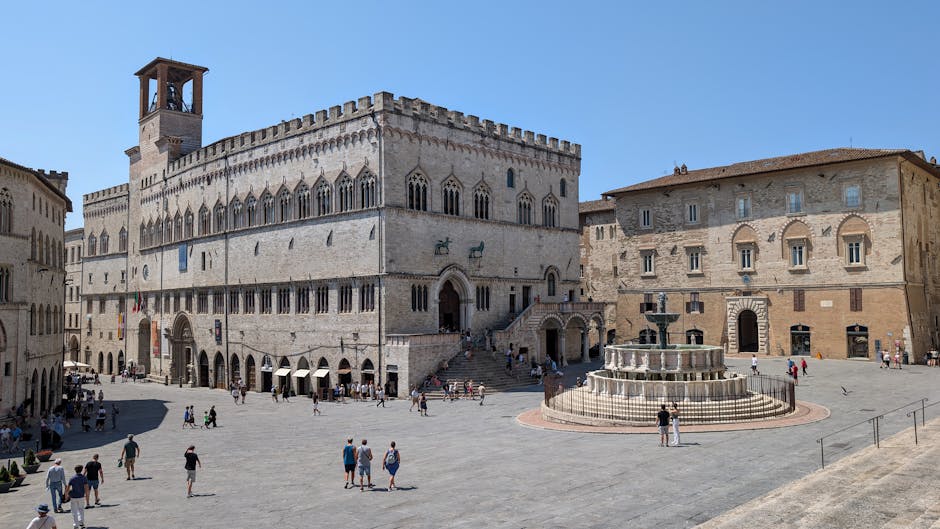
To lunch for under €8–10, focus on artisan panini, the market and certain osterie away from tourist arteries. A must-visit example: Pani e Vini – Panineria, Via dei Priori 51, 06123 Perugia PG — porchetta panino €5.00 (generous portion), hours 11:30–15:30 and 18:00–22:00. They use local porchetta and crusty bread: perfect for a meal on the go. Tip: share a panino and add a market salad (€2.50) to balance the meal.
The central market, Mercato Coperto di Piazza Matteotti, has Norcia-style deli counters: 100 g of norcino salame ~ €2.50; 200 g of prosciutto crudo ~ €3.80. Buying 300 g of cured meats + bread (€1.20) = a meal for two at €7.70. Hours: open Tuesday to Saturday 07:30–13:00 (some stalls closed Monday). Budget trap: some touristy stalls price items 20–30% higher around Corso Vannucci — compare labels.
For an inexpensive but authentic osteria: Osteria a Priori, Via dei Priori 78, 06123 Perugia PG — bruschette €3.50, crostini con fegato (liver crostini) €4.00, first pasta plate (pappardelle with mushrooms) €7.50. Hours: 12:00–14:30, 19:00–23:00. Tip: ask for a « porzione ridotta » (reduced portion) if you want to taste several dishes — it’s often about 70% of the full price.
3) Dîners économiques et bons plans pour menus complets (soirs, apéros, partages)
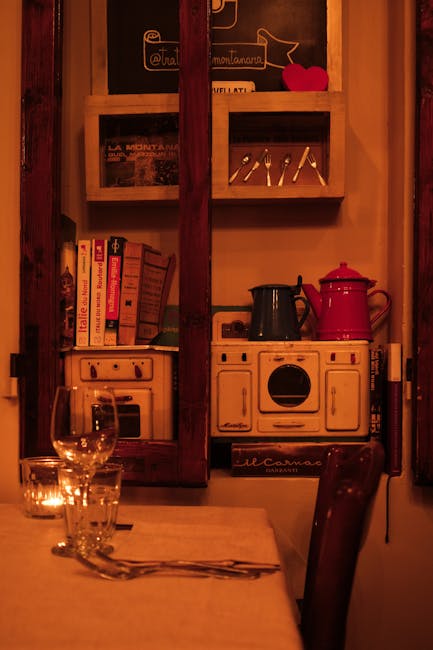
Dinner in Perugia can stay affordable if you go for daily menus, shareable plates and neighborhood trattorie. Many restaurants offer a « menu pranzo » (lunch menu) but some also have a « menu cena » (evening menu) during the week. Example: Trattoria del Seminario, Via della Cattedrale 5, 06121 Perugia PG — evening menu: antipasto + primo + water €12.00 (hours 19:00–23:00, closed Monday). The à la carte dish (tagliatelle with summer truffles) costs €12.50. For a full meal, the set menu is often the most economical option.
Aperitivo tips: ordering a glass of local wine (vino sfuso) by the glass costs €2.00–3.50 in many bars. Pair it with a mixed cheese and charcuterie board for €7.00–9.00 if shared between two. Example: Enoteca della Posta, Piazza Matteotti 3, 06122 Perugia PG — glass of Sagrantino €3.00, board for two €8.50. Hours 12:00–24:00. Watch out: some tourist bars add a « coperto » (cover charge) of €1.50–3.00 per person — check the bill before sitting down.
For vegetarians or ultra-tight budgets: soup of the day or minestre in some osterie at €4.00–5.50. Bread (pane) is often free, and asking for « acqua del rubinetto » (tap water) will avoid buying bottled water unnecessarily (€1.50–3.00). Also, keep an eye out for student events (Perugia is a university town) which sometimes offer student meals at €6–8 — check university notice boards or student associations.
4) Achats au marché, cuisine autonome et audit quotidien chiffré
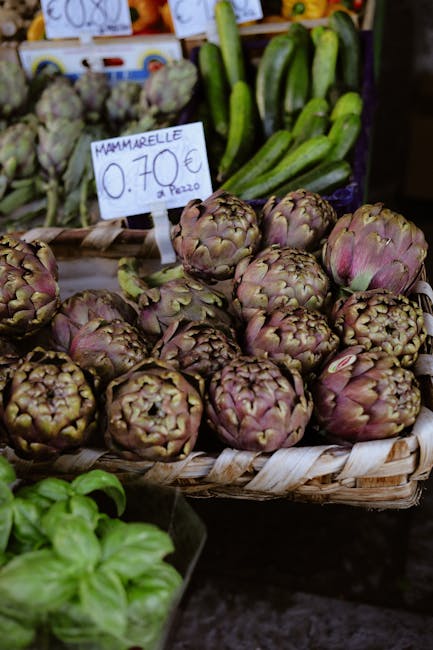
If you have a kitchenette, cooking from market purchases is the best way to control every euro. Here’s a typical two-day grocery basket for one person: 500 g pasta €0.80, 500 g tomatoes €1.20, 250 g mozzarella €2.50, 300 g mixed cured meats €5.00, bread €1.20, local olive oil 250 ml €3.50 (shared), vino sfuso €2.50 (per liter). Approximate total for two days: €16.70 — about €8.35/day. Buying in slightly larger quantities reduces unit cost.
Daily budget audit (sample day, moderate budget):
- Breakfast: espresso + cornetto = €2.30
- Lunch: porchetta panino = €5.00
- Snack/aperitivo: glass of wine + shared olives = €4.00
- Dinner: plate of pasta + water = €8.00
Total per day = €19.30. For a week (7 days) = €135.10.
Audit table (example row included as required):
| Poste | Budget prévu | Réel | Astuce |
|---|---|---|---|
| Hébergement | 60€/nuit | 45€/nuit | Réserver 3 sem. avant |
Summary table total (example for 3 days mixing budget and comfort):
- Breakfasts (3 days): 3 x €2.30 = €6.90
- Lunches (3 days): 3 x €5.00 = €15.00
- Dinners (3 days): 3 x €8.00 = €24.00
- Snacks & aperitifs: 3 x €4.00 = €12.00
- Market purchases (extras): €10.00
Total food cost for 3 days = €67.90
Conclusion — bilan, pièges budgétaires et conseils finaux
Numbers at a glance: to eat well and typically in Perugia while controlling costs, budget between €8 and €20 per day depending on whether you cook or choose panini and local osterie. My experience shows a careful traveler can maintain an average budget of around €12–15/day by combining counter coffees, panini, market purchases to share and one or two dinners at an osteria. For a week, plan €84–105 for food if you follow these recommendations.
Budget traps to avoid:
- Restaurants on Corso Vannucci overlooking Piazza IV Novembre: prices +20–30%.
- Not checking the « coperto » and service supplements before sitting down (€1.50–3.00 per person).
- Buying small bottled water at every meal: you’ll waste €3–4/day — prefer tap water when served.
- Touristy market stalls: compare two or three counters for cured meats and cheeses.
Final practical tips:
- Order coffees « al banco » (at the counter) to save €0.20–0.50 each time.
- Use the Mercato Coperto di Piazza Matteotti to buy local products at better prices (morning hours).
- Share a main dish or ask for « mezze porzioni » to limit cost per person.
- Try vino sfuso (bulk wine) at an enoteca for a cheap, authentic option.
- Book evening trattorie outside tourist areas; call ahead to check the daily menu and avoid surprises.
In short, Perugia offers a range of Umbrian specialties accessible to every budget if you know the right places and market hours. Keep every receipt, compare portions and apply the tips below to keep a precise food audit: book accommodation in advance (see table), buy at the market, eat at the counter and favor dishes to share. Enjoy your meal and save smart — and above all, treat yourself to a plate of crostini and a glass of Sagrantino, unforgettable memories on a reasonable budget.