





Introduction
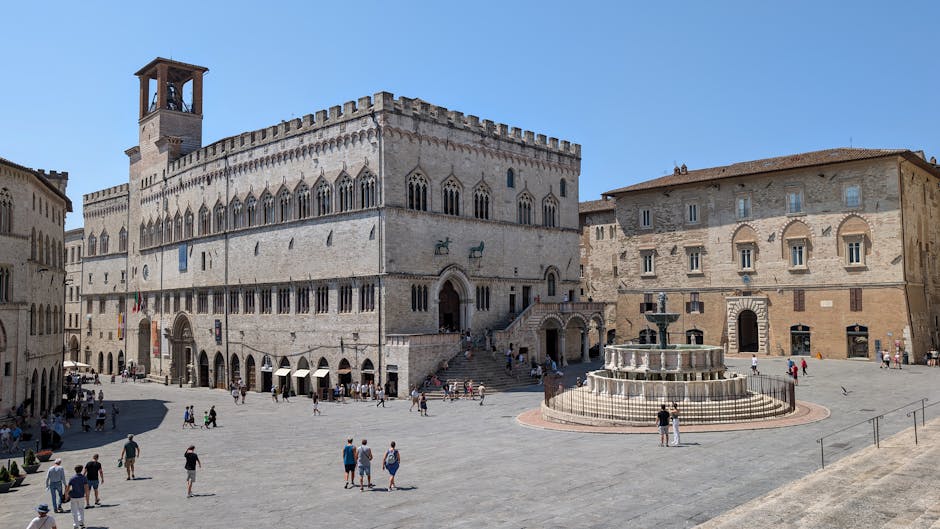
Perugia, the capital of Umbria, is a city to be savored as much as it is to be seen. Perched on a hill above the Tiber valley, it unfolds medieval lanes, intimate squares and a food scene where local produce and rural traditions take center stage. If you come to Perugia for its heritage — Piazza IV Novembre, the Fontana Maggiore, the Galleria Nazionale dell’Umbria — you’ll almost certainly come back for what Umbria does best: generous, honest dishes born from a land of hills, olive groves, truffle woods and farmyards. The city’s restaurants, osterie and markets paint a vivid picture of this cuisine: simple, hearty pasta, soups made from ancient grains, the cured meats of Norcia, and Perugia’s sweet treats like panpepato and crescionda.
In this article I’ll take you on a tasty tour of the ten Umbrian dishes you absolutely must try in Perugia. For each dish you’ll find an immersive description, practical tips (where to eat it, the address, typical price range, opening hours), and local tricks to get the most out of the experience — whether that’s choosing the best slice of porchetta, picking the right time to arrive at the covered market, or learning how to pair a truffle dish without overpowering it. The goal is twofold: give you concrete guidance for navigating the historic center, and convey the spirit behind each specialty — why Umbrians love farro, how the taste of cinghiale reflects the surrounding woods, or why a chunk of Norcia pecorino can turn an antipasto into a memory.
I’ll also include visual cues to help you appreciate the places: views of Piazza IV Novembre at sunset, colorful stalls at the Mercato Coperto di Piazza Matteotti, steaming plates of strangozzi al tartufo, and slices of crispy porchetta. Finally, expect practical advice about budgets (prices in euros), typical opening hours for the venues mentioned, and a few local recommendations to avoid tourist traps — for example, favoring a neighborhood osteria for truly artisanal porchetta rather than a touristy shop next to the monuments.
Bring your appetite: Perugia is a small city, but its love for Umbrian cuisine is huge. The route below follows both a geographic and sensory logic, mapping your wanderings through the historic center from Corso Vannucci to the lanes around the Università per Stranieri, with stops at the market, the bakery and the local osteria. Each dish corresponds to an experience — simple, authentic, and deeply rooted in Umbrian culture.
1. Strangozzi al tartufo — medieval pasta with truffle aroma
Strangozzo (plural strangozzi) is a long, thick hand-cut pasta native to Umbria. In Perugia the most famous version is the “al tartufo”: strangozzi tossed in butter or olive oil and generously topped with local black truffle (Tuber melanosporum). The combo is rustic and luxurious at once: the dense bite of the pasta highlights the truffle’s earthy, lingering aromas.
Where to eat: Osteria a Priori, Via dei Priori 12, 06123 Perugia PG. Hours: Tue–Sun 12:00–15:00 and 19:00–23:00 (closed Monday). Price: plate of strangozzi al tartufo around €14–20. Local tip: ask for freshly shaved truffle on request (extra ~€5–8) instead of truffle oil — the difference is noticeable.
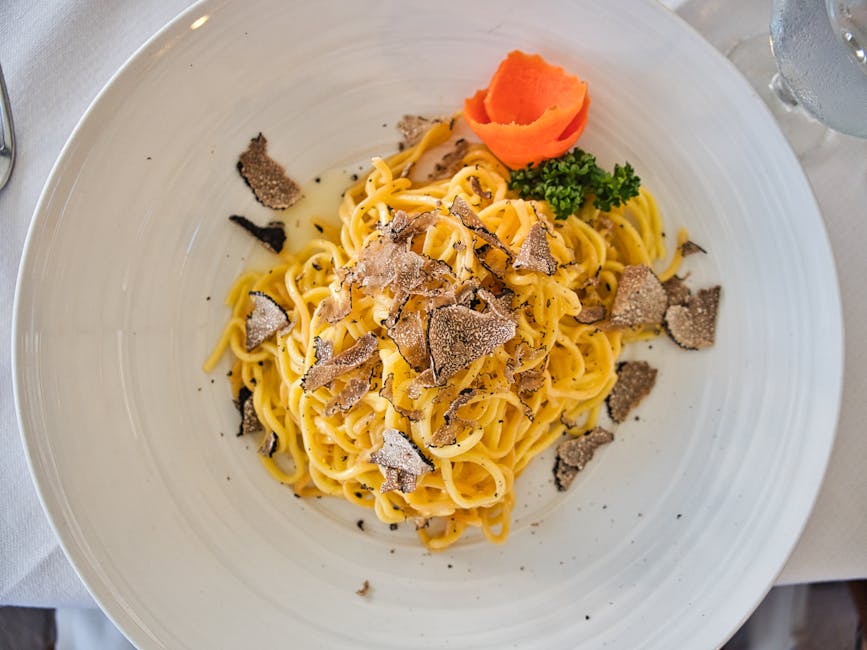
Practical tips: go early in the evening, as small osterie where pasta is hand-cut often fill up. Pair the dish with a small glass of Sagrantino di Montefalco to balance the richness of the butter and bring out the truffle’s mineral notes. If you visit in autumn you’ll also find truffle markets a few dozen kilometers away, a great chance to taste the region’s freshness.
2. Torta al testo — the Umbrian flatbread for street food and picnics
Torta al testo is a thick, flat cake cooked on a cast-iron or stone griddle called a testo. It serves as bread, sandwich and base for many fillings: salsiccia (sausage), prosciutto, pecorino, or simply olive oil and rosemary. In Perugia you’ll find it at kiosks, traditional bakeries and family trattorie.
Where to eat: Forno a Legna Panificio Bontempi, Via del Verzaro 21, 06123 Perugia PG. Hours: Mon–Sat 07:00–19:00, Sun 08:00–13:00. Price: torta al testo with filling €4–7. Local tip: ask for it hot, just off the testo, and fold it to eat while strolling along Corso Vannucci.
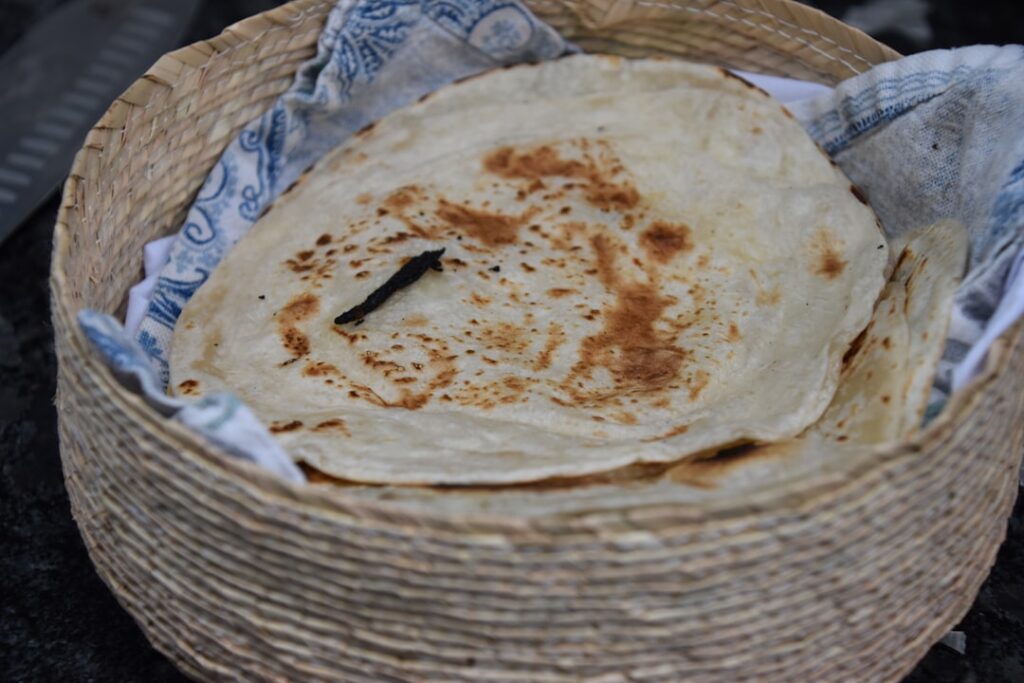
The best way to enjoy torta al testo is simple: pick a local filling — roasted porchetta, paccasassi (fresh cheese), or a seasonal sautéed mushroom — and sit on a bench to watch the city go by. Umbrians love to share it; grab one to split with a glass of local white like Grechetto.
3. Porchetta di Ariccia (or Umbrian porchetta) — the king of sandwiches
Porchetta is a boned piglet seasoned with rosemary, garlic and fennel, then roasted until the skin is crackling and the meat melts in your mouth. Although famous across Italy, the Umbrian/central-Italy style often highlights more herbs and fewer heavy condiments, showcasing the quality of the pork. In Perugia, porchetta is served sliced or in a sandwich, commonly sold by the slice at markets.
Where to eat: Antica Macelleria Faletti, Via Baglioni 3, 06121 Perugia PG (near Piazza IV Novembre). Hours: Tue–Sat 08:30–13:30 and 16:30–19:30, Sun 09:00–13:30 (closed Monday). Price: slice €3–6; porchetta sandwich €6–9. Tip: ask for a warm slice with a nice crisp crust; dip it lightly in some Umbrian extra-virgin olive oil.
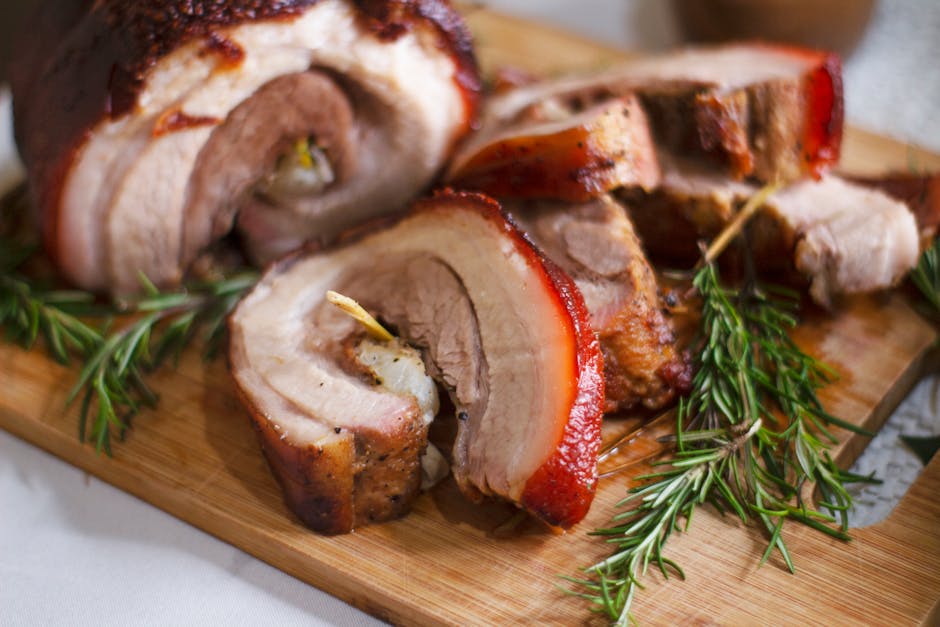
Practical tips: porchetta is especially popular during festivals and markets; if you follow the smoking spits early in the morning around the squares you’ll find the best cuts. Avoid overly fatty versions — a good producer will trim the excess before putting it in the bread. Pair it with a local rosé or a craft beer for a refreshing contrast.
4. Zuppa di farro — spelt soup, a peasant memory
Farro (spelt) is an ancient grain omnipresent in Umbria. Zuppa di farro is a rustic soup where farro is simmered with seasonal vegetables, legumes and sometimes a touch of guanciale or olive oil. It’s a nourishing, balanced dish — perfect for cool days when the Tiber valley air bites.
Where to eat: Trattoria del Campanile, Piazza della Canonica 5, 06123 Perugia PG. Hours: Mon–Sat 12:00–14:30 and 19:00–22:30 (closed Sunday evening). Price: bowl of zuppa di farro €6–10. Local tip: ask for the “con legumi” version (with legumes like beans) for a heartier soup. It’s often served with a drizzle of raw local olive oil.
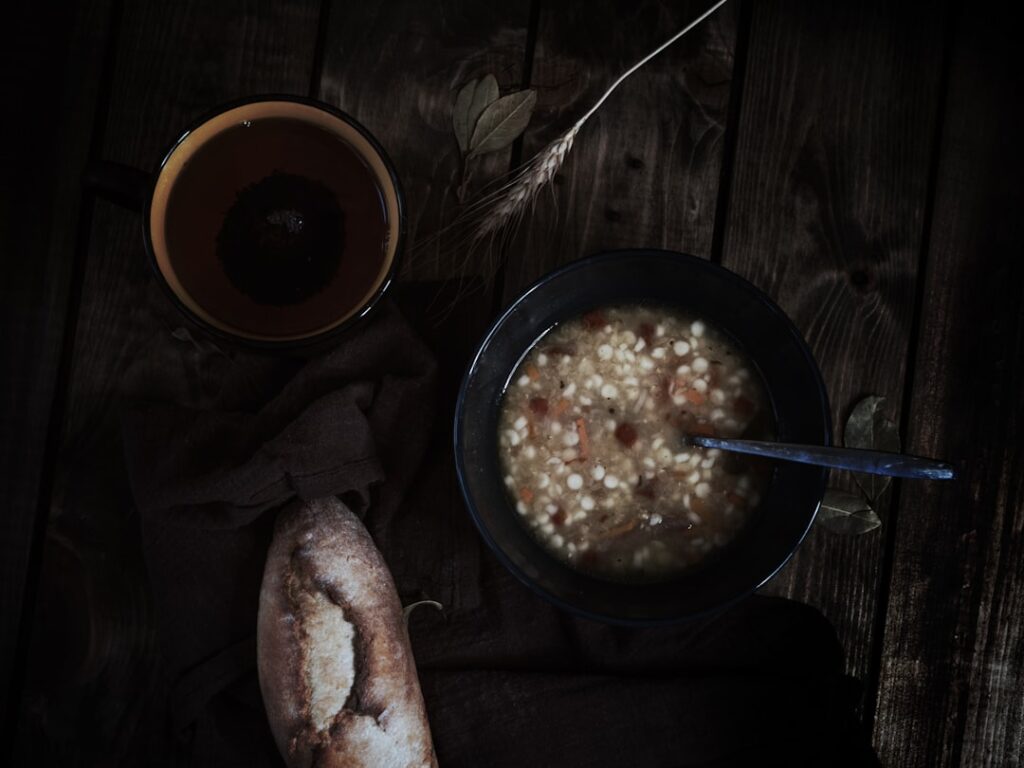
Practical tips: farro soup is a great choice for vegetarians — it provides plant protein and fiber. In winter it makes a complete meal; in summer look for a lighter or chilled version. Seek out restaurants that use farro from the Castelluccio plain for an authentic experience.
5. Cinghiale in umido — slow-braised wild boar from Umbrian woods
Umbria’s dense forests feed generous game, and cinghiale (wild boar) is an institution. In stew (in umido), the meat is marinated and slowly braised in red wine, tomatoes, herbs and sometimes a touch of cocoa or dark chocolate to soften the acidity. The result is tender meat with a wild yet balanced flavor.
Where to eat: Enoteca La Cantina, Via Pinturicchio 14, 06121 Perugia PG. Hours: Mon–Sun 12:00–15:00 and 19:00–23:00. Price: portion €12–18. Tip: serve with rustic bread to mop up the sauce and a Montefalco Sagrantino — its tannic structure stands up well to game flavors.
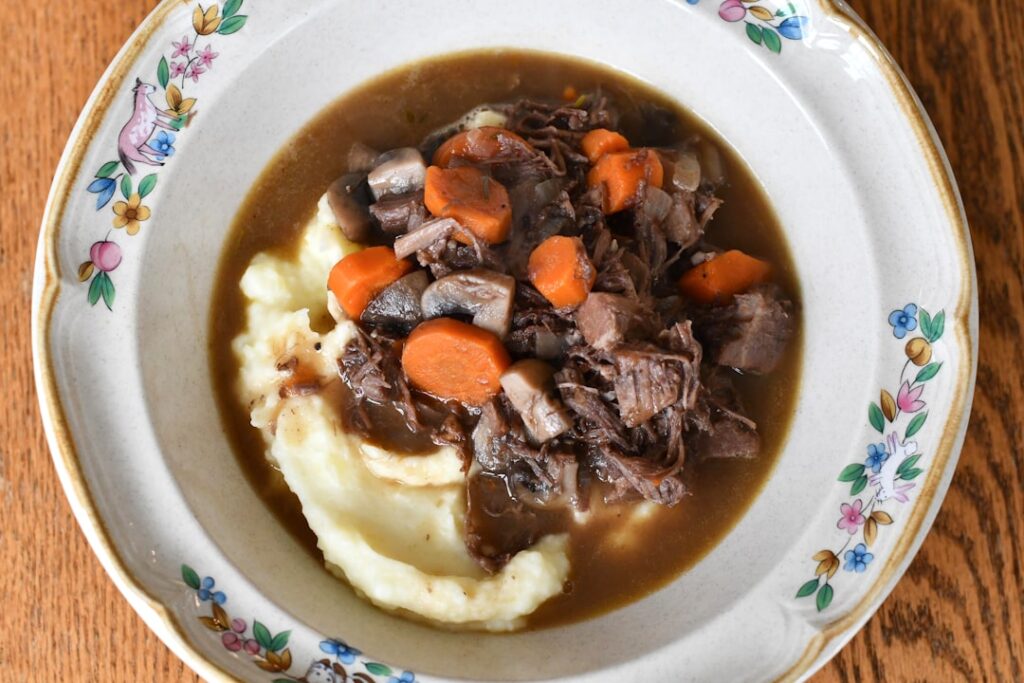
Practical tips: cinghiale has a pronounced taste; prefer it at places that specialize in hunting cuisine. Hunting seasons affect availability — autumn and winter are the best times to enjoy it. If you’re wary of an overly “gamey” taste, choose a slow-cooked version with sweet wine and local herbs.
6. Norcia salumi and pecorino — exceptional cured meats and cheeses
Norcia, a short drive from Perugia, is the kingdom of cured meats and cheeses. Across Perugia you’ll find many delicatessens and market stalls offering salami, prosciutto, ventricina and pecorino from Norcia. A plate of Umbrian salumi makes a perfect antipasto to start a meal.
Where to buy: Mercato Coperto di Piazza Matteotti, Piazza Matteotti, 06121 Perugia PG. Hours: Mon–Sat 08:00–13:00 and 16:00–19:00 (hours vary by stall). Price: slice of salumi €3–8; piece of pecorino €5–12 depending on aging. Tip: look for producers labeled “Norcia” and ask for a freshly sliced portion; young cheese is creamy, older cheese firmer and sharper.
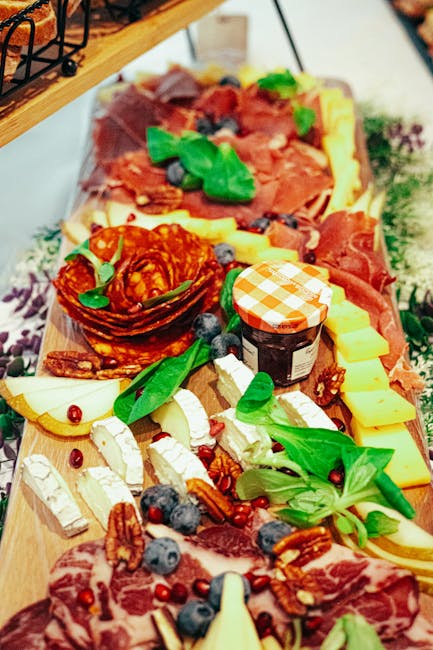
Practical tips: if you’re planning a picnic, ask the artisan to vacuum-pack a selection for the day. Local producers are great at suggesting pairings — millefiori honey for aged pecorino, or a rosso di Montefalco for fattier cured meats.
7. Umbricelli — long rustic pasta with sugo
Umbricelli are homemade pasta, slightly wider than spaghetti but thinner than Tuscan pici. They pair well with simple sauces: tomato sugo, mushroom ragù or meat-based sauces. In Perugia, the trattorie emphasize fresh ingredients and the craft of hand-rolled pasta.
Where to eat: Trattoria degli Umbri, Via dei Priori 34, 06123 Perugia PG. Hours: Tue–Sun 12:30–14:30 and 19:00–22:30. Price: umbricelli with sugo €9–14. Local tip: ask for “al sugo della casa,” often a family recipe made that day with tomatoes, basil and a drizzle of olive oil.
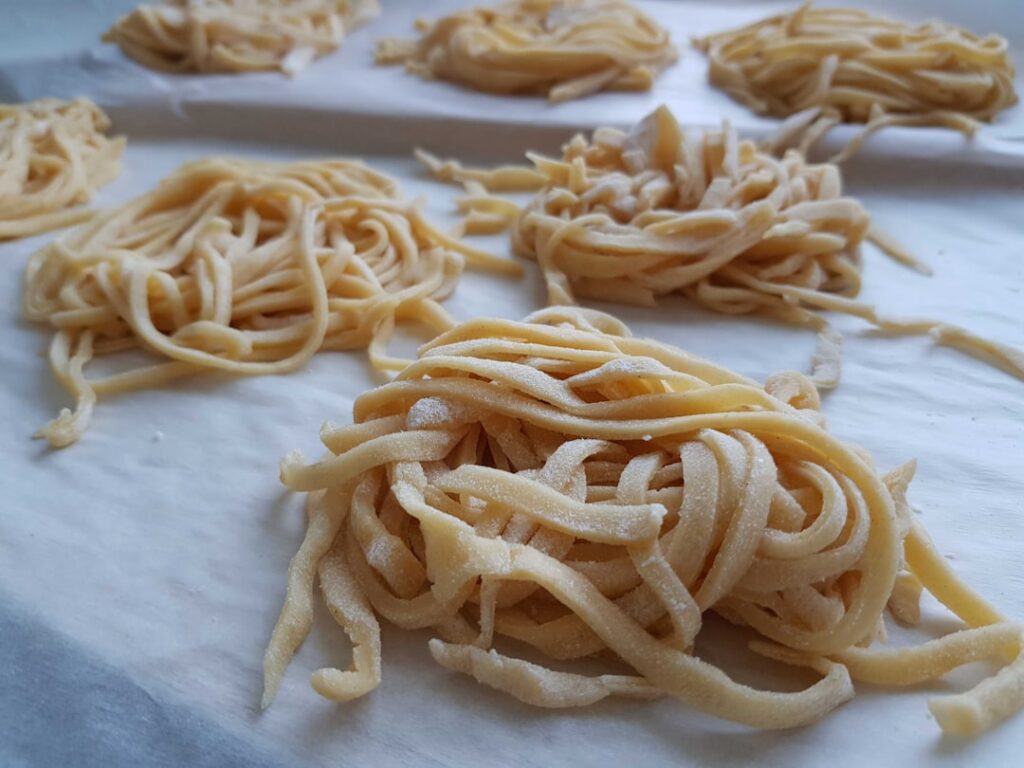
Practical tips: these pastas need little accompaniment — let the quality of the ingredients shine. If you see “umbricelli all’olio” on a chalkboard, expect a simple dish that often reveals the excellence of the local olive oil.
8. Panpepato and Perugina chocolate — Perugia’s historic sweets
Perugia has a unique sweet tradition: panpepato (a spiced chocolate-and-dried-fruit cake) and the famous Baci Perugina chocolates. These specialties make perfect souvenirs or a sweet end to a meal. Panpepato, rich and aromatic, is eaten in thin slices; Perugina chocolates — often bought at the historic shop — are an essential local treat.
Where to buy: La Perugina Chocolate Shop, Corso Vannucci 21, 06123 Perugia PG (near Piazza IV Novembre). Hours: daily 09:30–20:00. Price: slice of panpepato €2–5; box of Baci €6–15. Tip: taste panpepato from an artisanal bakery for a fresher texture than the industrial versions.
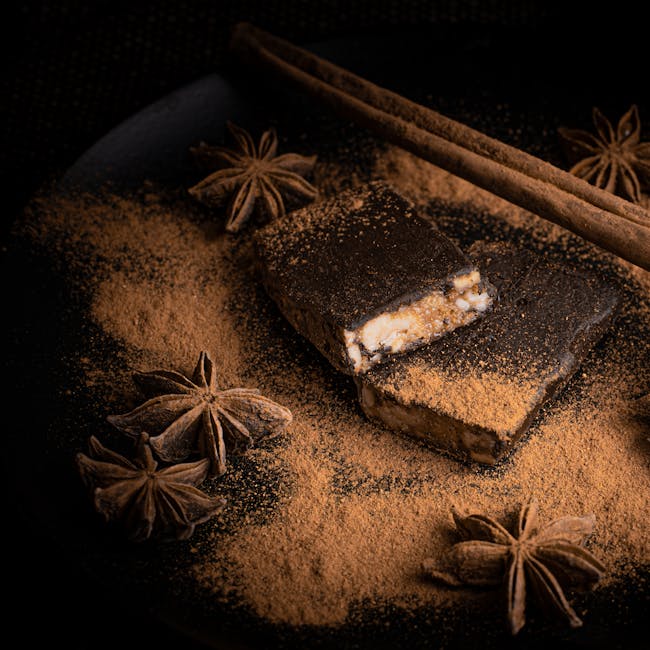
Practical tips: if you plan to bring chocolates home, buy them vacuum-packed for travel. For a local pairing, enjoy a piece of panpepato with a sweet regional wine or a ristretto coffee after a meal.
9. Gnocchi di patate alla Sorrentina (Umbrian version) — rustic comfort food
Gnocchi, though originating in northern/central Italy, are embraced in Umbria in a simple, comforting style: potato gnocchi served with homemade tomato sauce, basil and a generous helping of pecorino or local buffalo mozzarella. It’s a convivial dish often offered in family trattorie.
Where to eat: Trattoria del Duca, Via delle Cluse 7, 06123 Perugia PG. Hours: Mon–Sat 12:00–15:00 and 19:00–22:30. Price: gnocchi €8–12. Tip: ask for “fatti in casa” (homemade) and finish with a drizzle of raw olive oil to awaken the aromas.
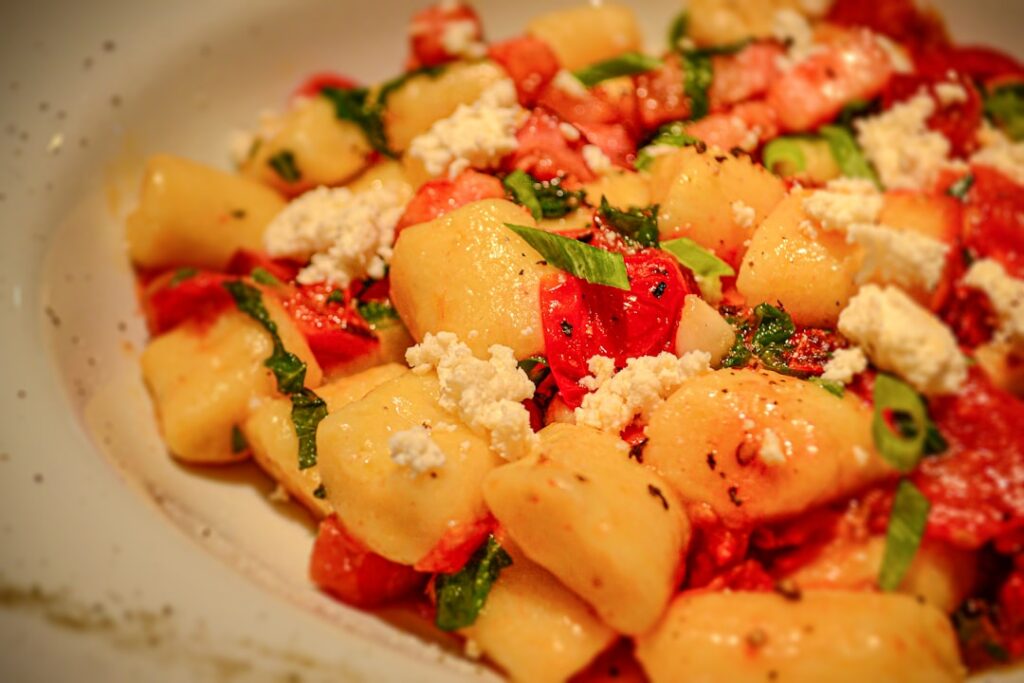
Practical tips: this dish is popular with local families — reserve a table if you’re in a group. Combine it with grilled vegetables or a salad to lighten the meal.
10. Crescionda — Perugia’s signature dessert
Crescionda is a traditional Perugian dessert from the historic quarter, made of layers of chocolate, almonds, eggs and sometimes a hint of liqueur. It’s a dense tart with a precise, moist texture — a perfect local finale. Pastry shops in the city often offer this specialty year-round, and some houses reinterpret it with modern twists.
Where to taste: Pasticceria Sandri, Piazza Matteotti 12, 06123 Perugia PG. Hours: Tue–Sun 08:00–20:00 (closed Monday). Price: slice €3–6. Tip: pair crescionda with a local sweet wine or a strong coffee; the chocolate’s richness goes wonderfully with a passito.
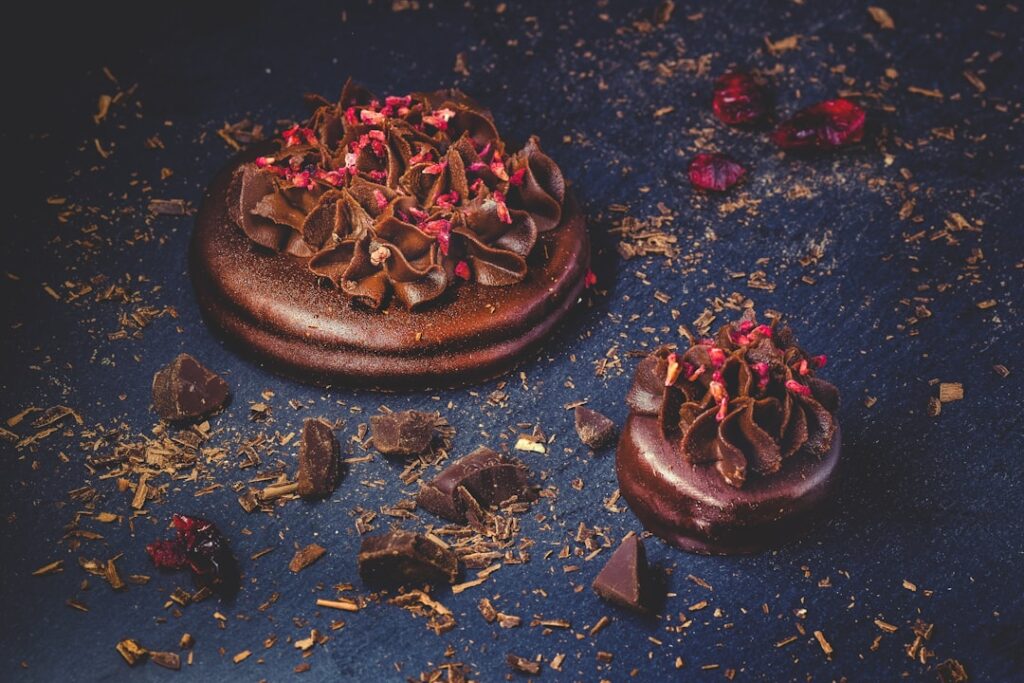
Practical tips: crescionda keeps for several days but is best fresh. When visiting artisan confectioners, ask for the traditional recipe rather than a “light” version that may lack character.
Conclusion
Tasting Perugia is stepping into the history and terroir of Umbria: each dish tells a season, a craft and the close relationship between countryside and table. From rustic pastas like strangozzi and umbricelli to farro soups, Norcia’s cured meats, crispy porchetta and slow-braised cinghiale, Umbrian cuisine stands out for the sincerity of its flavors and the quality of its local products. Markets like the Mercato Coperto di Piazza Matteotti are sensory microcosms where you can see, touch and often taste before buying — a practice I strongly recommend when choosing the best cheeses and salumi.
To make the most of Perugia’s food scene, follow a few simple rules: favor small osterie and family-run trattorie over overly touristy spots, ask for products that are “fatti in casa” (homemade), and don’t be shy about asking where ingredients come from — Umbrians love talking about their oil, cheese and truffles. Budget-wise, a typical meal in a central trattoria costs between €12 and €25 per person for a main course, a glass of wine and a dessert; for premium experiences around truffles or a game-focused dinner, expect €30–60 per person.
Finally, keep seasonality in mind: autumn is the best time for truffles and game, winter for farro soups and comfort dishes, and spring and summer for herb-forward plates, asparagus and fresh vegetables. Whether you’re a demanding foodie or an inquisitive traveler, Perugia offers a culinary itinerary that’s simple yet deeply rooted in Umbrian identity — a taste experience that matches a city which, despite its small size, keeps the appetite and generosity of a truly gourmand region.