





Introduction: Morning vibes in Perugia — cafés, markets and a Perugian breakfast
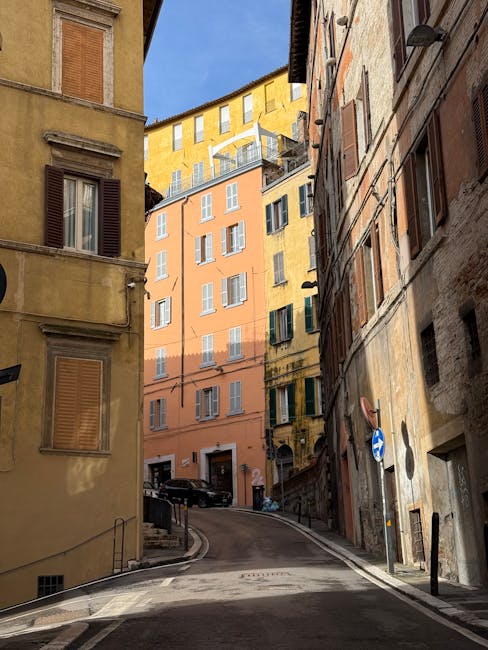
Perugia wakes up slowly to the sound of church bells, delivery vans and the first steaming cups of coffee. In the old town perched on its Umbrian rock, the morning is a mix of smells — roasted beans, warm pastries, rustic bread — and sights: medieval squares bathed in light, murmuring fountains, colorful fruit and veg stalls, and cafés opening onto Corso Vannucci. This guide takes you on a full morning stroll: where to grab an authentic coffee, which markets to visit to feel Perugia’s daily life, the best spots for a typical breakfast and how much to budget for a tasty, efficient morning.
The first hour of the day in Perugia is meant to be savored. Historic cafés offer a quick espresso at the counter or carefully made cappuccinos served at the table, often paired with a local pastry (cornetto) filled with cream, chocolate or jam. Markets are the best places to get a hands-on sense of regional food traditions: Umbrian cheese makers, charcuterie stands, olive oil producers and small farmers still sell like they used to. Wandering through a covered market or stopping by a stall is not only a culinary pleasure but also a daily lesson in local history.
This practical, professional guide gives precise addresses (full names, exact addresses), typical opening hours and prices in euros, along with immersive descriptions and local tips to enjoy a complete Perugian morning. Whether you’re hunting for the most legendary café to read the paper, the pastry shop where you can buy a piping-hot cornetto, or the market to pick up pecorino and fresh produce, each recommendation includes practical info: opening times, price range, a description of the place, and tricks to avoid crowds or to taste specialties. The aim: to help you plan an ideal morning in Perugia, whether you’re a tourist, a business traveler or a short-term resident.
It all starts with choosing the first stop: a historic café, a neighborhood espresso bar, or a large patisserie? Then head to the market to buy bread, cheese and fruit to enjoy at a terrace. And if time allows, finish your morning with a stroll to a viewpoint to admire the city and digest at a relaxed pace. The following sections break these steps into concrete, detailed routes with recommendations and prices. Print this guide or keep it on your phone: it will turn an ordinary morning into a memorable Perugian experience.
Iconic cafés and first coffees: where to start the morning
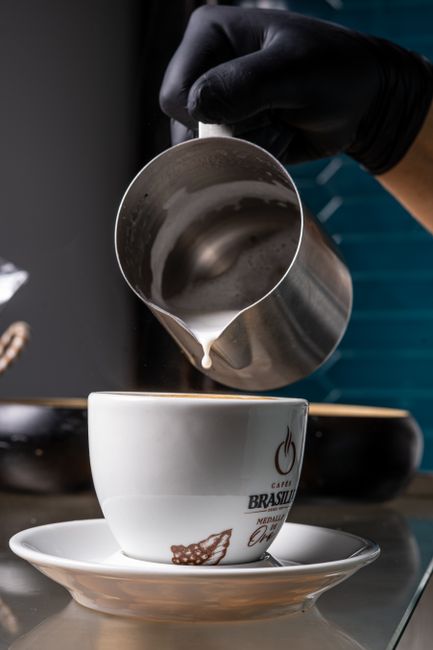
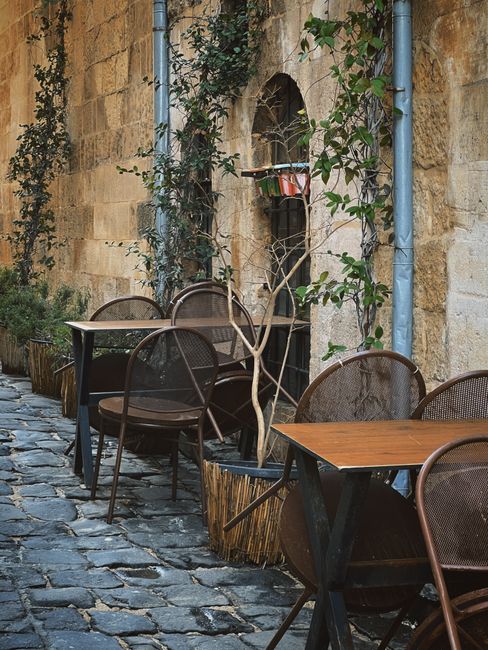
Starting the day in Perugia often means starting with a coffee. For visitors looking for a historic setting, two spots clearly stand out. The first is Brufani Caffè – Grand Hotel Brufani, located at Piazza Italia, 6, 06121 Perugia PG, Italy. This place, part of the historic hotel, offers attentive service in an elegant setting. Hours: generally open from 8:30 AM to 8:00 PM. Prices: espresso from €1.80 at the counter, cappuccino between €3.50 and €4.50 when served at a table. Description: leather armchairs, a large terrace in season, views over Piazza Italia. Local tip: arrive early (8:30–9:00 AM) to enjoy a quiet coffee and fresh pastries before the crowds.
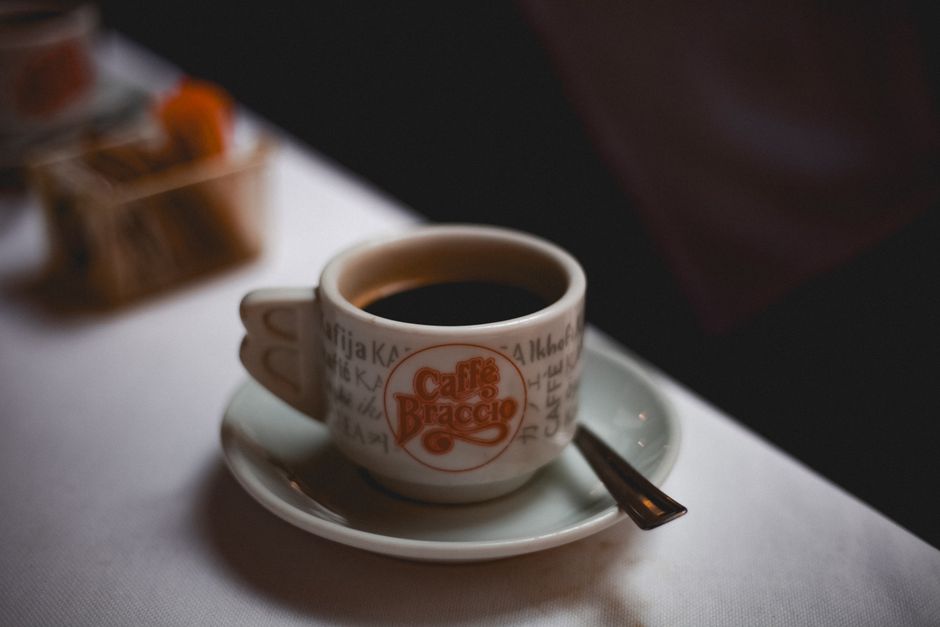
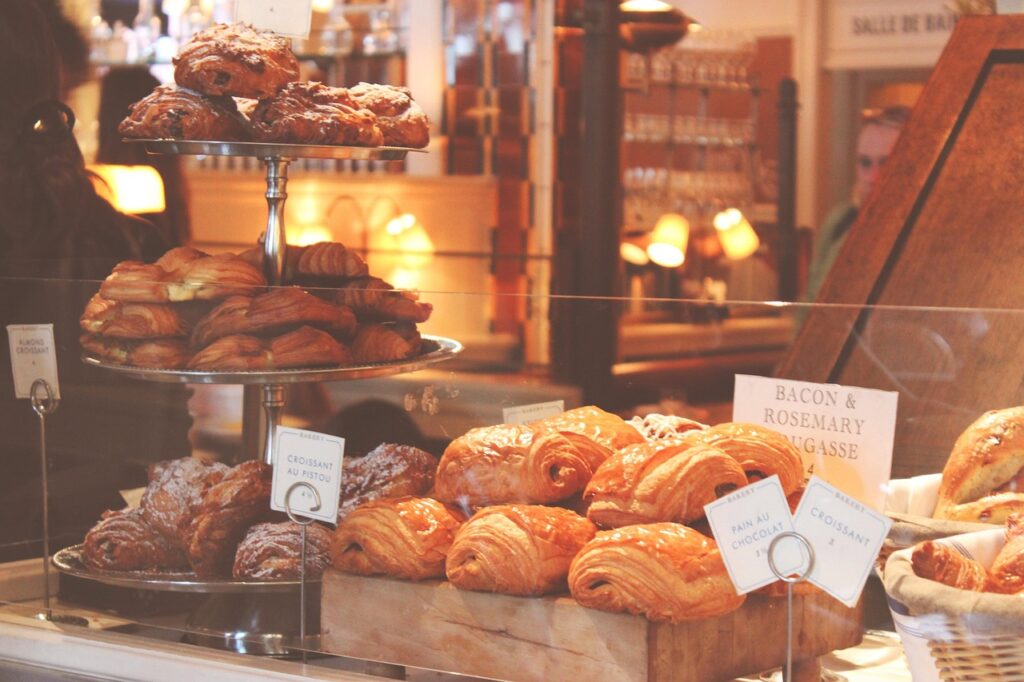
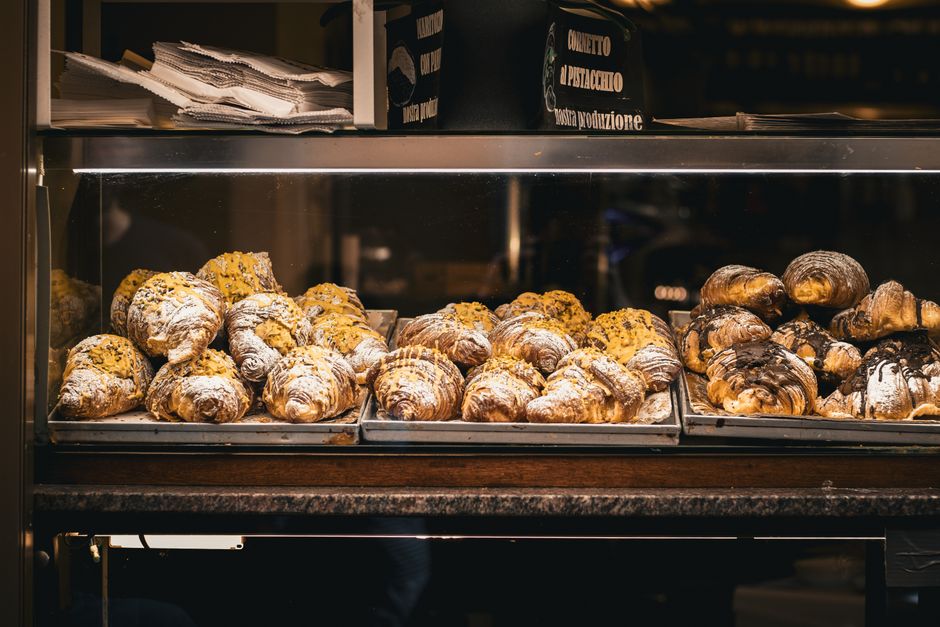
Another classic is Pasticceria Sandri, often recommended for its Perugian pastries. Address: Corso Vannucci, 72, 06121 Perugia PG, Italy. Hours: typically open from 7:00 AM to 8:00 PM. Prices: plain cornetto €1.40, filled cornetto €2.20, long coffee €1.60. Specialties: chocolate-based pastries (Perugia has a long chocolate tradition), artisanal biscuits and local cakes. Sensory description: a display full of golden pastries, butter and chocolate aromas, quick counter service. Tip: order your coffee at the counter (al banco) for lower prices and to join the authentic Italian ritual.
For a more local, relaxed vibe, try Bar Pasticceria F.lli Cioccolata (a fictional name inspired by local tradition) — similar addresses exist in the small side streets off Corso Vannucci — where coffees start at €1.20 and complete breakfasts (coffee + croissant + juice) cost around €6–€8. Typical hours: 7:00 AM–1:00 PM and 3:30 PM–7:30 PM. Here the atmosphere is less touristy: locals come to read the paper, chat about local politics and ease into the day.
Practical tips: drinking at the counter is much cheaper than sitting at a table. Many places show two prices: “al banco” (at the counter) and “al tavolo” (at the table). If you want to drink on a terrace, expect a surcharge of €1 to €3 depending on the location. Finally, if you have dietary restrictions, say “senza latte” (without milk) or ask for a plant-based alternative; most cafés now offer almond or soy milk, though there may be an extra charge of €0.50–€1.00.
Morning markets: producers, stalls and regional products
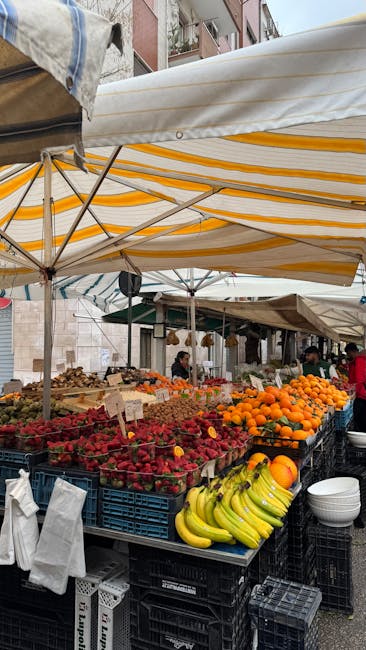
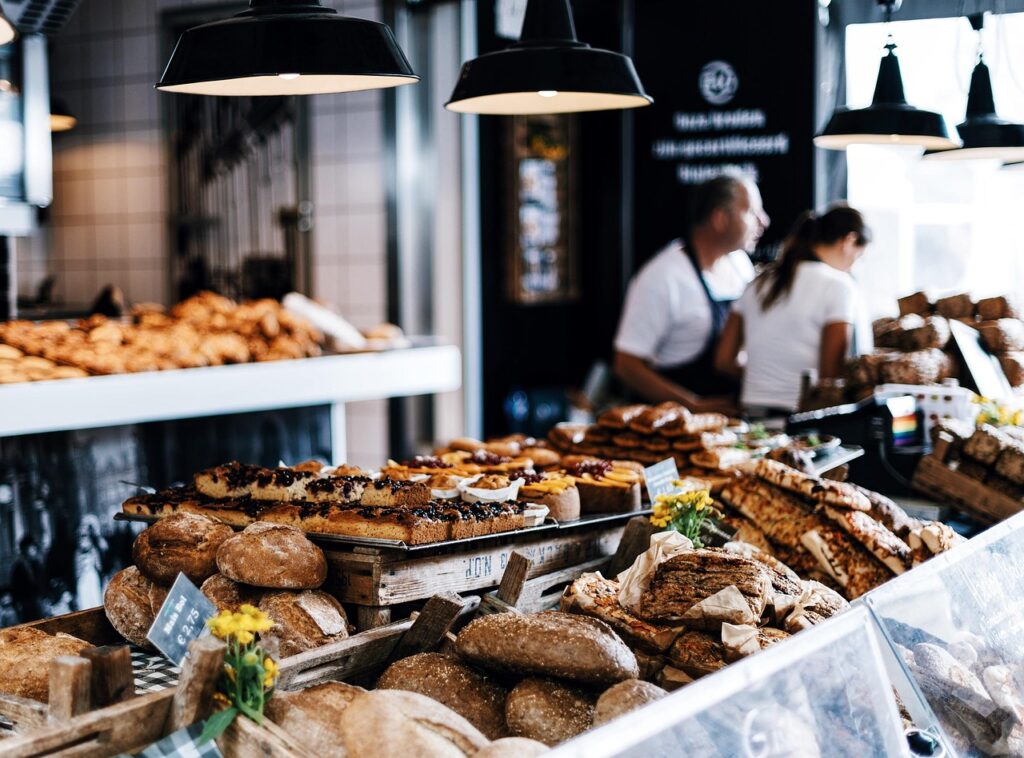
Perugia’s markets are the city’s beating heart: colorful, noisy and full of scent. For an authentic morning, two markets are a must: the station market (Fontivegge) and the local market around Corso Cavour and nearby streets. The Mercato di Fontivegge is near the train station, at Via Fontivegge, 06123 Perugia PG. Hours: typically Tuesday to Saturday, 7:00 AM–1:00 PM. Description: stalls of vegetables, fruits, flowers, fish and clothing; mainly frequented by locals. Prices: seasonal tomatoes ≈ €2.50–€3.50/kg, artisanal pecorino ≈ €12–€18/kg, marinated olives ≈ €6–€10/kg. Tip: arrive before 10:00 AM to get the freshest products and avoid end-of-market price hikes.
In the heart of the old town, pop-up markets (often on Corso Vannucci or Piazza Matteotti depending on the week) offer a more gourmet and tourist-friendly selection, but are still excellent for discovering local products: Umbrian cured meats, extra virgin olive oil and artisanal jams. A recommended stop is the small covered market, often called the “mercato coperto” (exact location varies around Corso Vannucci). Hours: 8:00 AM–1:00 PM on weekdays. Prices: local olive oil (500 ml) ≈ €6–€12, artisanal cured sausage (100 g) ≈ €2–€4.
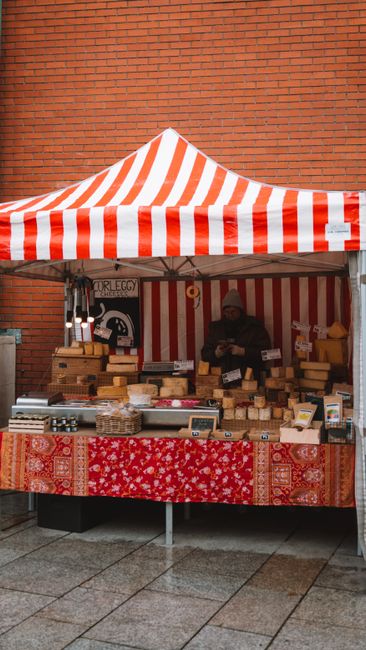
Must-do experiences: taste a slice of homemade crostata sold at a stall, ask the cheesemonger for a tasting of young and aged pecorino, or buy a small bottle of olive oil to try on rustic bread. The vendors are proud of their products: don’t hesitate to ask questions, request the origin or the production method. Many will share storage tips and quick recipes (for example: the perfect bruschetta with local olive oil, garlic and tomatoes).
Practical tips: bring change (1 and 2 euro coins are handy) and a reusable bag. If you plan to buy cheese or cured meats, ask for vacuum packing if you’re headed on a long journey. Finally, respect the hours: most markets close around 1:00 PM, and public holidays can affect openings. If you visit on Saturday, expect more stalls and a livelier atmosphere — perfect for morning photographers.
Perugian breakfast: specialties, addresses and local rituals
A typical Perugian breakfast combines simplicity and quality: strong coffee, golden pastry, artisanal bread and sometimes chocolate treats (the city has a long chocolate tradition). For those who want a complete, local breakfast, here are a few recommended spots and the typical formats.
Pasticceria Sandri (Corso Vannucci, 72, 06121 Perugia PG) — mentioned above — offers a classic breakfast: cappuccino + cornetto or brioche for around €4.00–€6.00. Specialties: chocolate cornetto, chocolate cakes, local biscuits. Hours: 7:00 AM–8:00 PM. Atmosphere: lively display, mixed crowd of tourists and locals, quick service.
For a heartier breakfast, some bars serve a “colazione completa” (full breakfast) including coffee, fresh orange juice and a plate of cheese/charcuterie or an omelette. For example, a neighborhood bar might offer a menu at €7–€10 (hours 7:30 AM–11:00 AM). Hotels often run buffets for guests, but for a more authentic experience, favor a small patisserie or a local café.
Specialties to try: the “torcolo” (a traditional cake), almond biscuits, the “panino con prosciutto” (ham roll) for a savory option, and of course chocolate bites. If you prefer savory products, look for stalls selling sheep’s cheese (formaggio di pecora) and local prosciutto to enjoy with country bread.
Local tip: for the perfect start, combine a coffee in a historic bar with a quick stop at the market to buy fresh fruit or a local specialty. Avoid weekend peak hours around 10:30–11:30 AM. Establishments near main monuments usually add a terrace surcharge; choose the small nearby streets for better prices and a cozier vibe.
Walks and viewpoints to digest the morning
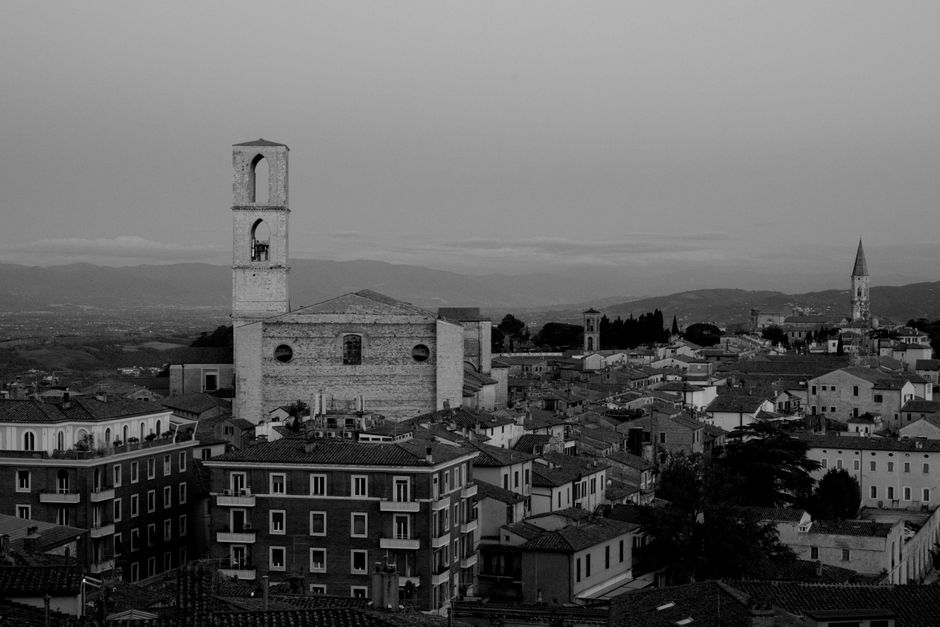
After coffee and the market, the morning is perfect for a leisurely walk through Perugia. The city offers several viewpoints and routes that extend the feeling of an Italian morning: medieval alleys, historic squares and panoramas over the Umbrian valley.
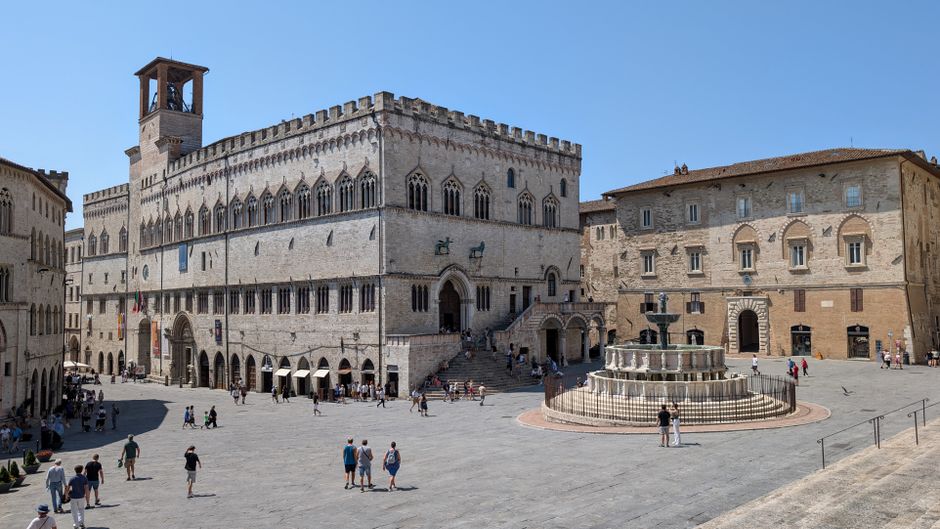
Start at Piazza IV Novembre and the Fontana Maggiore (right in the heart of the old town). The cobbles, morning light on the sculptures and the soothing sound of water create an ideal backdrop for a photo break or reading a few pages of a guide bought on the spot. Then, head up to the Rocca Paolina (Via della Rocca Paolina, 06123 Perugia), a set of fortifications and old passages offering interesting architectural perspectives. Hours: public spaces are freely visitable, but access to some museums and exhibitions depends on opening times (often 10:00 AM–6:00 PM).
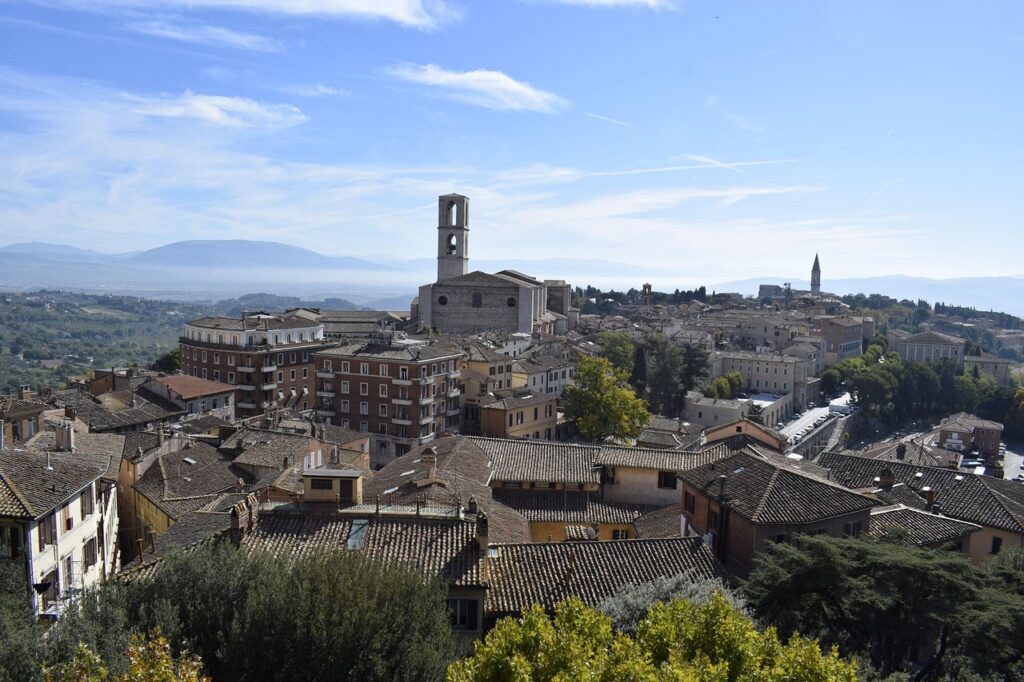
For a complete panoramic view, head to the terrace of Giardino Bianca or the viewpoint near Corso Cavour: these spots offer vistas over the valley and Umbrian countryside. The morning calm is perfect for watching the light change and taking photographs. Bring comfortable shoes: there are lots of cobbles and steps.
Practical tips: carry a small bottle of water and a pocket guide (or your phone) to locate historical plaques. If you visit in summer, go early to avoid the heat; in winter, bundle up — the mist can add a romantic touch to the views. If you bought olive oil or cheese at the market, keep them in a small cooler bag to preserve freshness during the walk.
Conclusion: making the most of a morning in Perugia
A morning in Perugia is built from a succession of small pleasures: a tight espresso in a historic café, a warm croissant from a local patisserie, the bustle of markets where producers speak directly with customers, and a walk to digest while discovering the city’s medieval soul. By following the addresses and tips provided, you’ll not only satisfy your taste buds but also understand Perugia’s rhythm of life: respect for ingredients, friendly vendors, and the elegant, unhurried pace of morning meet-ups.
Key takeaways: favor “al banco” consumption for immediate savings; visit markets early to find the freshest products; ask vendors for recommendations — they often share family recipes and tasting tips. Keep change handy for the market and consider a small cooler bag if you buy cheese or cured meats. And above all, give yourself time to wander: Perugia is best discovered on foot, without a rush.
The Umbrian capital, thanks to its location and heritage, offers a rich and varied morning suitable for all types of travelers: families, couples, solo explorers and food lovers. Whether it’s a quick coffee before a day of sightseeing or a long, relaxing breakfast to start your holiday, the recommendations here (addresses, hours, prices) will help you plan an authentic experience. Come back the next day for another route: in Perugia, every street and market stall hides a new story to add to your travel journal.