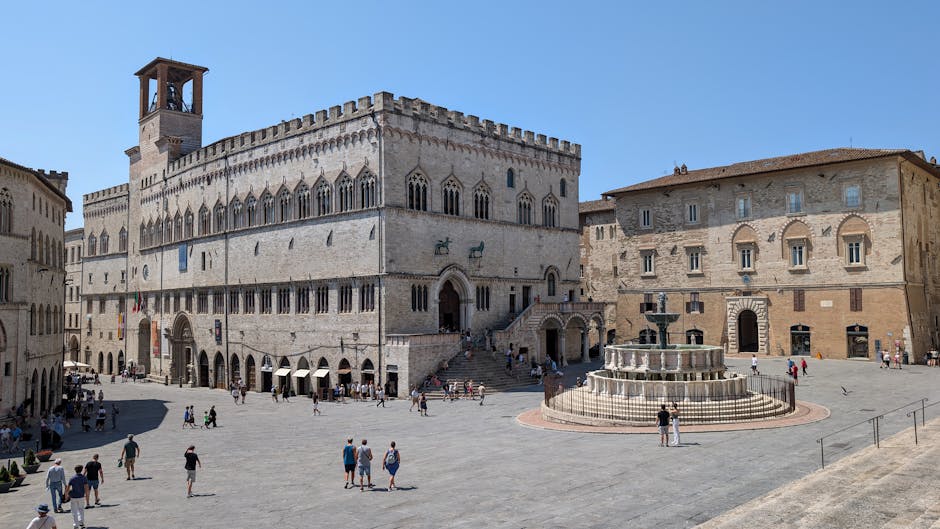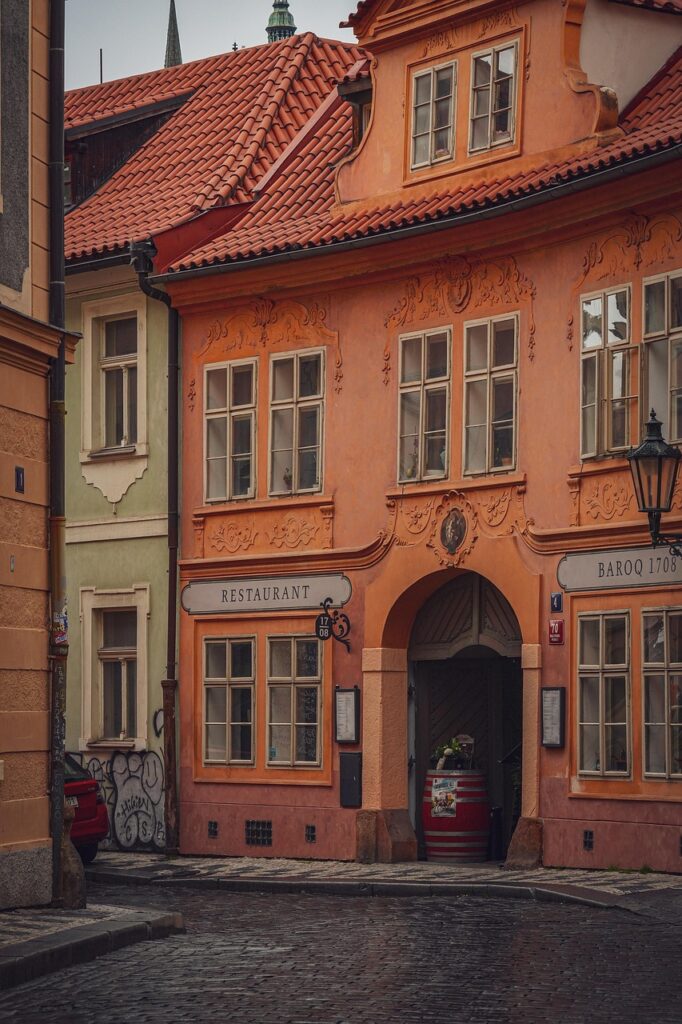






Introduction: Perugia’s culinary treasures — between fish, breads and fresh pasta
Perugia, the capital of Umbria, isn’t just a city of art and history — it’s also a surprisingly rich culinary destination that often flies under tourists’ radars. Perched on hills overlooking the Tiber valley, the city blends inland terroir with Mediterranean influences to offer local food that’s simple, honest and deeply satisfying. In this guide we focus on three pillars of Perugian cuisine: fish (sometimes served in unexpected ways in an inland region), artisanal breads that accompany every meal, and fresh pasta — the beating heart of local cooking.
This route is aimed at everyone: curious visitors, foodies, families looking for authenticity, and home cooks who want to know where to buy the best ingredients or where to sit down for homemade dishes. We list concrete spots — markets, restaurants, bakeries and workshops — with exact addresses, typical opening hours, price ranges in euros and immersive descriptions. The goal is practical: to help you plan a precise food itinerary in Perugia, whether that’s a light lunch of grilled fish, a hunt for traditional bread, or a dinner featuring fresh pasta made right in front of you.
The mix of Umbrian produce and Italian techniques yields surprising results: freshwater fillets seasoned with hillside herbs, dense sourdough loaves that stand up to hearty stews, and fresh pasta — tagliatelle, strangozzi, umbricelli — rolled and cut by hand. Local markets offer outstanding raw ingredients, from robust valley vegetables to carefully selected river fish. You’ll also find workshops and cooking classes where you can learn to knead Perugian bread or make a perfect egg pasta.
This guide goes beyond listing addresses: it dives into the sensory experience. Expect detailed descriptions of textures, aromas and classic pairings, plus practical tips — how to spot a good fish, which flour to favor for a local loaf, what time to arrive for freshly made pasta. We include recommendations for different budgets: wallet-friendly options for backpackers and more upscale addresses for special dinners.
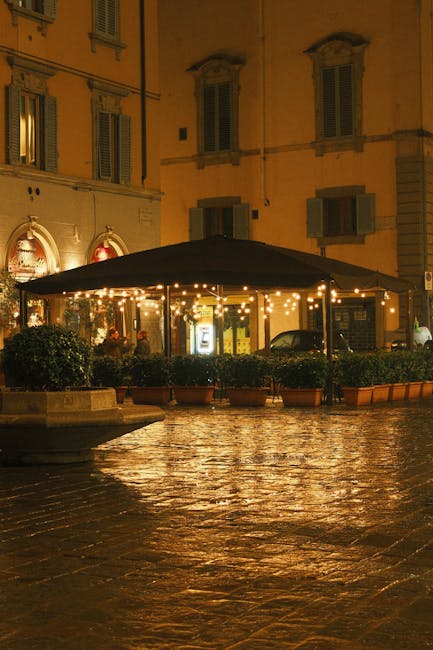
We’ve sprinkled the article with visual cues 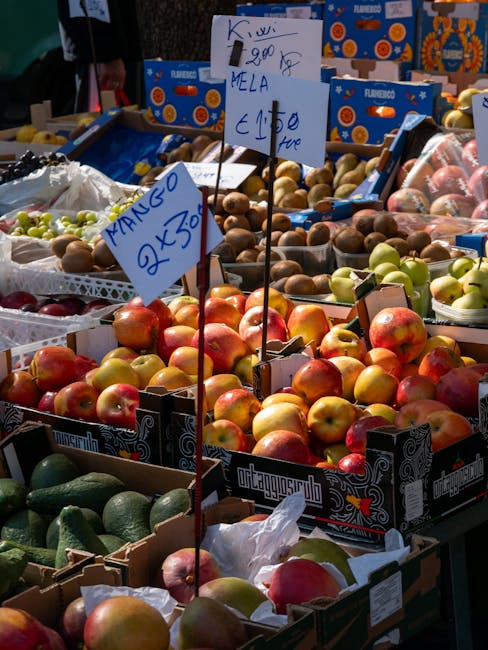 ,
, 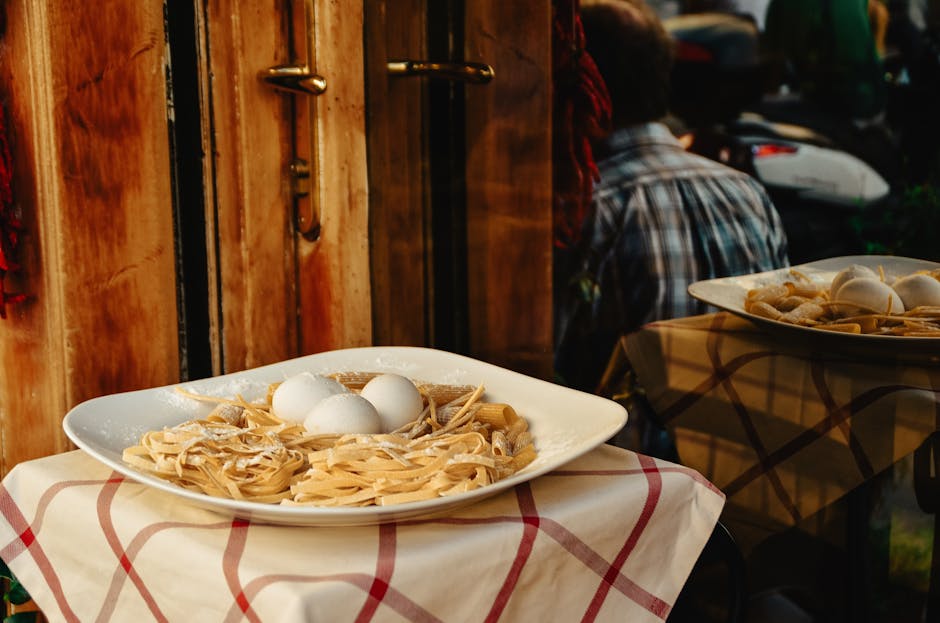 , and other atmosphere shots to help you recognize places and dishes when you visit. Note that hours and prices can vary with the season and local events (festivals, special markets, holidays) — so it’s wise to check by phone or on official websites before you go.
Fish in Perugia: the surprise of an inland city
You might think a city located far from the sea like Perugia wouldn’t have a noteworthy fish scene. Think again: Umbrian culinary tradition has long included freshwater fish (trout, eel, carp) from the Tiber and Chiascio rivers, alongside seafood that’s supplied daily. Several restaurants and fishmongers stand out for the freshness of their produce and for straightforward preparations that let the ingredients shine, often enhanced by local herbs, Umbrian extra-virgin olive oil and citrus.
Ristorante La Taverna, Via dei Priori 42, 06123 Perugia PG — This place sits a stone’s throw from Piazza IV Novembre. Hours: open Tuesday–Sunday, lunch 12:30–14:30, dinner 19:00–23:00 (closed Monday). Prices: fish mains €12–28. Specialty: grilled trout with olive oil and hill herbs (smoked red mullet or trota alla griglia depending on the day). Immersive description: exposed stone walls and beams, soft lighting, and a menu that changes with the catch. Local tip: ask for the tarragon and preserved lemon sauce — it’s a perfect match for the trout.
Pescheria del Centro, Corso Vannucci 89, 06123 Perugia PG — Fishmonger/takeaway platters. Hours: Monday–Saturday 08:00–13:00 and 16:00–19:00; closed Sunday. Prices: ready-to-cook fillets from €6/portion, seafood platters for two from €28. Description: lively counter on ice, with freshwater fish and mixed seafood boards. Tip: for an impromptu lunch buy salmon or trout fillets (around €8–12) and grill them at an outdoor hearth or in a self-catering kitchen.
Osteria a Priori, Piazza IV Novembre 15, 06123 Perugia PG — A tiny osteria famed for simplicity and bold flavors. Hours: 12:30–14:45 and 19:30–22:30; closed Monday evenings. Prices: antipasti €6–10, fish mains €14–26. Specialty: braised eel (anguilla brasata) when in season. Immersive description: terrace overlooking the square, the sound of the fountain, aromas of garlic and parsley. Local tip: if you see « anguille » or eel on the menu, it’s often a genuine local product — try it to understand the region’s river traditions.
Practical tips for choosing and enjoying fish in Perugia: favor restaurants that list « product of the day »; ask about the origin (river = « fiume », sea = « mare »); avoid mass-produced breaded fish in small osterie. For an authentic experience, pair fish with local oils (Umbrian extra-virgin) and a glass of Grechetto or Orvieto Classico (bottles in restaurants €12–25). In summer, book an outdoor table near the squares in advance — popular spots often fill up at night.
Perugian breads: where to rise dough like a local
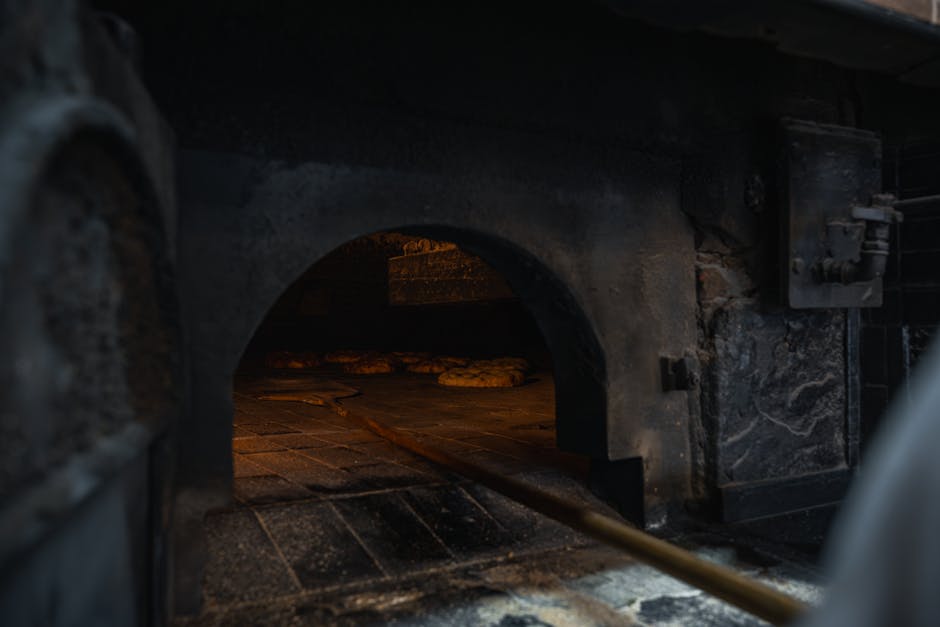
Bread in Umbria is known for a rustic crust and a dense crumb, made to stand up to stews and robust soups. In Perugia, bakeries favor local flours (often a mix of soft wheat and whole grain) and slow leavens. You’ll find artisans still baking in wood-fired ovens, others working natural sourdough, and some modern bakeries reinterpreting classics with long fermentation.
Forno del Centro, Via Pinturicchio 6, 06123 Perugia PG — Renowned artisan bakery in the historic center. Hours: Tuesday–Sunday 07:00–14:00; closed Monday. Prices: rustic loaves €3.50–6; individual focacce €2–4; cornetti €1.20–1.80. Description: wood-fired oven visible from the shop, the smell of fresh bread all morning. Specialty: « Pane di Gubbio »–style loaf and herb focaccia. Local tip: arrive before 10:00 for the freshest loaves and grab a slice of pane tostato for lunch.
Panificio Pasticceria Umbria, Corso Cavour 55, 06123 Perugia PG — A bakery-pastry shop popular with locals. Hours: 06:30–20:00 daily, short closure 13:00–15:30. Prices: country bread €2.50–5; local rolls €0.80–1.50; made-to-order sandwiches €4–7. Immersive description: filled display windows and outdoor benches to enjoy a hot panino. Local tip: try the local take on the « panino con salsiccia » (sausage sandwich) to understand the bread-meat pairing.
Antica Panetteria Perugina, Via Baglioni 10, 06123 Perugia PG — Small family-run shop known for its sourdough loaves. Hours: 07:00–13:00 and 16:30–19:30 Tuesday–Saturday; closed Sunday and Monday. Prices: sourdough loaves €4–8 depending on size; specialty items (whole grain) €3–5. Description: walls decorated with old baking tools, the tangy-sweet aroma of the starter. Tip: ask for a taste slice — bakers love to share and explain the fermentation process.
Workshop and classes: Panificazione Umbria (bread-making classes), Via dei Filosofi 22, 06123 Perugia PG — School/workshop running 3-hour sessions to teach sourdough bread and focaccia. Hours: morning/evening sessions by reservation; price: €45 per person (ingredients and tasting included). Description: small groups (max 8), hands-on learning with a local baker, final tasting with Umbrian olive oil and cured meats. Local tip: book several days ahead — classes often run on weekends.
Tips for buying and storing bread in Perugia: favor bread baked the same day — the label « fatto oggi » (made today) is a good sign. Avoid packaged bread for the most authentic experience; to keep it best, slice only what you’ll eat and store the rest in a cotton bag or a cupboard at room temperature. Perugian bread pairs beautifully with local tomatoes, Umbrian olive oil and fresh cheeses like ricotta.
Fresh Perugian pasta: where to taste it and how to recognize it
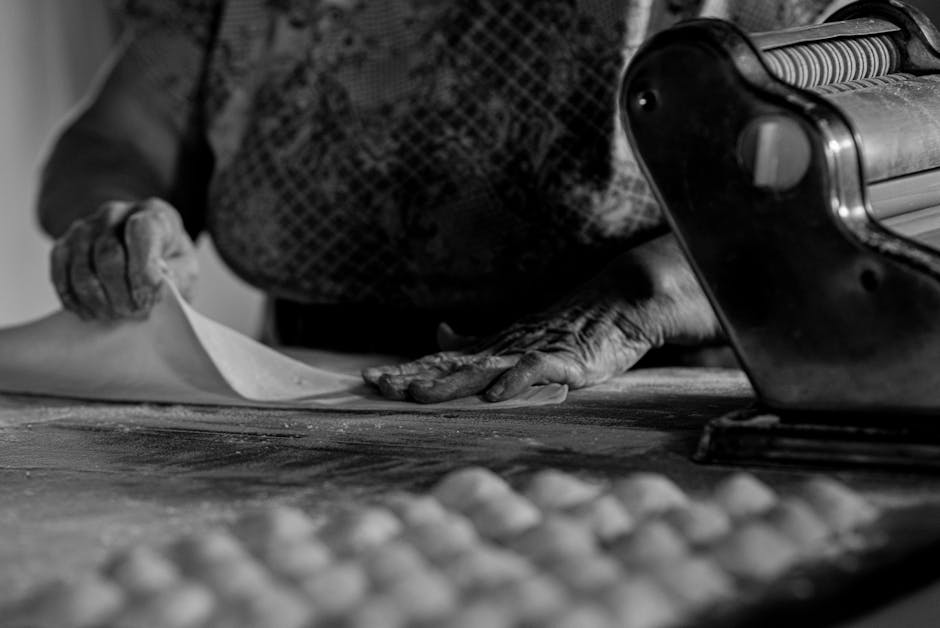
Fresh pasta is at the heart of Italian culinary tradition and in Perugia it gets special treatment. Umbria has its own shapes (like strangozzi and umbrichelli) and favors rustic sauces — wild boar ragù, mushroom sauces, or simple herb-infused butters. In Perugia several places make pasta by hand, sometimes in full view of diners, offering as much of a show as a meal.
Trattoria del Borgo, Via delle Cantine 18, 06123 Perugia PG — A family-run trattoria known for its homemade pasta. Hours: 12:30–14:30 and 19:00–22:30, daily except Wednesday evening. Prices: antipasti €6–10, fresh pasta €9–14, mains €12–25. Specialty: strangozzi al tartufo (local pasta with truffle in season). Immersive description: open kitchen, the slap of dough on the work surface, intense aromas of truffle or wild boar sauce. Local tip: for a more rustic experience order gli umbrichelli con sugo di cinghiale (local pasta with wild boar ragù).
La Cucina di Perugia, Piazza Danti 6, 06123 Perugia PG — Small restaurant-workshop where you can watch pasta being made. Hours: 12:00–15:00 and 19:00–22:30; closed Monday. Prices: tasting menus €28–45; pasta dishes €10–18. Description: convivial dining room, chefs who explain the process, vegetarian options available. Tip: choose a menu that includes the pasta demonstration — it’s both educational and delicious.
Workshop « Handmade Pasta Perugia », Via Ulisse Rocchi 3, 06123 Perugia PG — Workshop-shop selling handmade fresh pasta, sauces and related products. Hours: Tuesday–Sunday 09:00–18:00; closed Monday. Prices: fresh pasta €7–12/kg; ready sauces €5–12; intro classes €35 (2 hours). Description: bright shop, hand-shaped pasta packets, sachets of local herbs. Local tip: buy fresh pasta for a picnic by the city walls — it will keep a few hours if kept cool.
How to recognize good fresh pasta: a smooth but slightly firm texture to the touch, even color (pale yellow if eggs are used), and a fresh wheat-and-egg aroma. When cooked it should remain al dente and absorb the sauce — good fresh pasta « drinks » the sauce instead of letting it sit on top. Practical tip: plan on about 100 g of fresh pasta per person, and expect 2–3 minutes of boiling depending on thickness. Pair with local wines: Sagrantino di Montefalco for hearty sauces, or a light Grechetto for cream sauces and truffle.
Markets, workshops and local tips for a full experience
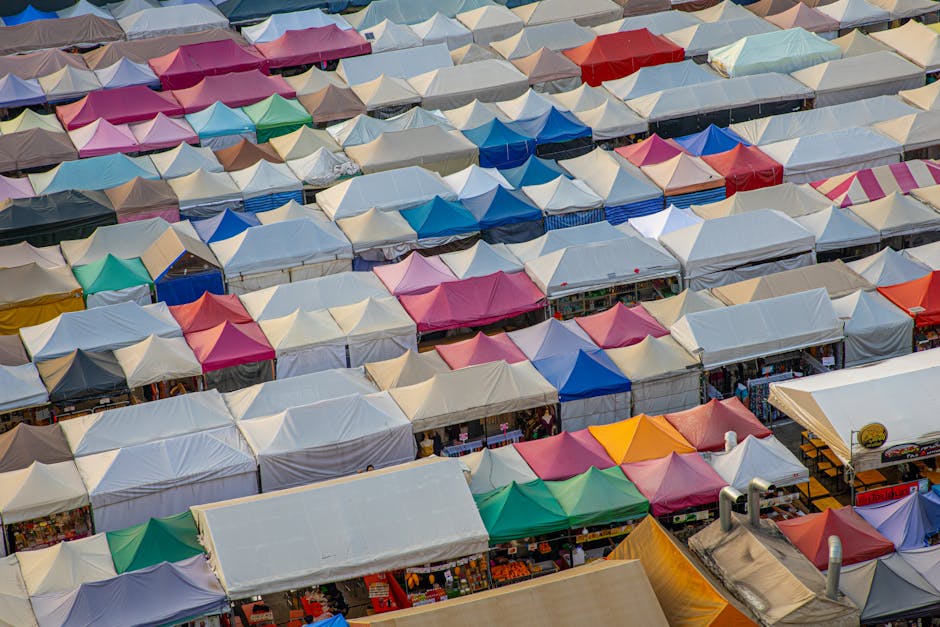
To truly understand Perugian food you should start at the markets and with the producers. Markets are where knowledge, fresh produce and stories about the best pairings are exchanged. In Perugia several markets and workshops are worth a visit to round out the tasting experience.
Mercato Coperto di Perugia (Covered Market), Piazza Matteotti 1, 06123 Perugia PG — The central covered market. Hours: Tuesday–Saturday 07:00–13:30 and 16:00–19:00; closed Sunday and Monday morning. Prices: vegetables €1–4/kg depending on season; cheeses (pecorino, ricotta) €8–20/kg; fresh trout €8–12/kg. Immersive description: fragrant aisles, vendors calling out, colorful fruit stands and cured meat counters. Local tip: chat with sellers to learn which herb will best season your dish — often a small bouquet makes all the difference.
Mercato delle Erbe (Herb Market), Corso Vannucci corner Via Francia, 06123 Perugia PG — Small specialist market. Hours: Wednesday and Saturday mornings, 08:00–13:00. Prices: fresh herbs €1–3 per bunch; flavored oils €5–12. Description: a market of local herbs, small producers of oils and vinegars. Tip: ask for a demonstration to learn which herbs pair with specific cheeses or fish.
Classes and experiences: « Cooking in Umbria », meeting point Piazza IV Novembre (reservation required) — Half-day culinary tours (€55–90 depending on program) that include a market visit, pasta workshop and tasting. Hours: morning and afternoon departures by reservation. Description: bilingual guide, small groups. Local tip: pick programs that include a market stroll — it’s the key to understanding seasonal ingredients.
Practical tips for a successful culinary visit to Perugia:
- Reservations: Popular restaurants can fill up, especially on weekends and during festivals (Eurochocolate in October, Umbria Jazz in summer). Book 2–3 days ahead for small tables.
- Seasonality: Favor seasonal produce: truffles and mushrooms in autumn, fresh herbs in spring, a variety of freshwater fish in spring/summer.
- Budget: A full meal in a trattoria can range from €18 (simple menu) to €45 (tasting menu). Artisanal bread typically costs €3–6, and a portion of fresh pasta in a restaurant is usually €9–18.
- Language: Learn a few key phrases: « fatto in casa » (homemade), « prodotti del giorno » (products of the day), « pasta fresca » (fresh pasta), « pane al lievito » (sourdough bread).
- Getting around: The historic center is largely pedestrian — wear comfortable shoes for carrying your market and bakery purchases.
Finally, let your senses lead the way. People from Perugia are proud of their specialties and happy to share a tip or a story about a dish. By asking questions, tasting and watching, you’ll discover not only flavors but the stories that make Perugia’s food a full cultural experience.
Conclusion: take Perugia home on your plate
Perugia is a destination that reveals itself slowly, especially when you linger at the table. Fish, whether from rivers or the sea, are enjoyed with the same enthusiasm and reinvented with Umbrian herbs and olive oil. Breads — robust and sourdough-crafted — tell the story of family ovens and simple, well-mastered ingredients. Fresh pasta showcases living craft: local shapes, rustic sauces and unpretentious presentations that are deeply satisfying.
This guide has given you addresses, hours and price ranges to help you plan a concrete culinary trip to Perugia. Whether you’re after perfectly grilled trout, a still-warm loaf fresh from the oven, or a plate of strangozzi made in front of you, the city offers experiences for all budgets and levels of culinary curiosity. Remember: the best meal can often be the one shared with a producer you meet at the market or the one you improvise from ingredients bought on a square corner.
Final tip: prioritize authenticity over hunting for a « starred » table if your goal is to understand Perugian cuisine. Seek places where locals eat, ask questions, taste local products without prejudice and, above all, be ready to be surprised. Perugia’s culinary treasures — fish, breads and fresh pasta — are as much entry points to the region’s history and traditions as they are delicious dishes. Safe travels and buon appetito!