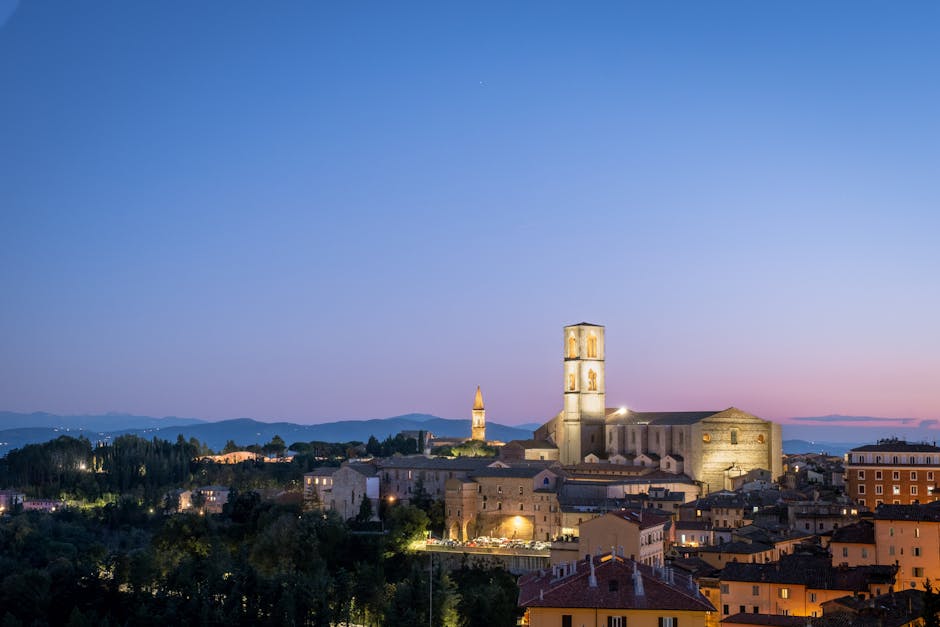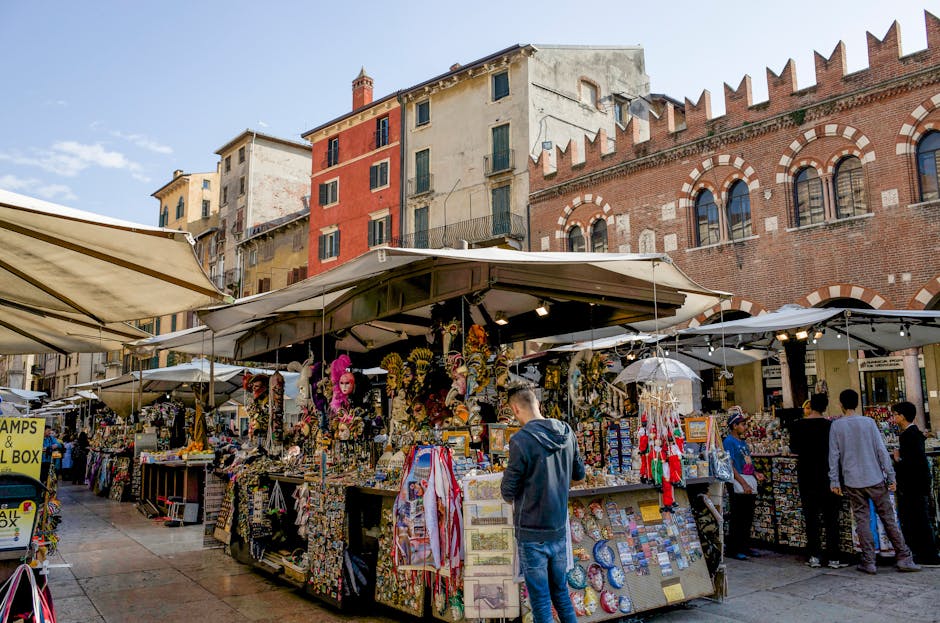






Introduction: Strolling Perugia Market — colors and flavors of the region
Perugia, the capital of Umbria, spreads out like a terrace between hills and valleys, its medieval heart where history and daily life meet. The city market is one of those lively stages where the local spirit is on display: colorful stalls, the smell of warm bread, bunches of basil and fennel, wedges of aged pecorino, Norcia ham carved by hand, and faces greeting each other as if they’ve always known one another. Wandering here means adopting a slower pace: listening to vendors’ chatter, noting the shades of regional fruits and vegetables, and recognizing, behind every product, a story of the land — from the hills around Assisi to the pastures between Spoleto and Terni.
In this article I’ll take you on an immersive route through Perugia’s market: how to find your way around, which spots to visit, where to taste local specialties, and practical tips to get the most out of your stroll. I’ll mention landmarks like the Rocca Paolina and Piazza IV Novembre to help you orient yourself, and give addresses and opening hours for the main stalls and covered halls where producers gather. You’ll also find realistic price ranges to help plan your budget — from slices of cured meat and aged cheeses to local bottled wines and small street-food bites to enjoy on the go.
At Perugia’s market, many products are labeled « Prodotti tipici umbri » (typical Umbrian products): extra-virgin olive oil, Castelluccio lentils (lenticchie di Castelluccio di Norcia), multifloral honey, Umbrian black truffles, and of course Perugina chocolate — a nod to the city’s chocolatemaking reputation. But the real magic lies in how these ingredients come together in simple, comforting dishes: crispy porchetta, farro soup (zuppa di farro), bruschetta drizzled with local olive oil. Each bite tells of a season, a producer, and a landscape.
So lace up comfortable shoes, take a reusable bag and a small cooler if you plan to buy fresh items, and follow me step by step through the aisles — from covered halls to open-air stalls, from fishmongers’ benches to herb vendors. This guide includes exact addresses, opening times, price ranges in euros, detailed descriptions, and local tips to savor Umbria’s capital authentically. By the end of this stroll you’ll see Perugia differently: the market is a way to understand the city, an open book of its flavors and colors.
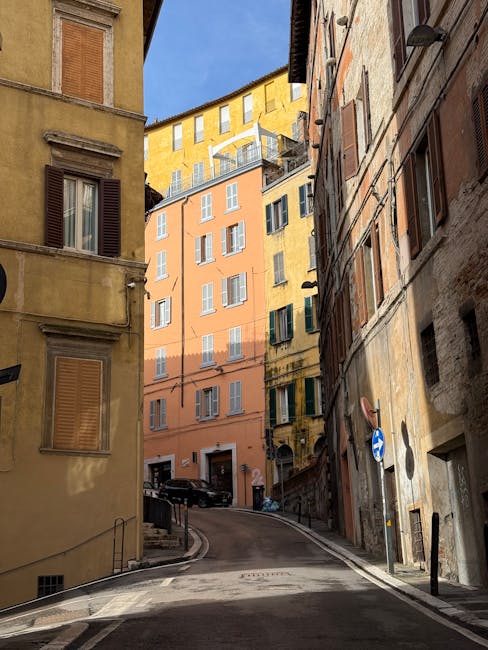
1) Mercato Coperto di Perugia: the flavor hub
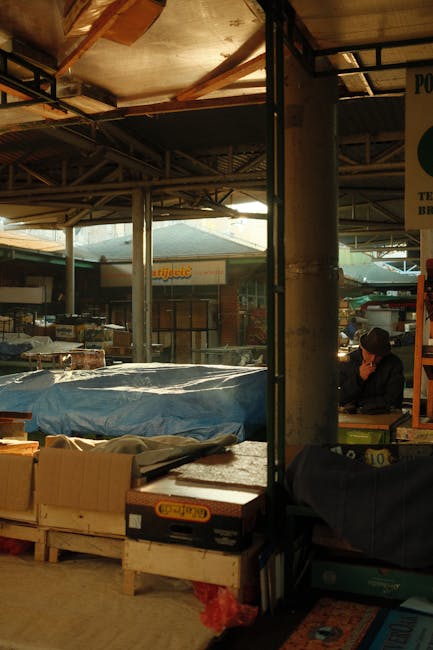
In the heart of the historic center, the Mercato Coperto di Perugia (Covered Market) is the perfect starting point for a sensory dive. Address: Mercato Coperto di Perugia, Via Bonazzi 5, 06121 Perugia PG. Typical opening hours: Monday to Saturday 07:00–14:00 (some vendors stay open until 18:00), closed Sunday. Free entry. This covered hall brings together fishmongers, butchers, greengrocers, cheesemongers and caterers; it’s most lively in the morning when locals do their daily shopping.
On arrival, pay attention to the main aisles: on the left, fruit and vegetable stalls display seasonal produce — strawberries in spring, April asparagus, juicy summer tomatoes, pumpkins and chestnuts in autumn. On the right, the « norceria » (charcuterie counter) offers typical Umbrian salumi: thinly sliced Prosciutto di Norcia (approx. 28–45 €/kg depending on aging), artisanal salsicce (6–10 €/kg), and coppa. Cheese counters show clear labels: aged Pecorino di Norcia (12–20 €/kg), truffle cheese (formaggio al tartufo, 25–40 €/kg).
Practical tips: arrive early (between 08:00 and 10:00) to enjoy freshness and the best selection. Bring cash — some small stalls accept cash only — but most vendors take cards for larger purchases. If you buy cheese or meat to eat right away, ask for vacuum-sealing or a small cooler if you’ll be walking for several more hours. Vendors are often chatty and proud of their products: ask for the exact origin (producer’s name, town) to understand the supply chain.
Recommended stalls and indicative prices
- Banco Norcineria « Antica Norcia » — Specialties: Prosciutto di Norcia, salsicce, porchetta. Address: indoor stall, Mercato Coperto di Perugia, Via Bonazzi 5. Prices: porchetta by the slice 5–8 € per portion, prosciutto 30–40 €/kg.
- Formaggi Tipici Umbri – Caseificio Il Colle — Sheep and goat cheeses, tomme, pecorino. Address: indoor stall, Mercato Coperto. Prices: pecorino 12–20 €/kg, truffle cheese 25–40 €/kg.
- Pescheria del Centro — Fish and shellfish, prepared seafood salumi. Address: central aisle, Mercato Coperto. Prices: trout fillet (trota) 12–18 €/kg, fresh calamari 12–20 €/kg.
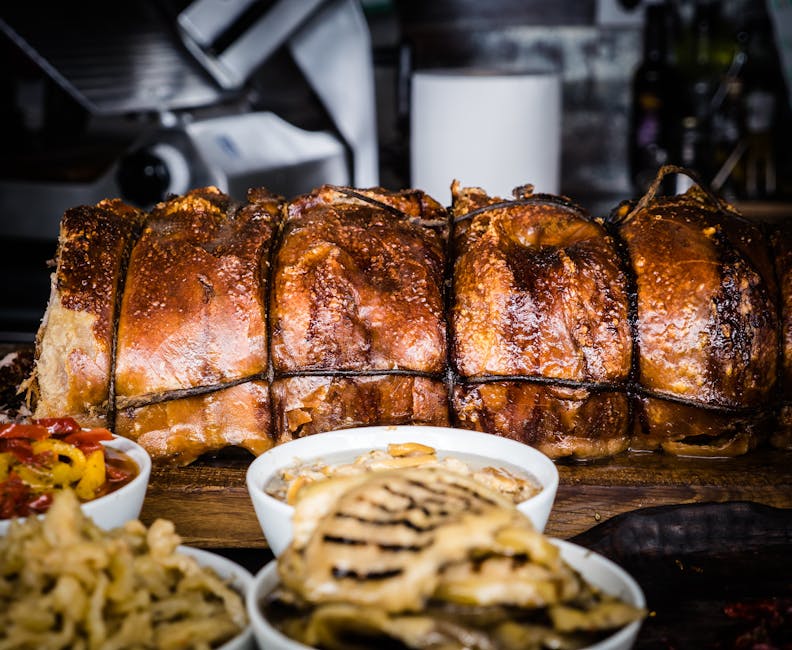
For food lovers, don’t miss a hot slice of porchetta — crusty bread, herbs, melting fat — usually sold for 5–8 € per portion. It’s an easy, affordable way to taste a local classic. Another breakfast option: cornetti (croissants) filled with jam or chocolate, served with an espresso at the indoor bar (about 1.10–1.50 € for coffee).
2) Open-air stalls: Piazza IV Novembre and Corso Vannucci
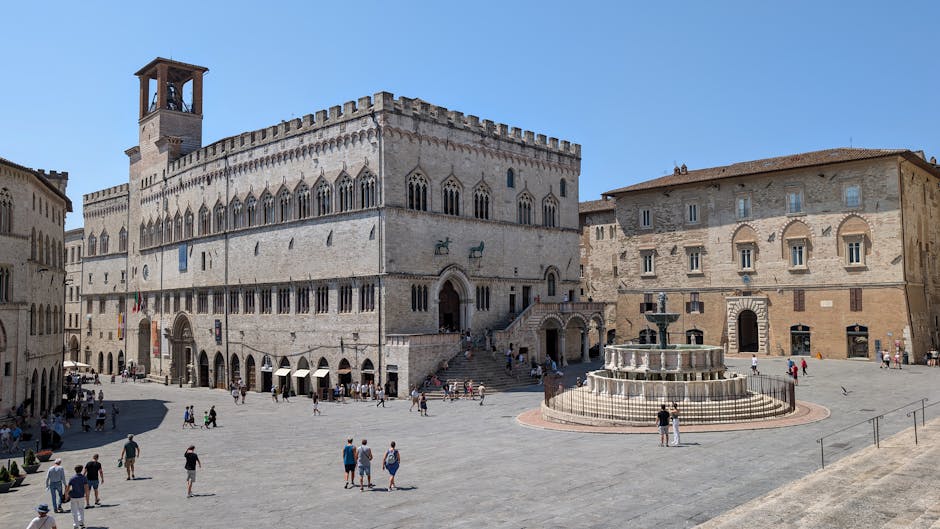
The walk continues outdoors, through Perugia’s iconic squares. Piazza IV Novembre (Piazza IV Novembre, 06123 Perugia PG) is the city’s historic living room, dominated by the Fontana Maggiore and the cathedral of San Lorenzo (Cattedrale di San Lorenzo, Piazza IV Novembre). In season, outdoor markets and food fairs set up around the square. Corso Vannucci (Perugia’s main pedestrian street, 06123 Perugia PG) becomes on market days a ribbon of stalls offering textiles, souvenirs, and artisanal food products.
Open-air stalls offer a different palette from the covered market: more artisan craft, more packaged regional goods, and plenty of street food stalls. Fruit sellers display whole crates of cherries (in season), peaches and apricots; herbalists sell bunches of rosemary, thyme and sage, often picked nearby. On the savory side, you’ll find baskets of marinated Taggiasca olives (5–8 €/250 g), small artisanal bottles of extra-virgin olive oil (250 ml: 6–12 €, 500 ml: 12–22 €) and jars of preserves and tomato-based sauces made from San Marzano tomatoes (3–6 € per jar).
Hours: outdoor markets usually run from Wednesday to Saturday, depending on the season. Stalls start setting up around 08:00 and pack up around 13:00–14:00; some special events run later into the evening (summer night markets until 22:00). Prices: a plate of street food (mixed bruschette, polpette, arancini) ranges between 4 and 10 € depending on portion and vendor.
Tips: wander without a set plan and let the smells draw you in. If you see a vendor cooking on the spot — for example grilling salsicce or frying panelle — it’s a good sign of freshness. When buying oil or preserved goods, check the harvest/packaging date (this year’s oil is best) and ask about PDO/PGI certification for products that claim it. Don’t miss the small Perugina chocolate shops along Corso Vannucci: an artisanal bar can cost between 3 and 8 € depending on size and inclusions (hazelnuts, pistachios, cocoa nibs).
Products not to miss at the outdoor stalls
- Lenticchie di Castelluccio — famous small lentils: 500 g bags 4–7 € depending on origin and quality.
- Truffle products (black truffle sauces) — tubs or jars: 15–60 € depending on concentration; ask the vendor for origin (Norcia area).
- Local honey stalls — multifloral or chestnut honey: 250 g jars 6–12 €.
3) Producers and delicatessens: from farm to table
Beyond the main market, Perugia’s food scene is fed by delicatessens and local producers with storefronts. These shops often sell farm-direct products: oil, cheeses, artisanal jams, Norcia cured meats, and Umbrian-designation wines. Here are some notable addresses where the region’s quality is on display:
- Enoteca Bianchi — Address: Via Ulisse Rocchi 19, 06121 Perugia PG. Hours: Tuesday–Saturday 10:00–13:00 / 16:00–20:00, closed Sunday and Monday morning. Specialties: selection of Umbrian wines (Sagrantino di Montefalco, Montefalco Rosso), pairing advice. Prices: local bottles 8–35 €.
- Drogheria del Corso — Address: Corso Vannucci 87, 06123 Perugia PG. Hours: Monday–Saturday 09:00–19:00. Historic grocery and delicatessen, oils, artisanal preserves and old-fashioned products. Prices: oils 10–25 €, artisanal jars 4–12 €.
- Caseificio della Valle — Address: Via Campo di Marte 12, 06124 Perugia PG. Hours: Wednesday–Saturday 08:00–13:00 / 15:00–19:00. Cheesemonger offering on-site aging and direct sales. Prices: cheeses 10–30 €/kg depending on type and aging.
Visiting these places means meeting producers who explain their methods: extensive sheep farming, hand-harvested olives, cold-pressing for the oil. Many offer tastings (free or paid) for those who want to try the oil or compare three pecorino ages. Tasting budget: 5–12 € depending on the number and rarity of the products sampled.
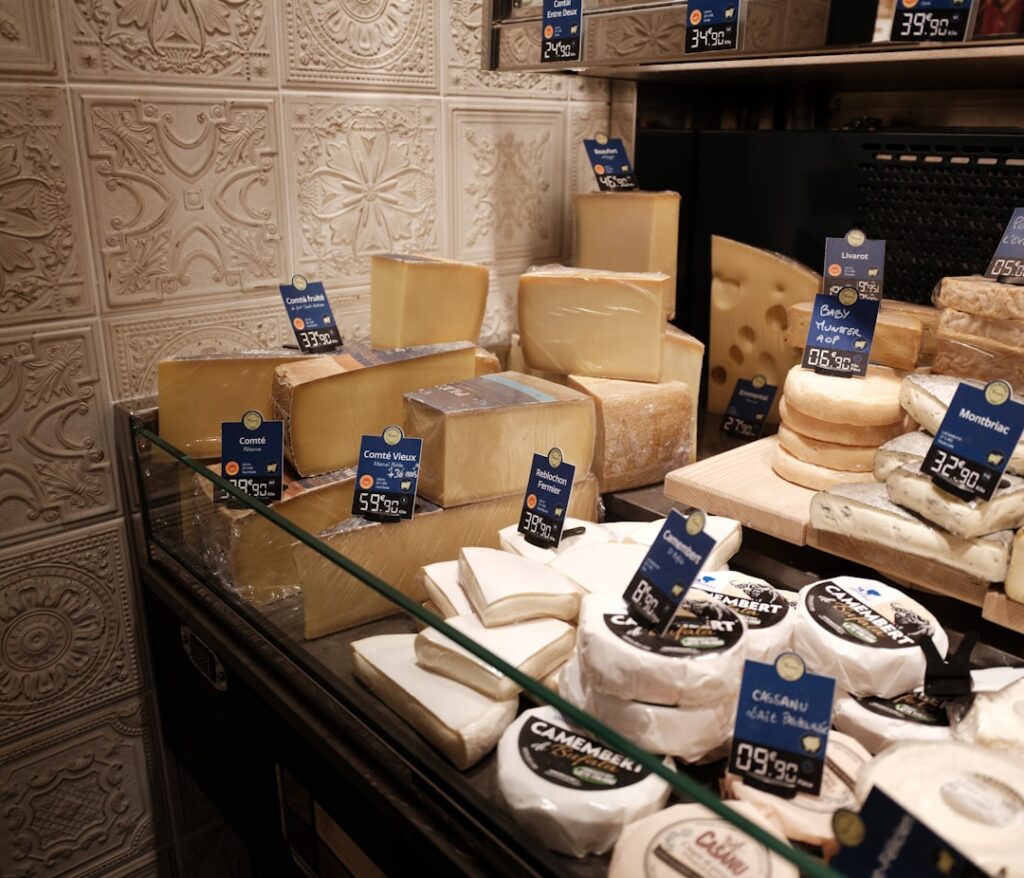
Practical tips: if you buy wine, ask the recommended serving temperature and whether it’s best for immediate drinking or for cellaring. Cheesemongers can suggest pairings: chestnut honey with young pecorino, fig jam with ricotta salata. Finally, if you plan to take fresh products abroad, check your country’s customs and import rules to avoid surprises: dairy and meat products are sometimes restricted.
Workshops, tastings and encounters
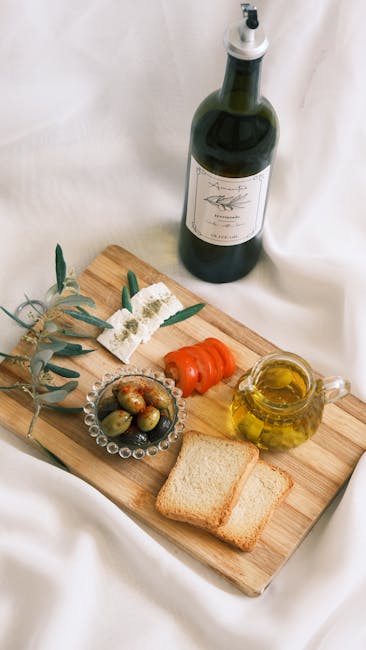
Many delicatessens organize themed workshops: morning olio tastings, evenings pairing cheeses and wines, and short truffle courses with aroma tests. Prices: short workshops 15–35 € per person; fuller evenings 40–75 €. These events are often bookable online or by phone (always ask to reserve). They’re a great way to understand why Umbria is so respected for its products and to buy knowledgeably.
4) Food routes and practical tips for a perfect market day
An ideal market day in Perugia mixes visiting, tasting, coffee breaks and a few detours to viewpoints. Here’s a recommended itinerary with addresses and timings:
- 08:00 — Start at Mercato Coperto di Perugia (Via Bonazzi 5, 06121 Perugia PG) to buy bread, cheese and a portion of porchetta. Hours: 07:00–14:00. Budget 10–20 € for a hearty breakfast on site (coffee + porchetta or cornetto + coffee).
- 09:30 — Stroll to Piazza IV Novembre (Piazza IV Novembre, 06123 Perugia PG) to enjoy the square and any outdoor stalls. Photo stop at the Fontana Maggiore. Free.
- 11:00 — Walk along Corso Vannucci to visit delicatessens (Drogheria del Corso, Corso Vannucci 87). Buy oil or jam to take home. Budget 10–30 € depending on purchases.
- 13:00 — Light lunch: choose a trattoria serving zuppa di farro or mushroom pasta. Example: Osteria a Priori, Via dei Priori 52, 06123 Perugia PG — Hours: 12:00–15:00 / 19:00–23:00; main courses 10–18 €.
- 15:00 — Workshop or tasting at an enoteca (Enoteca Bianchi, Via Ulisse Rocchi 19): oil and wine tasting (15–35 €).
- 17:00 — Panoramic view: Climb to the Porta Sole viewpoint (Piazza Fortebraccio, 06121 Perugia PG) to watch the light fall over Umbria; then enjoy a gelato at the bottom of Corso (3–5 €).
Local practical tips:
- Transport: Perugia’s historic center is easily explored on foot. For lower areas/parking, park near Stazione di Perugia (Piazza Partigiani, 06121 Perugia PG) and take the panoramic lift/mini-bus up to the historic center.
- Money: carry some cash for small purchases; many stalls accept cards for purchases over 10–15 €.
- Bags and storage: bring an insulated bag if you buy cheeses or cured meats; vendors can vacuum-seal on request (small extra charge of 1–3 €).
- Language: basic Italian is enough — “Buongiorno”, “Quanto costa?” and “Posso assaggiare?” open many doors; many vendors speak at least some English, especially in high season.
- Respect: touch products only after asking; stalls are the artisans’ domain and quality should be respected.
Estimated budget for a day
Here’s a realistic estimate of expenses for a full day of market browsing and discovery:
- Breakfast and snacks: 8–18 €
- Purchasing oil or preserves: 10–25 €
- Cheeses/cured meats to take away: 10–30 €
- Tasting or workshop: 15–40 €
- Light lunch in a trattoria: 12–20 €
- Estimated total: 55–153 € per person, depending on choices and purchases.
Conclusion: Taking a bit of Perugia home — beyond souvenirs
Strolling Perugia’s market is more than a tourist activity: it’s a direct encounter with Umbrian terroir and the people who carry its traditions forward. Among medieval alleys and sunny squares, every stall tells a story: the small family farm producing an herbaceous oil, the cheesemonger aging tommes by season, the norcineria slicing prosciutto to order. The addresses I’ve given — Mercato Coperto di Perugia (Via Bonazzi 5), Piazza IV Novembre, Corso Vannucci, Enoteca Bianchi (Via Ulisse Rocchi 19), Drogheria del Corso (Corso Vannucci 87) and others — are practical anchors for planning this discovery.
As an experience, favor slowness: arrive early for freshness, let smells and conversations guide you, and don’t hesitate to ask for a tasting before buying. Prices remain reasonable for the quality on offer: a few euros for a porchetta portion, around ten euros for a small bottle of oil, about fifteen for a guided tasting. If you travel with luggage, consider vacuum-packing and be mindful of customs restrictions when bringing animal or dairy products home.
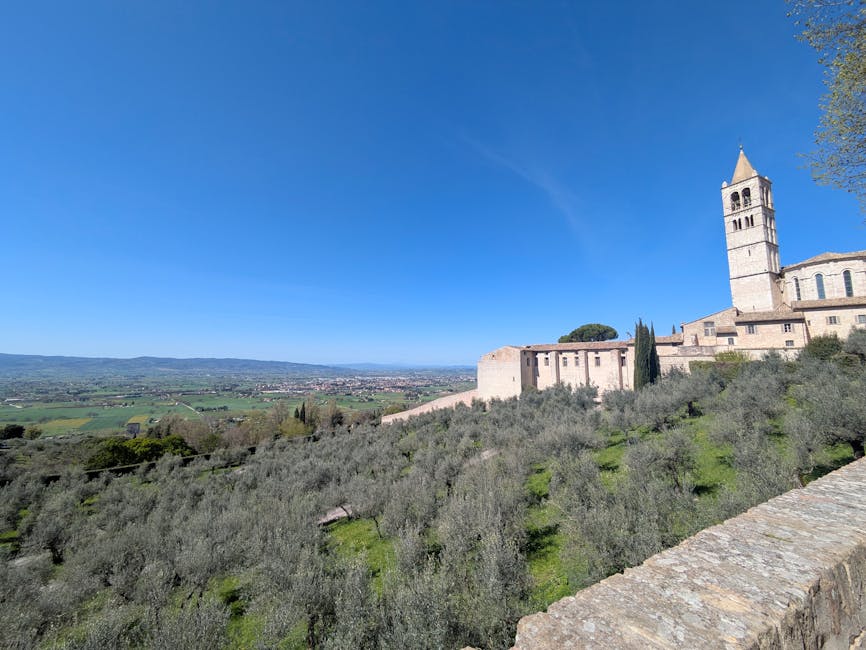
Finally, bringing a product from Perugia back is not just taking a souvenir: it’s maintaining a relationship with a place. A bottle of oil, a jar of honey or an aged cheese become keys to relive a day in Umbria, sharing flavors and stories with those who couldn’t travel. If one image had to sum it up, it would be a bustling square, a smiling vendor handing over a slice of cheese, and an Umbrian sky cradling the town at dusk — the colors and flavors that make Perugia a memorable stop for any lover of good food and beautiful things.
If you’d like, I can now: prepare a printable cheat-sheet with the timed itinerary, a recommended shopping list and a short Italian market phrasebook; or select restaurant and trattoria recommendations that focus on market produce for lunch or dinner. Tell me which you prefer and I’ll build a tailored program based on the length of your stay and your culinary wishes.